英语
 俄语
 西班牙语
 德语
Home / News / Industry News / Africa’s Laundry Revolution: European Capital, Chinese Laundry Equipment, and Local Entrepreneurs

Kingstar is your trusted partner for industrial and commercial laundry equipment. We specialized in the R&D and manufacturing of high-end industrial washers, commercial washers and dryers. Meanwhile, we provide global clients with comprehensive planning, layout workflow design, and software-hardware integration services for smart laundry plants.
Industry News
Nov 05,2026
Africa’s Laundry Revolution: European Capital, Chinese Laundry Equipment, and Local Entrepreneurs
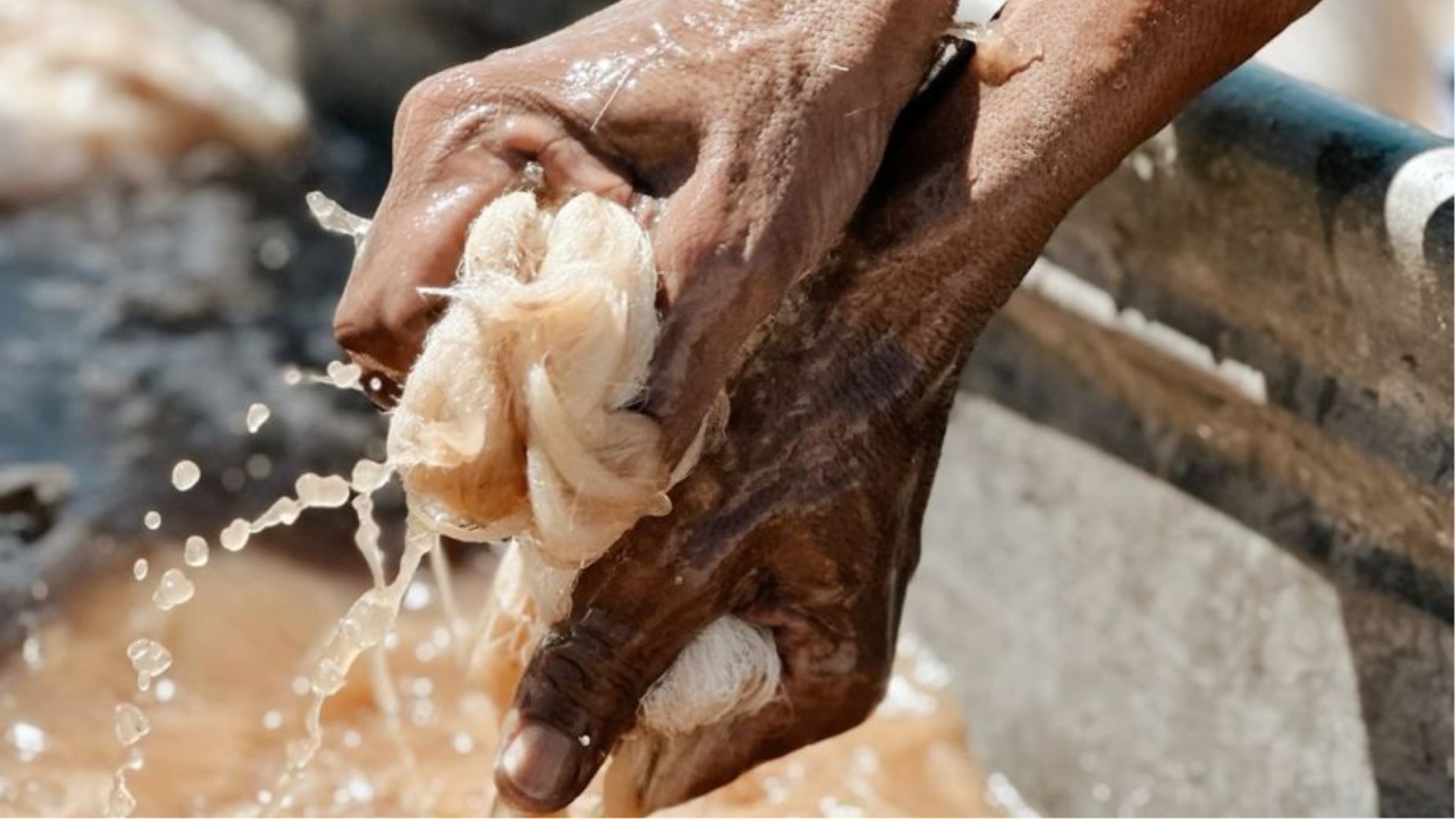
In many regions of Sub-Saharan Africa, garment washing still requires labor. In Liberia, around 90% to 95% of people wash garments by hand. Women undertake this labor-intensive housework. But the lifestyles passed down through generations are gradually changing due to multiple commercial forces.
Africa’s Growing Laundry Market
The African self-service laundry market is expanding rapidly. According to data from Verified Market Reports, the self-service laundry market in the Middle East and Africa was valued at around $900 million in 2024. It is expected to increase to $1.4 billion in 2033. Also, the report estimates a compound annual growth rate (CAGR) of around 4%. Kenya stands out in this market. Its urban population accounts for 30% of the total population, with an annual growth rate of 4.4%. But fewer than 20% of families own washers. More than 250 laundry shops are in Nairobi. Investors are attracted by low startup costs of 1 million to 2 million Kenyan shillings (around $7,700 to $15,400). Kenyan laundry care market is expected to reach $561.5 million in 2031.
In the Democratic Republic of the Congo (DRC), self-service laundry has more economic potential. Based on zoom-eco’s analysis, a laundromat is equipped with 6 to 10 machines, a well, and a generator (or solar panels). Its initial investment is around 25 million to 35 million Congolese francs (around $11,000 to $15,500). The payback period is only 10 to 14 months. The average monthly net profit reaches 4 million to 7 million Congolese francs (around $1,800 to $3,100). The analysis notes that nearly no legal business opportunities in the DRC are available for women without higher education backgrounds. But the laundry market offers relatively rapid returns.
The number of Africa’s laundromats is also increasing. According to industry data, there are 1,558 laundromats in Africa as of April, 2026. The increase is 2.69% compared with 2023. Among them, 96.28% of stores are operated independently, and only 3.72% are part of chain brands. That means the industry is in an early, fragmented stage. It has large room for branding and scaling. Africa’s laundry revolution is ongoing.
Local Entrepreneurs and European Capital
This revolution isn’t a single development. Instead, it is driven by local entrepreneurs and European capital.
● European capital
It enters the African laundry market in two ways: franchising and direct investment and operations. Spanish companies are the early ones in expanding laundry services overseas. Mr Jeff (later renamed Jeff), headquartered in Spain, was founded by three Spanish entrepreneurs in 2015. It has over 2,000 franchise stores in around 40 countries and regions. It entered the Kenyan market at the end of 2020. It planned to replace informal laundry workers, “mama fua”, with standardized on-demand laundry services.
French businesses are also expanding their markets. Laundry Africa SARL is a French company specializing in the manufacturing and operation of self-service laundry kiosks. Its R&D center is in Senegal. The laundry kiosk has a minimum capacity of 18 kg. It is located in strategic areas, such as gas stations, universities, and residential areas. Besides, the Private Sector Investment Program (PSI) of the French Development Agency (AFD) supports professional hospital laundry facilities in Senegal, with project funding of around €475,000 (around $531,000). The Spanish franchising brand Pressto has run its businesses in Angola, Morocco, and Nigeria. Clean Master has collaborated with entrepreneurs in Angola and Tanzania.
● Local entrepreneurs
Meanwhile, local African entrepreneurs are reshaping the industry in their own ways. In 2021, four graduates established a community-owned business, MaRocks Laundry Services, in Tshing, Ventersdorp, in South Africa’s Gauteng Province. They offered basic washing, folding, and ironing services. The National Development Agency (NDA) provided a grant of 222,000 rand (around $12,000). Thus, they bought machines (four commercial washers, a 7.5 kVA generator, two industrial steam irons, and steam presses). Today, the company has doubled its capacity, making profits.
In Germiston, South Africa, Lindiwe Motha and Refiloe Makau founded a laundry shop, Siyakhona Differently. They provide job and skill-development opportunities for disabled people. In Lagos, Nigeria, Oshorinde Olabimpe, a graduate from Ekiti State University with a business education, founded Spin Laundry Lounge. Also, customers can access vetted laundry shops and dry cleaners through another local platform, Washr. Namukabo Werunga established the first laundromat in Kisumu. Its business value is around 1 million Kenyan shillings (around $7700). It hires two employees to help customers use machines. In Ghana, Jerry Kwabena Awuku set up Nautical Drys while Gloria Cobbinah founded E-con Express Laundry. FUA Xpress established a large 24/7 laundry facility in East Legon, Accra.
These local entrepreneurs share many strengths. They are familiar with local market demand as well as consumer habits. They use government funding, community sources, and social networks. Also, they welcome new technologies and business models. Compared with passively accepting European capital, they actively turn external resources into local opportunities. European capital brings mature brand models and operational standards. Local entrepreneurs contribute market understanding and execution capability. Both drive the African laundry revolution.
Why Choose Chinese Laundry Equipment
In Africa’s laundry industry, Chinese laundry equipment is becoming the popular choice among many operators. This trend is driven by cost-effectiveness and quality.
● Cost-effectiveness
Opening a laundromat requires multiple machines. The cost difference directly affects the barrier to entry. For example, in Kenya, a laundry shop often invests around 1 to 2 million Kenyan shillings (around $7,700 to $15,400) in equipment. Chinese laundry equipment significantly helps control costs.
According to Chinese customs data, Nigeria imported 24,577 automatic washers (around $2.3 million) in 2025. The exported industrial washers increase by 22% in 2024. They are mainly shipped to the Middle East and Africa. However, in Europe and the US, due to trade barriers, the increase is less than 5%. Also, industry analysis notes that in Southeast Asia, the Middle East, Latin America, and Africa, local hospitality, healthcare, and self-service laundry are developing quickly. The demand for large-capacity commercial laundry equipment, which is cost-effective and highly adaptable, is booming.
● Quality and adaptability
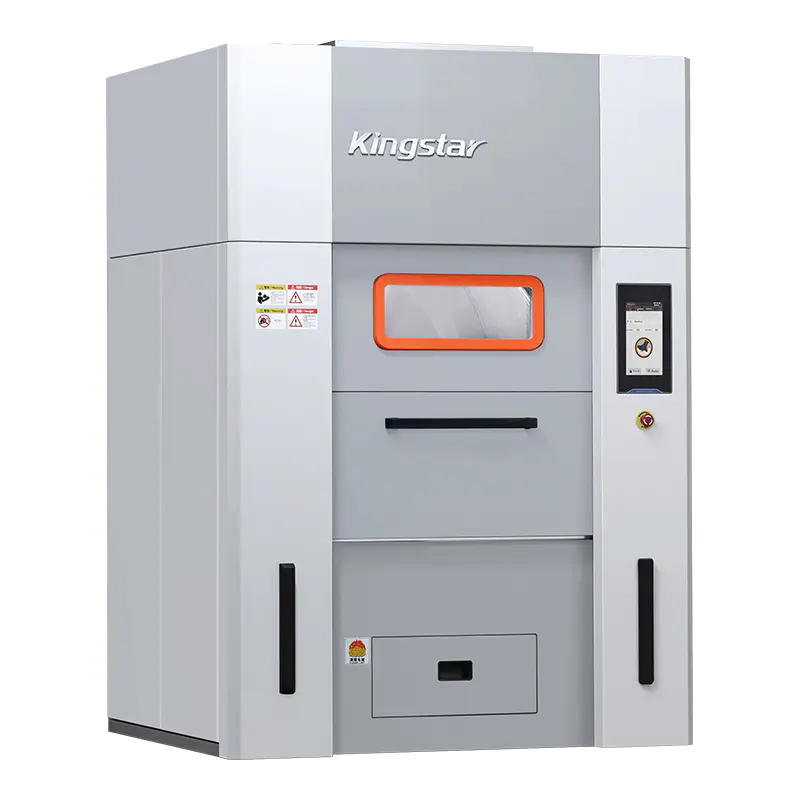
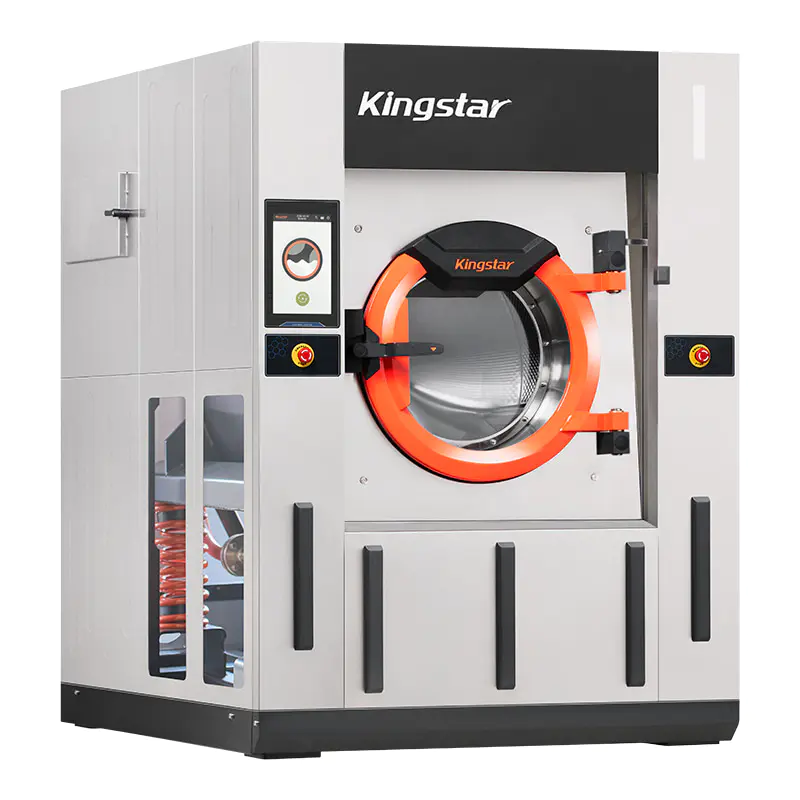
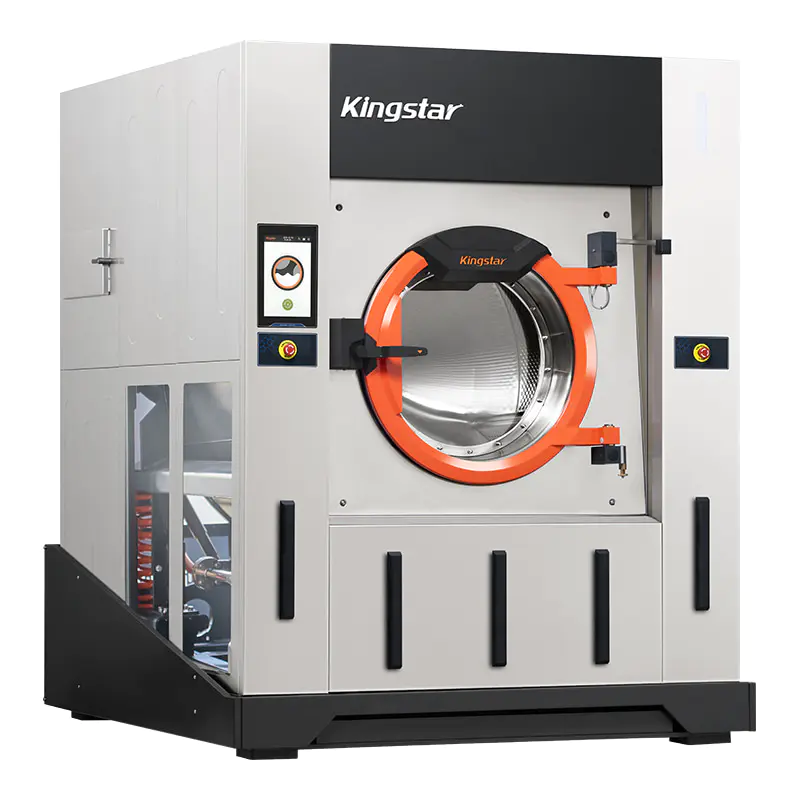
Some African markets face infrastructure challenges (such as unstable power supply and limited access to water). Thus, Chinese equipment manufacturers optimize voltage compatibility, durability, and repair convenience. Also, they are quickly building after-sales service networks in Africa. Take Kingstar as an example. It provides 24/7 after-sales services (such as solution design and technical training). It has over 20 years of experience in manufacturing and selling laundry equipment, which can be used to help entrepreneurs start up. Reliable equipment is easy to operate and maintain. It helps laundry shops run stably for a long time.
Kingstar Self-Service Washers: Seeking Distributors
As Africa’s laundry market further develops, the number of laundromats continues to increase. Equipment upgrades and new demand bring more market opportunities. For equipment distributors planning to grow in Africa, the key is to select a brand with cost-effectiveness, quality guarantees, and flexible payment options, such as Kingstar.
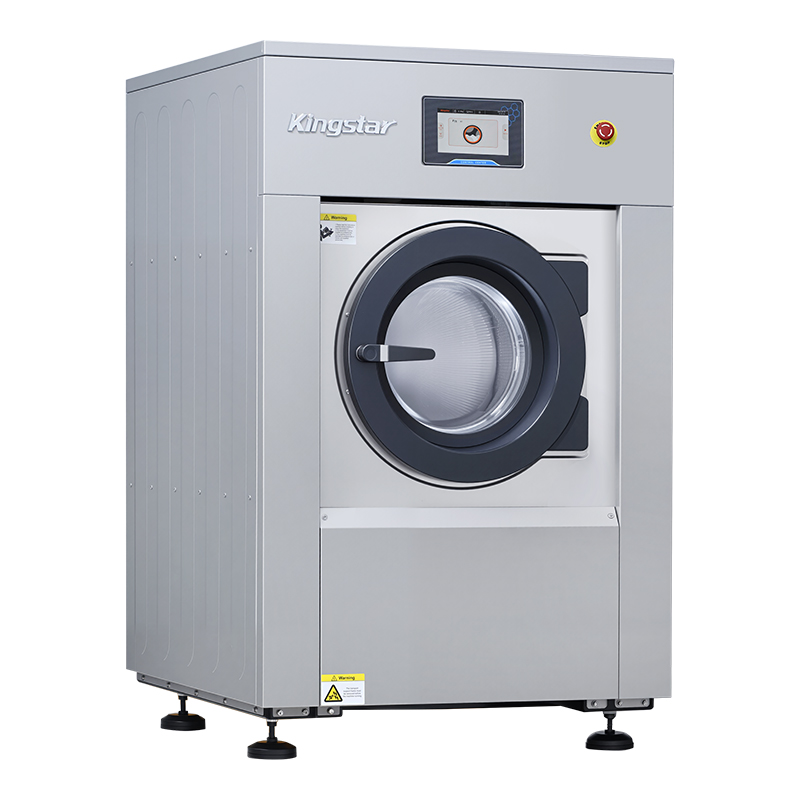
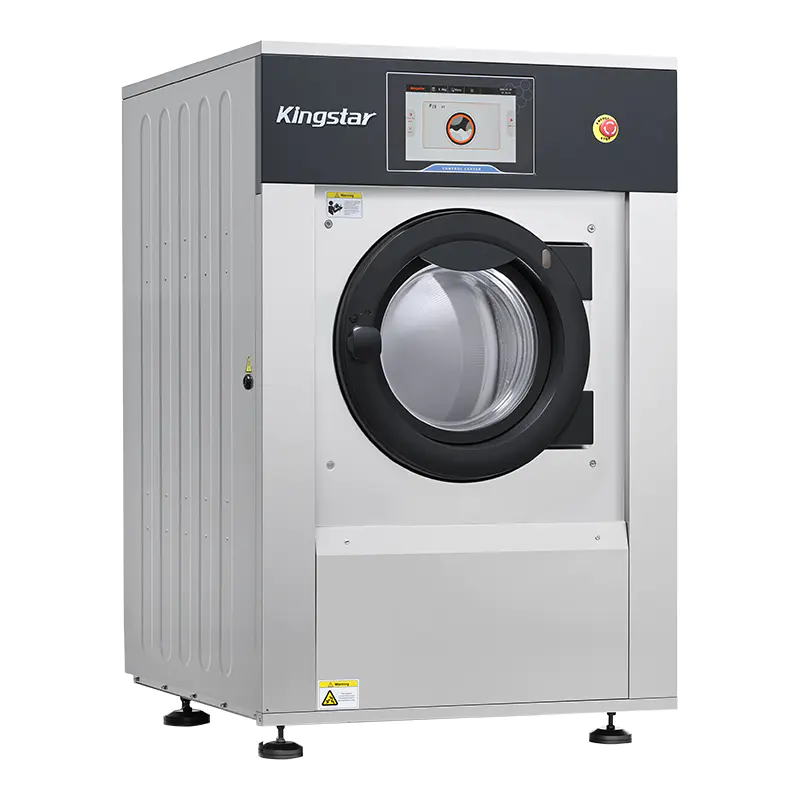
Kingstar commercial washers support four payment methods: coin, QR code, card, and centralized payment systems. Additional modification costs are not required. Also, they connect to external terminals or third-party card readers. Laundry shops can offer multiple payment options (such as cash, mobile, bank card, and centralized management). This reduces upfront costs. It also shortens payback periods and increases profit margins.
96.28% of African laundromats are operated independently. Branding and scaling have large development space. Those who provide reliable, easy-to-use, and cost-effective equipment for the individual operators can capture opportunities in the blue-ocean market. Kingstar is seeking equipment distributors and partners worldwide. It provides competitive prices, stable quality guarantees, full after-sales support, and training systems. Whether you are an equipment distributor in the African market or an entrepreneur seeking new growth opportunities, Kingstar welcomes you to join and expand the self-service laundry market.
Conclusion
Africa’s laundry revolution is being shaped by “European capital, Chinese laundry equipment, and local entrepreneurs”. It’s time for you to transform and benefit from it. Contact us to discuss partner details. Let’s work together to bring more efficient, smarter laundry solutions to Africa.
Q&A
Q1: Does Kingstar have customers in Africa?
A1: Yes. Kingstar also has extensive export experience.
Q2: What African countries are suitable for investing in laundromats?
A2: The Kenyan self-service laundry market is growing rapidly. It has relatively mature business models and infrastructure. It is suitable for entrepreneurs seeking stable investment.
Q3: How long do Kingstar self-service washers take from order placement to shipping?
A3: Around 4 weeks.
ADD:No.388 Xinggang Road, Chongchuan District, Nantong City, 226000, Jiangsu Province, China.
-
Phone: +86-13917089379
-
Tel:+86-13917089379
-
Fax:+86-0513-85663366
-
E-mail:louislu@kingstarlaundry.com
products