英语
 俄语
 西班牙语
 德语
Home / News / Industry News / As AI Transforms Industries: Laundry Businesses Offer Growth Opportunities

Kingstar is your trusted partner for industrial and commercial laundry equipment. We specialized in the R&D and manufacturing of high-end industrial washers, commercial washers and dryers. Meanwhile, we provide global clients with comprehensive planning, layout workflow design, and software-hardware integration services for smart laundry plants.
Industry News
Oct 29,2026
As AI Transforms Industries: Laundry Businesses Offer Growth Opportunities
Today, AI technology is developing rapidly. Online businesses feature standardized, streamlined, and replicable processes. However, they face fierce competition. Debate over AI’s ability to replace labor continues to intensify. Standardized positions (such as writing, visual design, and basic processing) have seen increases in efficiency. Their entry barriers have also become lower. The flood of digital content causes a continuous decline in value.
However, the market is showing a counterintuitive trend. The more widespread AI becomes, the scarcer and more valuable the physical businesses with real experience, personalized services, and strong trust are. Among them, commercial laundry shops, community laundry stores, and laundromats are becoming essential sectors with high resilience in the AI era.
The current consumer market has changed fundamentally. AI generates virtual materials at low costs. Standardized promotional content is widespread on the Internet. E-commerce often displays false product images and algorithmically generated content. This causes continuous decreases in online consumer trust. Thus, consumers gradually move away from convenient, low-price, and virtual consumer models. They return to offline services, which are visible, accessible, traceable, and personalized.
Garment laundry is an essential industry for residents. It features personalized services, specialized laundry capabilities, and strong reputations. Thus, it jumps out of the trap of low-price competition in the AI sector. Its industry value continues to rise.
Core Competitive Advantages
AI is good at replicating standardized processes and finishing repetitive tasks. However, it fails to build trust connections between people. It cannot offer specialized, personalized services. This is the core advantage of modern laundry shops. Unlike the online industry, trust-based service is key to laundry. Customers often send valuable garments (such as cashmere, silk, high-end suits, and luxury leather goods). They have high demand for laundry processes, detailed processing, and after-sales services.
The algorithm supports basic washing and care parameters. But it cannot adjust processes flexibly based on garment wear levels, fabric characteristics, and stain types. Also, it fails to provide personalized value-added services (such as specialized support, seasonal storage, garment repair, and after-sales support). Laundry shops’ key competitiveness includes long-standing professional experience, reliable service attitude, and stable neighbourhood reputation, not single-machine processing. AI cannot replicate these humanistic values and personalized services.
Therefore, many online AI businesses change and disappear quickly. However, most laundry shops operate stably. They have high repeat purchases and customer retention. Also, they are highly resilient to market fluctuations.
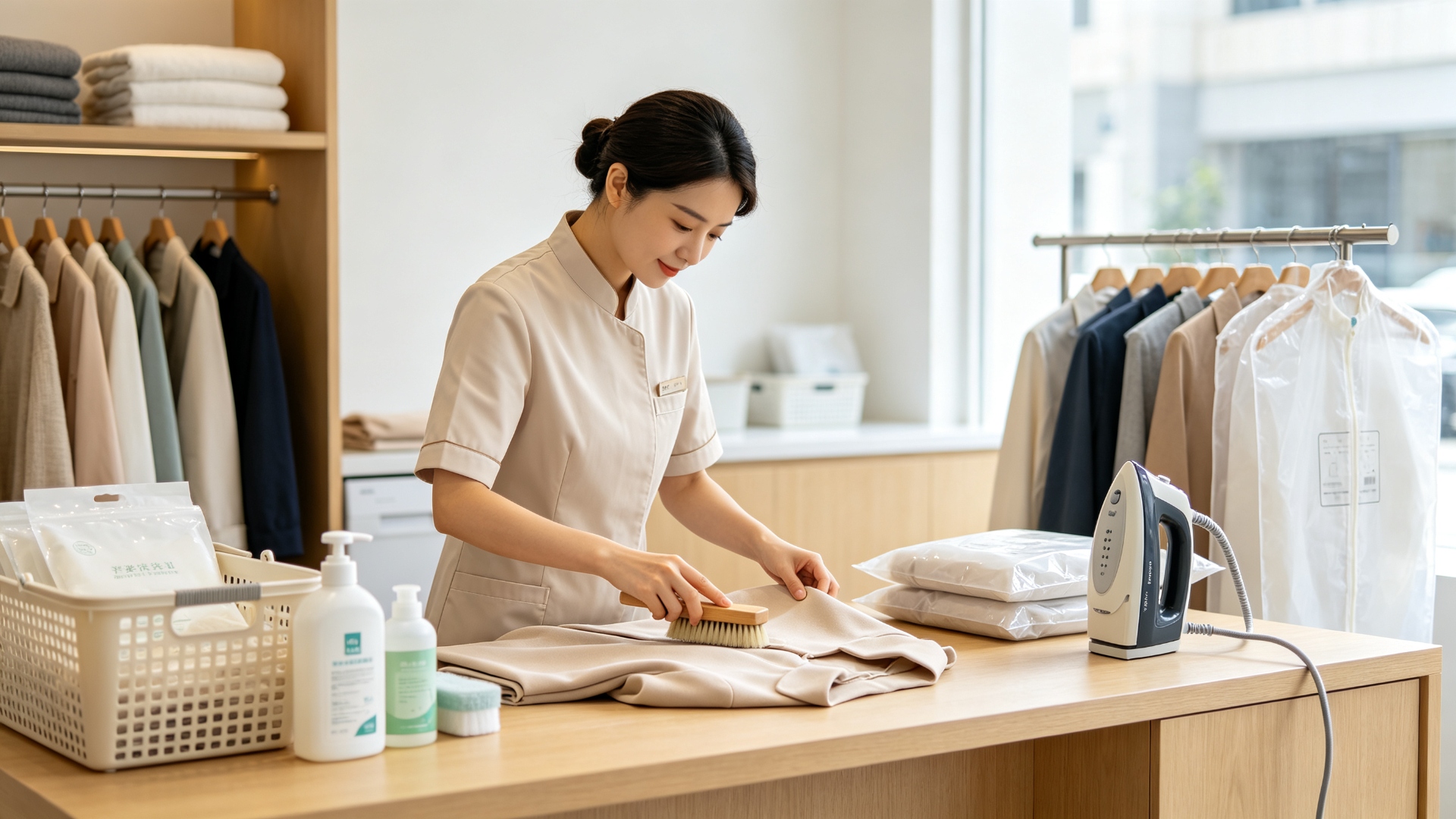
Standardized Equipment Support
In the AI era, premium laundry shops offer standardized equipment and personalized services. Human-assisted services meet personalized and trust-based requirements. Professional laundry equipment can ensure service quality. Also, it can reduce business entry barriers and prevent technology gaps. It helps stores move away from unnecessary competition.
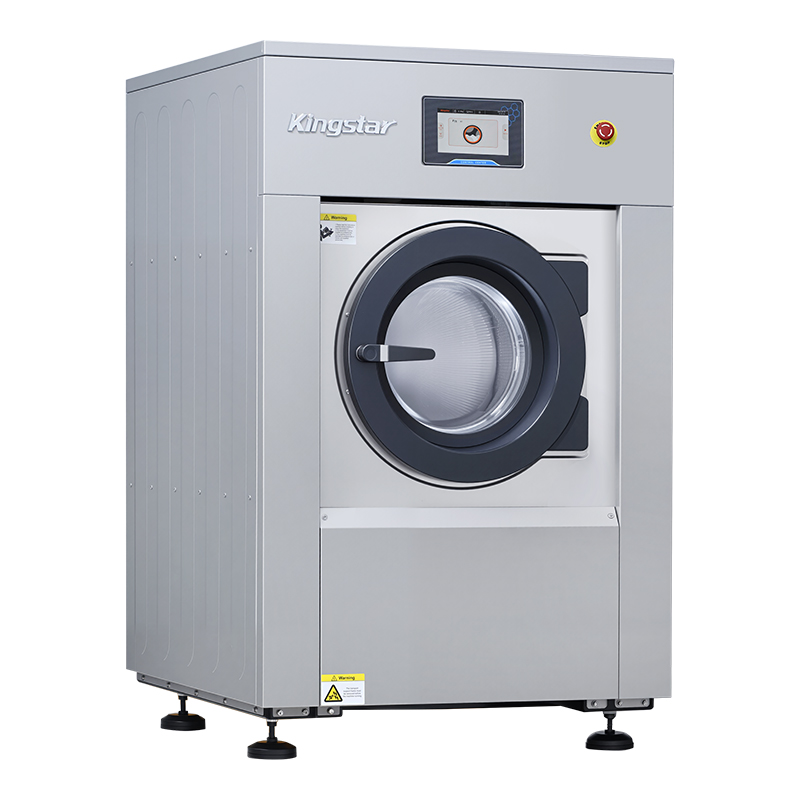
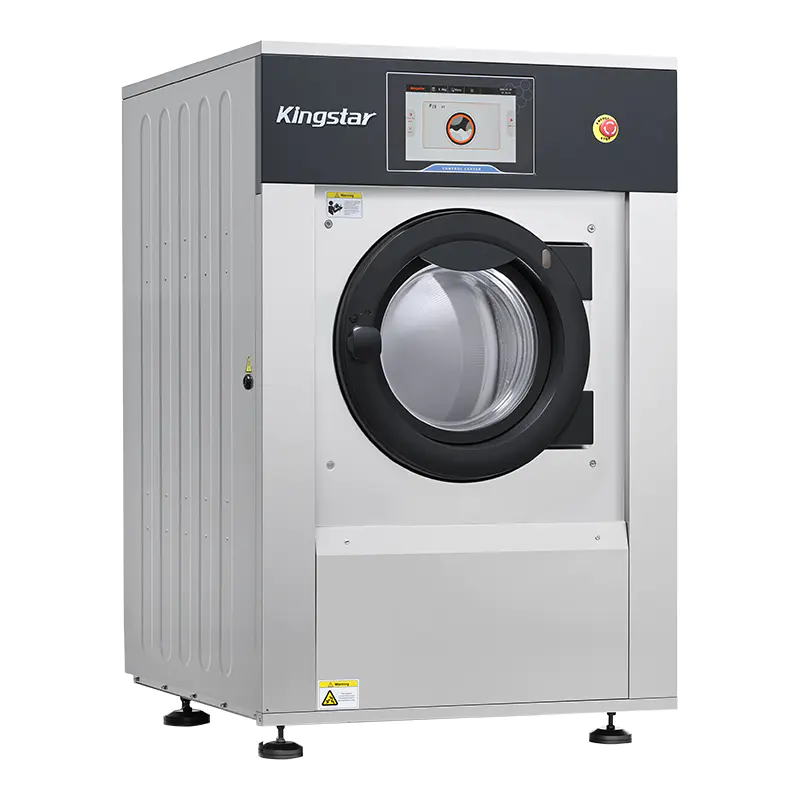
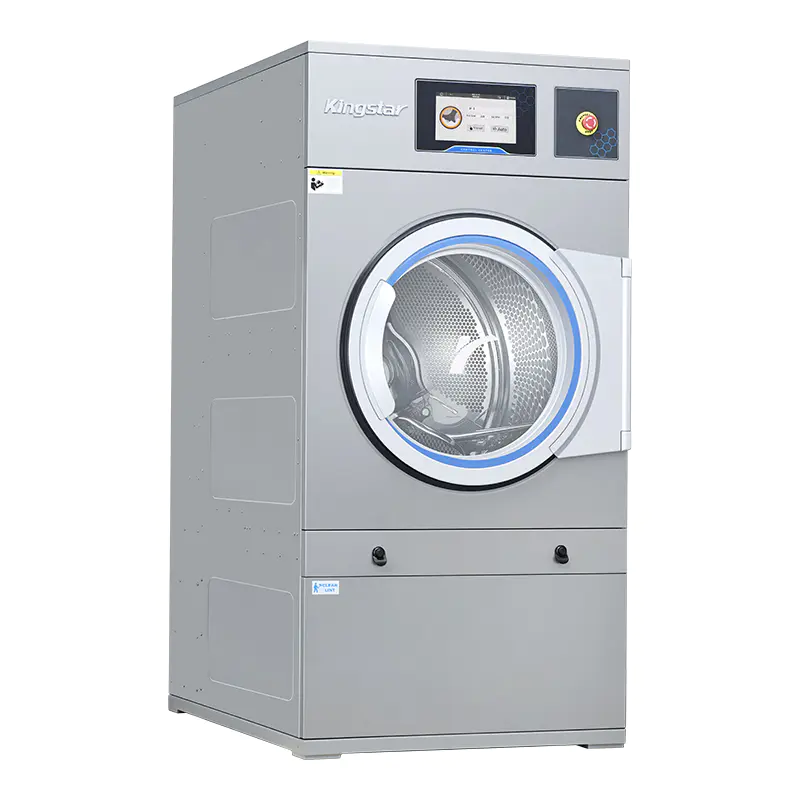
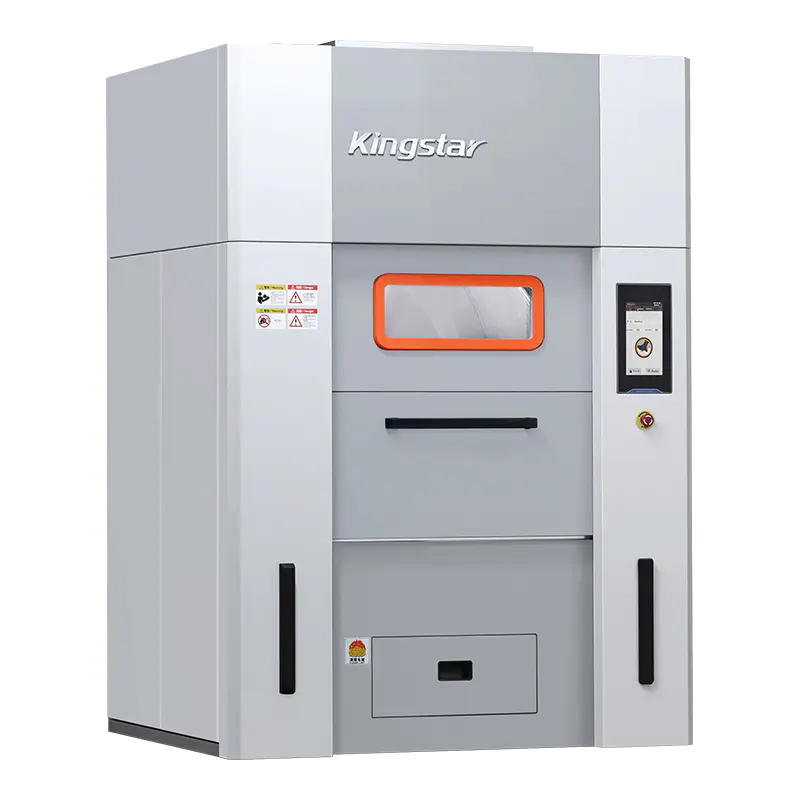
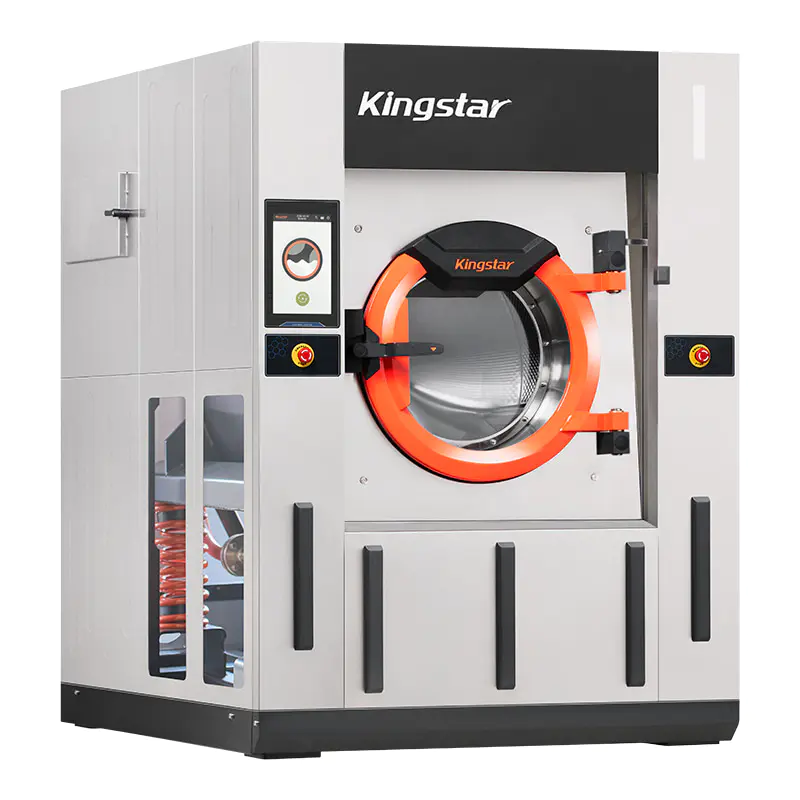
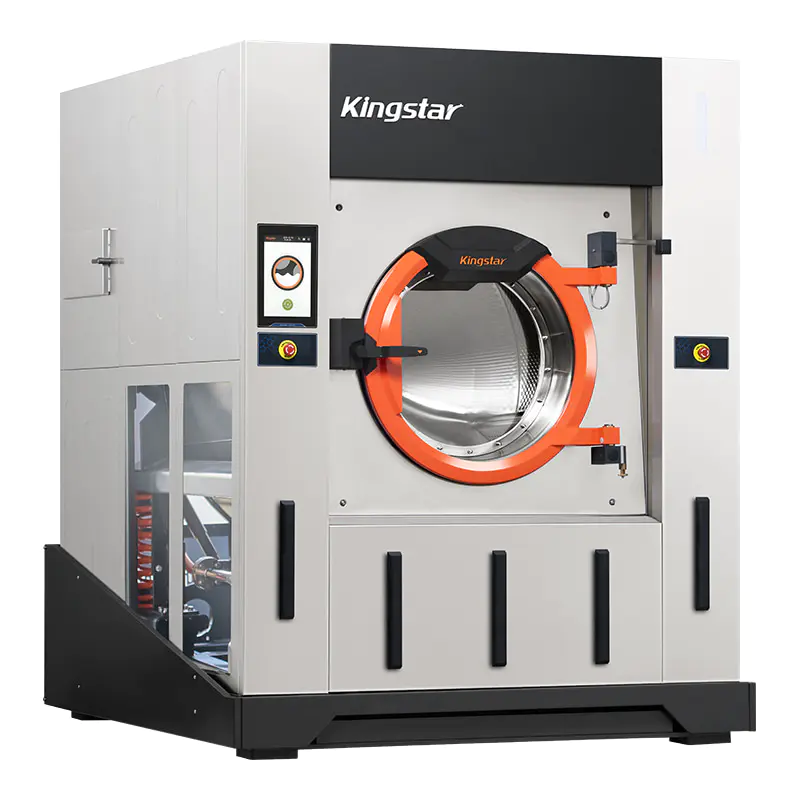
Kingstar is a professional laundry equipment manufacturer. It focuses on commercial and industrial laundry equipment. They can meet various operating requirements of regular laundry shops, laundromats, and high-end laundry stores. Kingstar’s product line includes commercial and industrial washers, professional dryers, and high-end wet cleaning machines. They are designed for different laundry issues.
Regular washers can be used for bulk daily garments. They are stable, energy-efficient, and durable. Thus, they can significantly improve processing efficiency. Professional dryers can precisely control temperatures. Also, they can achieve even drying. This further reduces garment shrinkage, deformation, and wrinkles. Specialized wet cleaning machines are developed for delicate fabrics. Mild laundry processes can protect high-end fabrics, such as silk, cashmere, and wool. They can meet the essential requirements in the current laundry market.
Kingstar adheres to the concept “Quality promotes businesses. Technology drives growth”. All equipment uses mature processes and standardized production systems. They deliver stable performance. Also, they have low failure rates and high adaptability. Laundry shops do not need to rely on operators’ advanced skills. They can offer standardized and consistent laundry quality. This significantly lowers entry barriers and costs of trial and error. Global laundry shops can avoid unnecessary low-price competition in the AI era.
New Growth Opportunities
Today, AI continues to affect different industries. Uncertainty in employment and businesses has worsened. The laundry industry features essential demand, frequent repeat purchases, low competition, and strong trust. It has become a good sector for stable startups and operations. For one thing, laundry demand is not affected by seasons and areas. Requirements, such as residents’ daily laundry, high-end garment care, and commercial workwear cleaning, remain stable. For another thing, the industry focuses on services and reputation. Equipment can be standardized while services are harder to replicate. Long-term businesses become its special advantages.
With Kingstar’s standardized and smart laundry equipment, stores can achieve efficiency and quality. They can accept bulk regular laundry orders. Also, they specialize in caring for high-end delicate fabrics. This helps expand revenue streams. Meanwhile, with personalized and human-assisted services, stores can build their local reputation and retain repeat customers. Therefore, they can avoid industry impacts caused by AI. They can operate stably for a long time.
Q&A
Q1: AI is developing rapidly. Can it replace traditional laundry shops?
A1: No. AI can only achieve standardized mechanical operations. They cannot replace personalized laundry, human-assisted services, trust reputation in the laundry industry. Core services (such as high-end fabric care, garment defect handling, and after-sales support) require professional manual operations. Laundry shops’ service value becomes increasingly obvious.
Q2: When configuring equipment, what should new laundry shops focus on?
A2: Newcomers can choose standardized and high-performance equipment. It also has a low failure rate. It is recommended to combine Kingstar commercial washers with professional dryers. They can meet daily laundry demand. If stores plan to enter the high-end market, they can install wet cleaning machines. They can handle delicate fabrics. Also, they can expand revenue streams with low costs.
Q3: How can laundry shops build differentiated advantages in the competitive market?
A3: The key is standardized equipment and specialized services. Laundry shops can choose Kingstar professional laundry equipment. It can ensure laundry quality and efficiency. Also, it can address basic service issues. Meanwhile, stores can focus on human-assisted services, high-end fabric care, and detailed after-sales support. They can build local reputations. Thus, with quality and service, they can develop differentiated advantages that cannot be replicated by AI.
ADD:No.388 Xinggang Road, Chongchuan District, Nantong City, 226000, Jiangsu Province, China.
-
Phone: +86-13917089379
-
Tel:+86-13917089379
-
Fax:+86-0513-85663366
-
E-mail:louislu@kingstarlaundry.com
products