英语
英语 俄语
俄语 西班牙语
西班牙语 德语
德语
Home / News / Industry News / China’s New Regulation against Malicious Complaints Offers Lessons for the Global Laundry Industry

CLM is a manufacturing enterprise focusing on the research and development, manufacturing and sales of industrial washing machines, commercial washing machines, industrial tunnel washer system, high-speed ironing lines, hanging bag systems and other products, as well as the overall planning and design of smart laundry factories.
Industry News
May 07,2026
China’s New Regulation against Malicious Complaints Offers Lessons for the Global Laundry Industry
On April 15, 2026, China’s Measures for Handling Complaints and Reports in Market Regulation (hereinafter referred to as the Measures) officially took effect. It not only protects Chinese laundries from malicious complaints but also triggers a deep reflection on compliance operations and the promotion of efficiency in the global laundry industry.
Strict Regulation Tackling Malicious Complaints
In the long term, malicious complaints have been a challenge for the global laundry industry, from bad claims in China to “no evidence complaints” and “repeated complaints” in Western markets. These unfair practices waste laundries’ resources and disrupt market order. New Measures in China now list seven types of complaints that will not be accepted, giving laundries clearer guidelines.
According to the core Articles 16 and 17 of the Measures, the following malicious complaints will be rejected:
● The same complainant repeatedly claims against the same laundry without substantive proof of consumption.
● The complainant cannot offer proof of purchase or complain in the name of another person.
● Complaints are made after mass consumption with the purpose of compensation.
By distinguishing complaints from reports, the Measures protect both consumers and laundries’ lawful rights.
Dual Demands for Compliance and Efficiency
The implementation of the Measures reflects an international trend across the laundry industry. With the increasingly strengthening of consumer rights protection, balancing the rights of operators and the sustainable development of the industry has become an important subject. According to the relevant data, on average, the global laundry industry loses 3%-5% of annual revenue because of malicious complaints. In North America, the annual closure rate of small laundries caused by invalid complaints has increased by 2.4%. Over 60% of laundries in Europe have encountered “excessive claims”.

Technical and Administrative Lag behind Complaints
The following problems were discovered through an in-depth analysis of malicious complaint cases.
● Unstable Wash Quality: Old equipment that has poor temperature control and uneven spin speeds results in damage to garments.
● Ambiguous Wash Process: Customers don’t know the washing process, leading to misunderstandings.
● Energy Consumption Problems: High water and energy consumption trigger environmental complaints, especially in Europe.
● Hygiene & Safety Concerns: The standard of infection procedures has received attention in the post-pandemic era.
All of these are essentially dual challenges concerning technology and operational management.
Seizing the Initiative in the New Era
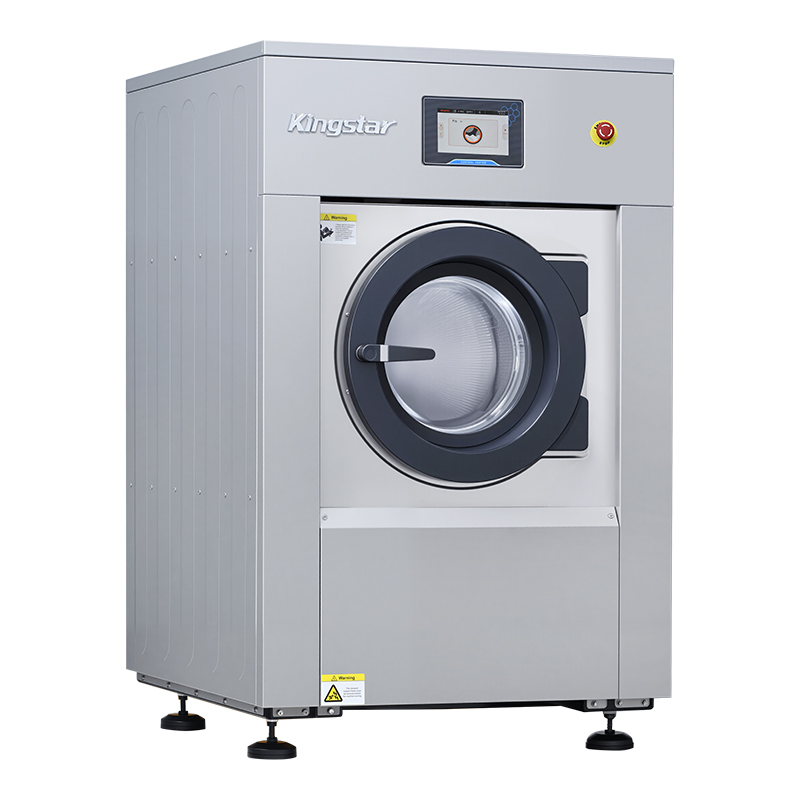
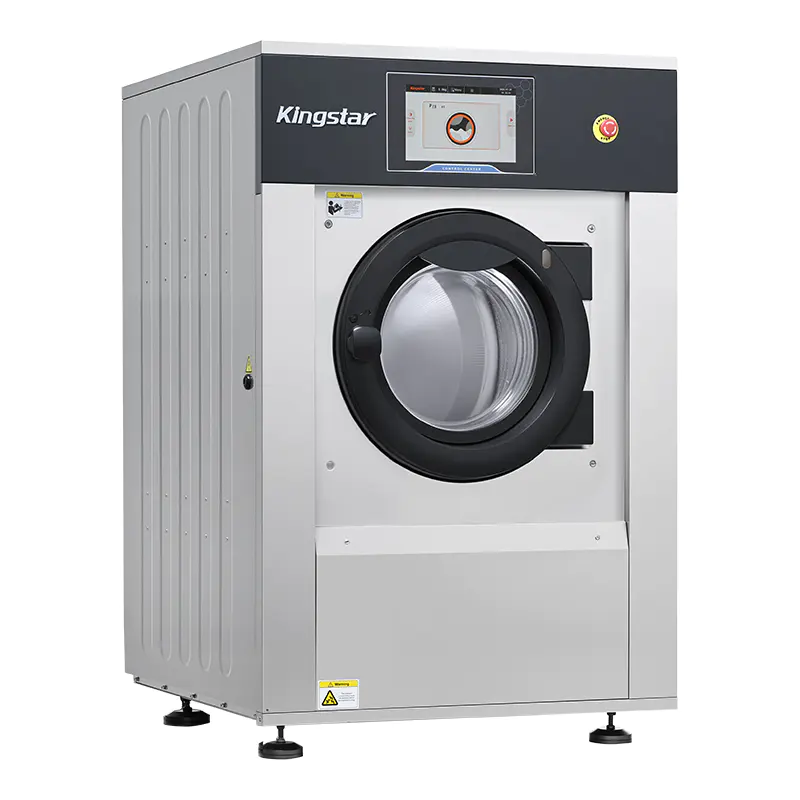
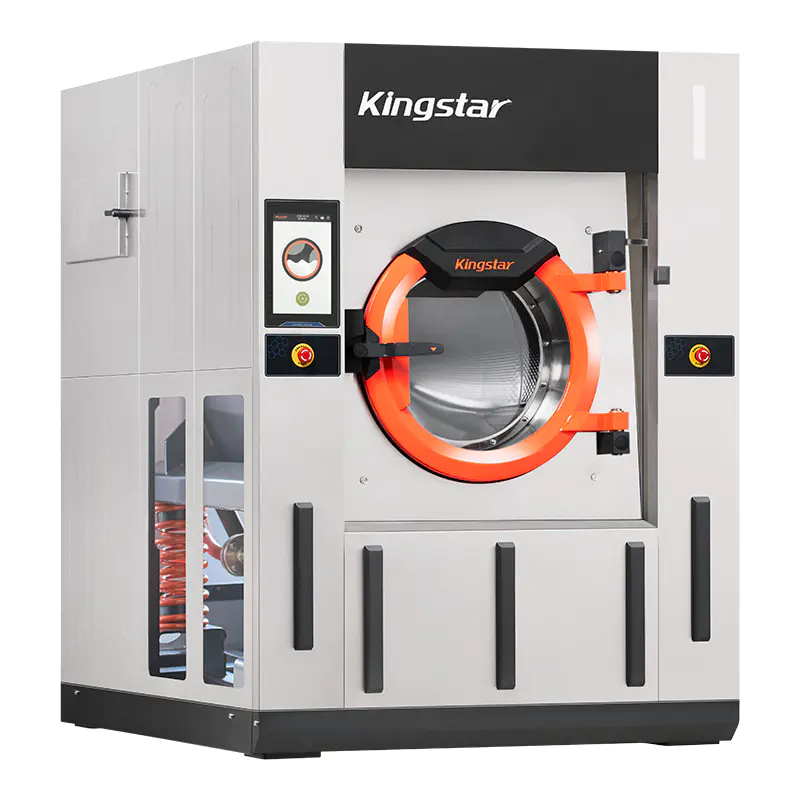
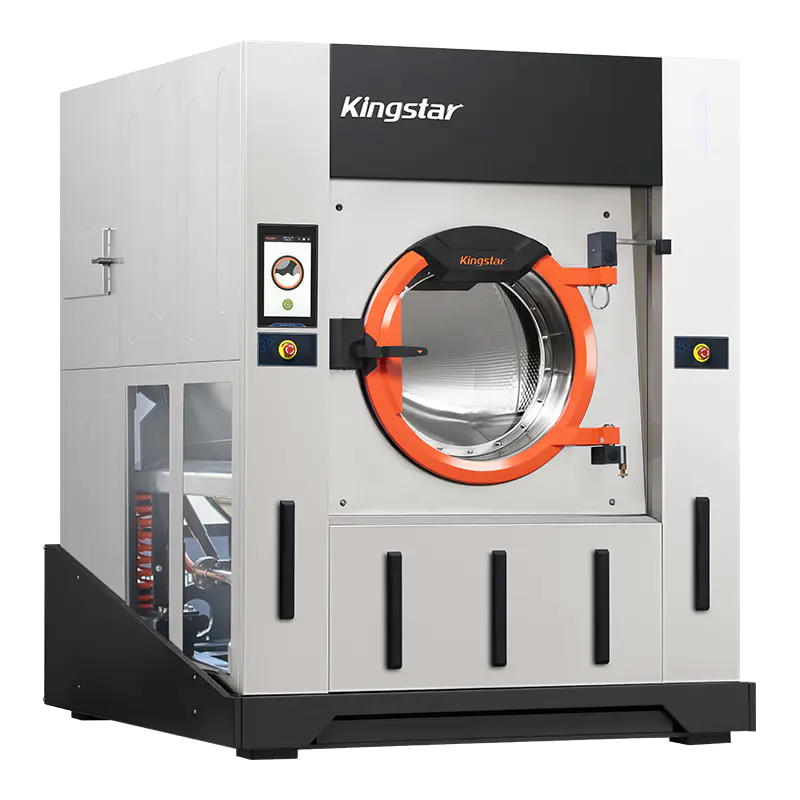
Based on the Measurements, Kingstar recommends that the global laundries take the following actions:
● Upgrade Equipment: Invest in smart, verifiable laundry equipment to safeguard
● Standardize Processes: Follow the ISO 9001 quality management system to document laundry procedures
● Transparent Communication: Actively showcase equipment capabilities and washing data with customers
● Legal Preparation: Understand local criteria for identifying “malicious complaints” and establish evidence retention mechanisms
The implementation of China’s Measures marked the arrival of a more mature era in market regulation. For the laundry industry, it is not just a “shield” but also a “catalyst”, encouraging operators to shift from “passively responding to complaints” to “actively building a reliable service system”.
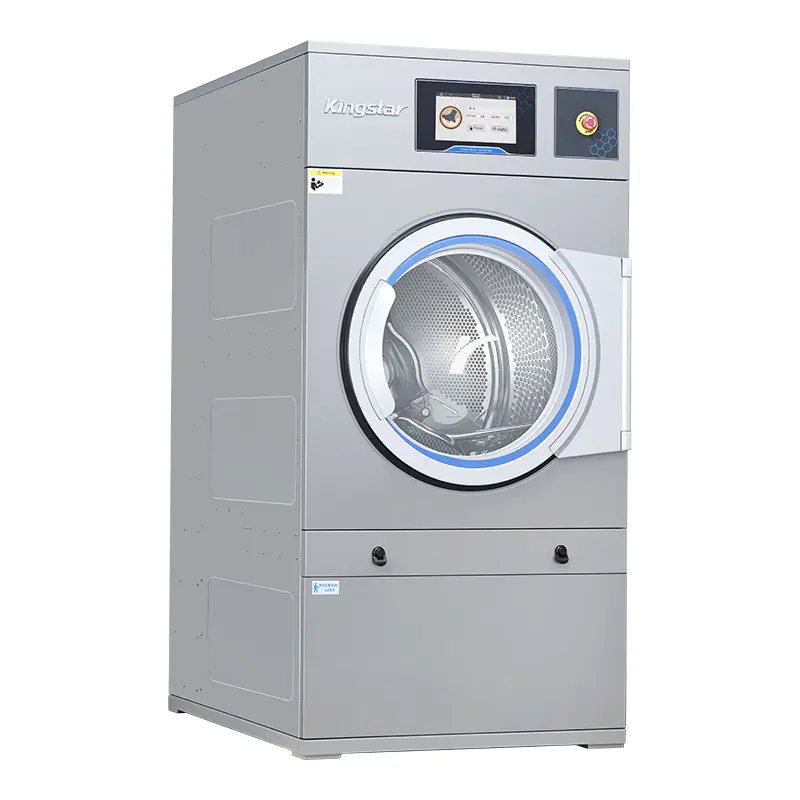
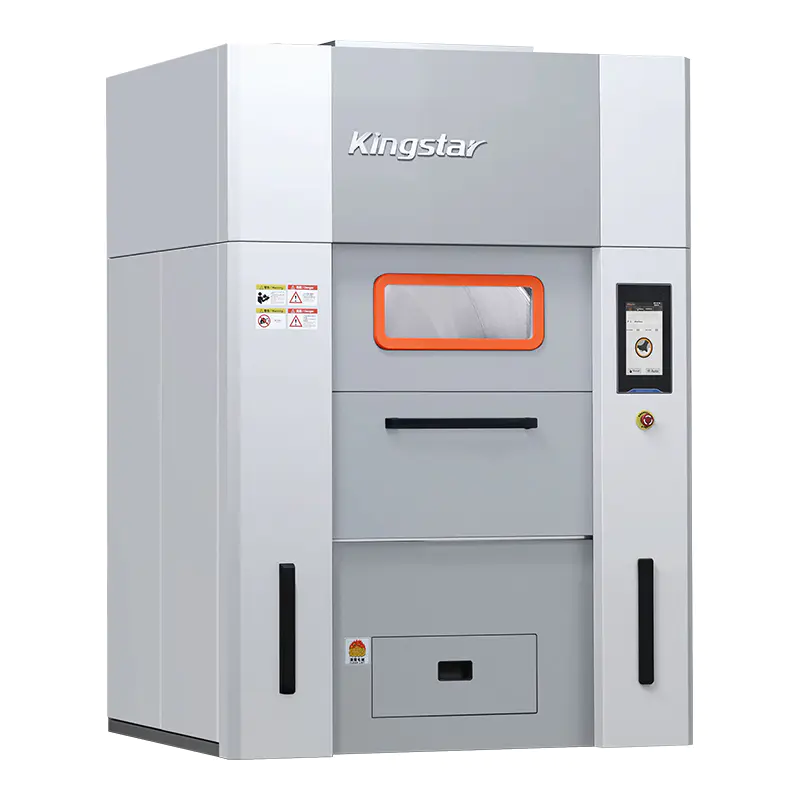
Kingstar wishes to work together with global laundries to establish a new industry ecosystem with fewer complaints, greater efficiency, and enhanced trust by providing innovative industrial washing machines, dryers, and solutions. When every garment is washed within a verifiable, traceable smart system, malicious complaints will naturally reduce, and honest operators will win more survival space.
Q&A
Q1: Do China’s new regulations have practical significance for overseas laundries?
A1: Yes. While it applies to China, the regulation reflects a global trend of “balancing consumer and operator rights”. Countries like the U.S. are also perfecting similar mechanisms. The new rules tell laundries worldwide that establishing verifiable service processes is essential for addressing all types of complaints.
Q2: Is it necessary for small laundries to invest in smart equipment?
A2: Yes. Malicious complaints often target small laundries, which have difficulty in collecting evidence. Investing in a Kingstar smart washing machine can recover costs within 1-2 years by reducing compensation payouts and improving customer trust. The “data evidence package” of the equipment can also lower legal risks.
Q3: Except for equipment, what else should laundries prepare?
A3: We recommend a dual approach of “technology & management”:
(1) Equipment: Choose data-traceable smart machines
(2) Process: Make and publicize standard operating procedures
(3) Law: Understand the local definition of “malicious complaints” and save the washing data
(4) Communication: Actively demonstrate equipment abilities to clients and build a transparent relationship.
ADD:No.388 Xinggang Road, Chongchuan District, Nantong City, 226000, Jiangsu Province, China.
-
Phone: +86-13917089379
-
Tel:+86-13917089379
-
Fax:+86-0513-85663366
-
E-mail:[email protected]
products