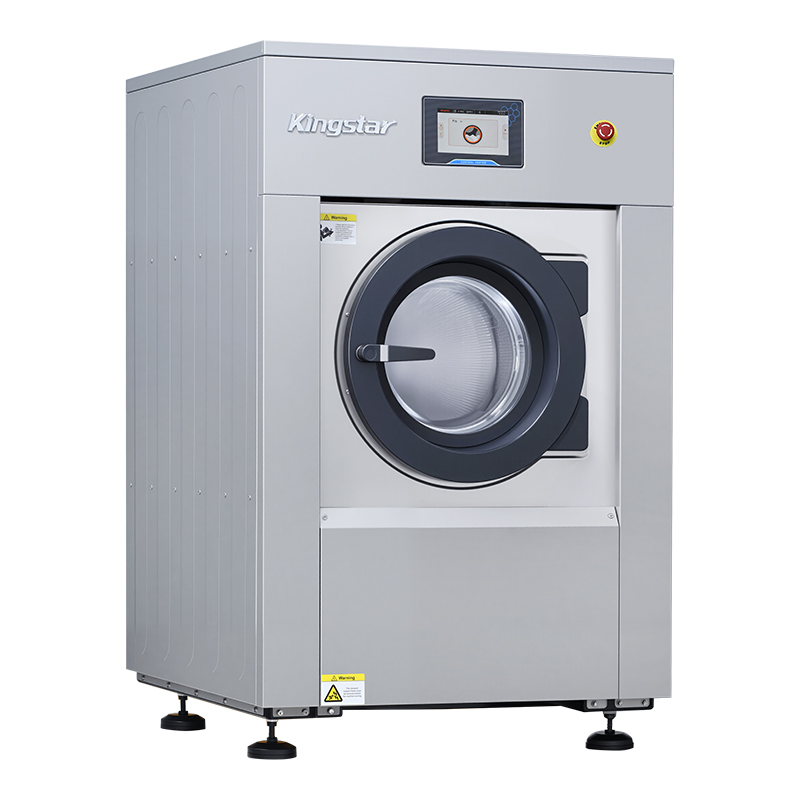
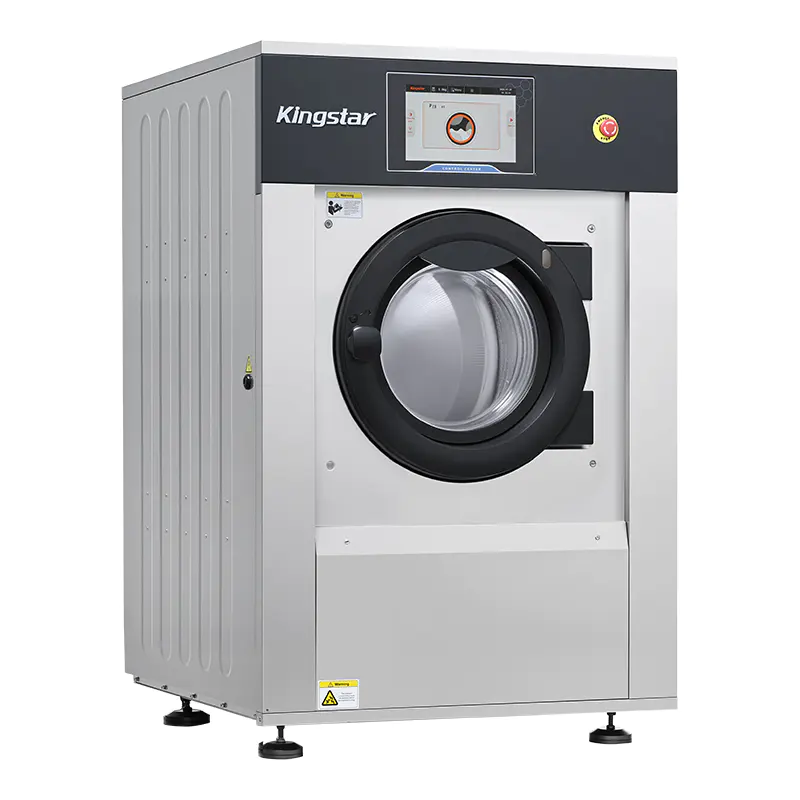
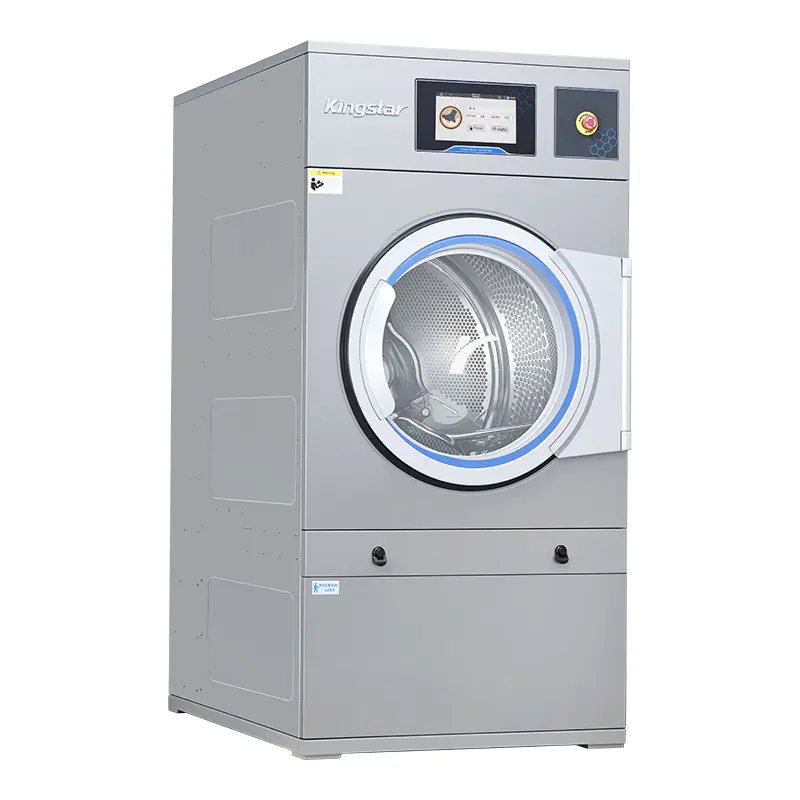
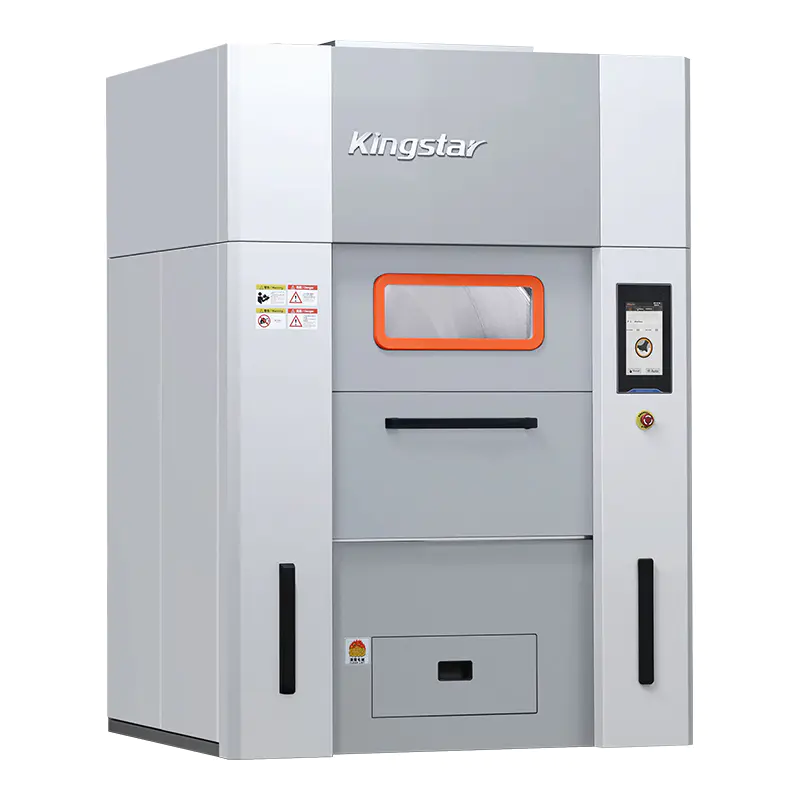
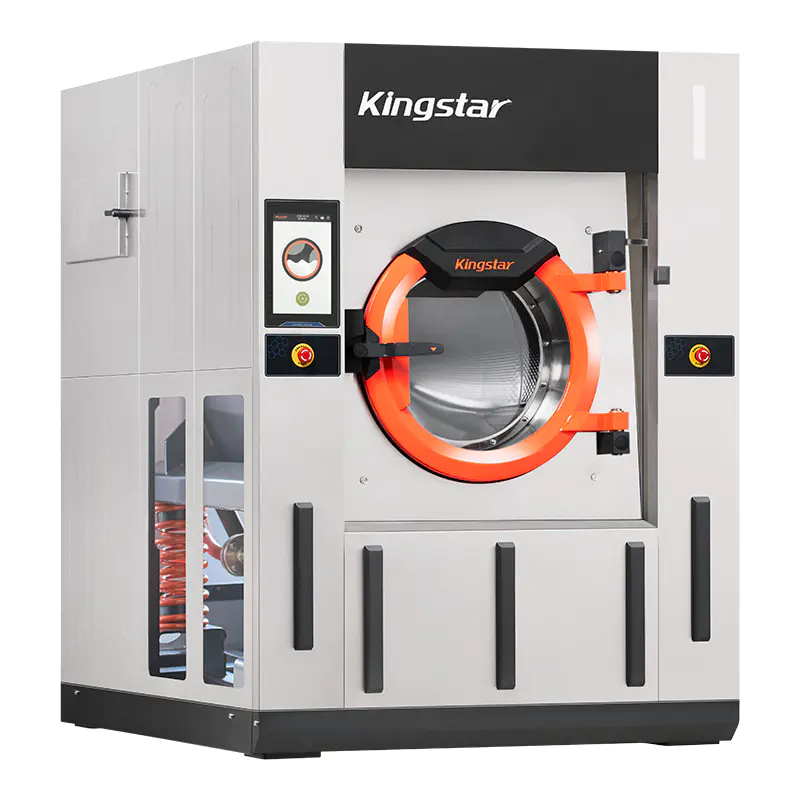
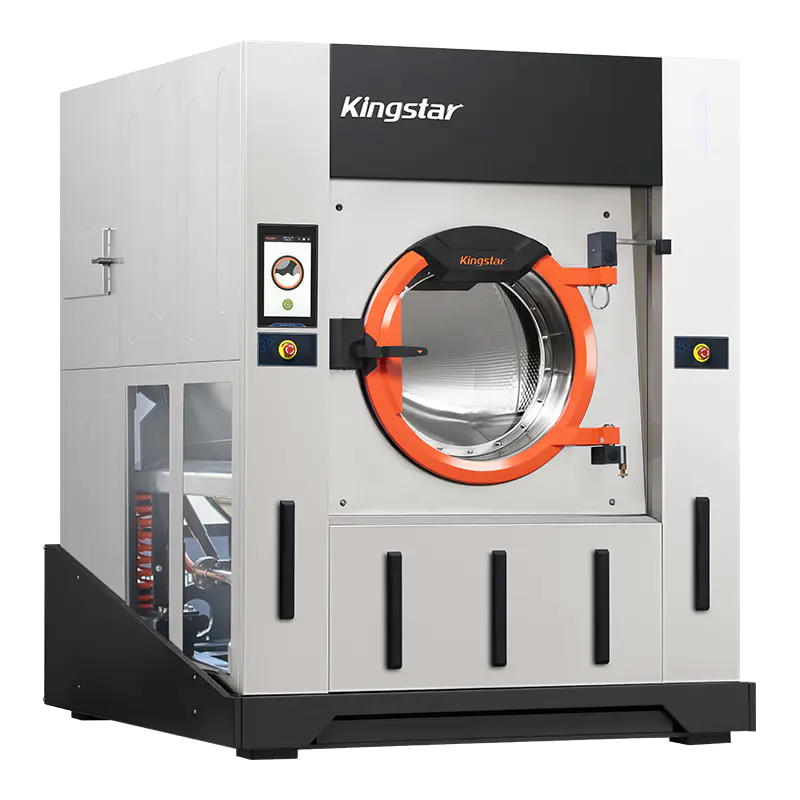
The structural design of a commercial washer extractor differs considerably from that of a household washing machine, as the washing machine commercial grade models are engineered for repeated operation, higher workloads, and heavy-duty use. A regular washing machine is typically designed for lighter cycles, residential environments, and occasional usage throughout the week. In contrast, a washing machine commercial is built with reinforced frames, durable bearings, and industrial components that allow continuous operation without excessive wear. The construction materials used in commercial washer extractor units are selected to withstand exposure to moisture, vibration, and detergents over long periods. These structural distinctions play an influential role in determining durability, performance level, and suitability for different operational environments.
Capacity is one of the most prominent differences between a commercial washer extractor and a regular washing machine. Household models often come with moderate drum volumes that can accommodate daily laundry loads for a family. Industrial environments, including laundromats, hotels, and healthcare facilities, require consistent handling of large volumes. A commercial washer dryer for laundromat users typically includes a washer extractor capable of processing sizable loads while maintaining stable drum movement and balanced water extraction. The enhanced load-handling capacity supports higher throughput, making commercial systems suitable for facilities with frequent turnover of linens, uniforms, and textiles. In addition, the mechanical components inside commercial systems are tuned to manage the additional weight without compromising operational stability.
Cycle efficiency is another meaningful distinction between commercial and regular washing equipment. A commercial washer extractor offers higher extraction speeds, allowing more water removal through advanced centrifugal force. This function reduces drying times, which is particularly beneficial when paired with a commercial washer dryer for laundromat operations. By contrast, a regular washing machine has lower extraction strength, meaning clothes retain more moisture at the end of a wash cycle. Commercial units rely on specialized drive motors and reinforced drum assemblies to maintain consistent extraction performance across multiple cycles each day. These machines support a wide range of cycle adjustments that help users control water temperature, agitation strength, and extraction power for different textile categories.
The control system found in a washing machine commercial grade model is generally more comprehensive than that of a household washer. Regular washing machines offer basic programs tailored for common fabrics such as cotton, synthetics, and delicates. In comparison, commercial washer extractor units include advanced digital interfaces with programmable cycles, user-lock functions, and detailed performance monitoring. These systems allow operators to track cycle counts, detect mechanical issues early, and adjust parameters to improve washing results. This functionality is particularly practical in professional environments where multiple users operate the same machine throughout the day. The enhanced interface design improves consistency across batches and minimizes operational errors.
Commercial machines are designed to manage frequent cycles while optimizing energy use. Although they may consume more water and electricity per load compared with household washers, their higher capacity results in lower consumption per kilogram of laundry. This efficiency balance makes commercial washer extractor models beneficial for businesses that prioritize consistent throughput. Regular washing machines use less water per cycle but require more cycles to achieve the same volume of cleaning. Many modern commercial machines incorporate intelligent water-level control, high-speed extraction, and refined heating elements to improve resource utilization. These adjustments support long-term cost stability in laundromat or hospitality settings.
Durability plays a defining role in the comparison between the two machine types. A regular washing machine might provide a functional lifespan suitable for typical household usage patterns. However, continuous heavy-duty operation can accelerate wear. A washing machine commercial model undergoes engineering evaluations to ensure that components can withstand thousands of intensive cycles per year. From drum design to motor capability, every element is selected to maintain performance under demanding conditions. As a result, commercial washer extractor units commonly achieve longer operational lifespans and require fewer replacements in industrial environments, making them a practical choice for long-term service.
While both categories require maintenance, the level and frequency vary. Regular washing machines have simplified components and accessible parts that homeowners can often troubleshoot. In contrast, a commercial washer extractor contains complex mechanical and electronic modules that are intended to be serviced by trained technicians. Many commercial models incorporate modular designs that allow fast access to pumps, motors, and control circuits. This structure reduces downtime for laundromat operations and supports consistent service availability. Maintenance schedules are typically more structured for commercial systems due to their continuous duty cycles, allowing operators to plan preventive care efficiently.
The initial investment for a commercial washer dryer for laundromat use is higher than that for a residential machine. However, cost evaluation in professional environments extends beyond the purchase price. Businesses consider cycle efficiency, throughput per hour, maintenance intervals, and overall service life. The table below highlights several important cost-related factors in comparing regular and commercial-grade equipment. Over time, a washing machine commercial grade model delivers a stable cost-performance ratio because it is built to handle intensive workflows, while residential machines may require more frequent replacement when used in similar conditions.
| Category | Regular Washing Machine | Commercial Washer Extractor |
|---|---|---|
| Initial Cost | Low | High |
| Cycle Throughput | Moderate | High |
| Maintenance Frequency | Occasional | Scheduled and frequent |
| Expected Lifespan | Shorter under heavy use | Long for industrial use |
Noise and vibration control varies significantly between commercial and household washers. Regular washing machines rely on basic suspension systems that reduce vibration during spinning. Commercial washer extractor units integrate enhanced stabilization components to support high-speed extraction, which requires stronger structural reinforcement. The machine frame, motor mounts, and vibration-damping systems are designed to limit movement and noise during continuous operation. This stability allows installation in laundromats and multi-unit residential buildings where machine vibration must be carefully controlled to prevent disturbance or equipment damage.
The intended environment is one of the most influential factors when selecting between the two machine types. A regular washing machine suits households with moderate cleaning needs. Meanwhile, businesses handling large fabric volumes rely on a washing machine commercial grade model due to its capability to maintain consistent performance. Applications for commercial washer extractor systems include laundromats, hotels, uniform services, gyms, and care facilities where high hygiene standards and stable throughput are required. This environmental distinction highlights why regular household machines cannot meet the operational demands of industrial users over long durations.
Commercial washers often come with extensive program customization options. Operators can modify cycle duration, extraction intensity, heating levels, and water volume to match textile requirements. This flexibility enhances cleaning consistency in environments with varied fabric types, such as hotels or hospitals. Regular washing machines offer preset cycles that meet general consumer needs but do not offer the customization depth found in commercial washer extractor equipment. This difference allows professional operators to achieve more predictable cleaning outcomes, especially when processing large quantities of fabrics with different care requirements.
ADD:No.388 Xinggang Road, Chongchuan District, Nantong City, 226000, Jiangsu Province, China.
Phone: +86-13917089379
Tel:+86-13917089379
Fax:+86-0513-85663366
E-mail:[email protected]
Cookies give you a personalized experience,Сookie files help us to enhance your experience using our website, simplify navigation, keep our website safe and assist in our marketing efforts. By clicking "Accept", you agree to the storing of cookies on your device for these purposes. Click "Adjust" to adjust your cookie preferences.For more information, review our Cookies Policy.