英语
英语 俄语
俄语 西班牙语
西班牙语 德语
德语
Complete Scientific Oil Stain Removal Guide for Laundries
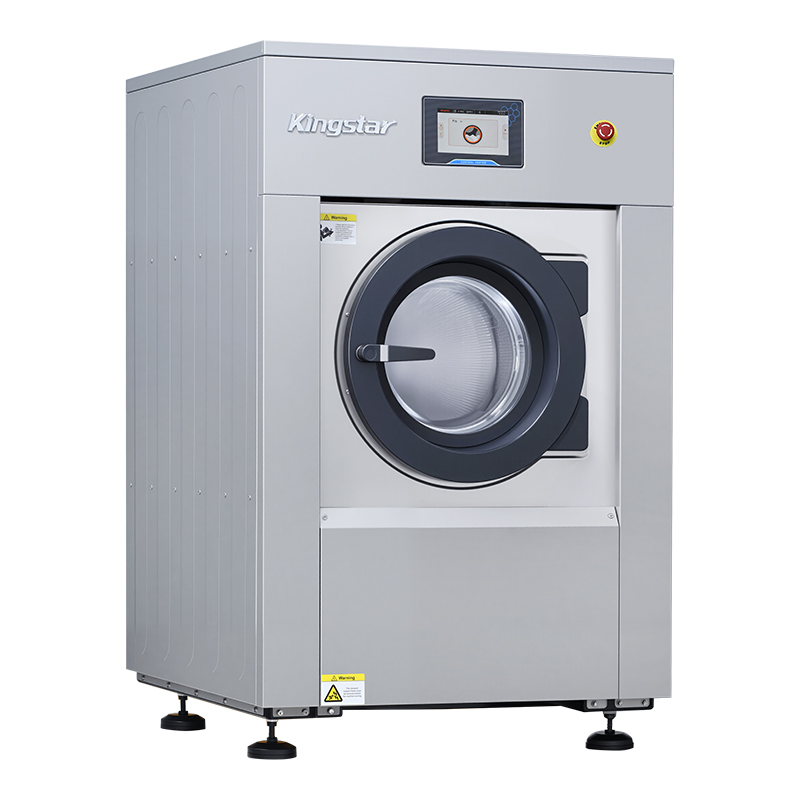
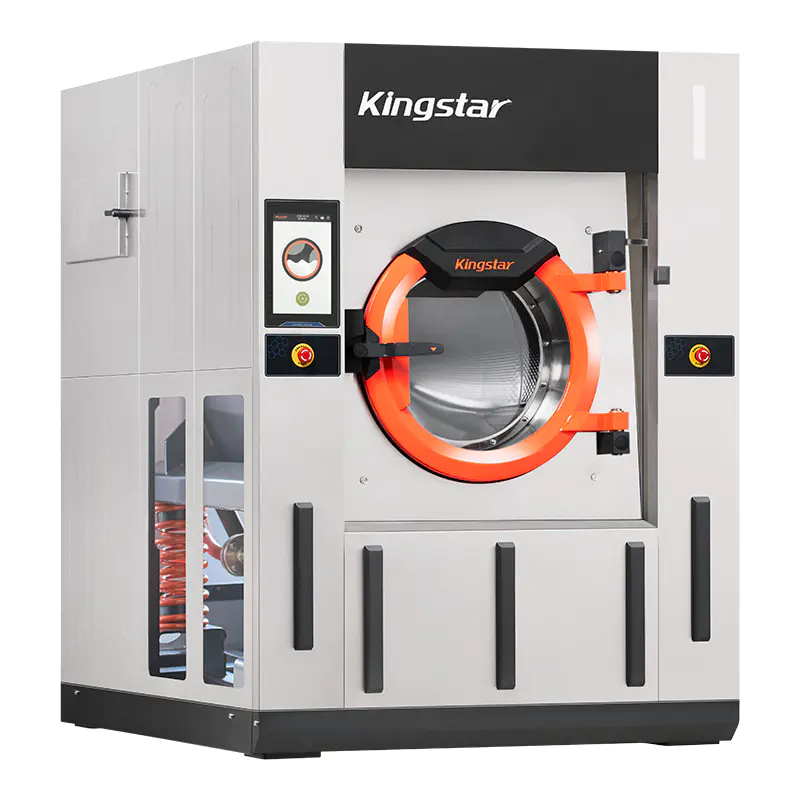
For laundry shops, oil stains are the stubborn stains that are often found in the daily washing and care. From dining table grease and kitchen splatters to motor oil stains, oil stains cannot be completely removed by water washing because of the characteristic that oil and water are incompatible. Mastering the scientific principles and practical techniques of oil stain removal, and using Kingstar professional laundry equipment (SHS-2025P), helps laundries improve the efficiency and effectiveness of stain removal.
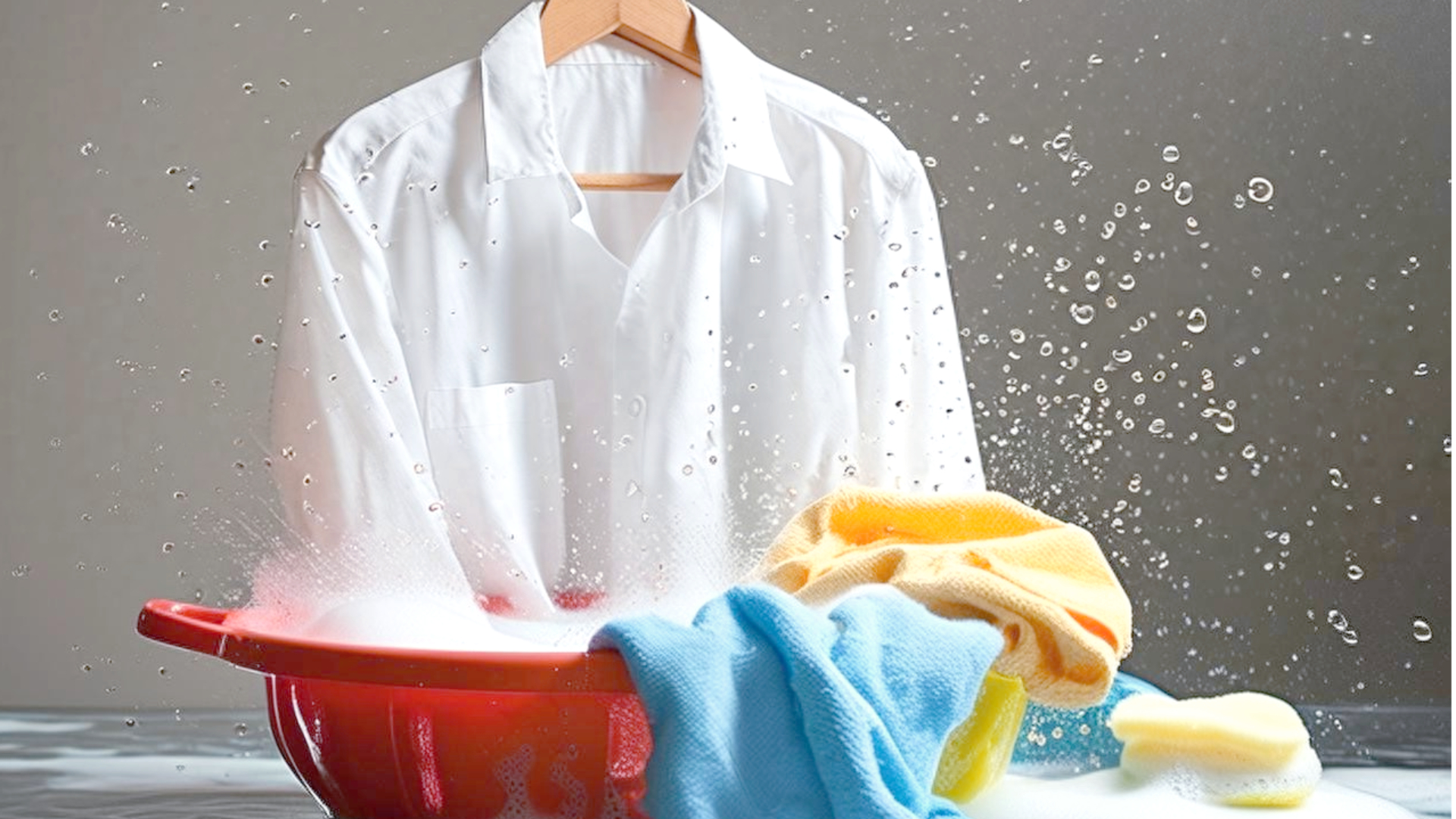
Four Core Stain Removal Principles
Only after knowing the scientific principles of oil stain removal can the laundry shops choose stain removal solutions precisely according to the types of oil stains and the materials of clothes. This avoids blind operation that may damage the fabric.
● Like dissolves like
- Core principle:
Based on the “similar polarity” rule, non-polar solvents can dissolve non-polar oils and greases. This is an oil-based attack that uses oil to remove oil.
- Typical applications:
Alcohol, gasoline, and specialized oil-removing sprays (e.g., collar cleaner). Perchloroethylene and hydrocarbon solvents commonly used in laundries, which operate on this principle, can also be suitable for treating oil stains on dry-clean-only clothes.
- Applicable scenarios:
Stubborn oil-based stains such as lipstick marks, motor oil, and ballpoint pen ink.
- Key operation tips:
Before use, test the solvent on an inconspicuous area to check for any harmful effects on the fabric and color.
● Saponification Reaction
- Core principle:
Oils react with alkali to form water-soluble soaps. This is a chemical transformation of oil stains.
- Typical applications:
Traditional soap, washing powder (with sodium carbonate).
- Applicable scenarios:
Animal and vegetable oil stains. (cooking oil, butter, gravy...)
- Precautions:
Alkaline substances easily damage protein fibers like silk and wool, so this method should be avoided on such fabrics. Using the “Delicate Fabric Mode” of Kingstar washing machines and neutral detergents can gently remove stains.
● Emulsification
- Core principle:
Emulsifiers have one lipophilic end and one hydrophilic end. They can wrap oil droplets to form stable emulsions and disperse them in water without reattaching to clothes.
- Typical applications:
Many detergents and dish soaps have emulsifiers.
- Applicable scenarios:
Almost all oil stains.
It is the top method for daily oil stain removal in laundries.
● Enzyme Catalysis
- Core principle:
Biological enzymes can precisely accelerate oil decomposition as catalysts. They are suitable for low-temperature environments.
- Typical applications:
Enzyme-added washing powder, detergent, specialized cleaners for baby milk stains...
- Applicable scenarios:
Milk stains, oil stains, and starch-based stains.
- Operational coordination:
It needs enough reaction time. First, soak the oil-stained garments in enzyme-added detergent, then load them into Kingstar washing machines.
The “Low-Temperature Washing & Care” function (30-40℃) maintains enzyme activity. It prevents high temperatures from deactivating the enzymes and improves efficiency.
Three Auxiliary Stain Removal Skills
In addition to the core principles, laundries can also use physical, oxidation, temperature, and other auxiliary means to deal with oil stains in different scenarios.
● Physical Adsorption
It is an emergency treatment for delicate fabrics.
- Operation method:
Fresh oil stains: quickly blot excess oil with kitchen paper.
Old oil stains: apply talcum powder or cornstarch → let it sit for several hours → brush it off.
- Applicable scenarios:
Delicate fabrics. (silk, cashmere...)
Situations where chemical stain removers cannot be used.
● Oxidative Decomposition
It is for stubborn old oil stains.
- Core principle:
Oxidizing agents can damage the stains. The stubborn old stains can be oxidized and decomposed.
- Typical applications:
Sodium percarbonate, hydrogen peroxide...
- Applicable scenarios:
Stubborn old oil stains that have oxidized and turned black.
- Risk control:
Oxidizing agents can bleach. Laundries must do careful testing when treating colored clothes. Use the “Small Load Washing” function of Kingstar washing machine SHS-2025P to do a small-scale test instead of large-area fading first.
● Temperature-Assisted Method
- Operational logic:
Hot water reduces oil viscosity and accelerates oil removal reactions. However, it easily coagulates protein-based stains.
- Applicable scenarios:
Unknown stains must be pre-treated with cold water first.
- Equipment support:
The “Precision Temperature Control” function of Kingstar washing machine SHS-2025P helps adjust water temperature flexibly.
Heat-resistant fabrics: set the temperature to 40-50℃
Unknown stains: use room temperature first
Three Steps for Laundries to Remove Oil Stains
● Step One
Stubborn oil stains (lipstick and motor oil):
Spray a specialized oil-removing spray directly on the stained area → let it sit for a few minutes → the solvent fully dissolves the oil.
● Step Two
Add enzyme-added laundry detergent into water → submerge the pre-treated clothes in for soaking (to facilitate enzymatic catalysis) → start the Kingstar washing machine → select the corresponding fabric mode → emulsification and powerful water flow deeply remove oil stains.
● Step Three
Old oil stains:
An appropriate amount of sodium percarbonate can be added during washing to help the oxidizing agent fully act and improve stain removal effectiveness. After washing, use the “Multi-Stage Rinsing” function to completely remove residues.
Conclusion
Oil stain removal is a scientific strategy instead of a brute battle. Knowing different applicable scenarios and using the different modes of Kingstar washing machines can make laundry shops face all kinds of oil stain challenges confidently. High efficiency and moderate oil stain removal can improve the customers’ satisfaction and the laundry shops’ professional image.
ADD:No.388 Xinggang Road, Chongchuan District, Nantong City, 226000, Jiangsu Province, China.
-
Phone: +86-13917089379
-
Tel:+86-13917089379
-
Fax:+86-0513-85663366
-
E-mail:louislu@kingstarlaundry.com