英语
 俄语
 西班牙语
 德语
Home / News / Industry News / Garment Ironing and Shaping: Principles, Processes, and Wrinkle Reduction Tips

Kingstar is your trusted partner for industrial and commercial laundry equipment. We specialized in the R&D and manufacturing of high-end industrial washers, commercial washers and dryers. Meanwhile, we provide global clients with comprehensive planning, layout workflow design, and software-hardware integration services for smart laundry plants.
Industry News
Nov 26,2026
Garment Ironing and Shaping: Principles, Processes, and Wrinkle Reduction Tips
In laundry shops, ironing is essential for garment finishing. It uses heat, moisture, and mechanical action (pushing, shaping, and stretching). Thus, fabrics are restored to smoothness and crispness. Also, this causes flattened piles and pleats. Ironing is more than about pressing garments. It temporarily relaxes fibers under heat and humid conditions. Thus, fibers are rearranged under external forces. They retain new shapes as they cool.
Basic Principles of Shaping
There are many forces that exist between fiber molecules. When exposed to heat and moisture, fabrics become easier to stretch, compress, and bend. At this time, use an iron, ironing table, or steam equipment. Thus, fibers can move as required. Fabrics retain their shape after cooling. Insufficient cooling causes fibers to recover to their original positions. Shaping results may be inconsistent.
How to Reduce Wrinkles
● Sorting and load size
Garments should be sorted by color, fiber, thickness, and soil levels. The load size is around 70% to 80%. Thus, garments have enough room to tumble. This can reduce tangling and compression wrinkles.
● Wash cycles
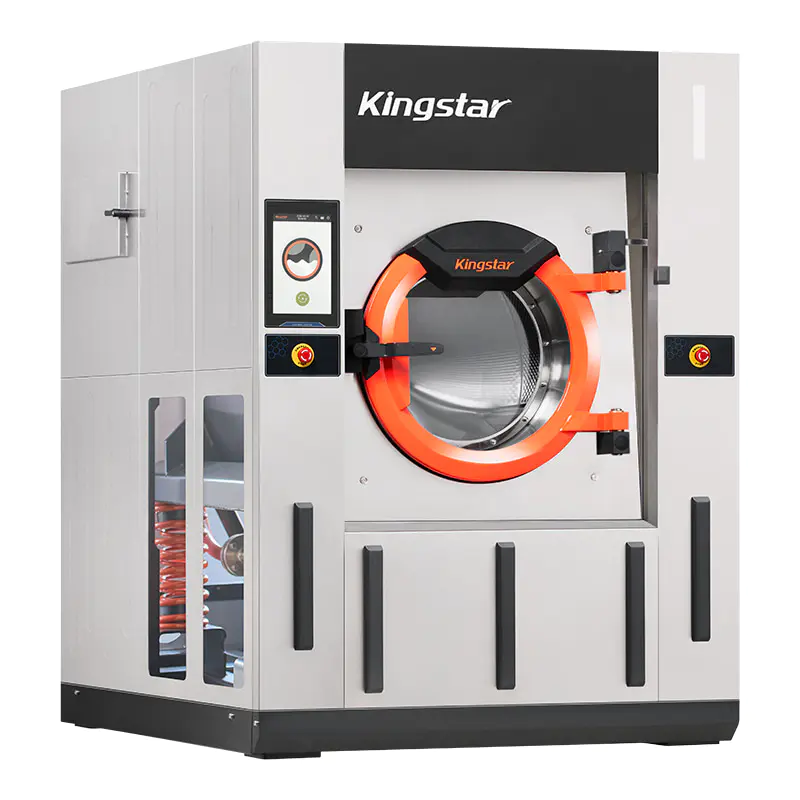
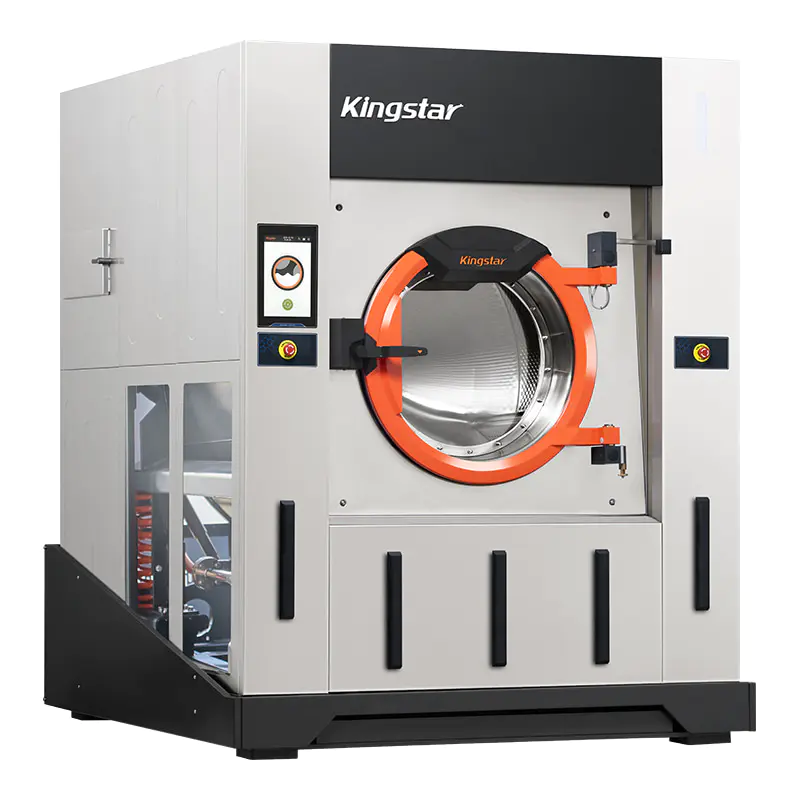
Choose low-foam, neutral, or specialized detergents. For easy-to-wrinkle garments, use a Kingstar wet cleaning machine. Choose a low-speed wash cycle and reduce washing time. If the main wash involves heating, select the “cooling” option in the Kingstar wet cleaning machine’s main wash cycle. This can reduce wrinkles. Use appropriate fabric softeners for rinsing. This makes fibers smooth and reduces the subsequent ironing difficulty.
● Extraction and removal
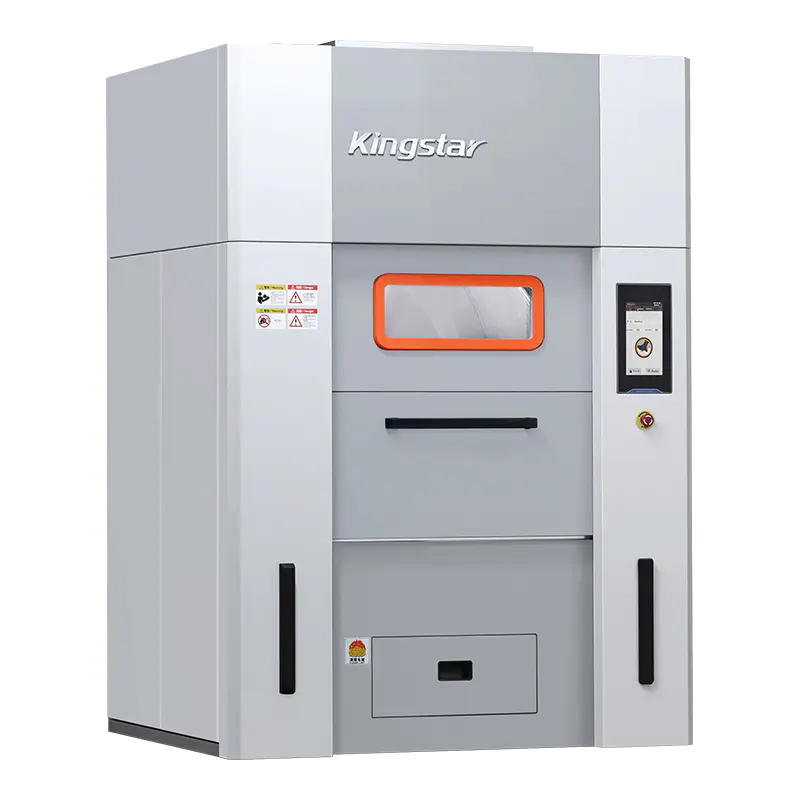
For easy-to-wrinkle fabrics, the extraction speed should not be too high, and the extraction time should not be too long. In a Kingstar wet cleaning machine, there is a garment loosening function. After extraction, the inner drum rotates slowly in alternating directions. This helps loosen garments, as well as reduce tangling and wrinkles. Remove garments promptly after washing. Do not leave them in the machine. Gently shake out the garments and smooth the shoulders, sleeves, and waistbands. Avoid leaving bunching up in the stack.
● Drying and hang drying
Choose a low-temperature drying mode in the Kingstar smart dryer. Kingstar dryer has a large inner drum capacity. Thus, garments have more room to move and fewer wrinkles. The moisture level can be set between 10% and 20%. Maintain an appropriate residual moisture content. Hang garments along the seam lines. Smooth the fabric along the weft direction. Also, use wide-shouldered hangers. Clip the hems and hang trousers upside down. Keep garments in a ventilated area. This can prevent compression.
● Temporary storage
Hang or place the garments flat, waiting to be ironed. Avoid stacking and compression. Wet garments should not be stacked for a long time. This prevents set-in creases.
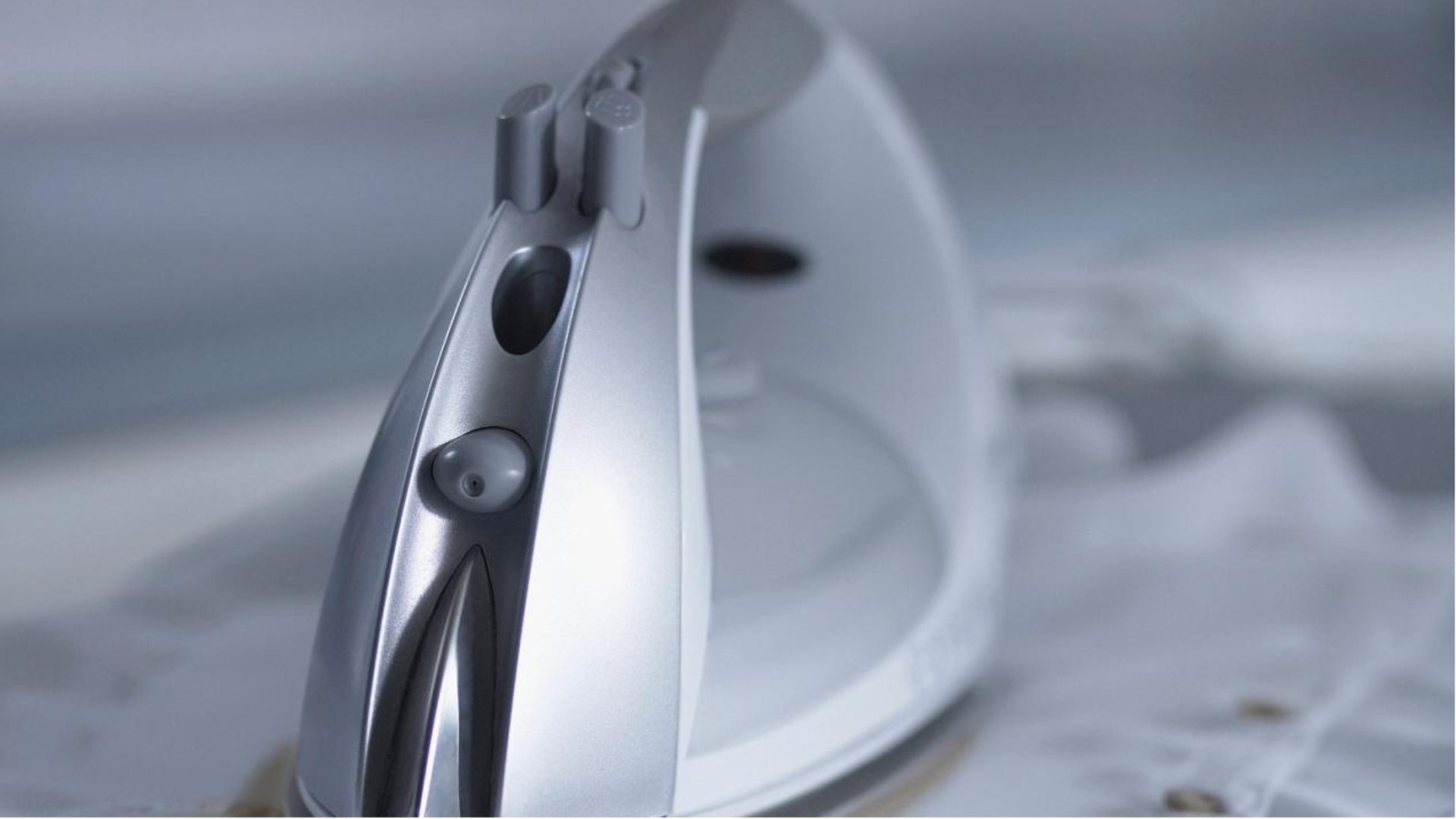
Key Factors Affecting Ironing Results
● Temperature
It is critical for garment shaping. However, without sufficient temperature, moisture is difficult to remove. Also, fibers are less likely to soften. Wrinkles may not be removed. Meanwhile, overheating may cause many issues (melting, scorching, or discoloration). Thick fabrics require higher ironing temperatures. For example, the temperature for textured surfaces is higher compared with velour. Wet ironing temperatures require different temperatures from dry ironing. Reduce temperatures for fabrics prone to discoloration. For blended fabrics, choose the temperature based on the least heat-resistant fibers.
Proper ironing temperatures for fabrics:
|
Fabric Composition |
Direct Ironing (℃) |
Ironing with a Dry Pressing Cloth (℃) |
Ironing with a Damp Pressing Cloth (℃) |
|
Cotton |
175-195 |
195-220 |
220-240 |
|
Linen |
185-205 |
200-220 |
220-250 |
|
Wool |
160-180 |
185-200 |
200-250 |
|
Mulberry Silk |
165-185 |
190-220 |
/ |
|
Tussah Silk |
155-165 |
180-190 |
190-220 |
|
Viscose Fiber |
160-180 |
190-200 |
/ |
|
Polyester Fiber |
150-170 |
180-190 |
200-220 |
|
Nylon |
125-145 |
160-170 |
190-220 |
|
Acrylic |
115-135 |
150-160 |
180-210 |
● Humidity
Fibers with moisture can easily swell and stretch. Also, ironing can become easier. Spray water on lightweight fabrics (cotton, linen, silk, viscose fibers, and synthetic fibers). Also, moisture should be distributed evenly when ironing. Thick wool and woolen fabrics need more moisture. However, do not spray too much water. Also, drying may become harder when the temperature declines. Iron garments with a damp pressing cloth or steam. Steam ironing is convenient and efficient. It is widely used in modern shops.
● Pressure
Lightweight loose-structure fabrics require light pressure. Heavyweight and tightly woven fabrics can withstand greater pressure. Use steam to treat pile fabrics. This can avoid pile flattening. Fabrics prone to ironing shine should be slightly pressed.
● Time
Short ironing time cannot achieve garment shaping. Long ironing times may cause localized garment damage. Move the iron at a steady speed. Iron the same area for three to five seconds. Also, adjust the ironing time based on fabrics and areas. When ironing thick fabrics that have good heat stability and high moisture content, the time should be extended. Lightweight, loose-structure fabrics are suitable for the short ironing time.
● Cooling
Cooling helps fibers stabilize in the new positions. Choose forced-air or natural cooling. Forced-air cooling can remove residual moisture and heat. Also, a cool iron can alternate hot and cold shaping. Garments should be hung in a ventilated area.
Ironing Points for Different Fabrics
● Cotton fabric
Use high-temperature steam ironing. Spray with water. Also, iron with a pressing cloth. Also, iron when garments are partially dry. White, light-colored garments can be ironed on the right side. Dark-colored ones should be ironed from the back. This can prevent ironing shine. Fabrics (corduroy, velveteen, and fleece) should be ironed with a damp pressing cloth or steam. Ironing directions should be even.
● Wool fabric
Use steam or a damp pressing cloth. Iron lightweight wool fabric, venetian fabrics, and serge with a damp pressing cloth. Do not heavily press gabardine, twill wool fabric, and medium-weight fancy suiting on the right side. This can prevent ironing shine. Pile fabrics should be ironed gently with steam. This can prevent flattening. Melton wool and coated fabrics require appropriate pressure and a long ironing time. This achieves proper shaping.
● Linen fabric
Use heat ironing with water spraying or a damp pressing cloth. Spray water evenly. The moisture content is around 20% to 25%. Iron on the right side for shining performance.
● Silk
Use a hot, damp pressing cloth or steam ironing. Also, spray water or iron fabrics when they are partially dry. Iron them on the reverse side. When ironing them on the right side, use a damp pressing cloth. This can reduce fabric discoloration. Satin fabrics are prone to surface abrasion and fuzzing. They need to be ironed on the reverse side. Iron gently and evenly for a short time. Do not spray water on tussah silk. This can prevent water stains.
● Polyester
It can be easily ironed and shaped. Spray water or use a damp pressing cloth. Gently iron lightweight fabrics for shaping. Dark-colored fabrics should be ironed on the reverse side.
● Nylon/Acrylic
Iron fabrics at low temperatures on the reverse side. Overheating can cause common issues (such as fabric shrinkage, tackiness, and discoloration).
● Vinylon
It must be ironed dry. Spraying water or using a damp pressing cloth can cause shrinkage. High temperatures also lead to shrinkage.
● Viscose fiber
Spray fabrics with water or use a steam iron. Lightweight loose-structure fabrics should be ironed on the reverse side with a pressing cloth. Heavyweight or dark-colored fabrics require appropriate pressure. They should be ironed on the right side. This can achieve crispness and prevent ironing shine.
How to Reduce Ironing Difficulty
● Shape while wet
Iron shirtsand cottonor linen garments when they are partially dry. Spray a small amount of water on fabrics. This can smooth out folds. Iron heavyweight wool fabrics with a damp pressing cloth. They can be softened from the inside with moisture.
● Separate treatment
First, iron small sections, linings, and reverse sides. Then iron garments on the right side. Iron along the fiber direction and seam lines. This avoids stretching the fabric crosswise.
● Proper equipment
A vacuum ironing table can hold garments in place. Also, it can remove moisture. Steam garments before pressing with a steam iron or garment steamer. Gently iron pile fabrics. Do not press them heavily.
● Press cloth and light pressing
Iron ark-colored, prone to ironing shine, and satin fabrics with a pressing cloth. Also, iron them on the reverse side and at a steady speed. Do not hold the iron in one spot.
● Cooling after ironing
Use the vacuum function of an ironing table. Also, use a cool iron after ironing. Hang garments for shaping. Avoid folding and storing garments when they remain hot. Otherwise, wrinkles may reappear on garments.
Conclusion
Generally, laundry shops should integrate washing, drying, air-drying, ironing, and cooling. This can reduce garment tangling during washing. After extraction, shake out garments promptly. Also, maintain garment shape during drying and air-drying. Control different parameters (temperatures, moisture, pressure, and time) for different fibers. Finally, thoroughly cool down garments. This can reduce wrinkles. Also, ironing can become easier. Thus, laundry shops can improve garment smoothness and operational efficiency.
Q&A
Q1: Can cold wet washing reduce wrinkles?
A1: Yes. Cold water can remove wrinkles during washing. But this does not rely on cold water alone. Cold water washing can reduce wrinkles caused by heat exposure and fabric shrinkage. However, mechanical action can affect garment smoothness. Also, this can be affected by extraction speed, drying methods, and finishing processes.
Q2: How to set the drying residual moisture level at 10%-20% before air-drying?
A2: The Kingstar dryer has a moisture sensor system. It can customize programs.
Q3: What are the differences among the ironing methods (direct ironing, ironing with a dry pressing cloth, and ironing with a damp pressing cloth)?
A3:
● Direct ironing
It is suitable for heat-resistant, smooth cotton and linen fabrics. Also, it can be used for fabrics that are not prone to ironing shine.
● Ironing with a dry cloth
It is suitable for most fabrics. This is relatively safe. It can be used for many delicate, easy-to-damage, dark-colored, and synthetic fabrics.
● Ironing with a damp cloth
It is suitable for heavyweight and easy-to-wrinkle cotton, linen, and wool fabrics. Also, it can be used for fabrics that require steam shaping. It is not suitable for silk, viscose fabrics, and leather goods.
ADD:No.388 Xinggang Road, Chongchuan District, Nantong City, 226000, Jiangsu Province, China.
-
Fax:+86-0513-85663366
-
E-mail:louislu@kingstarlaundry.com
products