英语
英语 俄语
俄语 西班牙语
西班牙语 德语
德语
Home / News / Industry News / How do Laundries Properly Wash Flannel: The Elegant Gentleman of Fabrics

Kingstar is your trusted partner for industrial and commercial laundry equipment. We specialized in the R&D and manufacturing of high-end industrial washers, commercial washers and dryers. Meanwhile, we provide global clients with comprehensive planning, layout workflow design, and software-hardware integration services for smart laundry plants.
Industry News
Mar 09,2026
How do Laundries Properly Wash Flannel: The Elegant Gentleman of Fabrics
In the flow of fashion and classics, flannel, with its unique warm touch, outstanding thermal insulation performance, and timeless style, has always occupied a key position in wardrobes ranging from top gentleman’s wear to daily casual wear. For professional laundries, flannel products (classic checked suits, retro casual shirts, or high-quality home textile items) all represent business with high average transaction values and high service requirements. Rightly treating this kind of fabric is not only the showcase of technology but also the key to establishing professional trust and locking in high-end customers.
Kingstar is well aware that the essence of fabric care lies in understanding its soul. The charm of flannel is from its unique surface fluff, and this layer of fluff is precisely the core challenge in washing and care. We, Kingstar, believe that true professionalism begins with a profound insight into material science and is achieved through precise control of process parameters.
This article will delve into the characteristics of flannel and share how to protect this unique softness and warmth with professional care solutions.
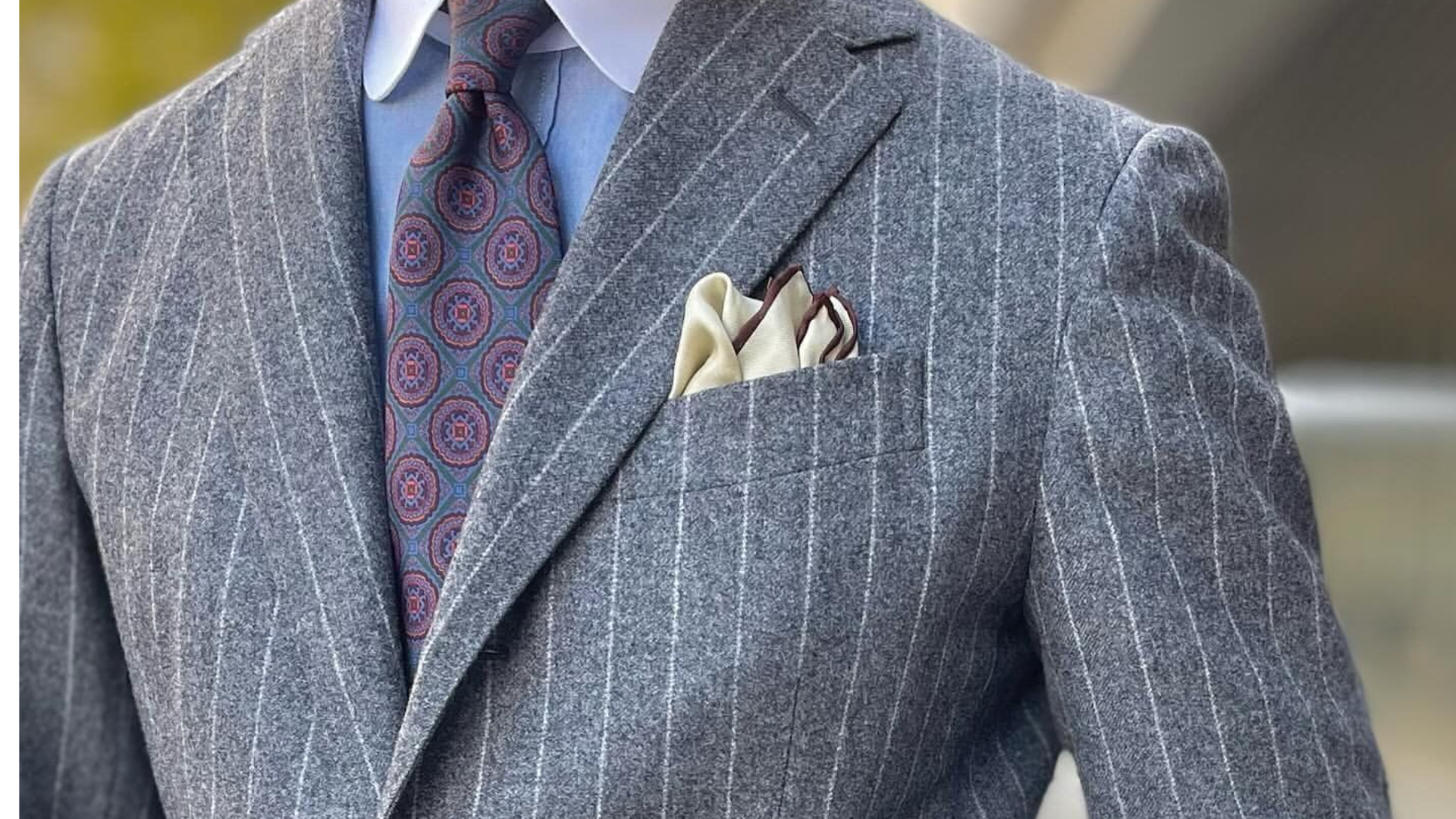
Understanding Flannel
● Essence and origin
Flannel is not a single fabric name, but a fabric finish that creates a fine layer of soft nap on the surface through napping or brushing. Its traditional raw material is mainly wool, which aims to lock in stationary air via the nap to deliver outstanding heat retention and insulation.
From Churchill’s wartime uniforms to the iconic grunge style of Nirvana, flannel carries cultural significance across social classes.
● Core structure, washing, and care challenge
The quality core of flannel is the uniform, rich, and firmly adhered fluff. Improper washing treatment easily causes:
- Nap wear or flattening
It will lose its signature soft texture and full appearance.
- Stiffening and shrinkage
Felting of wool fibers will form due to inappropriate heat, moisture, and mechanical action.
- Faded colors and patterns
Especially for heathered or plaid fabrics dyed in fiber form, rough handling destroys their color depth and layers.
Therefore, the care principles for flannel can be summarized as: gentle mechanical action, strict temperature control, and avoidance of excessive friction.
Key Points of Professional Washing and Care for Flannel
On the basis of flannel’s structure and characteristics, professional washing and care must obey the following golden rules.
● Classification and Pre-treatment
- Clear marks
First, laundry shops should distinguish whether it is a wool flannel suit (professional dry cleaning is recommended) or a cotton or blended flannel shirt/home wear (can be washed carefully).
- Focus on stain removal
Staff should use a neutral stain remover for targeted pre-treatment to remove local stains and prevent the stains from expanding during washing. Bleach should not be used blindly.
● Washing process control
- Washing method
Professional dry cleaning is better for high-end wool flannel suits. Washable flannel products must be water-washed gently or washed by hand.
- Water temperature control
Cold water or low-temperature water (lower than 30℃) should be used. High temperature is the main culprit for shrinkage, deformation, and clumping of the wool.
- Selection of cleaning agents
Neutral detergents or special detergents for wool must be used. Alkaline detergents damage the protein fibers of the wool and cause the fabric to become hard and lose its color.
- Mechanical forces control
During the washing process, vigorous stirring and twisting should be avoided. When machine washing, a large enough washing space (low loading capacity) should be used to reduce friction.
● Dehydration and drying
- Dehydration
If spin dry is needed, the speed should be low and the time should be short.
Also, flannel should be wrapped with a clean white cloth or laundry bag to protect villi.
- Drying
The clothes should be put on a towel and straightened back to their original shape. They should be dried in a cool place.
● Finishing
After drying, if ironing is needed, a cloth should be placed on the inside of the fabric. Staff should use the low temperature setting of the steam iron to iron it to restore smoothness and activate the pile. Direct high-temperature pressing will kill the down, cause spots just like a mirror, and destroy the texture.
Kingstar Professional Solutions
Kingstar’s brand philosophy, “Precision Care, Efficiency Innovation”, is fully reflected when dealing with fine fabrics like flannel. We know that what laundries need is not only a machine that can clean thoroughly, but also a solution that can safely and perfectly handle precious clothes.
● Precise water control system
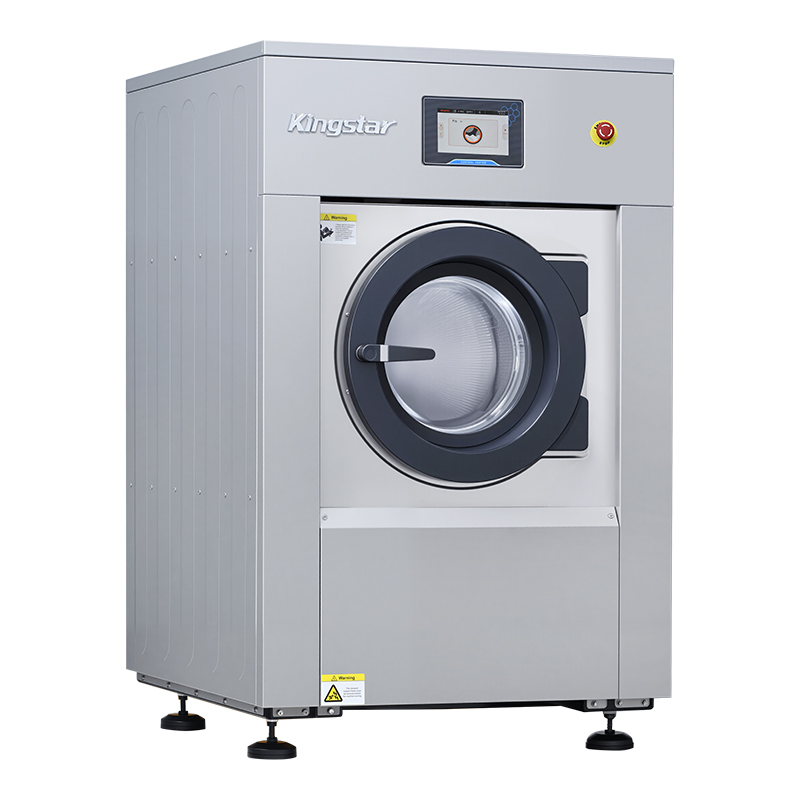
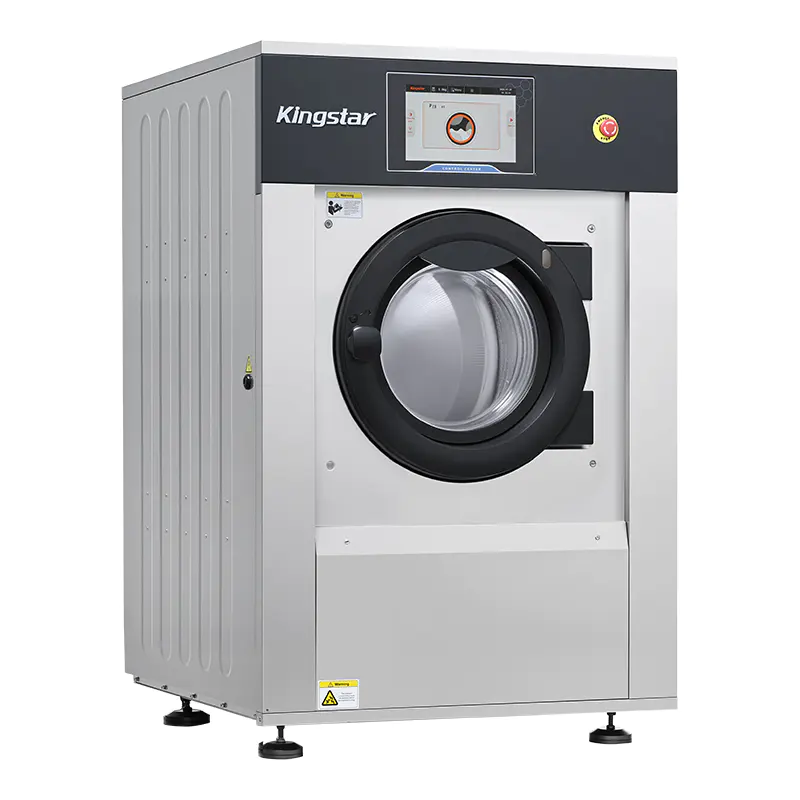
The temperature control system of the Kingstar washer extractor can be accurate ±1℃, so the entire washing process is stable. This protects wool and flannel from heat damage, keeping colors and texture nice.
● Programmable diverse washing programs
The preset “Fine Fabric”, “Wool”, or “Hand Wash Simulation” programs of the equipment automatically match extremely low rotational speeds, specific lift and drop ratios, and gentle water flow. This simulates the care feeling of hand washing as much as possible and effectively avoids the wear of surface fluff caused by intense mechanical force.
● Gentle dehydration options
For the dehydration process, multiple adjustable low-speed dehydration options are provided. The operator can choose the mildest dehydration method based on the value of the clothing and the condition of the fabric. It can achieve the best balance between removing excess moisture and protecting the fabric structure.
By transforming complex care experiences into parameters that can be precisely executed by the equipment, Kingstar enables laundries to turn flannel care, a technical job, into a standardized and reliable signature service so that the laundries can establish a solid professional barrier in the high-end market competition.
To Industry Partners
Mastering the scientific washing and care knowledge of the flannel is the first step in upgrading the services. You should actively convey this professionalism to customers.
● Knowledge Marketing
You can share flannel care tips in-store or on social media to build a professional image.
● Visible Service Differentiation
Also, you can offer “Specialized Care for Fine Fabrics” as a dedicated service. (with clear processes for flannel)
● Result Communication
Before and after cleaning, you can show customers the detailed work you do to preserve the shape and protect the soft nap so that you can get a loyal customer who trusts your professionalism for the long term.
Q&A
Q1: A flannel shirt after washing is less soft, and the nap looks flat. Why?
A1: There are two reasons. Hot water or strong detergent damages fibers.
It should be washed in cold water with a mild detergent.
Q2: Any difference between flannel and fleece?
A2: They all have a soft pile, but the materials are different. Traditional flannel is usually a wool or cotton blend. Fleece is polyester.
● Flannel needs cold water and gentle care.
● Fleece is more durable. Also, it can be machine-washed safely. It easily has static, so fabric softener can be used.
They should be washed separately.
Q3: We’re a small to mid-sized laundry. We want to specialize in high-end fabric care. Is flannel carea good start?
A3: Absolutely. Flannel is the perfect test for a laundry’s attention to detail. Doing it well shows you can control temperature, handling, and finishing properly. Here’s what we suggest:
● Train your team on flannel care basics.
● Upgrade key equipment, like washers with precise temperature and gentle cycles.
● Promote your service to clients who care about quality clothing.
Building a reputation for expert flannel care will attract loyal, quality-focused customers and lift your whole business.




ADD:No.388 Xinggang Road, Chongchuan District, Nantong City, 226000, Jiangsu Province, China.
-
Phone: +86-13917089379
-
Tel:+86-13917089379
-
Fax:+86-0513-85663366
-
E-mail:louislu@kingstarlaundry.com
products