英语
英语 俄语
俄语 西班牙语
西班牙语 德语
德语
How to Choose the Right Laundry Detergents for Different Fabrics
In laundry shops, you may find an interesting phenomenon. Some garments still look new after years of wear. But others fade after one season. The difference does not lie in the garments themselves, but in the washing method.
Laundry shops often use three laundry chemicals: laundry powder, liquid laundry detergent, and neutral detergent. However, they are designed for different garment types. No one laundry chemical can fit all garments. This article will introduce these three detergents.
Stain Removal Principles
Surfactants are the core stain removal component of all detergents. Their molecular structure is special: one end is hydrophilic, and the other is lipophilic. The first side can remove stains from garments. The second side can capture the oil inside stains. Stains can be removed through these wetting, emulsifying, and dispersing functions.
This may sound simple. However, detergents differ in their formulations, acidity and alkalinity, and components. They should be used for different fabrics.
Sorting & Stain Removal
This is a necessary step. Otherwise, detergents cannot help remove stains.
- Sorting
- Fabric types
Garments may be suitable for water or dry cleaning.
- Color
Dark and light-colored garments should be sorted. This can reduce color transfer.
- Soil level
Different fabrics require various detergents. They cannot be washed together. Otherwise, garments may remain unclean. Also, they can be damaged.
- Stain removal
This is the second step. It is also a pre-treatment. Special stains (such as oil, blood, and juice stains) require targeted treatment. Identify the stain types, and then choose proper stain removers and methods. Thus, during the main wash, stains can be effectively removed. Otherwise, stubborn stains may remain on garments.
After sorting and stain removal, it’s time to choose detergents.
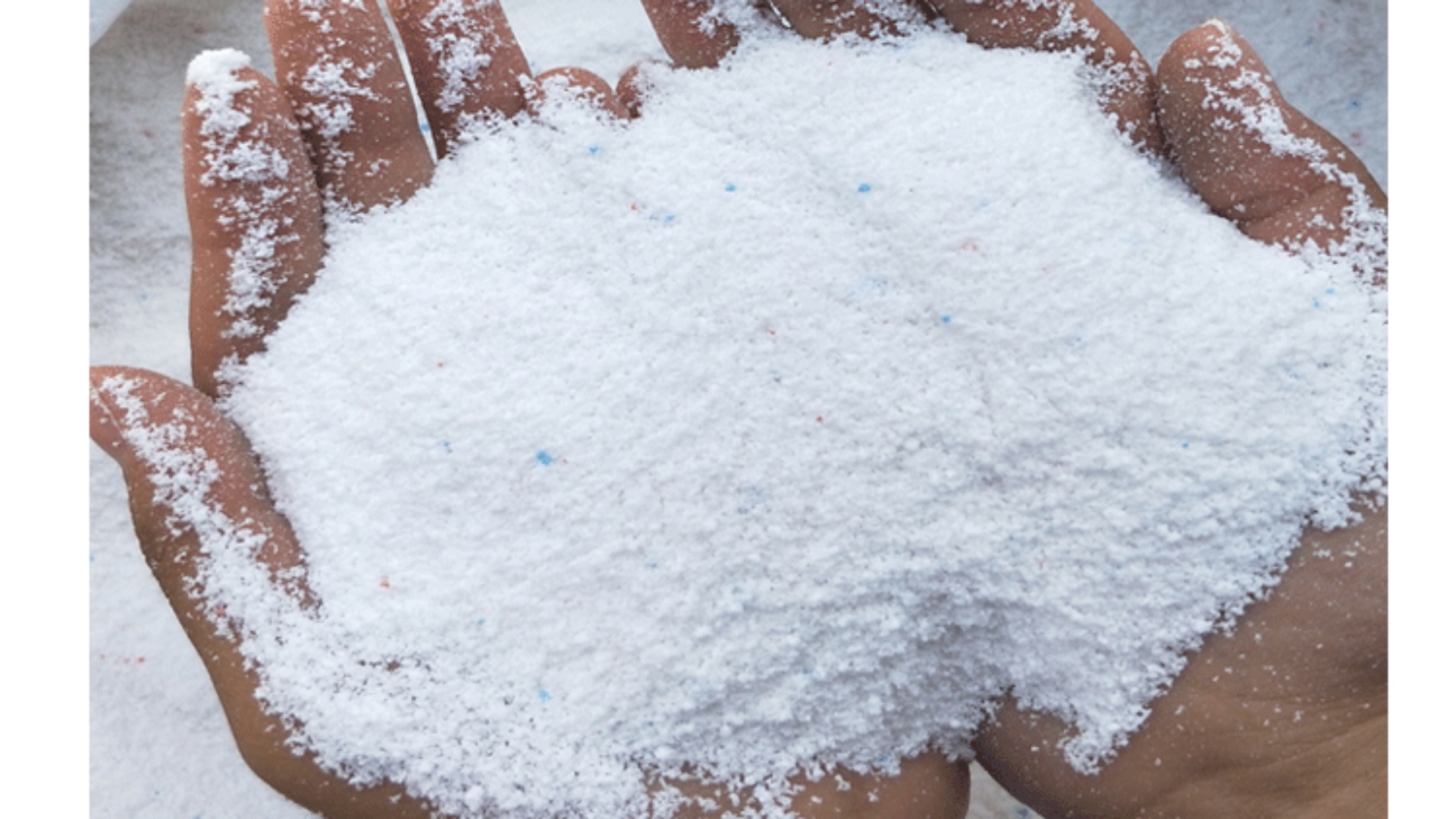
Laundry Powder
This detergent has been used for a long time. It is effective in removing stains. Its key component is anionic surfactants. Also, the laundry powder includes alkaline builders, abrasives, and enzyme additives. Thus, laundry powder has outstanding stain and oil removal performance.
Laundry powder is alkaline. Its pH value is often between 9 and 12. Under this alkaline environment, it can remove heavy oil and sweat stains with abrasives.
Laundry powder is suitable for coats, jeans, down jackets, sofa covers, and curtains. Also, it can be used for durable fabrics, such as cotton, linen, and synthetics. Laundry powder can effectively remove stains from these garments.
However, laundry powder cannot be used for silk and wool. These two fabrics contain protein. Alkaline laundry powder can denature protein. This can damage fiber structures and garment appearance. Especially for enzyme-added laundry powder, the alkaline protease can damage protein fibers, such as wool and silk. Besides, laundry powder is a solid substance. It is not easy to dissolve in water at low temperatures. Also, it can cause residues after washing. Thus, it is not suitable for skin contact and baby garments.
Liquid Laundry Detergent
This detergent may contain nonionic surfactants. Its pH value is close to neutral after dissolving in water. Compared with laundry powder, it can dissolve quickly in cold water. Also, it is easy to rinse. It can reduce chemical residues.
Liquid laundry detergents are skin-friendly. Garments can become softer and fluffier after washing. However, compared with laundry powder, they may be less effective in removing stains.
Liquid laundry detergents are suitable for many items (such as skin-contact garments, textiles, and knitwear). Also, they are safer than laundry powder for fine fabrics (wool and silk) and high-end garments.
Besides, liquid laundry detergents can be divided into common and dedicated types. Special fabrics (wool and silk) require dedicated detergents. This can further reduce garment damage. Also, choose detergents whose pH value is between 4.5 and 8. Use neutral detergents compared with alkaline products.
Neutral Detergent
This detergent is often misunderstood. Many people believe that neutrality means the pH value equals 7. Actually, in the laundry detergent industry, the pH value of neutral detergents is between 6 and 8 under standard conditions (25℃). This range is close to human skin’s mildly acidic environment. It is friendly to skin and garment fibers.
Neutral detergents feature gentleness. They do not damage hands, garments, or color. Thus, they are suitable for most garments, such as silk, wool, cashmere, down, and other delicate fabrics. Also, they can be used on common fabrics (cotton, linen, synthetics, and blend fabrics). Neutral detergents are safe for baby garments and underwear. They are also recommended for outdoor garments (down jackets and windbreakers).
Silk, wool, and down fabrics cannot withstand alkali. Alkaline detergents can damage fibers. Besides, alkaline detergents are not easy to rinse. They often cause chemical residues. Long-term use can accelerate garment yellowing and aging. Neutral detergents can prevent this issue at the source. Their formulations are gentle. They do not damage fibers. Also, they can protect garment color and shape.
Conclusion
In a word, neutral detergents are suitable for expensive, skin-contact, and delicate garments.
Laundry operators can use laundry powder for heavy coats, jeans, curtains, and sofa covers. Liquid laundry detergents are suitable for daily garments. Dedicated neutral detergents should be used for silk, wool, and cashmere as well as skin-contact and baby garments.
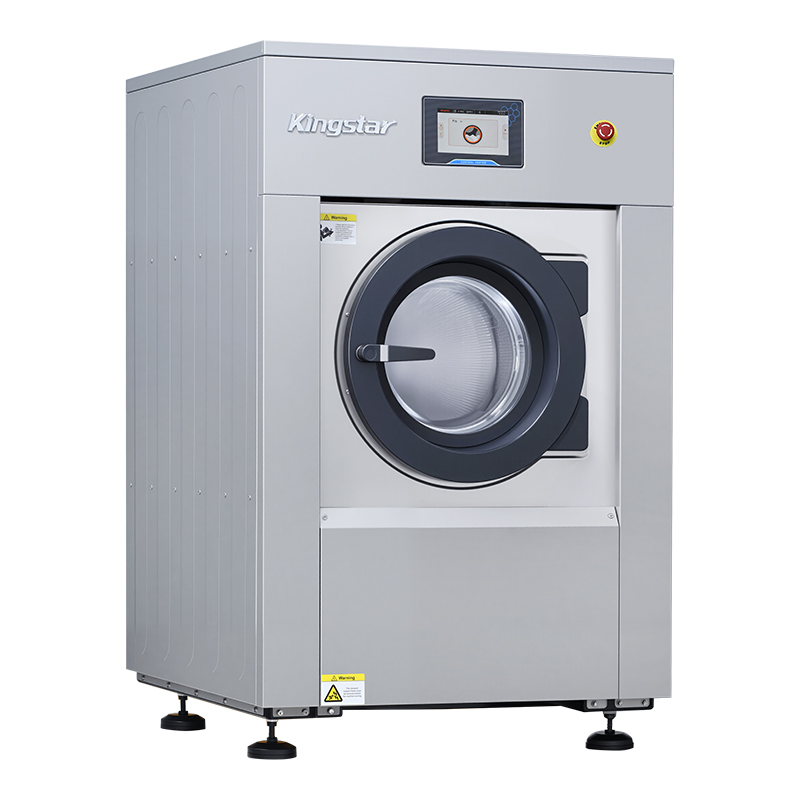
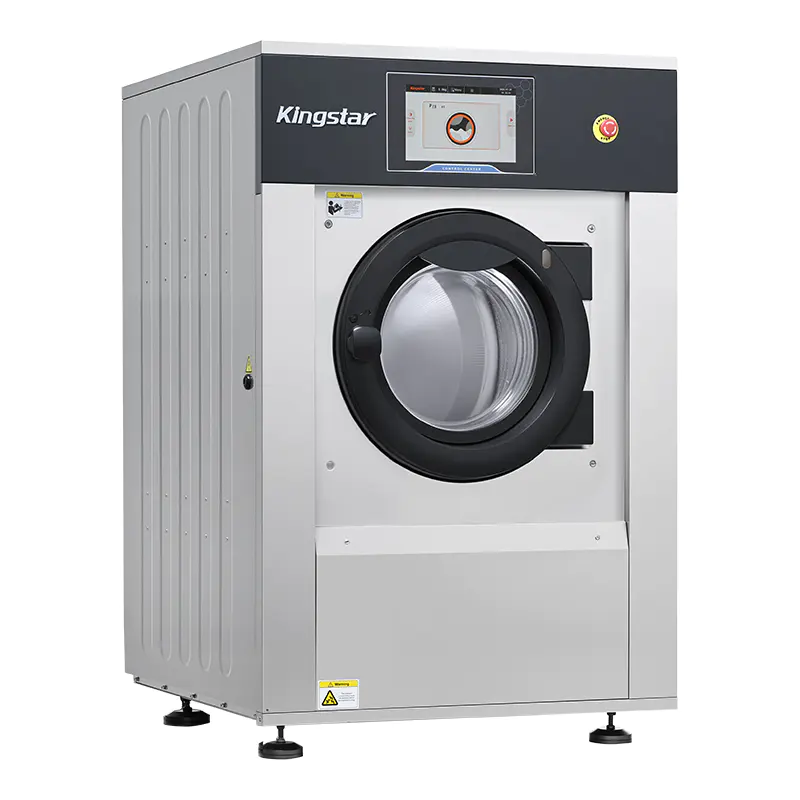
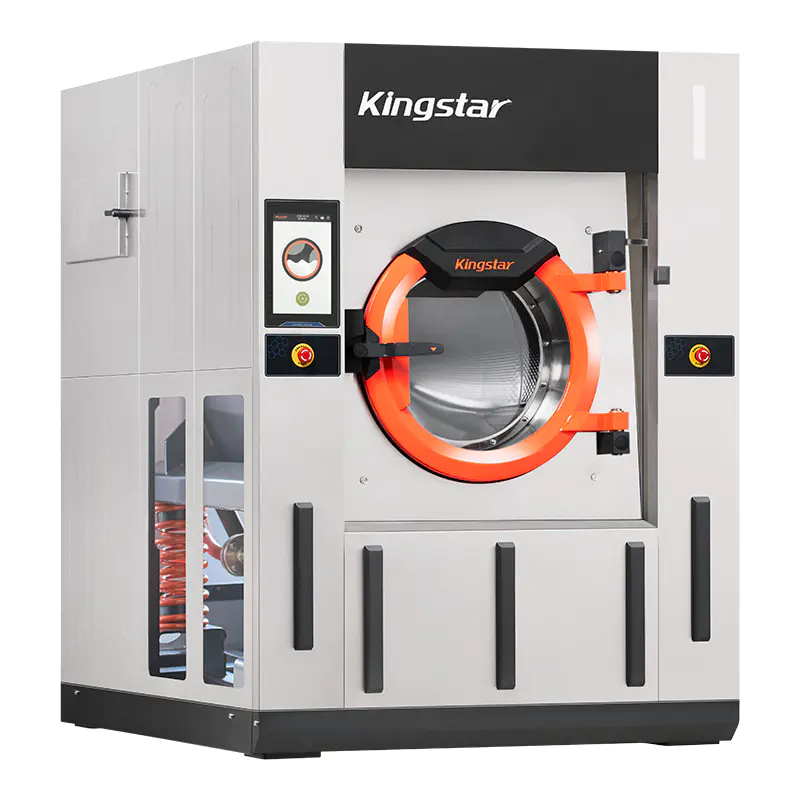
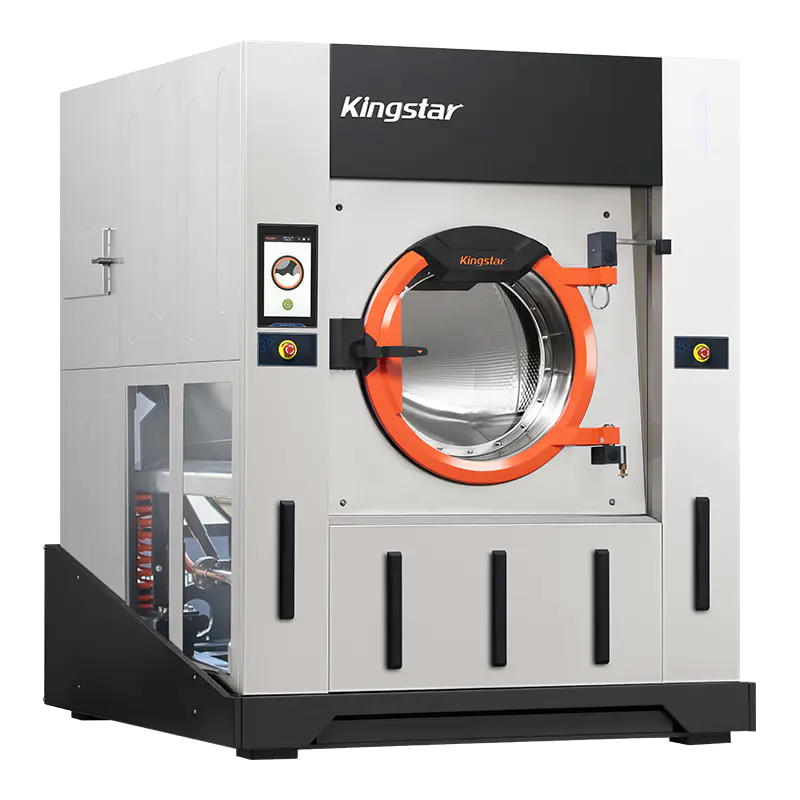
Besides, different chemicals and garments require different temperatures and mechanical action. To achieve refined washing, Kingstar washers can set laundry parameters (water temperature, mechanical action, and rotation-to-pause ratio) based on garment characteristics. For example, for delicate fabrics (natural silk, wool, and coating), set a low temperature (30 ℃) and a low spin speed (15 RPM). With dedicated wet cleaning machines, this can ensure safe washing under mild conditions. Also, this effectively reduces the risk of shrinkage, deformation, and coating damage. It achieves cleaning performance and garment protection.
Some laundry shops plan to achieve automated laundry. They often have difficulty in automatically dosing powder chemicals. Kingstar wet cleaning machine solves this problem via soap cups on top of the machine. Before washing, add laundry powder into the soap cup. Choose the soap cup in the relevant programs. The machine can automatically flush. Powder chemicals enter the inner drum by siphoning. Therefore, laundry powder is completely dissolved before entering the inner drum. This reduces residual chemicals and clumping. Also, this improves laundry evenness and cleaning performance. Meanwhile, there is no need to stop the machine to add laundry powder. The continuous laundry process achieves overall automation. Liquid chemicals can be dosed by automatic dispensers. Precise dosage further reduces manual handling and mistakes.
Kingstar wet cleaning machines combine adjustable parameters, automated laundry powder dosing, and automated liquid chemical dosing. They provide mild and safe laundry solutions for natural silk, wool, and coating. They also meet laundry requirements for automated, standardized, and efficient operations. Thus, laundry relying on workers’ experience is shifted to programmable, data-driven, and refined management. This protects garments while improving efficiency and stabilizing quality. It provides more complete and reliable solutions for automated laundry.
Laundry operators should understand garment fabrics. Also, they should know laundry detergent characteristics. Correct use can achieve efficient washing and save costs.
Q&A
Q1: Should laundry additives be dissolved before dosing into the inner drum?
A1: Yes. Kingstar wet cleaning machines have powder soap cups on the top of the machine. Laundry additives can be dosed into the inner drum by dissolving and siphoning. This can prevent localized excessive chemical concentration.
Q2: Should down jackets be neutralized after washing with laundry powder?
A2: Yes. Otherwise, this can cause alkaline residues on dark down jackets. This can cause watermarks and whitish residues.
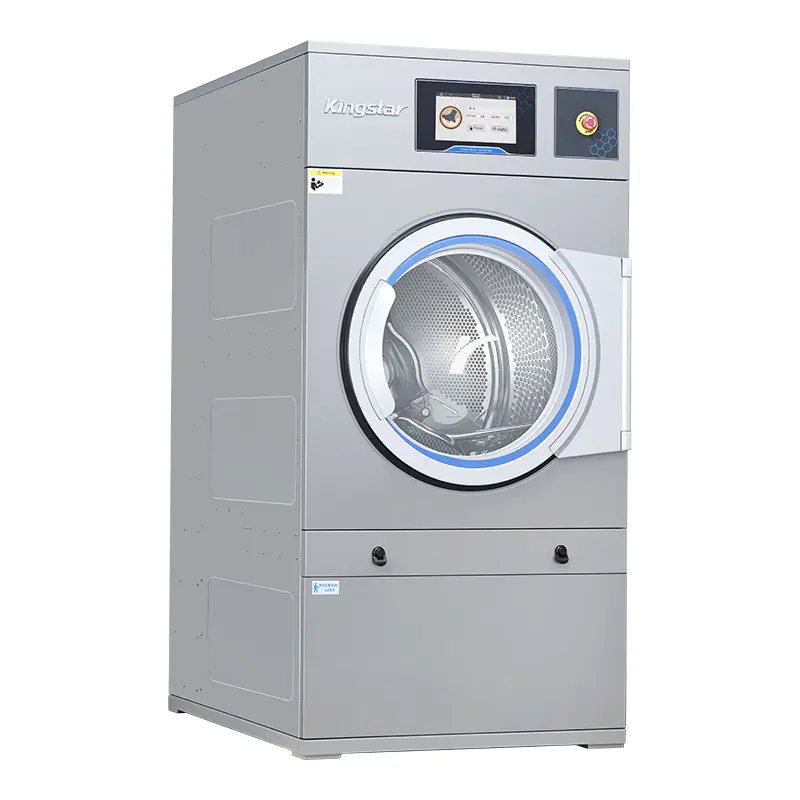
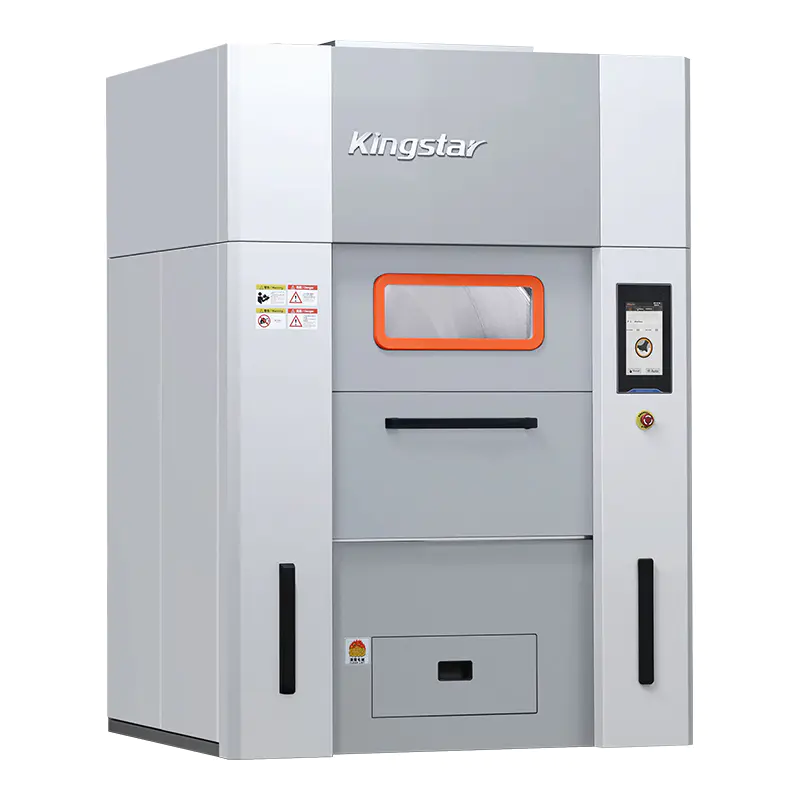
Q3: What programs does a Kingstar 25 kg dryer have? Can they be edited?
A3: It can store 99 programs. They can be edited.
ADD:No.388 Xinggang Road, Chongchuan District, Nantong City, 226000, Jiangsu Province, China.
-
Phone: +86-13917089379
-
Tel:+86-13917089379
-
Fax:+86-0513-85663366
-
E-mail:louislu@kingstarlaundry.com