A well-located, properly equipped laundromat can generate $30,000 to $100,000 in annual net profit with relatively low labor costs and recession-resistant demand — but the gap between a thriving laundromat and a struggling one almost always comes down to three decisions made before opening day: location, industrial washing machine selection, and operational systems. People always need clean clothes. The laundromat industry in the United States alone generates over $5 billion in annual revenue, with roughly 35,000 laundromats operating nationwide and an average owner-reported return on investment between 20% and 35%. This is not a get-rich-quick business, but it is one of the few brick-and-mortar ventures where a first-time owner with no employees can build a genuinely stable income stream. This guide covers what it actually takes to start a laundromat from scratch, choose the right equipment, and run it profitably over the long term.
The single most important thing to understand before opening a laundromat is the true cost structure. New owners consistently underestimate startup costs, particularly for equipment, utility infrastructure upgrades, and the working capital needed to survive the first 6–12 months before the business reaches stable revenue. Here is a realistic cost breakdown for a ground-up laundromat build in the United States:
| Expense Category | Low Estimate | High Estimate | Notes |
|---|---|---|---|
| Industrial washing machines (20–40 units) | $60,000 | $200,000 | New vs. refurbished; capacity mix matters |
| Commercial dryers | $30,000 | $100,000 | Typically 1 dryer per 2 washers |
| Leasehold improvements | $20,000 | $150,000 | Plumbing, electrical, HVAC upgrades vary widely |
| Payment systems (card/app) | $5,000 | $25,000 | Coin-only is cheaper but limits revenue |
| Signage, furniture, and vending | $5,000 | $20,000 | Includes folding tables, seating, detergent vending |
| Permits, licenses, and legal | $2,000 | $10,000 | Varies significantly by municipality |
| Working capital reserve | $20,000 | $50,000 | Cover 6 months of operating costs minimum |
| Realistic Total | $142,000 | $555,000 | Most new builds fall between $200K–$400K |
Buying an existing laundromat is an alternative that some first-time owners prefer. A turnkey laundromat acquisition typically runs 2–3× annual net revenue as a purchase price benchmark — meaning a store generating $80,000 net per year might sell for $160,000–$240,000. This route provides immediate cash flow but carries hidden risks: aging equipment, deferred maintenance, and lease terms that may not be favorable.
Experienced laundromat owners consistently rank location above equipment, pricing, and marketing as the primary driver of revenue. A mediocre laundromat in a great location will outperform a beautifully equipped store in a poor location every time. The factors that define a strong laundromat location are specific and measurable.
Laundromats thrive in areas where a high proportion of residents lack in-unit washers and dryers. Nationally, about 35 million U.S. households use laundromats, with usage rates highest among renters, apartment dwellers, and lower-to-middle income neighborhoods. The ideal laundromat trade area (typically a 1–2 mile radius) has:
Equipment in a laundromat is immovable. Washers and dryers are plumbed, wired, and vented into the building — you cannot easily relocate them if your lease ends on bad terms. A laundromat lease should include a minimum 10-year initial term with renewal options extending to at least 20 years total. Never open a laundromat on a lease shorter than 10 years. Additionally, negotiate lease clauses that restrict the landlord from renting adjacent space to a competing laundromat, and verify that the space has adequate water, sewer, gas, and electrical capacity for commercial laundry loads before signing.
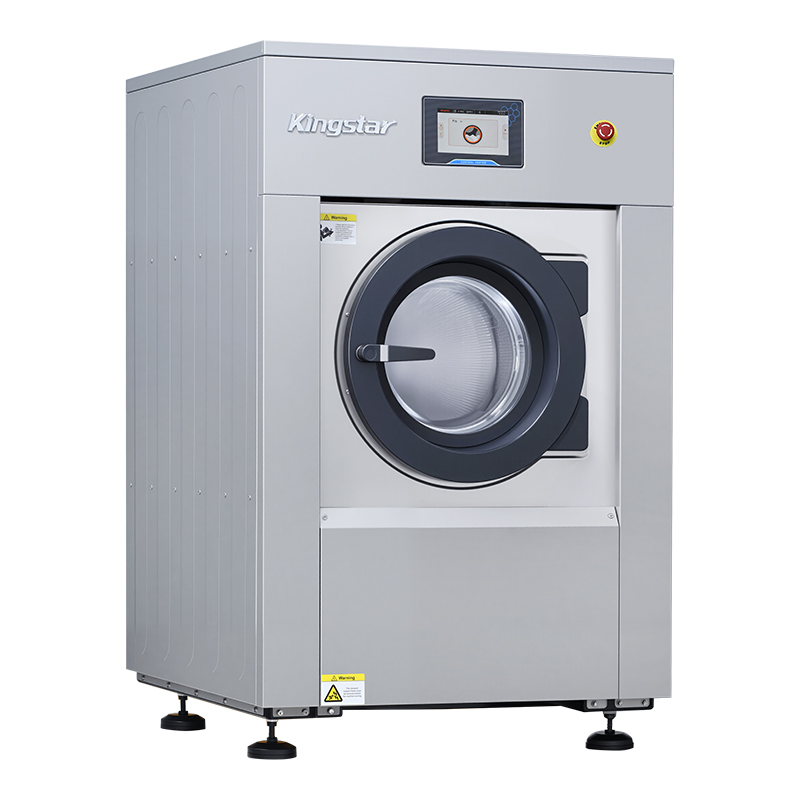
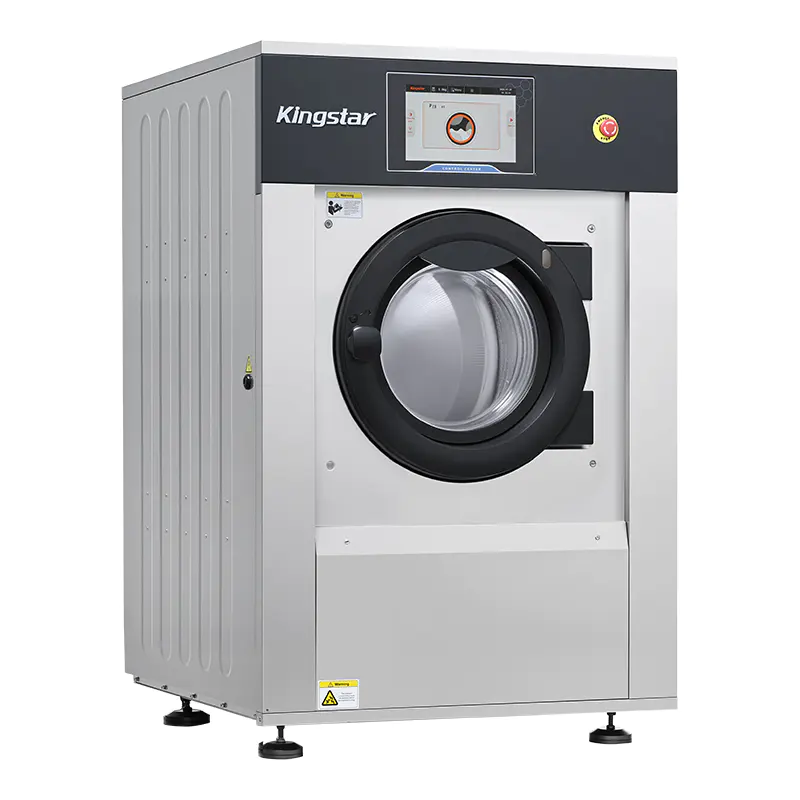
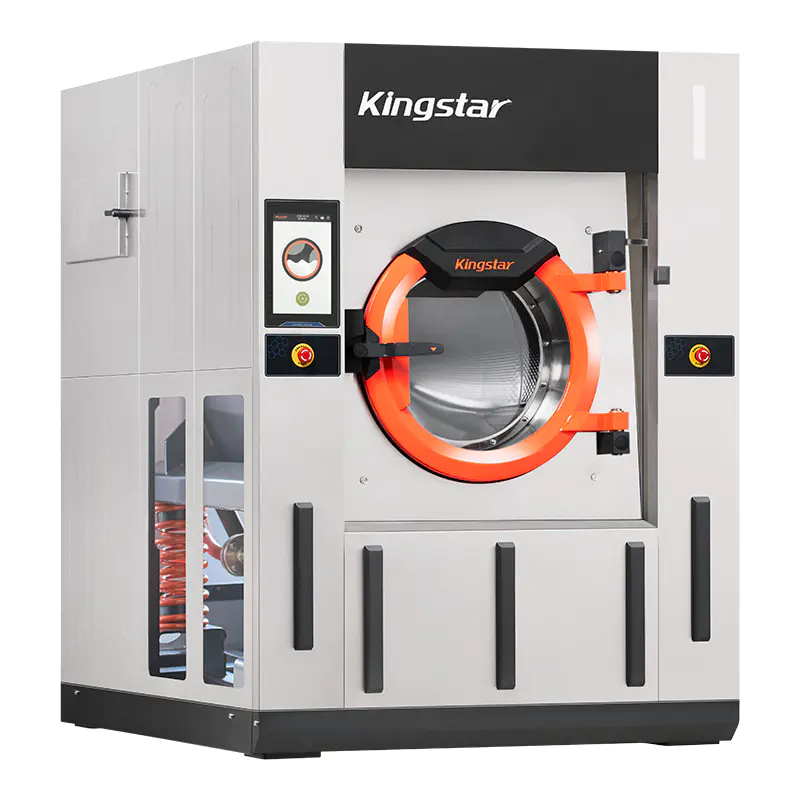
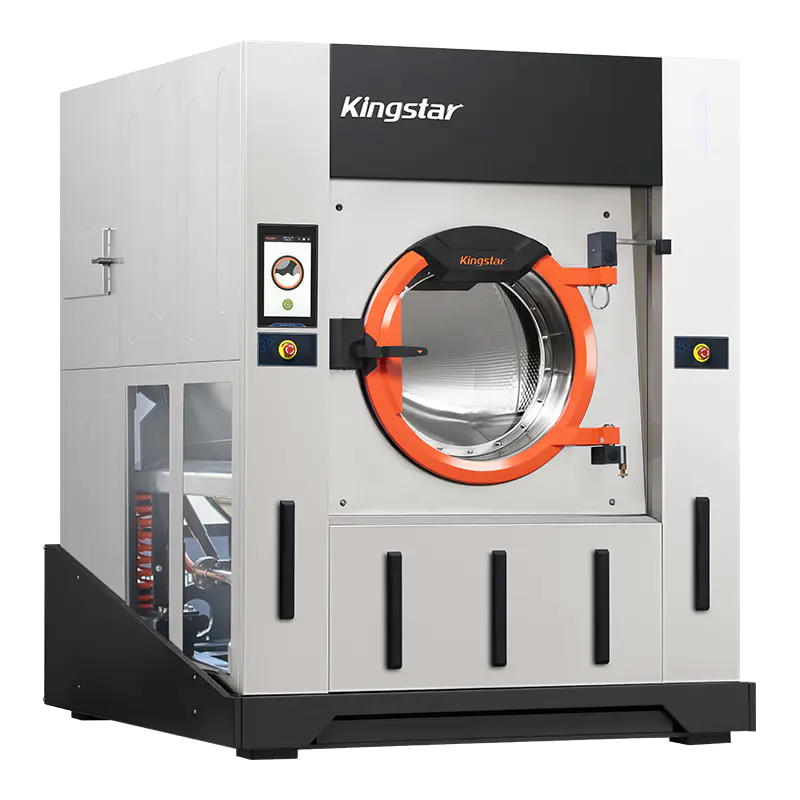
Industrial washing machines are the core asset of any laundromat. Unlike residential machines built for occasional use, commercial and industrial washers are engineered for continuous operation, high cycle counts, and minimal downtime — typically rated for 10,000 to 25,000 cycles over their service life versus 500–1,000 cycles for a residential unit. The equipment decisions made at startup directly determine revenue capacity, utility costs, and maintenance burden for the next 10–20 years.
A successful laundromat does not equip itself with a single washer capacity. Customers arrive with everything from a small bag of work clothes to a week's worth of laundry for a family of five, plus bulky items like comforters, sleeping bags, and rugs. A well-designed equipment mix typically follows this structure:
Many new owners underinvest in large-capacity machines, not realizing that a single 80-pound washer can generate more revenue per cycle than three 25-pound machines while occupying comparable floor space. Customers with comforters and blankets have few alternatives to a large-capacity commercial washer, creating captive demand and justifying premium pricing.
The industry has largely shifted to front-load (horizontal-axis) machines for commercial laundromat use, and for good reason. Front-load industrial washers offer measurable advantages over top-loaders in a commercial context:
| Feature | Front-Load (Horizontal Axis) | Top-Load (Vertical Axis) |
|---|---|---|
| Water consumption per cycle | 13–25 gallons | 35–55 gallons |
| Energy efficiency (kWh per cycle) | Lower (ENERGY STAR certified options) | Higher |
| Wash quality / soil removal | Superior (tumble action) | Good |
| Extract RPM / moisture removal | 1,000–1,200 RPM (reduces drying time) | 600–800 RPM |
| Machine footprint | Compact; can stack | Larger per capacity unit |
| Unit cost (new, 30 lb) | $3,500–$6,000 | $1,500–$3,000 |
| Typical service life (commercial use) | 14–18 years | 8–12 years |
The higher upfront cost of front-load industrial washing machines is typically recovered within 3–5 years through water and energy savings alone, before factoring in the extended service life and higher customer satisfaction from better wash results.
Brand choice matters because it affects parts availability, service network density, and machine longevity. The dominant brands in the U.S. commercial laundry equipment market are:
Refurbished industrial washing machines can reduce equipment costs by 40–60% compared to new, but they carry real risks that new owners should evaluate carefully. A refurbished machine from a reputable commercial laundry distributor — with documented service history, replaced wear parts, and a 90-day to 1-year warranty — can be a sound investment, particularly for small-capacity machines where replacement parts are cheap and abundant. For large-capacity machines, which are harder to service and carry higher repair costs, new equipment is usually the safer choice for a first-time owner who lacks equipment repair experience.
Utilities — water, sewer, gas, and electricity — are the largest operating cost for most laundromats, typically running 65–70% of gross revenue. This ratio is why equipment efficiency matters so profoundly: a store running inefficient washers and dryers will spend $0.70 of every dollar it earns on utilities, leaving almost nothing for profit after rent and other expenses.
Before signing a lease, calculate the utility capacity of the space. A laundromat with 30 front-load washers and 15 dryers will typically require:
Request utility bills from the previous tenant or business for any space you are seriously considering. A space with a history of high water and gas bills may have infrastructure issues or inefficient plumbing that will cost more to fix than negotiating a lower rent is worth.
The shift from coin-only to multi-payment systems (card, mobile app, contactless) is one of the most significant operational changes in the laundromat industry over the past decade. Laundromats that have transitioned report revenue increases of 15–30% after adding card payment options, driven by both reduced friction for customers and the ability to implement dynamic pricing.
Wash prices should be set to achieve a utility cost ratio of no more than 65% of the wash price, while remaining competitive with the nearest laundromat. A simple framework:
Typical price ranges for self-service laundromats in the U.S. in 2024 run from $2.50–$4.50 for a small load up to $8–$15 for a large-capacity cycle. Do not underprice — a laundromat competing on price alone is a race to the bottom, and customers in this industry make decisions based primarily on proximity and cleanliness, not a 50-cent price difference.
The laundromat industry has a reputation for being semi-passive income, and it can be — but only after systems are established and a store reaches stable operation. In the first 1–2 years, the owner's active involvement in operations is strongly correlated with customer retention and revenue growth. Here is what the operational routines of successful laundromat owners look like in practice.
Consumer surveys consistently rank cleanliness as the top factor in laundromat selection. A dirty laundromat loses customers permanently — people trust it with their clothes, and visible grime signals that the machines may not be maintained either. Successful laundromat owners implement structured cleaning schedules:
A broken machine is lost revenue. A 30-pound washer running 8 cycles per day at $3.50 per cycle generates $840 per month. A machine out of service for two weeks costs $420 in lost revenue — often more than the repair itself. Successful operators treat maintenance as a profit-protection activity:
Wash-and-fold (also called drop-off laundry service) is the highest-margin revenue opportunity available to a laundromat operator. Customers drop off their laundry, the store washes, dries, and folds it, and the customer picks it up — typically within 24 hours. Pricing runs $1.25–$2.50 per pound, compared to $0.15–$0.25 per pound equivalent for self-service. A laundromat doing 500 pounds of wash-and-fold per week at $1.75/lb generates $42,000 in additional annual revenue using the same machines, with labor as the primary added cost.
Many successful laundromat operators add wash-and-fold in year two, after self-service operations are stable. This sequencing prevents operational overwhelm during startup while capturing the market once the store is established.
Most first-time laundromat owners do not have $200,000–$400,000 in cash. Understanding the financing landscape is essential for moving from "I want to open a laundromat" to a funded, operational business.
Lenders evaluate laundromat loan applications differently from other small businesses because laundromats are cash businesses with limited verifiable income documentation. Working with an SBA lender who specializes in laundromat or coin-operated business loans significantly improves approval odds compared to approaching a general commercial bank.
Post-mortems of failed laundromats reveal a consistent set of avoidable errors. Understanding them in advance is the clearest path to not repeating them.
ADD:No.388 Xinggang Road, Chongchuan District, Nantong City, 226000, Jiangsu Province, China.
Phone: +86-13917089379
Tel:+86-13917089379
Fax:+86-0513-85663366
E-mail:[email protected]
Cookies give you a personalized experience,Сookie files help us to enhance your experience using our website, simplify navigation, keep our website safe and assist in our marketing efforts. By clicking "Accept", you agree to the storing of cookies on your device for these purposes. Click "Adjust" to adjust your cookie preferences.For more information, review our Cookies Policy.