英语
 俄语
 西班牙语
 德语

How to Soften Laundry Water: Practical Solutions for Laundry Shops
In laundry shops, water quality is easily overlooked. But it affects laundry quality. It may also increase operating costs. In many areas, water has a high mineral content. If it is used for a long time without proper treatment, laundry quality can be reduced. Thus, garments may lose their original softness and bright colors. They may also look dull and worn.
Three Practical Risks for Laundry Shops
In hard water, calcium and magnesium ions are relatively high. They are invisible to the naked eye. However, they react with detergents and fabrics during washing. This can lead to the three major issues.
● Garments
Hard water can gradually damage garments. Calcium and magnesium ions react with surfactants. This generates insoluble calcium and magnesium soaps, as well as other mineral deposits. These flocculent deposits easily become trapped in the porous fiber structure of natural fibers (cotton and linen). Garments gradually become stiff and rough after repeated washing. They lose their original softness.
In addition, calcium and magnesium ions gradually reduce fabric whiteness. White fabrics become gray and dull, and colored fabrics lose their vibrancy. If washed with hard water for a long time, fibers may become brittle due to mineral deposits. This also shortens garment service life. In addition, calcium and magnesium ions consume around 30% of the active ingredients in soap-based detergents. Calcium and magnesium soaps generated are difficult to rinse out.

● Laundry quality
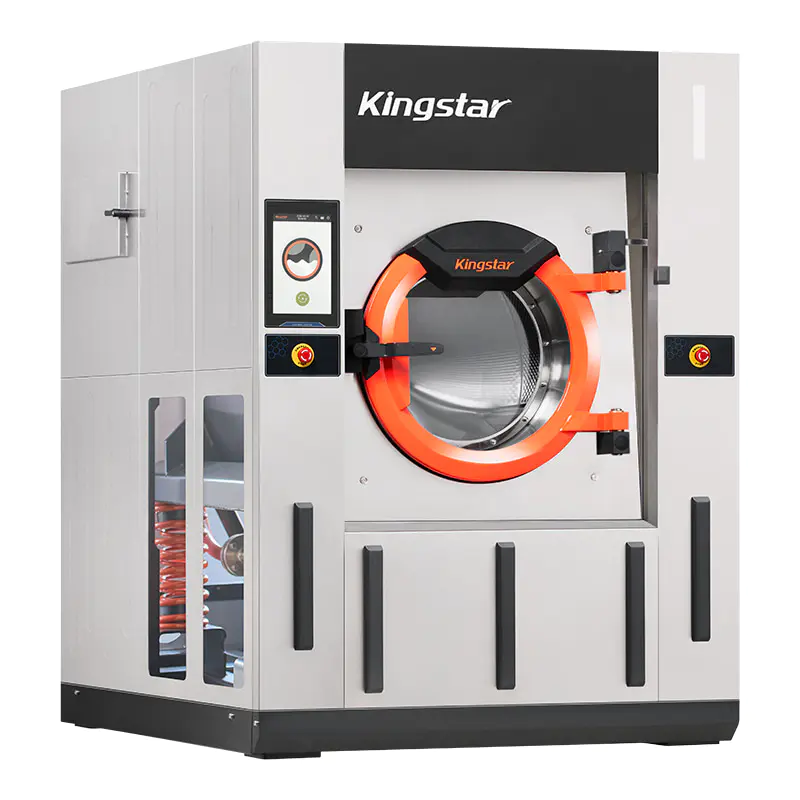
In a Kingstar washer, the laundry process consists of three major phases (pre-wash, main wash, and rinse). Hard water affects laundry quality throughout the laundry process. During pre-wash, water containing calcium and magnesium ions penetrates into garment fibers. During the main wash, these ions first consume some of the active ingredients in detergents. This generates insoluble soap deposits that hide inside garment fibers. At the rinsing stage, remaining active components react with calcium and magnesium ions. In reality, surfactants used for stain removal are significantly reduced. Also, they are difficult to rinse out. Calculations indicate that for every 10 mg/L increase in water hardness (measured as CaO), detergent losses increase by 100 to 150 g.
Calcium ions directly affect the removal of colored stains. After washing, some stains remain on fabrics. Some laundry shops want to achieve ideal cleaning performance. Thus, they increase detergent consumption, extend washing time, and add rinse cycles. But the cleaning results are less than expected. More deposits may be produced when excessive detergents react with calcium and magnesium ions. This increases secondary contamination. Also, hard water can affect bleaching performance. Calcium and magnesium ions react with bleaching agents. This reduces bleaching efficiency. This also easily causes fabric yellowing.
● Equipment
Hard water often causes scale buildup and pipe blockages in equipment. When the water temperature rises, calcium and magnesium carbonates precipitate out of water. They attach to heating elements, inner drum walls, and steam lines of laundry equipment. This leads to hard scale deposits. Besides, scale has poor thermal conductivity. Scale buildup on heating pipes can reduce efficiency. This increases energy consumption. It also causes localized overheating. This damages heating elements.
Steam irons are also significantly affected by hard water. During steam generation, minerals in hard water accumulate inside the iron. The steam vent will be blocked over time. This affects ironing performance and even causes frequent cleaning and repairs. Pipe clogging also reduces steam supply efficiency. This directly affects the finishing process. Scale deposits continuously damage metal surfaces of laundry equipment. The overall service life of equipment is significantly shortened.
Soften Laundry Water Without Expensive Equipment
Ion exchange resin and reverse osmosis (RO) systems deliver excellent water softening results. However, a complete water softening system requires sufficient installation space. Resin regeneration, as well as salt consumption and management, should also be considered. For a small laundry shop, this involves high investment and ongoing maintenance. In fact, water hardness can be effectively reduced during the washing process by using chemical water-softening agents properly.
● Sodium carbonate
It is easily available and inexpensive. After dissolving in water, sodium carbonate reacts with calcium and magnesium ions. This produces carbonate deposits. With the rising of the water temperature, calcium carbonate precipitates almost completely. Some magnesium carbonate also precipitates. This reduces water hardness.
- Instructions
Add 50 to 100 g of sodium carbonate per ton of water before the main wash. Mix thoroughly and add detergents. In a Kingstar wet cleaning machine, sodium carbonate can be added through chemical dispensers and introduced into the inner drum during the pre-wash. Don’t drain the water after the pre-wash. Proceed to the main wash cycle. Sodium carbonate is low-cost and easy to purchase. It can be purchased from almost all laundry chemical suppliers.
However, sodium carbonate has limitations. Magnesium carbonate dissolves in water. But it cannot precipitate completely. Thus, sodium carbonate is less effective in softening water with high hardness. In addition, sodium carbonate is an alkaline substance. Use it with caution or reduce the dosage when washing protein-based fabrics (wool and silk). Otherwise, this may damage fibers. Sodium carbonate is suitable for cotton and linen. It is a pre-wash softening agent.
● Sodium hexametaphosphate (SHMP)
It is widely used in the laundry industry. It can offer balanced softening performance. However, it works differently from sodium carbonate. SHMP complexes calcium and magnesium ions. This can generate a stable, water-soluble complex. This process does not produce insoluble deposits or cause secondary contamination on fabrics.
- Recommended dosage
Add it at 0.1% to 0.2% of the water weight. This can meet softening requirements under most water hardness conditions. Generally, add 1-2 kg of SHMP per ton of water. For small-scale operations in laundry shops, add around 1 g to hard water per 10 L. SHMP solutions are close to neutral in pH. It is gentle on many types of garment fabrics. This is an advantage over sodium carbonate.
- Instructions
SHMP should be added before the main-wash detergent. In a Kingstar wet cleaning machine, add it during the pre-wash. Wait for it to dissolve and react with calcium and magnesium ions. Don’t drain the water. Proceed to the main wash cycle or use a staged main wash process. During main wash 1, the agent is added through the chemical dispenser and is automatically introduced to the inner drum. Don’t drain the water during main wash 1. Proceed to main wash 2. Detergents should be added at room or moderate temperatures.
Complexation performance is better at 70℃. If the wash temperature exceeds 70℃ for a long time, the complexes may break down and release calcium and magnesium ions. In laundry shops, the main wash temperature is often below 40℃. Thus, SHMP can be used as a water softening agent for laundry shops. However, it is not recommended for wool garments. Phosphate may damage wool fibers under specific conditions.
● Trisodium phosphate (TSP)
It works like sodium carbonate. It removes calcium and magnesium ions through precipitation. But its alkalinity is higher than that of sodium carbonate. It may offer better water-softening performance. During practical operations, TSP is suitable for high-hardness water and cotton and linen fabrics. The dosage is 80-150 g per ton of water. It is adjusted according to actual water hardness. Due to high alkalinity, use carefully on colored fabrics and protein-based fibers. This can prevent color fading or fiber damage.
● Commercial laundry water softener
If laundry shops don’t want to formulate their own chemical mixtures, the easiest option is to purchase commercial laundry water softeners. These products are based on complexation. They are available in white powder forms. The pH level is close to neutral. They are designed for high-hardness water in laundry shops.
- Instructions
Take a common product as an example. Add 60 to 120 g of softeners per 45 kg of dry garments at 40℃ to 60℃. Also, use 300 to 500 ml of liquid softeners per 50 kg of dry garments. Dose them 2 to 3 minutes before adding the main-wash detergent powder. Commercial laundry water softeners have been optimized for laundry scenarios. In addition to complexing calcium and magnesium ions, they have other functions (complexing iron ions, preventing fabric yellowing, and helping soap removal). If laundry shops lack the time or expertise to formulate their own chemicals, using commercial laundry water softeners is a reliable option.
● Operation sequence and suggestions
Regardless of water-softening agents used, the dosing sequence follows one principle: softening before washing. At the start of the main wash, add water softening agents and allow the agent to mix with the water for 2-3 minutes. Allow the agents to react with calcium and magnesium ions for sufficient reaction or complexation. Then dose main-wash detergents. If the sequence is reversed, detergents react with calcium and magnesium ions, generating deposits. This wastes detergents and water-softening agents.
Kingstar Wet Cleaning Machine Settings
● Heavily soiled garments
Perform the regular pre-wash. After draining the water, set main wash 1 and main wash 2. During main wash 1, dose the required amount of agents into the chemical dispensers on top of the machine. Allow main wash 1 to run for 3 minutes. Don’t drain the washer after main wash 1. Proceed to main wash 2. During main wash 2, dose detergents and continue with regular wash cycles.
● Slightly soiled garments
Add the water-softening agent during the pre-wash. Don’t drain the water after the pre-wash. Proceed to the main wash. Add the appropriate amount of detergent and perform regular wash cycles.
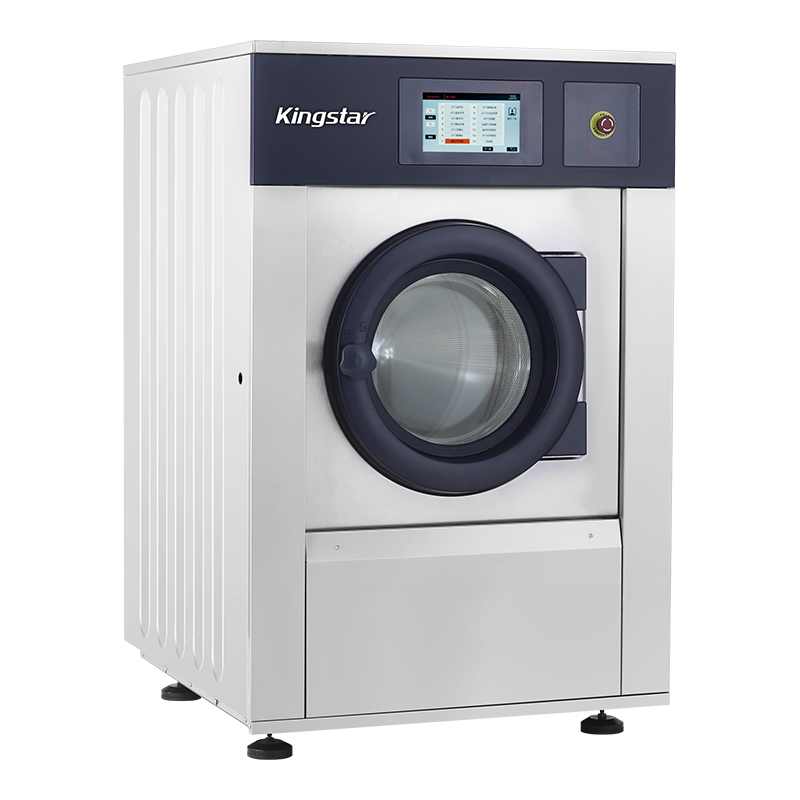
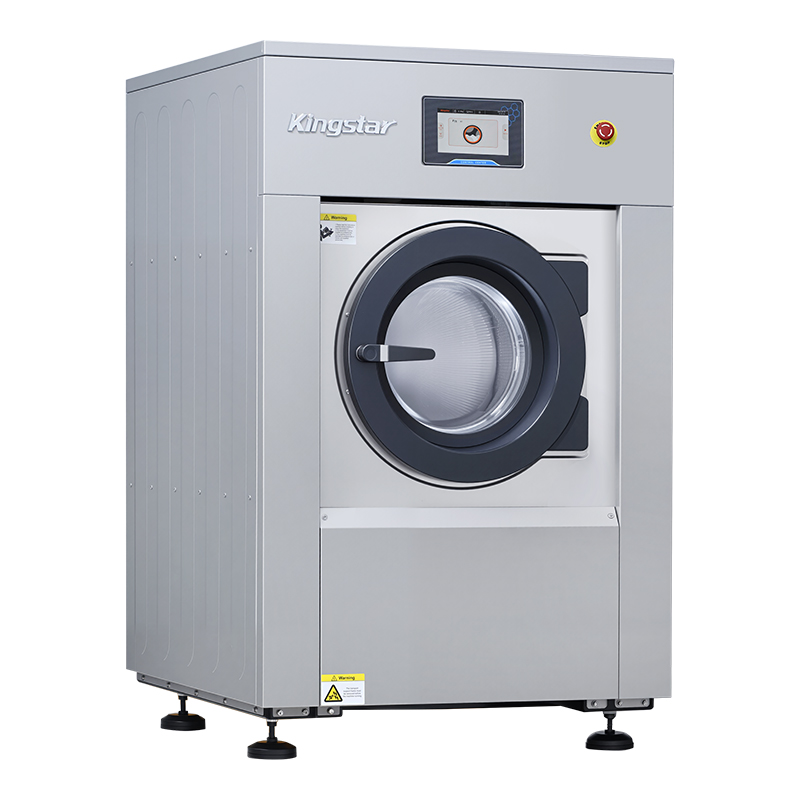
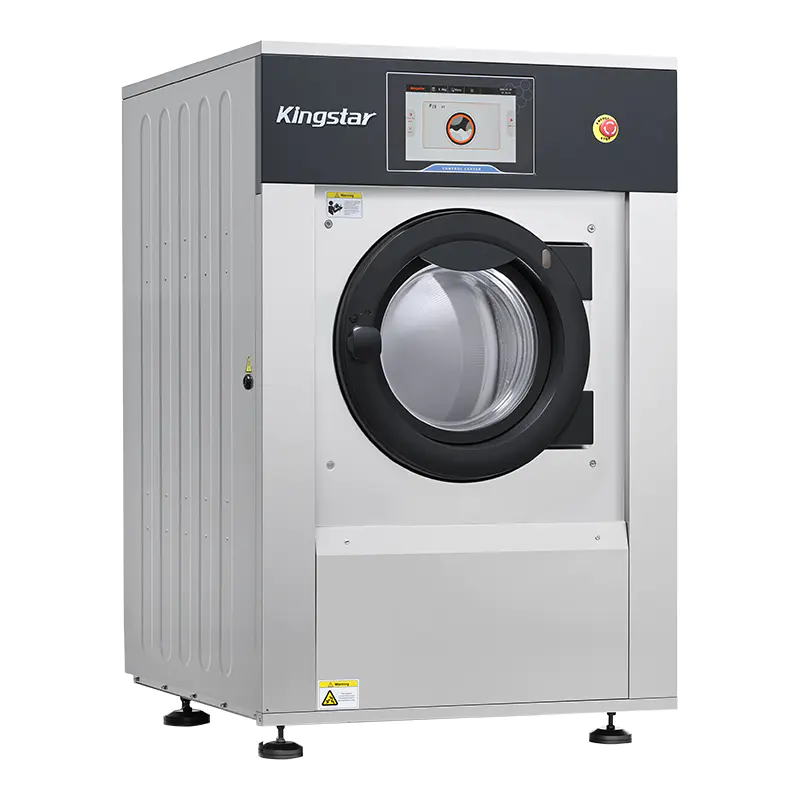
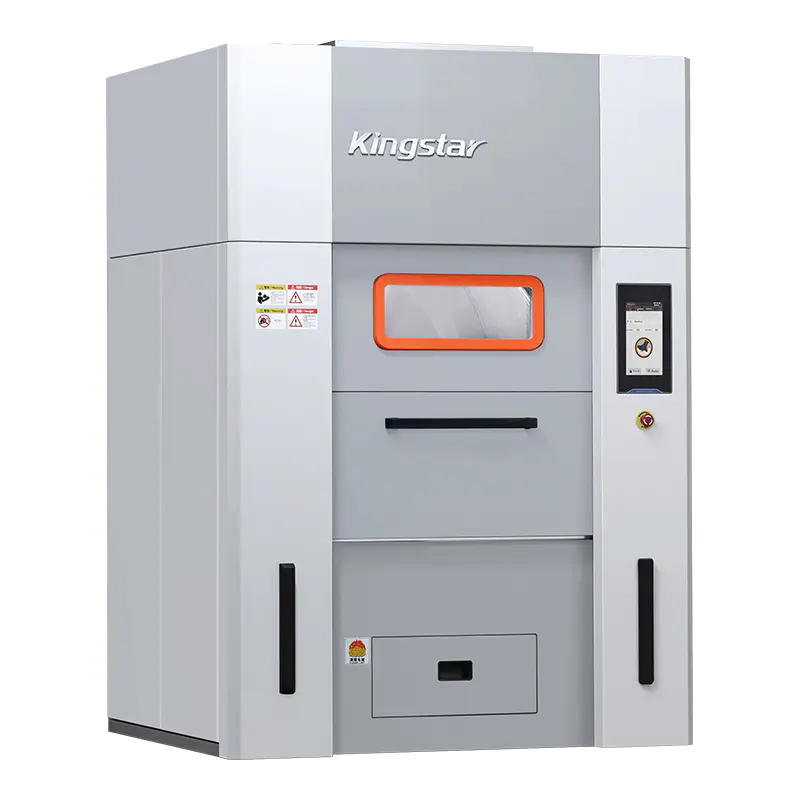
A Kingstar wet cleaning machine is equipped with two powder chemical dispensers and two liquid chemical dispensers. It enables fully automated washing through program settings.
● Chemical dosage
Laundry shops should determine the hardness of local tap water. Contact the local water service department for water quality reports. Also, use a water hardness test kit to measure it. Adjust the dosage based on the actual water hardness. Avoid a one-size-fits-all method. In soft water areas, reduce the dosage or do not use it. For high-hardness water, increase the dosage as needed. A combined approach can be used for medium and high water hardness. Use sodium carbonate for preliminary softening during the pre-wash. Use SHMP or commercial laundry water softeners for further complexation during the main wash. This delivers more consistent results than using a single agent.
In addition, laundry shops can install an activated carbon or fiber filter at the water inlet. This helps remove suspended solids and rust particles. Chemical softening agents can be used to treat water hardness. This significantly improves the overall laundry quality.
Q&A
Q1: How can laundry shops restore softness to stiff garments?
A1: This depends on the fabrics. It is suggested to rewash garments. Choose neutralization or fabric softening during washing. Use low-temperature drying or air-dry after washing. Clumped filling jackets can be treated with specialized fluffing agents. Dry them with dryer balls.
Q2: Should laundry shops raise service prices if choosing soft water?
A2: Laundry shops should invest in water-softening equipment and ongoing consumables. However, costs can be lowered during use. For example, reduce laundry chemical dosage and scale buildup on equipment. This helps lower maintenance costs and frequency. Less scale buildup improves heat transfer efficiency and lowers heating costs. Generally, soft water is recommended for laundry shops.
Q3: How should laundry shops adjust detergent dosage when using soft water?
A3: Soft water significantly reduces the detergent consumed by calcium and magnesium ions. Thus, lower the detergent dosage. Otherwise, this can cause excessive foam and make rinsing difficult. Do a test wash with 60% to 70% of the original dosage. Adjust the dosage based on foam levels and cleaning performance. Use professional detergents that are low-foam or suitable for soft water. Recalibrate the automatic dosing system. This prevents overdosing based on a hard-water formulation. Alkaline detergents should be used with neutralized acids. Soft water cannot replace the acid neutralization step.
ADD:No.388 Xinggang Road, Chongchuan District, Nantong City, 226000, Jiangsu Province, China.
-
Phone: +86-13917089379
-
Tel:+86-13917089379
-
Fax:+86-0513-85663366
-
E-mail:louislu@kingstarlaundry.com