英语
 俄语
 西班牙语
 德语

Five Key Revenue Streams for Laundry Shops
Can a laundry shop be profitable? You may get eleven answers from ten people. Some think that the laundry industry can generate attractive profits. Garment laundry costs are low while service fees are high, which makes it a high-return business. Some laundry professionals say that many laundry shops open in the same area, facing intense price competition. They struggle to make a profit. Some people see successful laundry businesses. But after entering the industry, they make no profit and even lose money.
Laundry shops may achieve different business results. Actually, many entrepreneurs ask the wrong questions in the beginning. They often consider whether laundry shops are profitable. But the key question is how laundry shops make profits. By understanding the revenue streams, you can assess the project’s profit potential objectively. This article will introduce five revenue streams of laundry shops and their roles in daily operations.
Basic Laundry Services
Daily garments (shirts, suits, down jackets, and coats) are the major care items in laundry shops. The laundry care fees per garment are different, with limited profit margins. However, customers have high and stable demand for these garments. They are the foundation for daily operations.
The key to basic laundry services is covering operating costs. They don’t need to generate high profits. Regular operating costs, including store rent, utilities, labor, and laundry supplies, rely on these services. This is why some laundry shops attract customers but make little money. The root reason is that store revenue relies only on basic laundry services. These services can keep the laundry running smoothly. However, they are unlikely to generate considerable net profits. If laundry shops provide basic garment laundry services, they may struggle to generate substantial profits.
Premium Garment Care
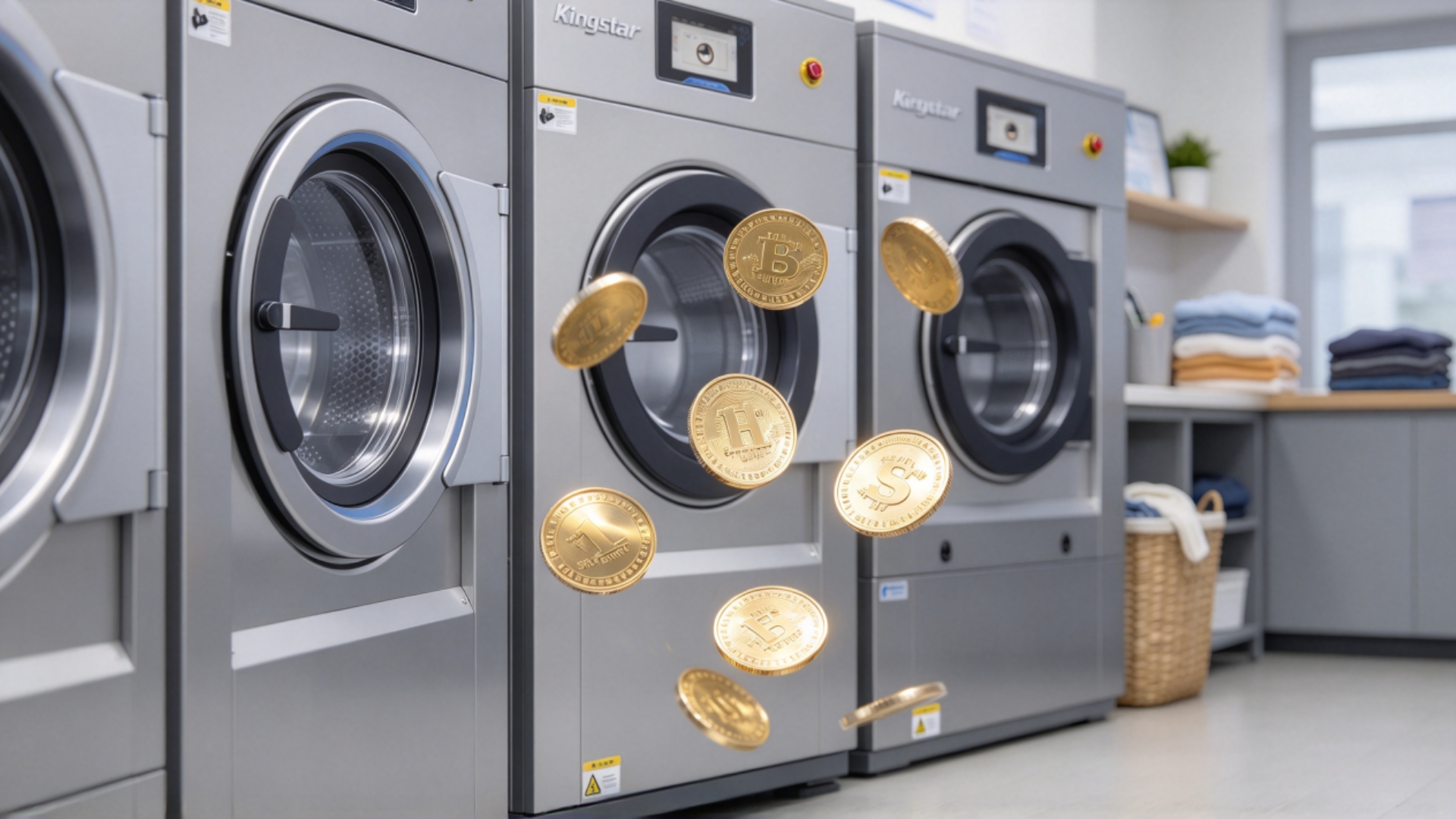
Premium garment care is key to creating a revenue gap between laundry shops. Cleaning a common coat costs around ¥30 (around $4.5). Service fees for luxury leather goods can reach ¥300 (around $45) to ¥800 (around $120). The two services have similar material and operating costs. But they vary significantly in average transaction value. The gross profit margin of premium care services usually exceeds 60%. Some projects’ margins even exceed 85%.
Higher profitability mainly depends on premium orders, such as shoe cleaning and restoration, leather restoration, luxury item care, and mink fur care. These services have relatively high skill barriers. Due to a lack of these skills, small laundry shops don’t take on the relevant orders. They face less competition in the market. Laundry shops offering premium garment care services have greater pricing power. They can take on orders that competitors cannot handle. Thus, they earn more service profits.
Membership Prepayments
Many laundry owners rely on a “pay-as-you-go” payment model. But in the laundry industry, a membership prepayment system is a sustainable business model. Stores provide top-up promotions, such as paying ¥500 (around $75) and getting an additional ¥100 (around $15), or paying ¥1000 (around $150) and getting ¥300 (around $45) free. Laundry shops may offer additional credit to members, but they can collect cash in advance. Also, they build customer loyalty for the year ahead.
Prepaid funds are stores’ working capital, more than revenue. They can be used for daily operations, opening new stores, and laundry equipment upgrades. Without a membership system, a laundry shop needs to devote more effort to developing new customers. Existing customers can be encouraged to repurchase with a scientific membership system. For a community laundry shop operating smoothly, over 60% of revenue comes from member purchases. The more existing customers repurchase, the more stable the store’s cash flow is. Laundry shops can also reduce their customer acquisition pressure.
B2B Orders
During off-peak seasons, retail laundry services for individual customers can fluctuate. B2B orders are relatively consistent throughout the year (such as hotel linen, wedding dresses and formalwear, company uniforms, home textiles and bath towels used by beauty salons, and nursing home bedding). These customers have stable laundry requirements. Payments are settled based on agreements.
If laundry shops cooperate with hotels for a long time, they can gain a steady stream of monthly orders. Individual customers’ laundry demand may decline in the off-season. But B2B businesses can generate steady revenue. This is why some stores have limited individual customers but operate smoothly. Reliable B2B customers bring core store revenues. Revenue from walk-in customers only accounts for a small part.
Value-Added Home Services
Laundry shops are part of a service industry based on communities and families. Besides garment laundry and care, customers may also have demand for home cleaning, such as curtain removal and cleaning, sofa and carpet cleaning, and home appliance cleaning, after they build trust in stores. When sending garments for laundry, they may ask about curtain cleaning services. Thus, laundry shops can gain an extra order. These traditional services (home appliance and whole-home cleaning) can be added to the laundry services.
Laundry shops can develop existing customers requiring home services. This helps them generate more revenue. An order worth just a few dozen yuan can be expanded into a high-value home service package. This improves value contribution per customer.
Conclusion
Laundry profitability should no longer rely on a single revenue stream. Mature stores use multi-business models. Basic laundry services lay a foundation for store operations. Premium garment care increases profit margins. Membership prepayment ensures stable cash flow. B2B orders can offset seasonal order fluctuations. Also, value-added home services unlock more value from existing customers.
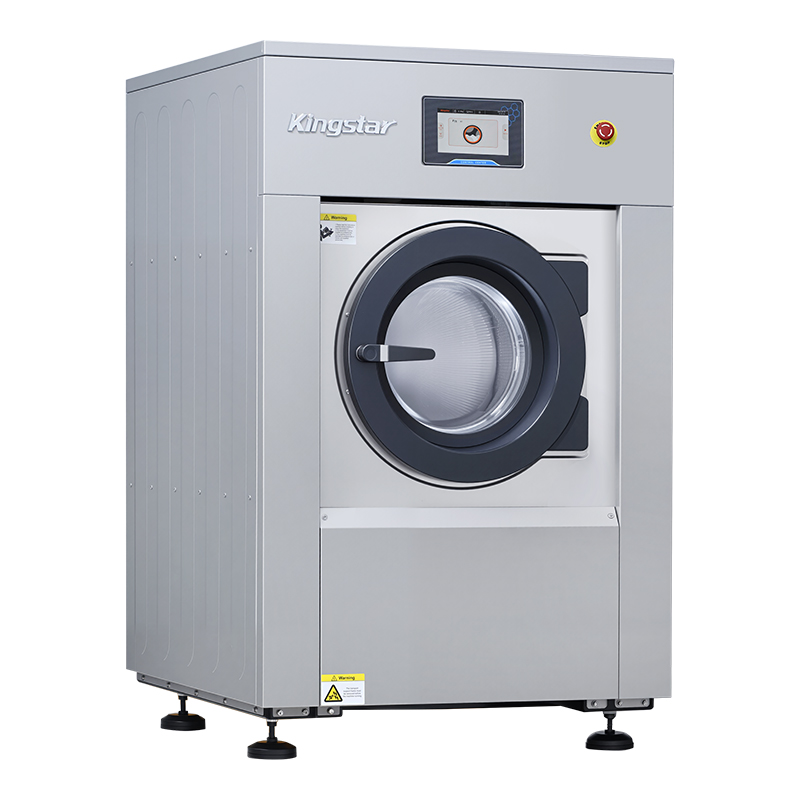
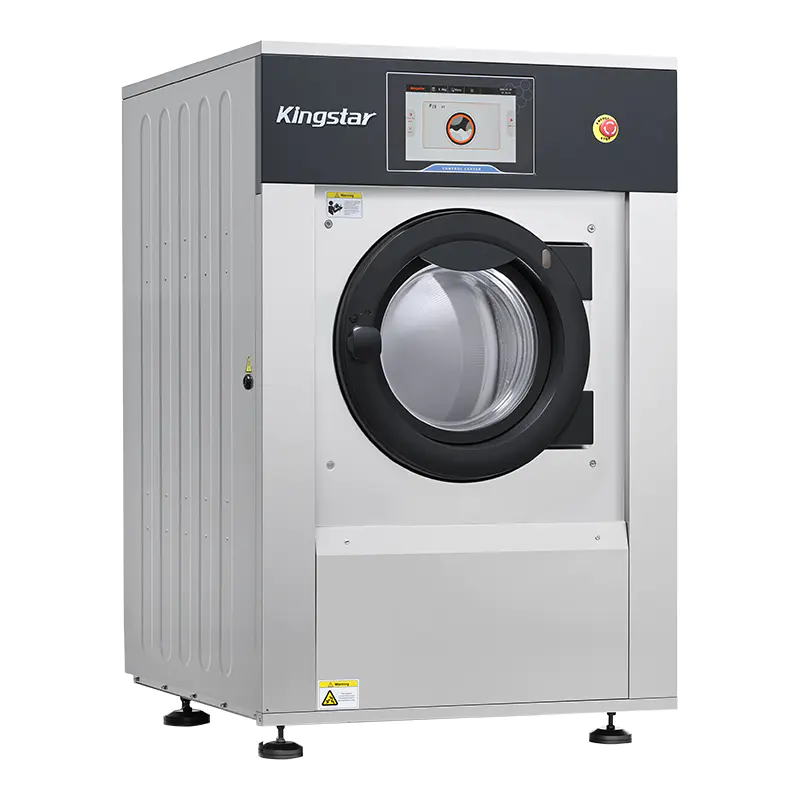
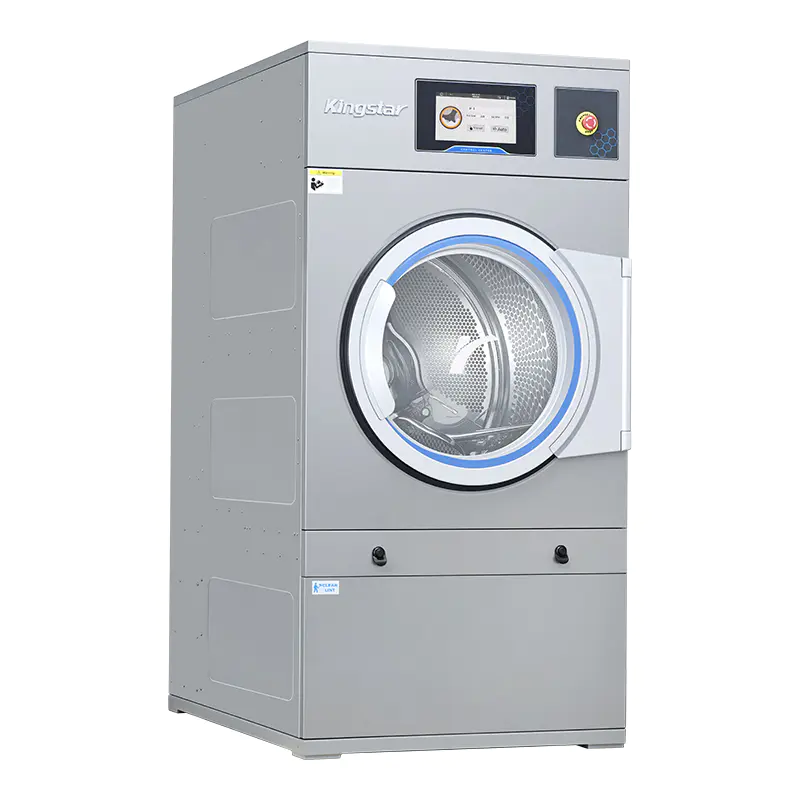
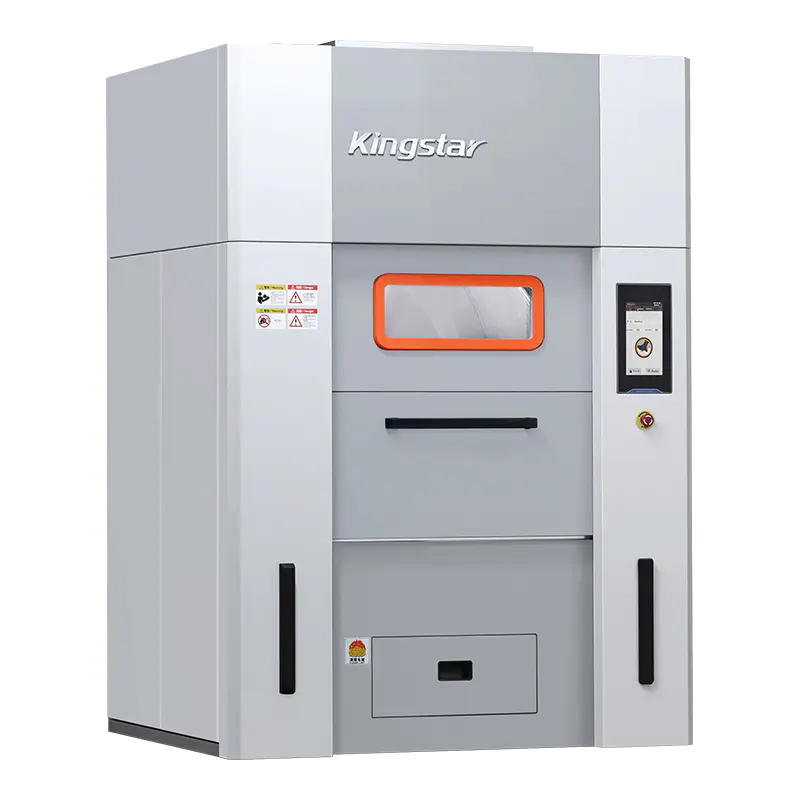
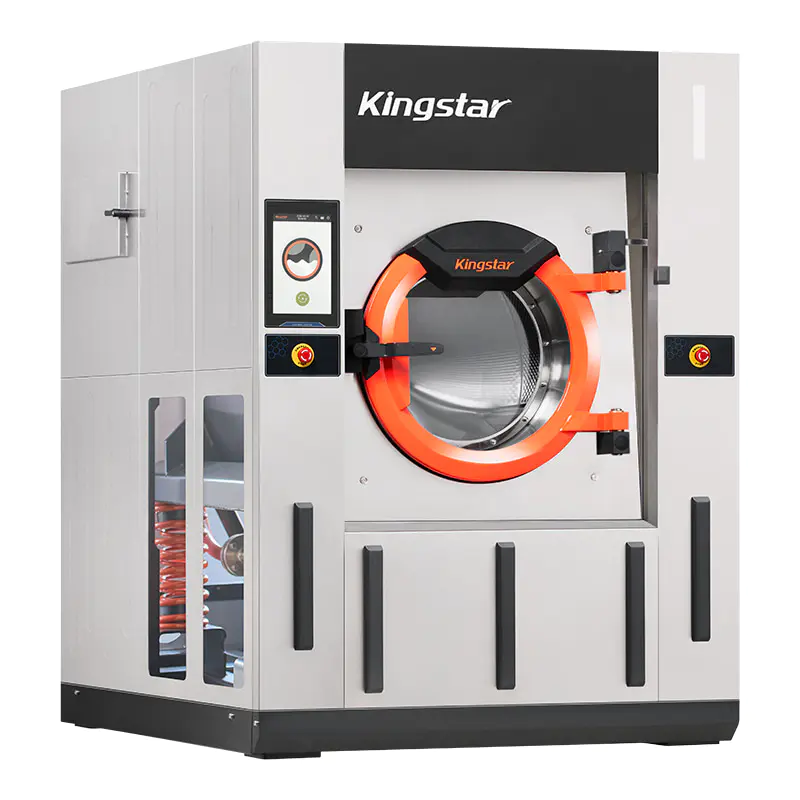
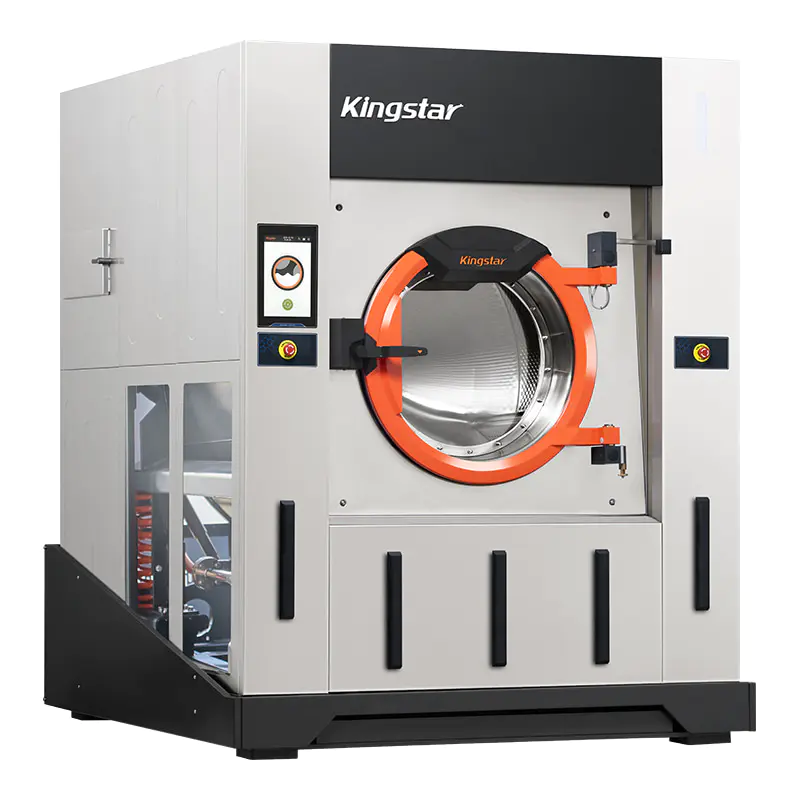
In addition, reliable laundry equipment is key to taking on diverse orders. Kingstar is a direct manufacturer of laundry equipment. It offers commercial washers, wet cleaning machines, dryers, and self-service washers. Reliable washing machines help laundry shops take on orders (individual garment laundry, premium garment care, and large-volume B2B linen). Also, Kingstar can support diverse service models. Laundry shops can choose proper equipment and business portfolios according to location and customer base. Thus, they will achieve stable, sustainable growth.
Q&A
Q1: Is opening a laundry shop profitable?
A1: Not necessarily. Laundry shops can operate with basic laundry services. However, they struggle to make a profit. To gain attractive profits, they can offer different services (such as premium garment care, membership prepayment, B2B orders, and value-added home businesses). Store profitability depends on revenue streams.
Q2: Which services generate the major profit for laundry shops?
A2: Premium garment care services. Laundry shops can offer services, such as shoe cleaning and restoration, leather restoration, luxury item care, and mink fur care. The gross profit margin often exceeds 60%. Some services can reach 85%. These services require higher skill barriers with less competition. Laundry shops with this capacity can gain pricing power.
Q3: How does membership prepayment benefit laundry operations?
A3: Laundry shops can collect payments in advance. Thus, they can secure customer demand. Investment can be used for working capital, expansion, and equipment upgrades. In a reliable community laundry shop, over 60% of revenue comes from repeat purchases. This reduces customer acquisition pressure.
ADD:No.388 Xinggang Road, Chongchuan District, Nantong City, 226000, Jiangsu Province, China.
-
Phone: +86-13917089379
-
Tel:+86-13917089379
-
Fax:+86-0513-85663366
-
E-mail:louislu@kingstarlaundry.com