英语
 俄语
 西班牙语
 德语

Electronic Payments Are Reshaping the Global Laundromat Industry
The self-service industry has been expanding rapidly in recent years. According to research, the global laundromat market was valued at around $54.63 billion in 2025. It is expected to reach $82.46 billion by 2034, along with a compound annual growth rate (CAGR) of around 4.68%. Also, the global coin-operated laundry market was valued at around $17.9 billion in 2025. It will grow to $31.4 billion by 2032. The CAGR is around 8.4%.
Traditional self-service washers mainly offer coin payment options. However, this method is being transformed.
Coin Payment vs. Electronic Payment
Traditional coin payments remain on the market. But electronic payments are gaining ground rapidly. According to 2026 survey data from the US media outlet American Coin-Op, 66.7% of laundromats still accept coin payments. But only 37% of operators state that this method accounts for a major share of their revenue.
At the same time, electronic payments are becoming more popular. According to the survey, 46.7% of laundromats accept mobile or app-based payments. Also, 40% of them provide store-issued prepaid cards. 36.7% of laundries say that customers use credit or debit cards. 30% accept cash payments. Only 3.3% accept coin payments.
More importantly, the revenue structure is also changing. 53.3% of laundry operators say that at least half of revenue from self-service machines comes from payments other than coins and banknotes. Among laundry shops that offer digital payment options, 52.3% note that the share of cashless transactions has increased significantly over the past three years. 19% also see it growing. From a global perspective, over 55% of laundromats have accepted mobile payments. This doubles the share compared with 2022. In developed markets, the coin-operated laundry market is declining quickly in its dominance. In the US, traditional coin payment systems only accounted for 48.12% of the revenue from self-service laundry equipment in 2025.
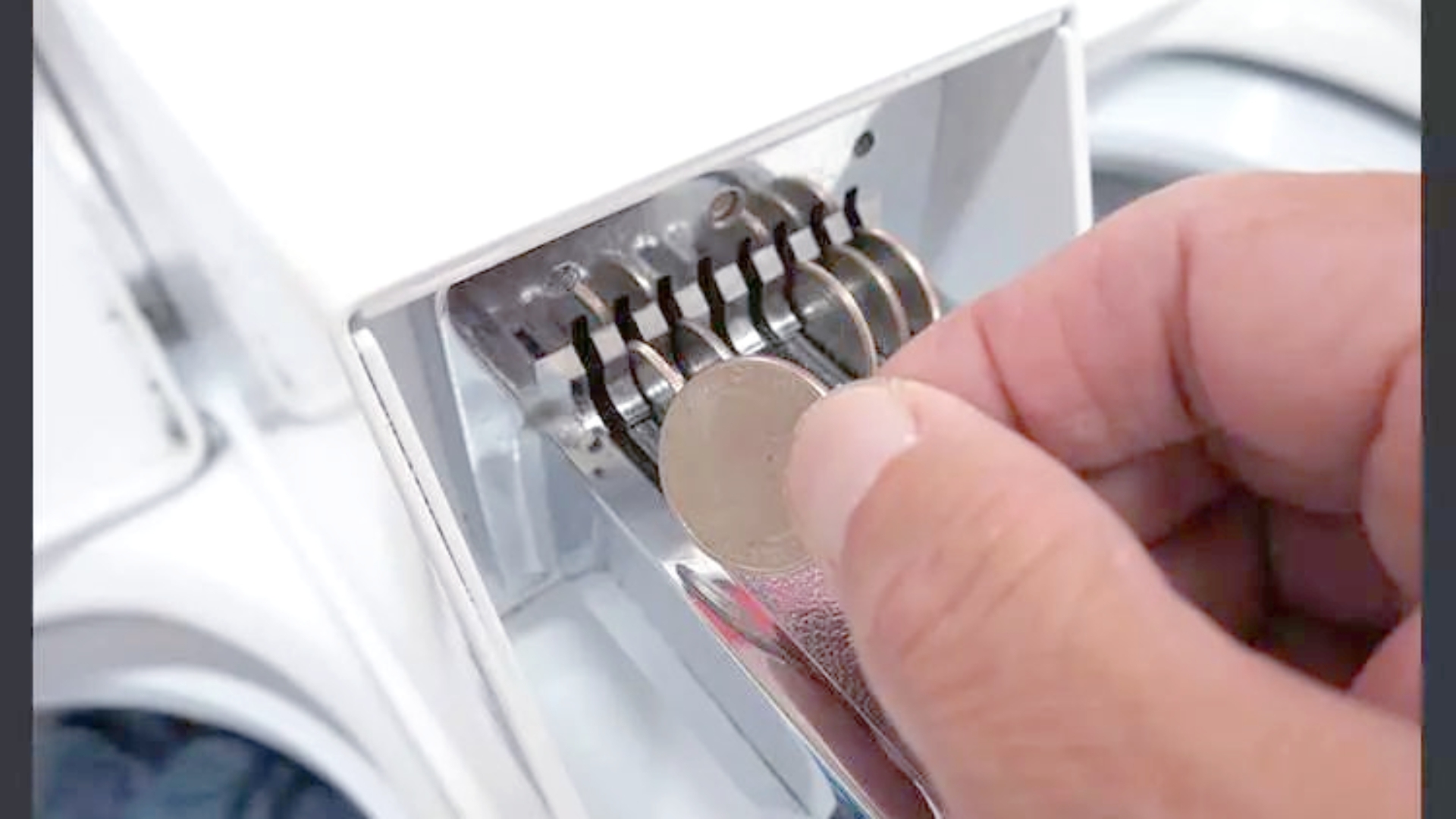
Don Apgar, the director of merchant payments at Javelin Strategy & Research, pointed out that coin payments involve high operating costs. Laundries need to empty coin boxes, count the coins, and refill coin changers every day.
QR Code, Card, and Centralized Payment Systems
In the self-service laundry industry, there are three major electronic payment methods.
● QR code payment
Customers scan the QR code on the washer to pay, and the machines start automatically. This payment involves relatively low retrofit costs. A cloud-based payment module connects to a coin acceptor. Mobile payment is converted into pulse signals that simulate coin insertion. Installation is simple which only requires plugging in the connectors. But this method relies on an internet connection. Thus, it may be less convenient for older customers.
● Card payment
Customers can use credit, debit, or store-issued prepaid cards. Transactions are completed through Near Field Communication (NFC). They are fast and don’t rely on smartphones. It is suitable for middle-aged and older customers. It can also be used in locations with unstable internet connections. But each machine requires a card reader, and the investment is relatively high.
● Centralized payment system
It manages the entire laundromat through a centralized terminal. Customers choose a machine number on the central terminal and pay. The terminal sends signals to activate the corresponding machine. A centralized terminal can manage multiple washers. However, customers need to walk to the terminal and return to the machine, which adds extra operating steps. The terminal also has the risk of a single point of failure. During peak hours, central terminals may also cause queuing bottlenecks. Machine-level QR code payment solutions allow users to activate their machines simultaneously without creating queues.
From an industry trend perspective, machine-level IoT-enabled QR code payment solutions are gradually becoming a preferred choice. Compared with traditional central terminal solutions, they require no extra floor space and are easy to install. They also have advantages in functional scalability.
Additional Retrofit Costs
When upgrading from traditional coin payments to electronic payments, consider the following two factors.
● Hardware investment
Different solutions vary in their costs. According to different equipment brands and payment methods, installing card or QR code modules costs $200-$500 per washer. For advanced card readers (multiple payment methods and membership management), the cost is $500-$2,000 per machine. Take The Laundry Bin in Pittsburgh, USA, as an example. Its owner integrates Cents Payment Systems card readers into all machines. This achieves a 60:40 ratio of card payments to coin payments.
If laundries choose central payment terminal solutions, a centralized terminal can manage the entire laundromat (1 to 8 machines). The terminal cost is often between $1,595 and $1,995. For example, XCP’s central payment station Model 1006NW connects to 1-6 existing coin-operated machines. It is priced at $1,595, with an additional one-time Nayax setup fee of $30. Cabling fees between terminals and machines are not included. For a full-store retrofit, a complete card reader system (covering multiple machines, communication hub, and network connectivity) often costs $5,000-$15,000 in the US market. This depends on the number of machines and selected functions.
● Ongoing expenses
Payment processing fees are the major ongoing expense. In the US self-service laundry industry, the payment processing fee rate is between 2.5% and 3.5%. The fixed fee is between $0.10 and $0.30 per transaction. The effective processing rate of some payment service providers may reach 3.5%-4.25%, along with additional fees (monthly service, server, and payment gateway fees). Take Nayax as an example. Its monthly service fee is between $7.95 and $14.95 based on the selected plan. The payment processing fee rate is 2.5%-5.95% (recommended for transactions under $5).
Electronic payments involve additional fees. But the return on investment (ROI) is encouraging. Many independent surveys have found that laundromats supporting card payments generate 17% to 22% more revenue than stores relying on cash payments. According to a real-world case study by PayRange at Masonic Street Laundry, the store revenue grew by 15%-20% after using mobile payments. Some customers say that they visit the laundromat because of card payments. In another case, a laundromat increased its revenue by 25% three weeks after using mobile payment systems. Nayax’s research also shows that a laundry shop can increase its revenue by up to 30% with a cashless payment system. Also, the operating costs may be reduced by around 20%. Most operators report a positive ROI, which is driven by increased revenue and reduced operating costs.
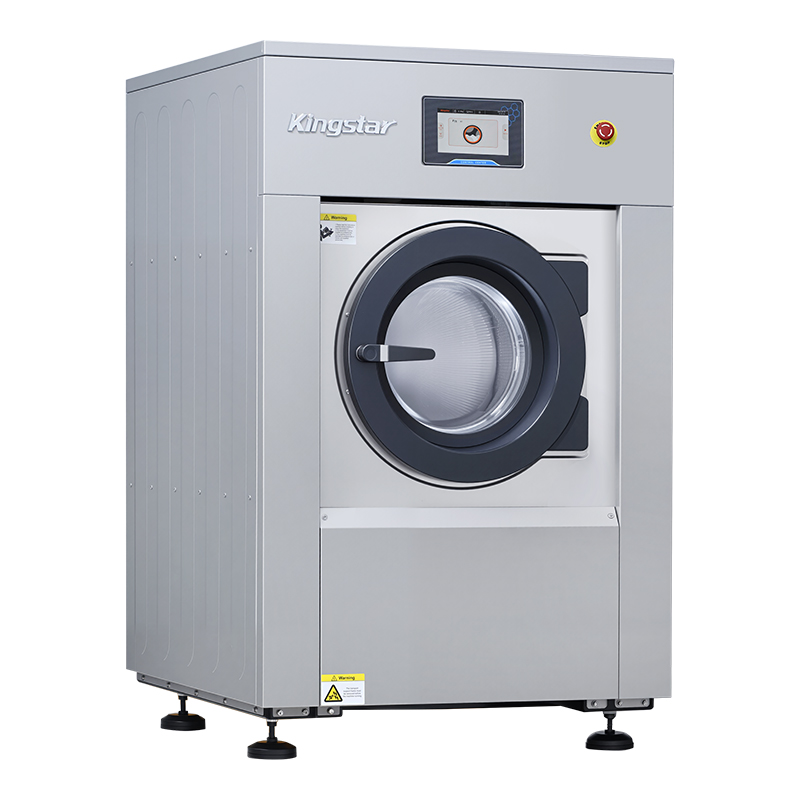
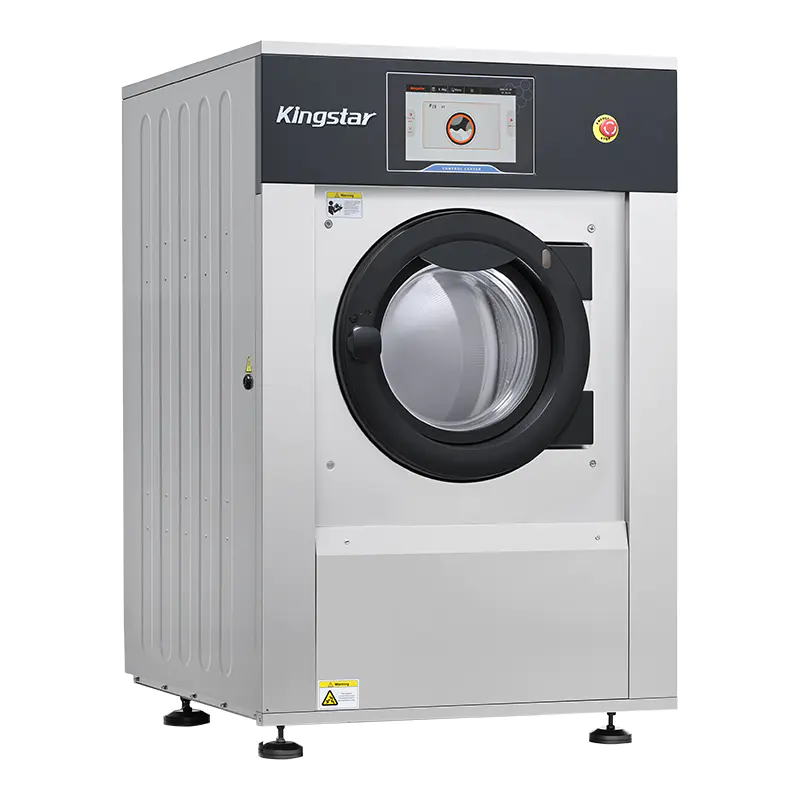
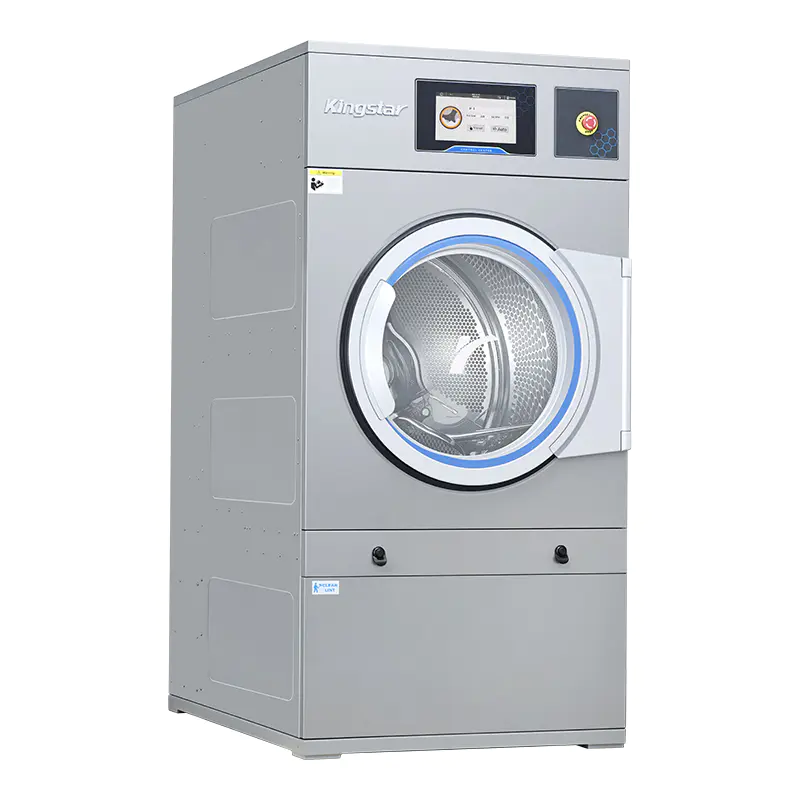
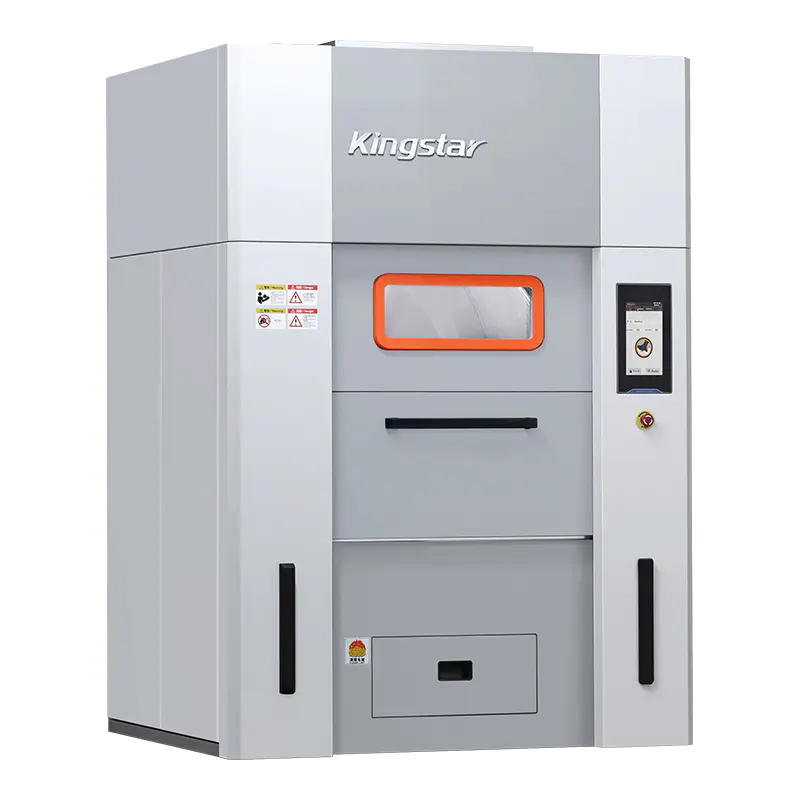
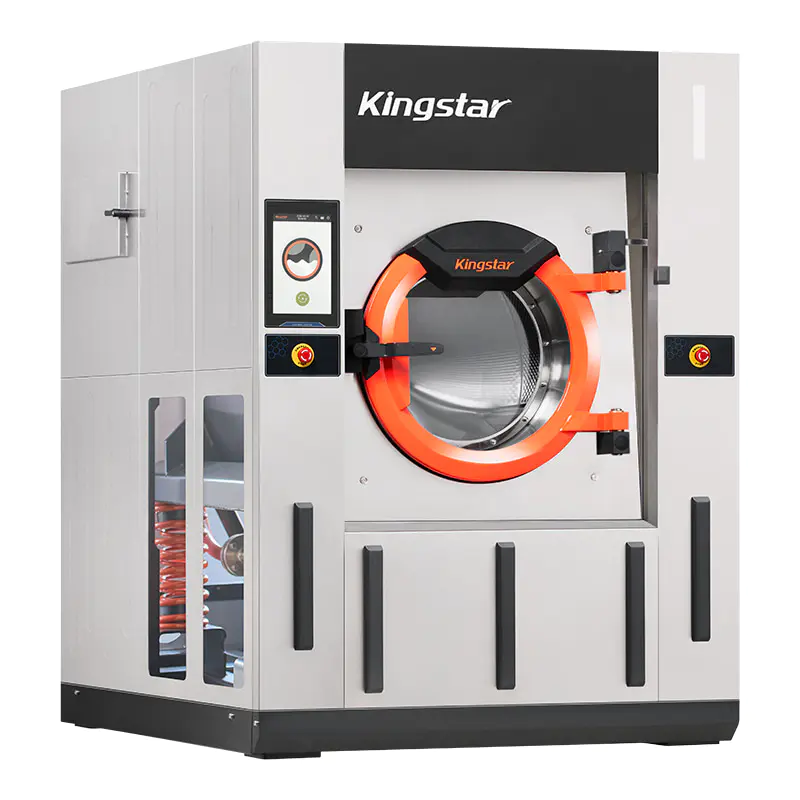
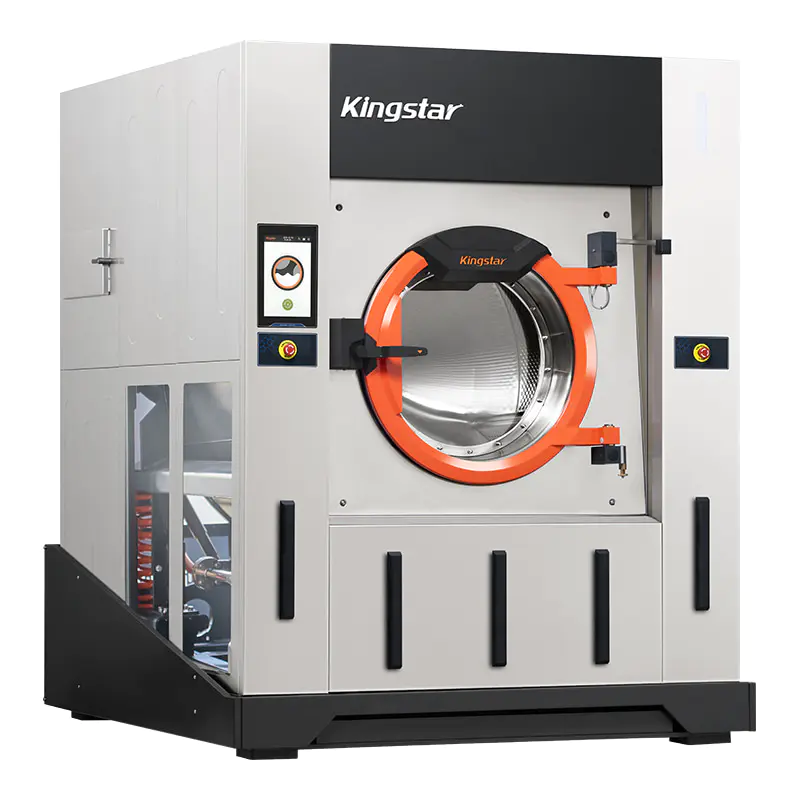
For those who want to avoid the above retrofit costs, Kingstar offers a factory-integrated alternative. Kingstar self-service washers are equipped with four payment options, including coin, QR code, card, and centralized payment. Thus, laundry operators don’t need to pay additional retrofit fees or install third-party card readers. This lowers upfront investment and shortens payback periods. It also further increases profit margins. In addition, Kingstar washers support multiple languages. They feature full-color touchscreen interfaces for easy and intuitive operation. Laundry customers of different countries, ages, and payment habits can pay in the way they like. This helps laundromats improve their competitiveness.
Conclusion
In the self-service laundry industry, payment methods are evolving rapidly. Market data show that the global laundromat industry is expanding continuously. The share of electronic payments has grown significantly over the past three years. Many laundry operators expect that cashless payment will dominate the market. QR code, card, and centralized payment systems are suitable for different scenarios. But machine-level QR code and card payment solutions are becoming the mainstream choices thanks to installation convenience, user experience, and functional scalability. Laundry operators invest thousands of dollars in retrofits with revenue increases of 17%-22%. This has proven to be a worthwhile business.
Some laundry operators plan to skip the retrofit stage and further shorten the payback period. Kingstar can provide more efficient solutions. The coin-operated era may not end overnight. But the shift to electronic payment is irreversible. For those who are still using coin-operated models, it may be the right time to explore upgrade options. Kingstar will help you make simpler and more cost-effective choices.
Q&A
Q1: Does Kingstar support connecting to self-developed payment management systems?
A1: Yes.
Q2: Can washing programs be copied between multiple machines in a laundromat?
A2: Yes, they can be copied using a USB flash drive.
Q3: Can the daily coin collection volume be checked on a machine?
A3: Yes. Kingstar self-service washers have statistical functions.
ADD:No.388 Xinggang Road, Chongchuan District, Nantong City, 226000, Jiangsu Province, China.
-
Phone: +86-13917089379
-
Tel:+86-13917089379
-
Fax:+86-0513-85663366
-
E-mail:louislu@kingstarlaundry.com