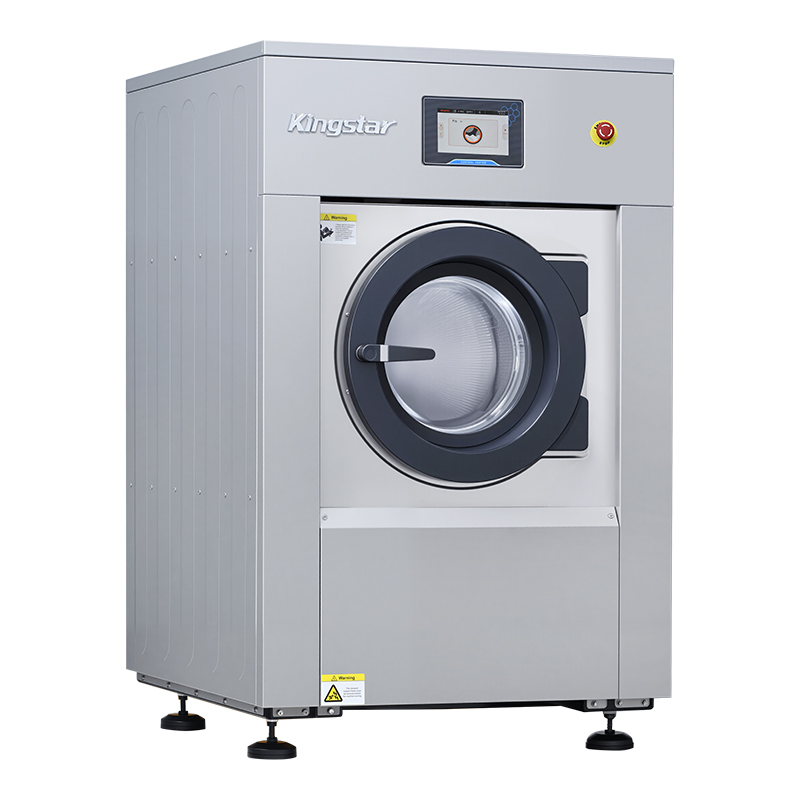
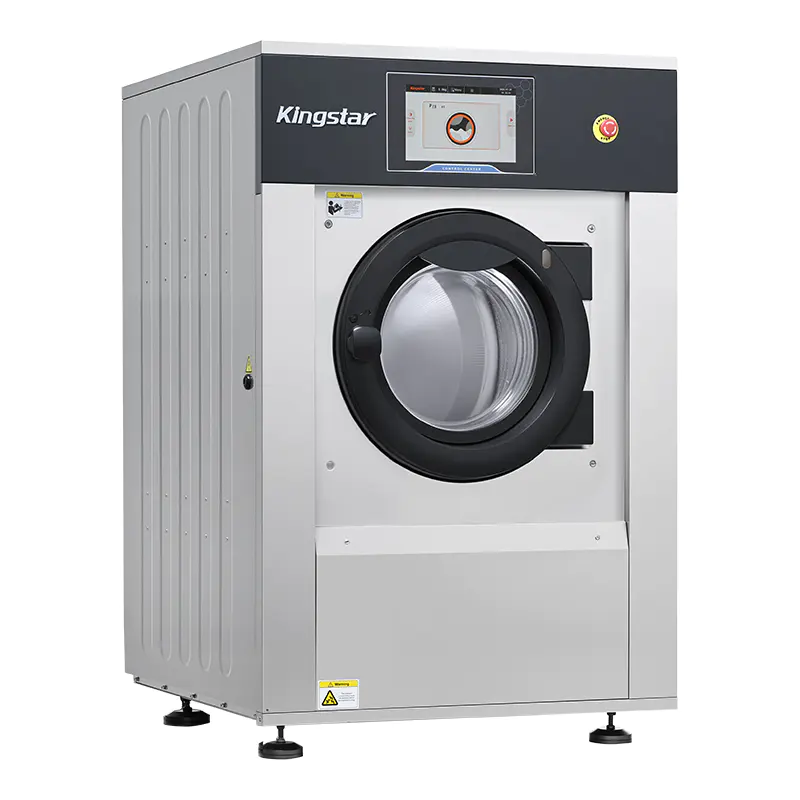
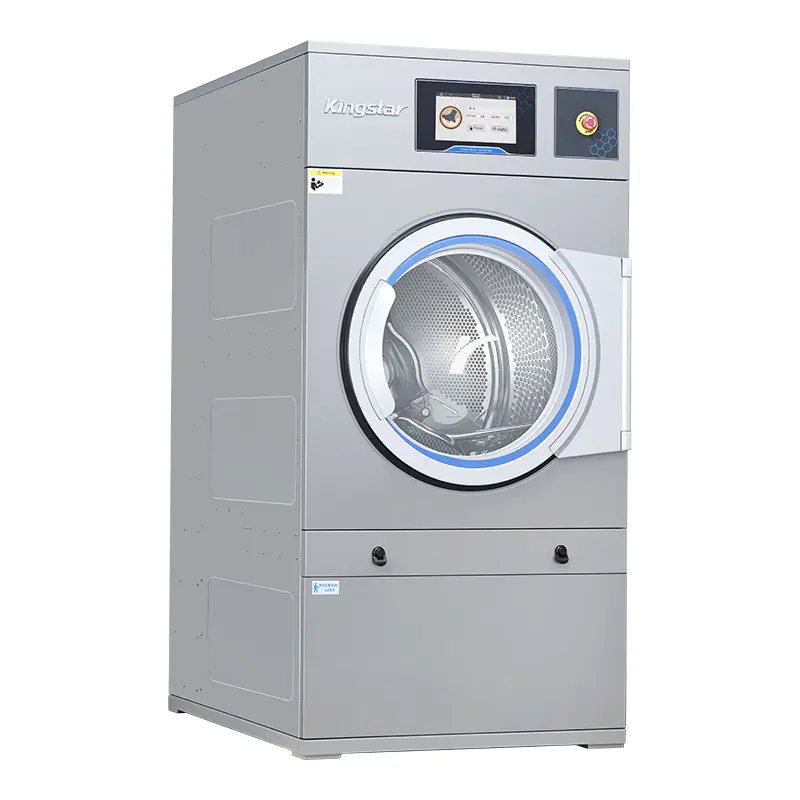
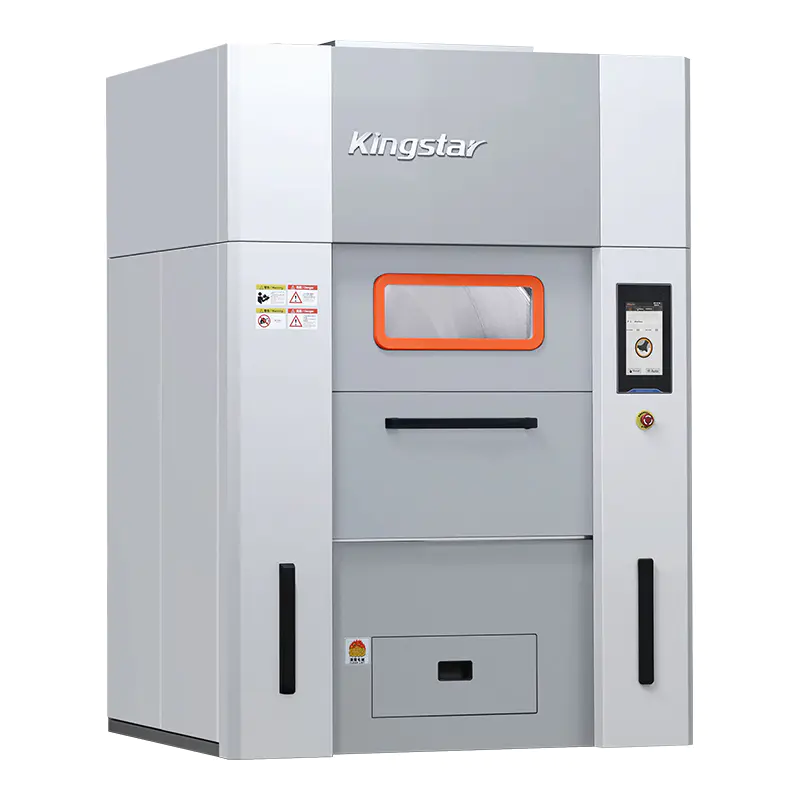
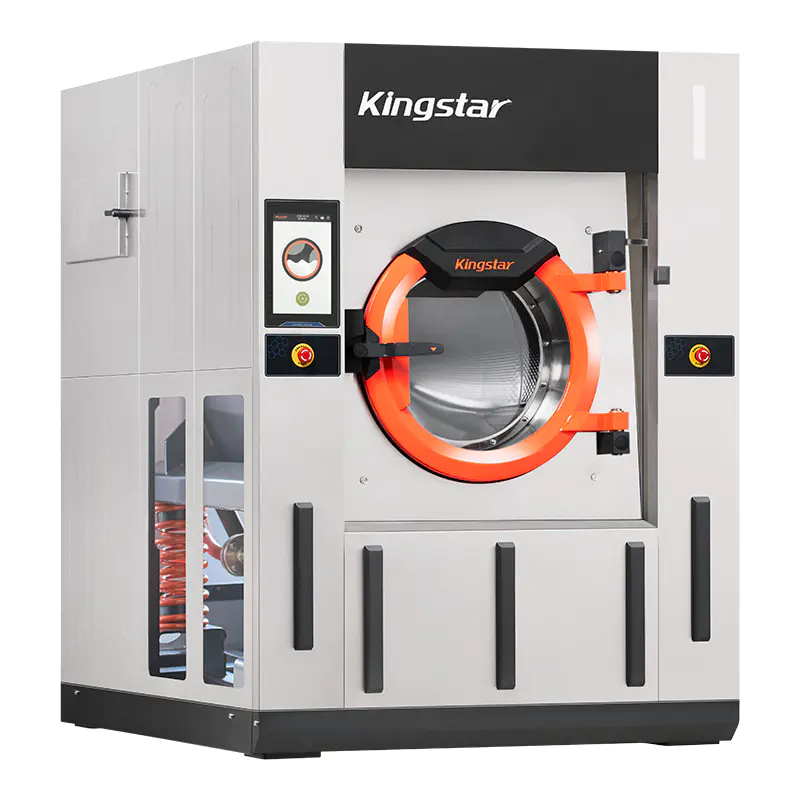
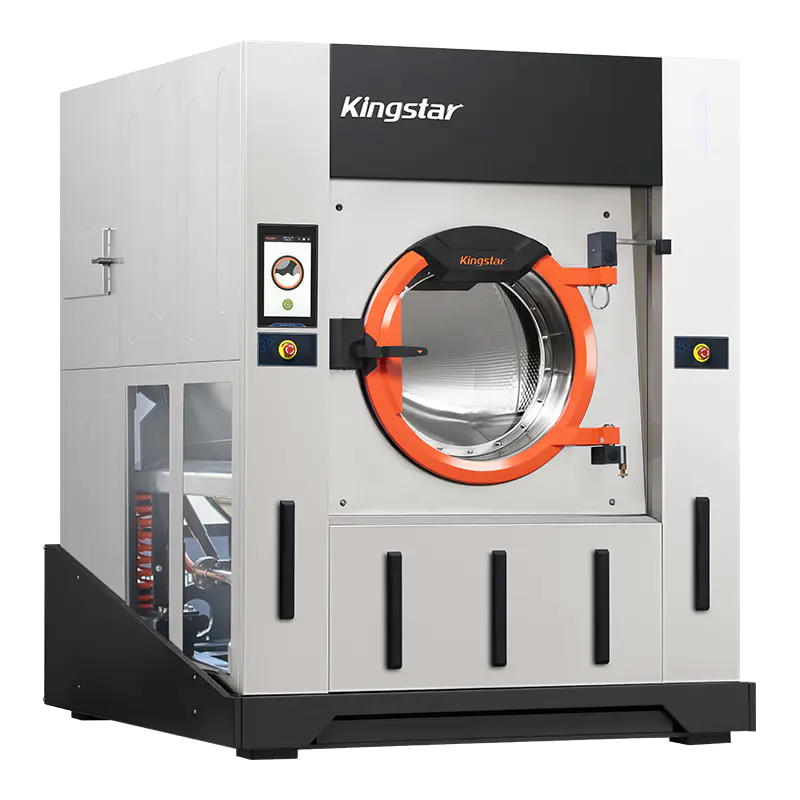
On-premise laundry works best when you already have a captive population — an apartment complex, dorm, hotel, or nursing home — while a self-service laundromat works best as a standalone destination business drawing customers from the surrounding neighborhood. The two models solve different problems: one adds a convenience amenity that boosts property value and resident retention, the other operates as its own profit center built entirely on foot traffic and machine turnover.
Machines installed within a property — apartments, dorms, hotels — for use by residents or guests only.
A standalone retail location open to the general public, generating revenue purely from coin or card transactions.
On-premise laundry, often shortened to OPL in the industry, refers to machines placed inside a property specifically to serve the people already living or staying there. A 200-unit apartment complex, for example, might install 10 to 15 washer-dryer pairs in a shared laundry room, generating modest but steady revenue while primarily functioning as a resident amenity that supports occupancy and rent levels.
A self-service laundromat, by contrast, is a standalone business built around public foot traffic. Success depends on visibility, parking, population density within roughly a one-to-two-mile radius, and machine capacity large enough to handle peak weekend demand without long wait times. It's a retail business first, and a laundry service second.
| Cost Factor | On-Premise Laundry | Self-Service Laundromat |
| Typical machine count | 8 to 20 units per property | 30 to 60 units for a full-size location |
| Equipment investment | $40,000 – $150,000 | $200,000 – $500,000+ |
| Real estate cost | Uses existing property space | Lease or purchase of standalone retail space |
| Plumbing and electrical upgrades | Often minimal if building already supports it | Significant — commercial-grade utility capacity required |
| Time to break even | 1 to 3 years, often amortized into property operations | 3 to 5 years typical for a new location |
The cost gap is largely a function of scale and utility infrastructure. A self-service laundromat needs commercial water heaters, three-phase electrical service in many cases, and gas or steam lines sized for continuous heavy-duty operation — costs an on-premise laundry setup can often avoid by tapping into a building's existing systems.
A well-located self-service laundromat with 40 machines can generate $15,000 to $30,000 in monthly revenue, though this varies heavily by region, population density, and pricing. Net margins after utilities, rent, and maintenance commonly land between 20% and 35% once the location is established.
On-premise laundry revenue is smaller in absolute terms — a mid-size apartment complex might see $2,000 to $6,000 a month from resident laundry room usage — but the real financial value often shows up indirectly, through improved resident retention and the ability to market laundry access as a leasing amenity. Property managers frequently report that a modernized on-premise laundry setup, particularly one with mobile payment and app-based machine availability, measurably reduces resident complaints tied to laundry access.
Commercial laundry equipment uses considerably more water and energy than residential machines, and the difference in usage patterns between the two models matters for cost planning:
A laundromat replacing a bank of older machines with high-efficiency models can often cut water usage by 30% to 40%, a saving that compounds quickly given how many cycles a busy location runs per day.
An on-premise laundry setup is constrained by whatever space already exists within the property — often a repurposed room sized for utility access rather than retail appeal. A self-service laundromat, on the other hand, depends heavily on site selection: visibility from a main road, adequate parking, and proximity to renter-heavy neighborhoods with limited in-unit laundry access are strong predictors of foot traffic and revenue.
| Consideration | On-Premise Laundry | Self-Service Laundromat |
| Typical square footage | 200 – 800 sq ft | 1,500 – 4,000 sq ft |
| Location dependency | Low — tied to existing property | High — visibility and traffic critical |
| Customer base | Fixed, existing residents/guests | Must be acquired and retained continuously |
Commercial washers and dryers typically last 10 to 15 years with regular maintenance, but usage intensity changes how quickly that lifespan gets used up. A self-service laundromat machine might run 6 to 10 cycles a day during peak periods, while an on-premise laundry machine in a smaller apartment complex might see 2 to 4 cycles daily. That difference means laundromat operators often replace machines on a rolling basis every 7 to 10 years to avoid the revenue loss of an out-of-service unit, while on-premise laundry equipment can frequently stretch closer to its full 15-year lifespan.
Downtime cost matters differently too. In a public laundromat, one broken machine during a Saturday rush is lost revenue that walks out the door to a competitor. In an on-premise laundry room, a broken machine is a resident inconvenience and a maintenance ticket — annoying, but rarely a direct hit to that day's transaction volume.
Self-service laundromats can run largely unattended with modern card and app-based payment systems, though many successful locations still staff an attendant during peak hours for cleaning, minor troubleshooting, and customer service — a factor that measurably improves repeat visit rates in competitive markets. On-premise laundry setups typically require no dedicated staff at all, relying instead on the property's existing maintenance team for occasional service calls.
Coin-only machines are increasingly the exception rather than the rule. Buyers evaluating equipment for either model now weigh:
Apartment complexes, student housing, senior living facilities, and hotels are natural fits for on-premise laundry, since the customer base is already fixed and the amenity value supports occupancy goals. A self-service laundromat suits urban and suburban neighborhoods with a high share of renters lacking in-unit hookups, dense multi-family housing without adequate on-site laundry, or areas with strong foot traffic near complementary businesses like grocery stores or dry cleaners.
Generally yes. On-premise laundry typically requires $40,000 to $150,000 in equipment since it uses existing property space and utility infrastructure, while a full self-service laundromat often needs $200,000 to $500,000 or more due to real estate, plumbing, and electrical upgrades.
A well-located laundromat with around 40 machines can generate $15,000 to $30,000 in monthly revenue, though this depends heavily on location, population density, and pricing strategy, with net margins commonly between 20% and 35%.
It can improve occupancy and resident retention more than it generates direct profit. Many property owners treat on-premise laundry as an amenity that supports rent levels and reduces turnover rather than a standalone revenue driver.
Commercial machines generally last 10 to 15 years, but self-service laundromats running high daily cycle counts often replace equipment every 7 to 10 years to avoid the lost revenue that comes with frequent breakdowns during peak hours.
It depends on the goal. On-premise laundry suits property owners who want to boost an existing building's amenity value with a fixed resident base, while a self-service laundromat suits owners looking to build a standalone business drawing revenue from public foot traffic.
ADD:No.388 Xinggang Road, Chongchuan District, Nantong City, 226000, Jiangsu Province, China.
Phone: +86-13917089379
Tel:+86-13917089379
Fax:+86-0513-85663366
E-mail:[email protected]
Cookies give you a personalized experience,Сookie files help us to enhance your experience using our website, simplify navigation, keep our website safe and assist in our marketing efforts. By clicking "Accept", you agree to the storing of cookies on your device for these purposes. Click "Adjust" to adjust your cookie preferences.For more information, review our Cookies Policy.