英语
英语 俄语
俄语 西班牙语
西班牙语 德语
德语
Home / News / Industry News / Scientific Bleaching Risk Prevention: A Professional Guide for Laundries

Kingstar is your trusted partner for industrial and commercial laundry equipment. We specialized in the R&D and manufacturing of high-end industrial washers, commercial washers and dryers. Meanwhile, we provide global clients with comprehensive planning, layout workflow design, and software-hardware integration services for smart laundry plants.
Industry News
Dec 15,2025
Scientific Bleaching Risk Prevention: A Professional Guide for Laundries
Nowadays, in the laundry industry, with a continuous upgrading of professional services, the use of bleach has become an important yardstick for measuring the professionalism of a store. A silk shirt that costs several thousand yuan may be completely scrapped due to an improper bleaching treatment. This not only means huge compensation but also causes irreversible damage to the professional reputation of the store. Based on Kingstar’s long-term observation of industry risks and technological accumulation, the article will systematically analyze the fabrics that are incompatible with bleach and provide scientific solutions.
Fabrics
● Silk
- Composition: Protein fiber
Strong oxidants (e.g., hydrogen peroxide, color-safe bleach, sodium hypochlorite solution) will directly attack the protein molecular structure, leading to a sharp drop in fiber strength, rapid yellowing, stiff hand feel, and a complete loss of luster and smoothness. Reducing agents are equally damaging under alkaline conditions.
- Care Recommendations
Bleaching is not recommended (low-temperature neutral oxygen bleach may be used selectively in some cases). Only a special neutral or weakly acidic detergent can be used for gentle hand washing, wet cleaning, or dry cleaning.
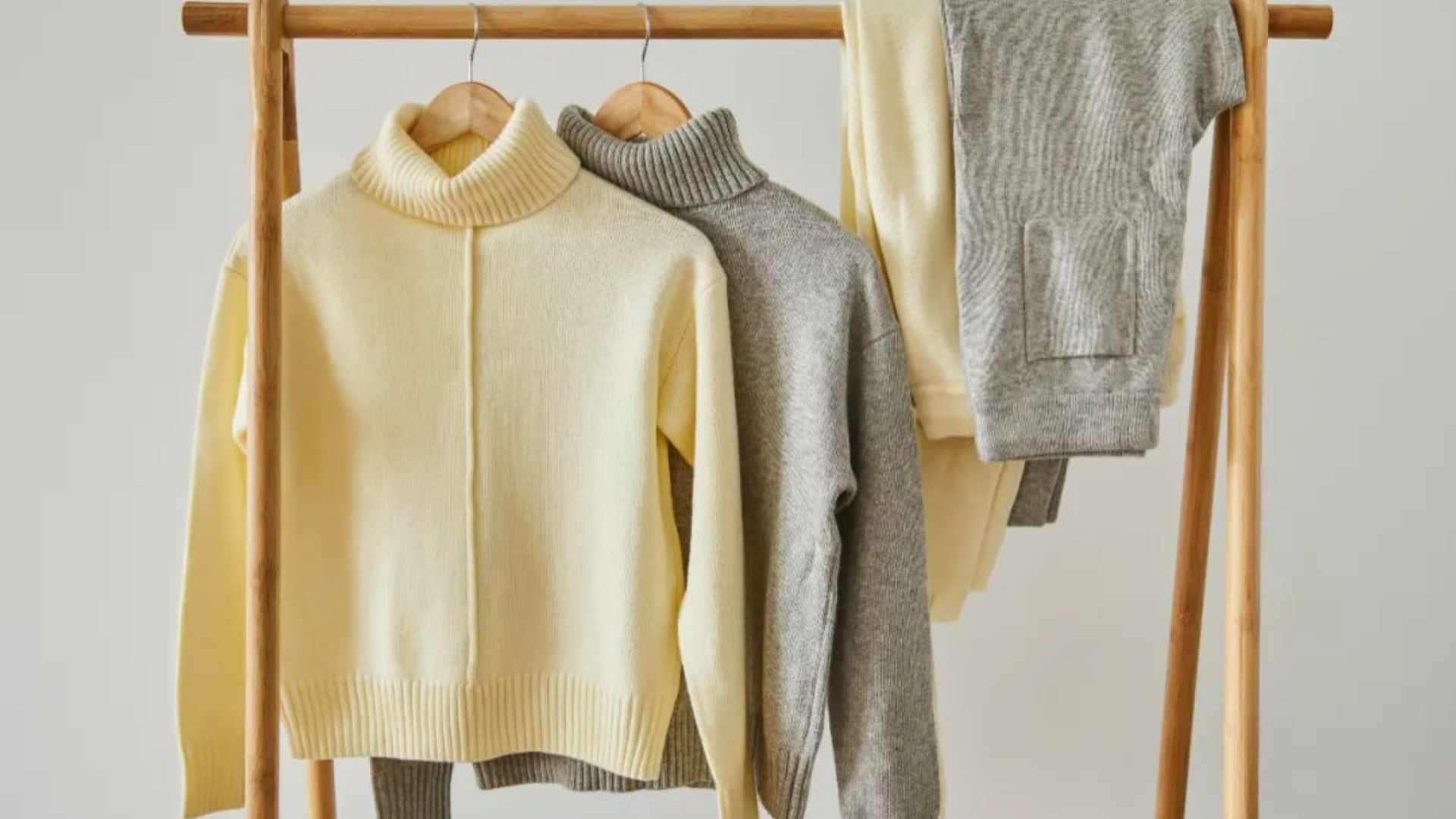
● Wool/Cashmere
- Composition: Protein fiber
The principle is the same as that of silk. Oxidative bleaching will damage wool scales and cause severe yellowing, shrinkage, and loss of elasticity. An expensive wool sweater may be ruined completely.
- Care Recommendations
Oxidative bleaching is not recommended (low-temperature neutral oxygen bleach may be used selectively in some cases). Use neutral detergent or cashmere conditioner, or opt for dry cleaning. For stain removal, low-concentration reducing agents can be tried with extreme caution under the guidance of professionals. In low-temperature and weakly acidic conditions, the treatment should be done with caution. However, this is by no means a regular operation.
● Spandex (Lycra)
- Composition: Polyurethane elastic fiber
Chlorine-containing bleaches (e.g., sodium hypochlorite solution) will directly damage the elastic structure of spandex and cause permanent loss of elasticity, stickiness, and even breakage. Spandex is present in almost all sportswear, underwear, and casual pants, so extra caution is required.
- Care Recommendations
The use of chlorine-containing bleaches is strictly prohibited. Other oxidizing agents should also be tested prior to use (low-temperature neutral oxygen bleach may be used selectively in some cases).
● Nylon
Reductive bleaching under alkaline conditions (e.g., thiourea dioxide) can cause hydrolysis of the fiber and reduced strength. Though nylon has relatively better tolerance to oxidizing agents, caution is still required.
- Care Recommendations
The use of reductive bleaches should be avoided. For stain removal, dilute hydrogen peroxide can be used for a short period under neutral and low-temperature conditions, and a preliminary test should be done before application.
● Acetate Fiber
It has inherently low strength and is sensitive to chemicals. Strong alkalis and oxidizing agents will cause it to lose luster, become stiff to the touch, and even dissolve.
- Care Recommendations
Wash with mild neutral detergent and avoid the use of any bleaching agents.
● All Colored & Dark-colored Garments
The nature of bleach is to cause fading. Both oxidative and reductive bleaches can easily lead to localized color loss, uneven discoloration, or overall lightening, and the process is uncontrollable.
Risk Warning
● When receiving garments, the first step for laundries is to identify the primary fiber composition. Silk, wool, spandex, nylon, and acetate fibers should be immediately placed on the high-risk alert list.
● Test! Test! Test! Before any treatment, do a small-scale test on concealed areas of the garment, such as the inner side, pockets, and seams, and observe changes in color and fabric for at least 5 minutes.
● Localized Treatment First
Prioritize targeted localized treatment for stained areas and avoid soaking the entire piece of clothes in bleach solution.
Bleaching Agents
● Chlorine-containing bleaches:
They are highly corrosive and only suitable for white cotton and linen fabrics. They damage fiber structures, so they are prohibited for non-professional use.
● Oxidative bleaches:
They are relatively mild and can be used for stain removal and brightening of cotton, linen, and polyester fabrics. However, temperature, concentration, and duration must be strictly controlled.
● Reductive bleaches (e.g., sodium hydrosulfite, thiourea dioxide):
They are mainly used for reductive cleaning of cotton fabrics, but they are “toxic” to protein fibers and nylon.
In the laundry service industry, our highest cost is not the chemicals. It is the sky-high compensation and reputation damage caused by a single improper operation.
Kingstar Professional Advice
In the laundry service industry, the biggest cost is not the chemicals, but the losses caused by improper operation.
● Testing: A small-scale test must be done on a concealed area before bleaching.
● Localized Treatment: Do spot treatment and avoid soaking the entire piece of clothing.
● Concentration Control: Strictly follow the standard mixing ratio. (It is better to use a weaker solution.)
● Time Management: Set a timer to prevent over-treatment.
Conclusion
With the continuous innovation of fabrics, the professional challenges faced by laundries are also continuously evolving. By introducing the intelligent equipment and establishing the scientific management system, laundry shops can avoid the risk of bleaches.
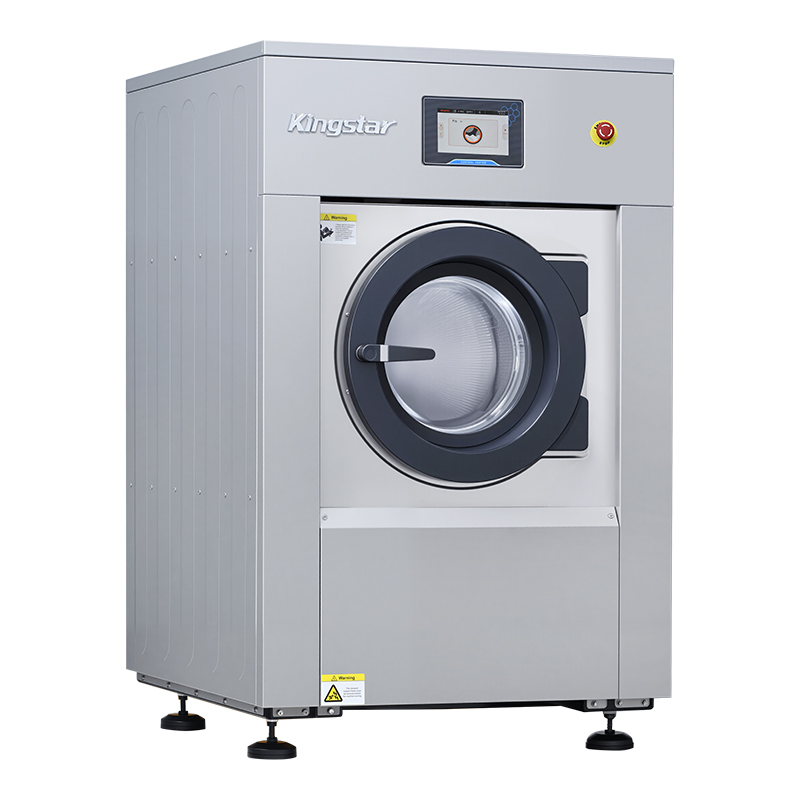
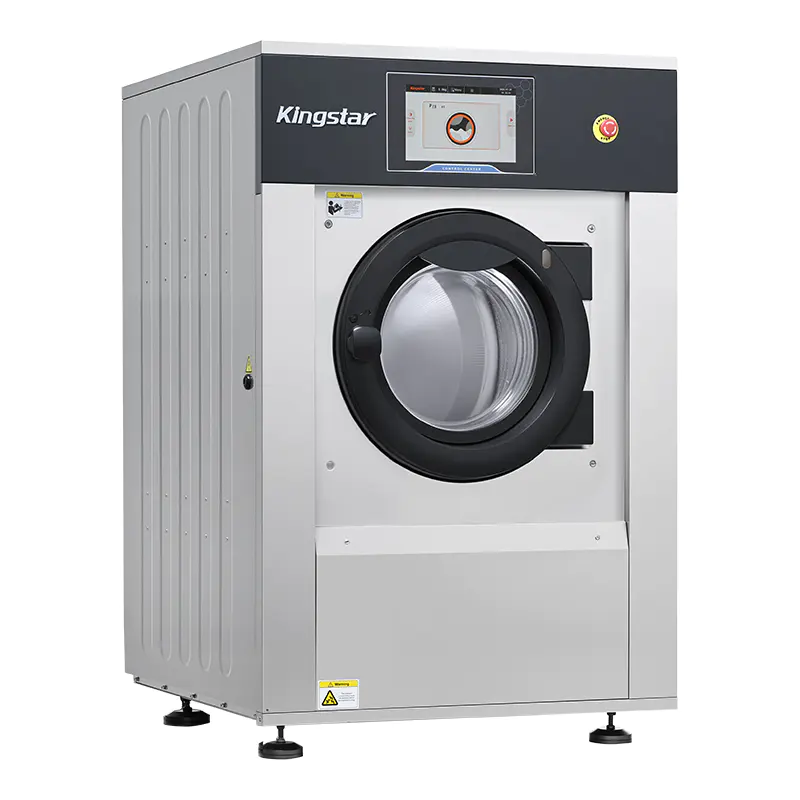
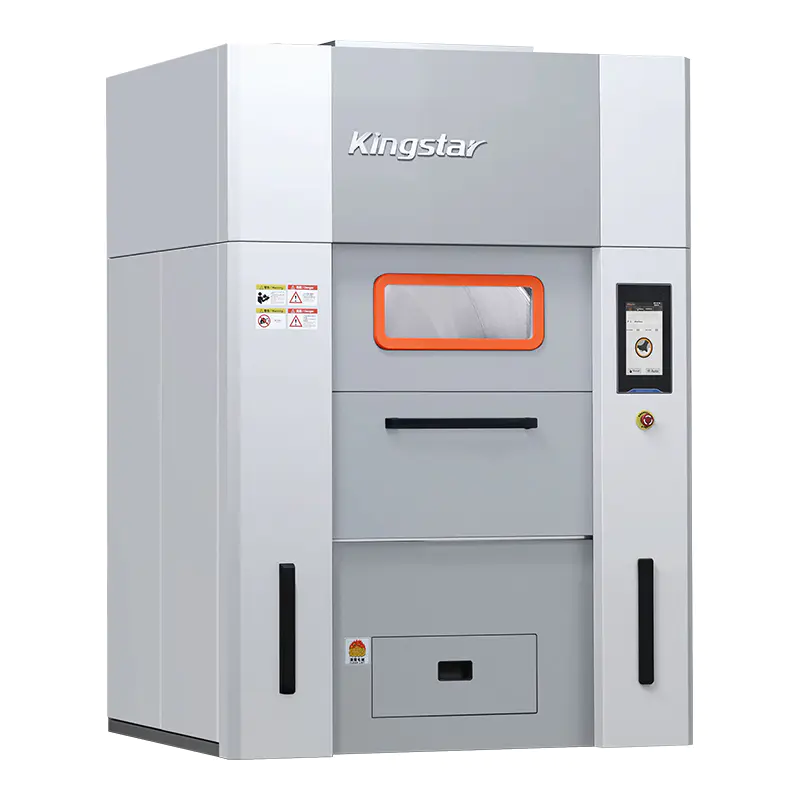
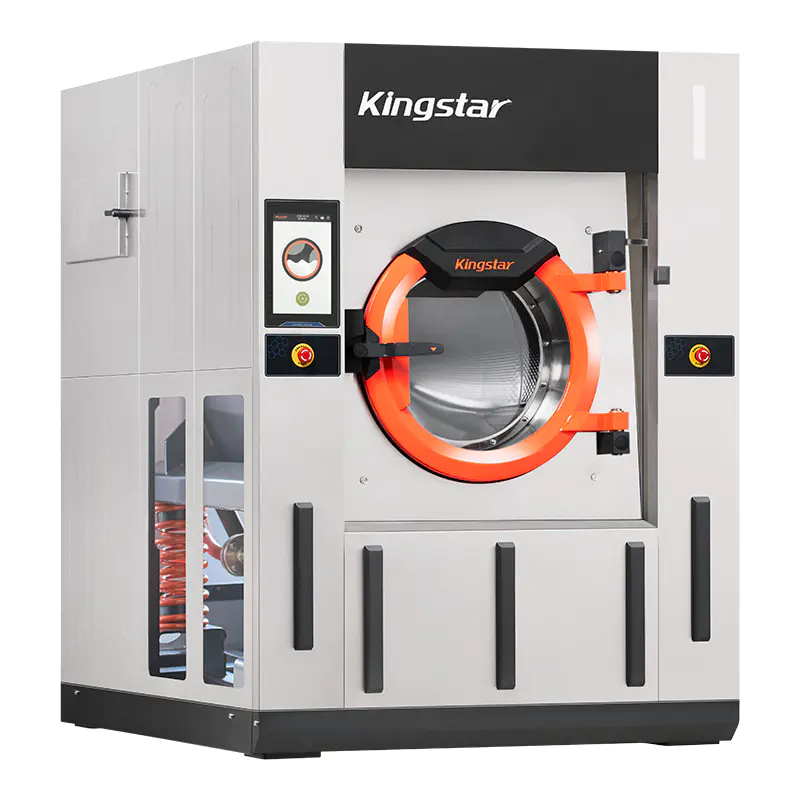
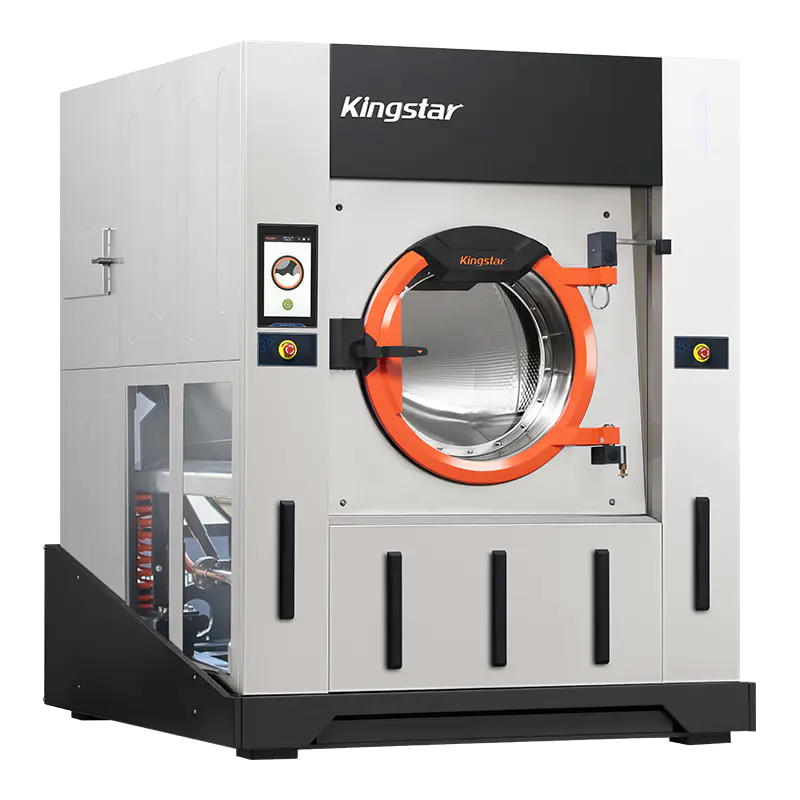
The standardized operation and precise control of chemicals should finally rely on equipment like the Kingstar industrial washing machine SHS-2024P. It transforms four golden rules: testing, local treatment, concentration, and time into unalterable machine language by precise water temperature control, program control, and automatic detergent dispensers, so as to reduce the risk of human misjudgment as much as possible. Kingstar is always dedicated to using more intelligent and more reliable washing solutions to help laundry shops achieve safer and more refined operation management. Kingstar helps the laundry industry walk steadily towards professionalism and win the lasting trust of the markets.
ADD:No.388 Xinggang Road, Chongchuan District, Nantong City, 226000, Jiangsu Province, China.
-
Phone: +86-13917089379
-
Tel:+86-13917089379
-
Fax:+86-0513-85663366
-
E-mail:louislu@kingstarlaundry.com
products