英语
英语 俄语
俄语 西班牙语
西班牙语 德语
德语
Home / News / Industry News / Summer Industrial Dryer Safety Maintenance Guide: Improving Ventilation and Heat Dissipation to Reduce Fire Risks

Kingstar is your trusted partner for industrial and commercial laundry equipment. We specialized in the R&D and manufacturing of high-end industrial washers, commercial washers and dryers. Meanwhile, we provide global clients with comprehensive planning, layout workflow design, and software-hardware integration services for smart laundry plants.
Industry News
Aug 20,2026
Summer Industrial Dryer Safety Maintenance Guide: Improving Ventilation and Heat Dissipation to Reduce Fire Risks
During the hot and humid summer season, industrial dryers in most Northern Hemisphere laundry plants and hotel laundry facilities enter a high-load operating period. In summer, linen has high moisture content, which requires multiple drying cycles. Workshops are in high-temperature environments. Exhaust duct blockage and poor heat dissipation become more frequent. They reduce drying efficiency as well as increase energy consumption. Lint buildup increases the fire risk.
In summer, it is important for laundry plants to operate and maintain industrial dryers. Kingstar has years of R&D and manufacturing experience in commercial and industrial dryers. They are equipped with smart temperature control and lint filter systems. Based on practical experience worldwide, Kingstar develops an overall summer dryer maintenance guide. It focuses on drying efficiency, electrical safety, and equipment service life.
Hidden Causes of Dryer Failures
● High-temperature & continuous operation
The indoor temperature is high in summer. Dryer heating tubes and fan motors run continuously under full load. Hot air cannot be discharged quickly. The inner heat buildup triggers an overheat trip. Long-term operation shortens the service life of heating components and fan motors.
● Lint buildup
In summer, linen volume increases significantly. Lint and loose fibers also increase. Delayed cleaning causes blockages in filter meshes and exhaust ducts. Hot air circulation gets restricted. Localized temperature may rise sharply. This ignites accumulated lint, which further causes fire accidents.
● Dryer overloading
During the rainy season, the linen moisture content is higher than that in other seasons. To meet the order deadline, laundry plants overload the dryer with linen. Hot air fails to penetrate the linen, which causes uneven drying. Long-term high-load operation accelerates motor aging and damage.
Standardized Maintenance Guide
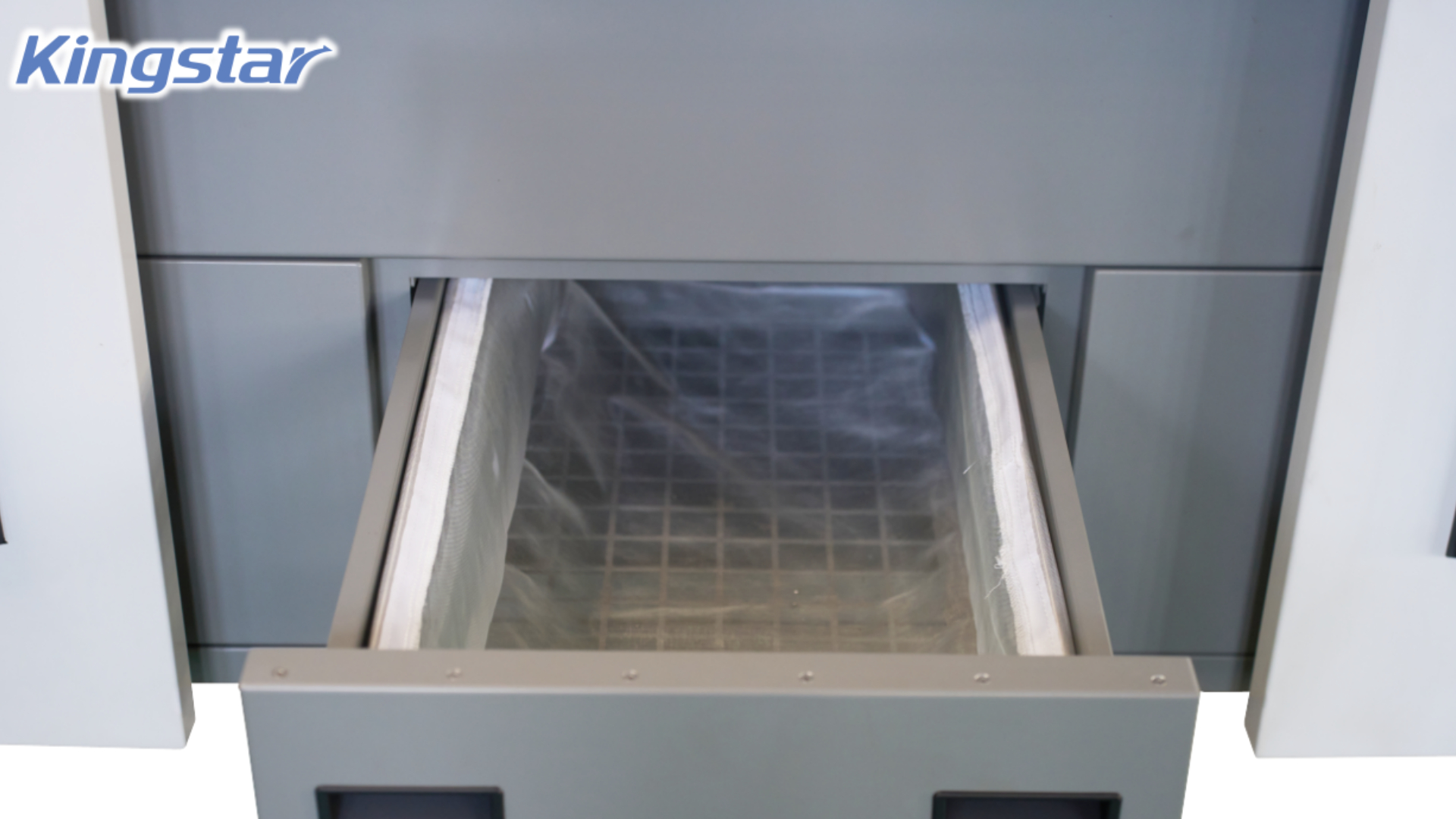
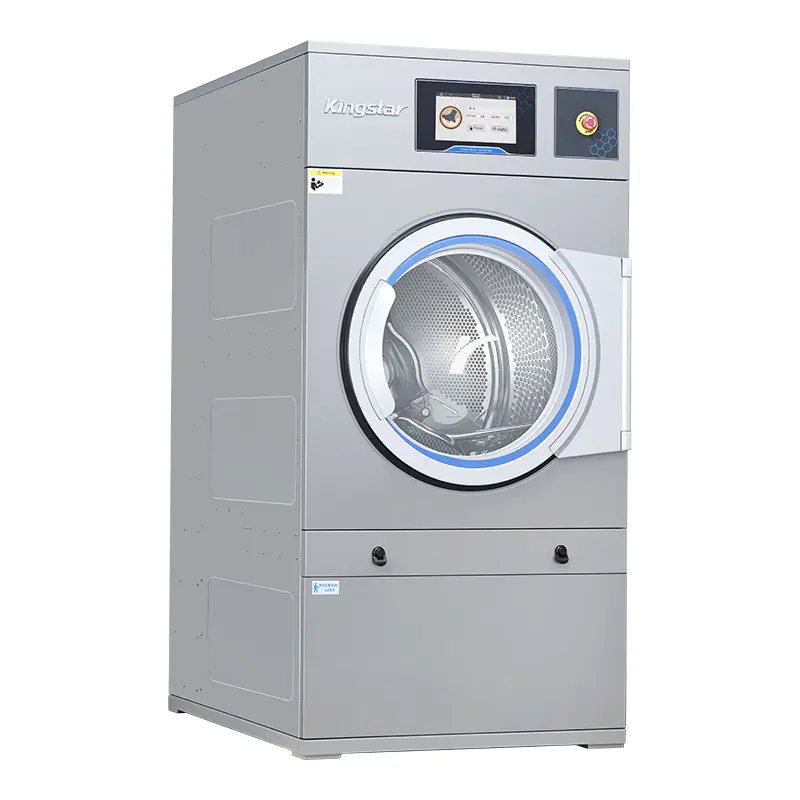
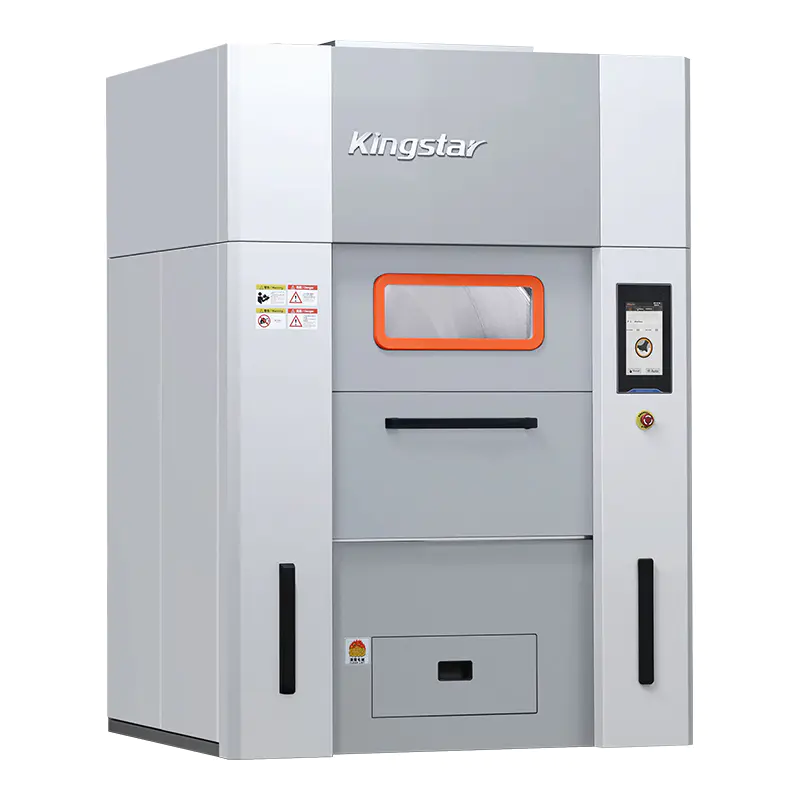
Kingstar industrial dryers are equipped with smart constant temperature control systems, pull-out lint filters, and international standardized air outlets. They meet the high-frequency drying requirements of global hotels and laundry plants. Three core maintenance steps are as follows.
● Clean the lint collection filter
After 3-5 drying cycles, remove the filter to clean lint and loose fibers. Kingstar industrial dryers use large-capacity pull-out filters and transparent inspection windows. The lint buildup level can be checked without equipment shutdown or disassembly. One worker can quickly clean the lint. Exhaust duct blockage directly reduces drying speed and increases energy consumption. At extremely high temperatures, this may trigger fire risks.
● Regularly unblock exhaust ducts
Check the external exhaust ducts every week. Clean the lint and debris attached to duct walls. This allows hot air to discharge smoothly. Kingstar air outlets follow international standards. They are suitable for various exhaust ducts. Exhaust duct blockage may cause heat backflow. This constantly damages heating tubes and fans. Before each summer peak season, thoroughly clean dryer exhaust ducts.
● Strictly control loading capacity
In summer, wet linen has a higher weight. Load 80%-90% of the rated loading capacity for hot air circulation. Overloading causes linen to be compressed and tangled, as well as uneven drying. Motor overloading brings frequent overheating shutdowns.
Moisture & Electrical Protection
In dryer rooms, maintain proper ventilation and heat dissipation. Meanwhile, in high-temperature areas, room temperature can be reduced by cooling fans.
For out-of-use equipment, disconnect the main power supply. Also, clean lint filters. Keep the dryer door open. Use desiccants in the dryer room. This protects fans, motors, and electrical connections from corrosion.
Weekly check electrical circuits (power cords and temperature control panels). They may get damp, have loose wiring connections and abnormal cabinet heating. A smart temperature control module can monitor internal temperature in real time. If the temperature exceeds the limit, it starts automatic shutdown protection.
Common Misconceptions
● Misconception 1
If there is not much lint, do not frequently clean filters. Long-term fine lint buildup gradually restricts airflow passages. Heat accumulation may cause hidden fire risks.
● Misconception 2
Fully load the dryer in one batch to meet the production deadline. High-moisture-content linen overloading significantly increases equipment load. This increases maintenance frequency and electricity costs.
● Misconception 3
Just clean equipment filters, but overlook external long exhaust ducts. Large amounts of lint may accumulate inside the ducts. This safety risk is easily overlooked in summer.
Q&A
Q1: During the hot summer season, how often do factories remove lint from the dryer?
A1: Clean the filter after 3-5 drying cycles. In rainy areas, factories may have large order volumes. They should clean the filter after 2 cycles. This can avoid lint buildup.
Q2: How to avoid summer dryer fire risks at the source?
A2: Regularly clean the filter. Weekly unblock exhaust ducts. Besides, do not overload wet linen. Keep hot air circulation. Avoid internal heat accumulation. Eliminate lint ignition risks caused by overheating.
Q3: What is the protective function of Kingstar dryer’s smart temperature control system during the hot season?
A3: The system controls hot air temperature in real time. If the exhaust duct gets blocked and the temperature exceeds the limit, it will automatically stop heating and give an alarm. This prevents overheating of heating tubes. At the hardware level, it reduces the likelihood of safety accidents.
ADD:No.388 Xinggang Road, Chongchuan District, Nantong City, 226000, Jiangsu Province, China.
-
Phone: +86-13917089379
-
Tel:+86-13917089379
-
Fax:+86-0513-85663366
-
E-mail:louislu@kingstarlaundry.com
products