英语
英语 俄语
俄语 西班牙语
西班牙语 德语
德语
Home / News / Industry News / Washing Difficulties and Professional Solutions for Cashmere Sweaters in Laundry Shops

Kingstar is your trusted partner for industrial and commercial laundry equipment. We specialized in the R&D and manufacturing of high-end industrial washers, commercial washers and dryers. Meanwhile, we provide global clients with comprehensive planning, layout workflow design, and software-hardware integration services for smart laundry plants.
Industry News
Jul 10,2026
Washing Difficulties and Professional Solutions for Cashmere Sweaters in Laundry Shops
In the changing period between winter and spring, lots of wool and cashmere sweaters require washing, except for thick down jackets and wool coats. In these winter garments, wool coats can be easily processed. Apply spotting agent to collars, cuffs, and pockets. Then place them into a dry cleaning machine or a wet cleaning machine. Wool sweaters are also prone to being cleaned. Simply handle the collars and cuffs. Put them in a mesh bag. And choose dry cleaning or wet cleaning.
Washing Difficulties
Cashmere sweaters are difficult to clean. They are made of ultra-thin protein fibers. Stains can easily penetrate into fibers. Simple stain removal is ineffective. Excessive mechanical action leads to color fading. Therefore, it is not easy to clean cashmere sweaters.
Take a piece of light-green cashmere sweater as an example. It is beautiful and comfortable. But it requires complex cleaning methods. Dry cleaning fails to remove coffee, wine, or juice stains. It may worsen this condition. A correct method is to first process stains that cannot be removed by dry cleaning. Place it in a mesh bag and select a wet cleaning mode for cashmere. This helps prevent cashmere sweaters from distorting and being enlarged.
In actual operations, some cashmere sweater cuffs are severely soiled. After dry cleaning, stains still remain. An additional stain removal is ineffective. One laundry operator used color bleach to clean garments. This triggers garment whitening, which is irreversible.
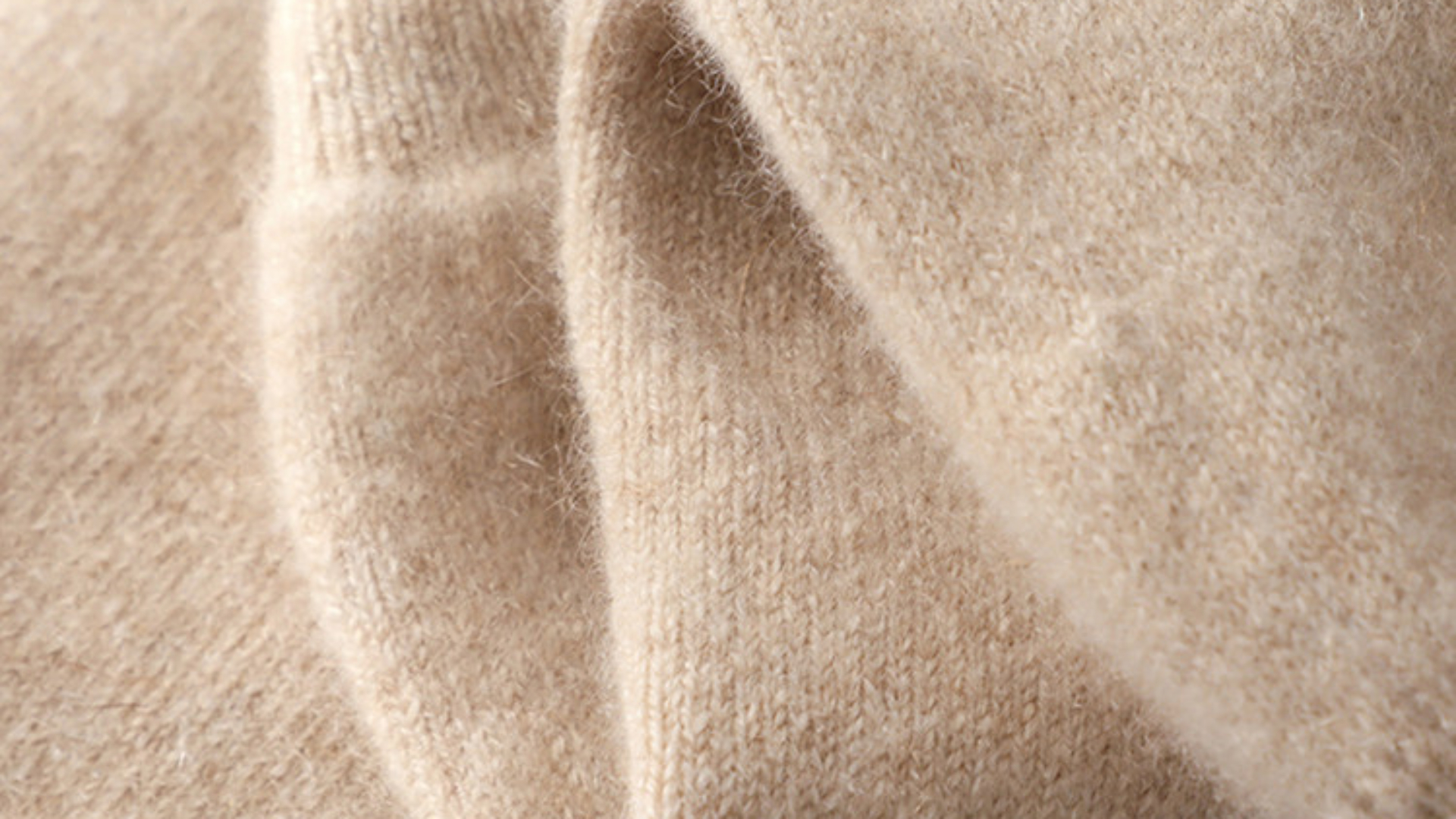
Cashmere Characteristics
Cashmere grows on the outer layer of a goat’s skin. It hides at the root of coarse animal hair. It is a layer of thin and fine fur. After the autumn equinox, sunshine hours decrease. It grows against the cold. After the spring equinox, sunshine hours increase. It is released from the goat. Cashmere is a precious animal fiber. Its output only accounts for 0.2% of the total world animal fiber output. Due to its premium and outstanding quality, it is traded by weight in grams. It is also described as “fiber jewel”, “fiber queen”, and “soft gold”. Other fabrics cannot compare with it. In the world, about 70% of cashmere comes from China. And its quality is better than that of other countries’.
Most cashmere is washable. However, it requires a higher washing technique and detergents. Many non-professional laundry operators lack experience. This leads to severe cashmere garment distortion after cleaning, such as stretching of sleeves or shrinking of bodies. Therefore, how can cashmere be safely cleaned? Dry cleaning or wet cleaning? What issues should be paid attention to during dry cleaning? How can wet cleaning be operated? For color-fading cashmere garments, how can a laundry shop reduce loss?
Professional Solutions
Cleaning cashmere garments requires reliable technology. Professional washing points are as follows.
● Dry cleaning
Dry cleaning mainly applies to cashmere sweaters which are initially clean or have grease-based stains. Gentle washing programs should be used. Because the standard wash mode has excessive mechanical action. It easily leads to cashmere sweater distortion. Whether in standard or mild wash mode, a mesh bag is indispensable.
● Wet cleaning
Traditional industrial washers have high mechanical action. Unstable temperature easily makes cashmere sweaters stretching. Many laundry shops use hand washing. But for many seasonal garments, it is inefficient. Water temperature and mechanical action cannot be controlled. So washing quality is hard to guarantee.
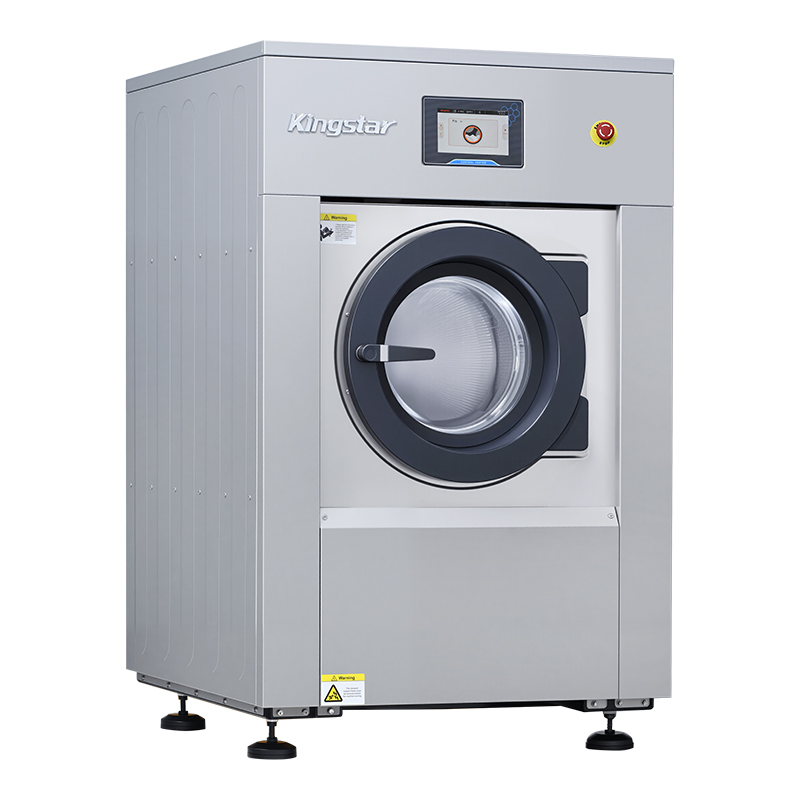
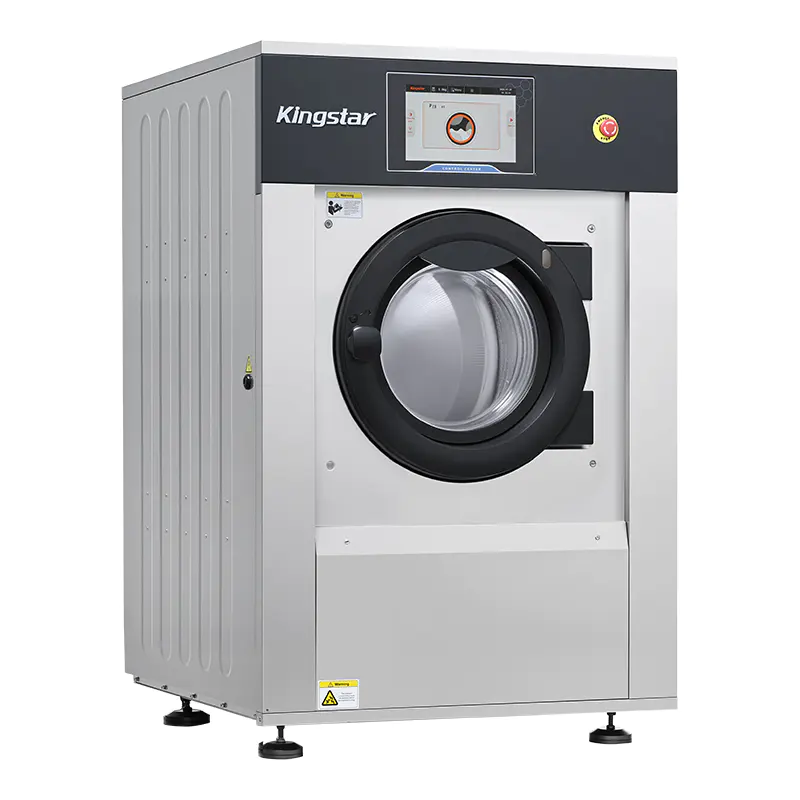
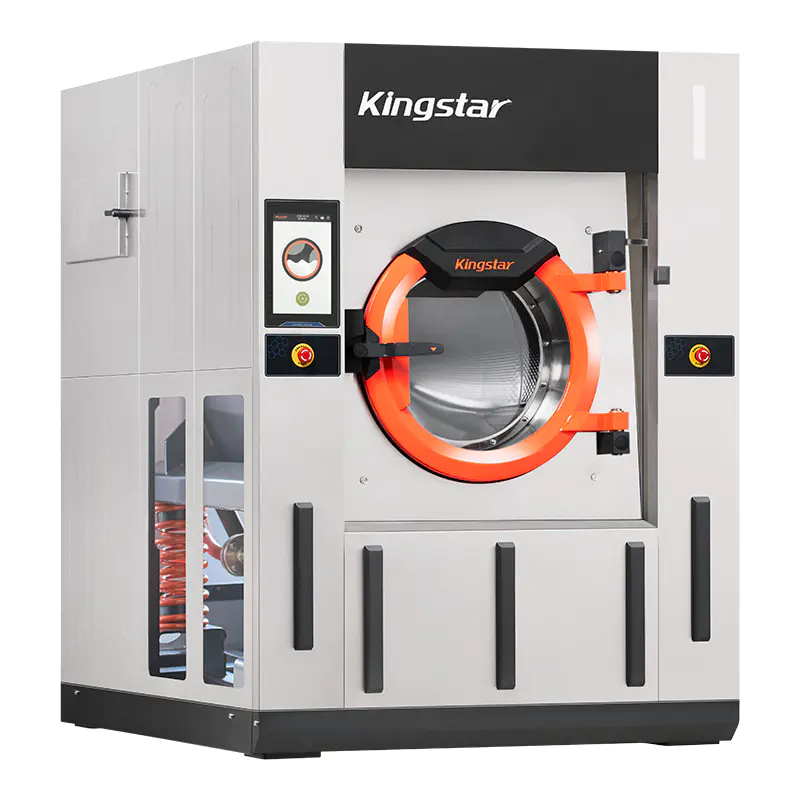
A Kingstar wet cleaning machine helps solve this issue. Use a professional cashmere detergent. Set the water temperature to 25℃. The spin speed is 15 RPM. The rotation-to-pause ratio is 3/27. The main wash time is 10 minutes. Then drain and rinse two cycles. Drainage is also required between the two rinses. Do not choose extraction. This helps reduce friction. After the two rinses, choose 500 RMP extraction. During the washing process, cashmere sweaters should be put in a mesh bag.
● Drying
After washing, cashmere sweaters require flat drying. This effectively avoids looseness. They should not be exposed to sunshine.
● Ironing
While ironing, avoid stretching. Spread out cashmere sweaters. Use a steamer to gently iron the garment’s surface. Do not press too hard. Otherwise, fiber matting easily happens.
● Stain removal
Stain removal is important for some heavily soiled cashmere sweaters, whether in a dry or wet cleaning process. Professional stain removers are effective. They are also safe for cashmere fibers. Do not use inferior stain removers. Otherwise, fiber shedding or color fading may occur. Dry cleaning cannot remove wine stains. Wet cleaning is also ineffective. Oxidation bleaching can be used. Do not use color bleach powder. It causes color fading. Prioritize using hydrogen peroxide to rinse. During the process, avoid long-term soaking. Constantly rotate garments to maintain the same color while removing stains.
Conclusion
Cashmere sweater washing has high requirements for technology and experience. Laundry shops should learn the correct dry cleaning, water washing, drying, ironing, and stain removal methods. Therefore, garments can maintain their cleanliness, good shape, and new color. For the existing washing incidents, use scientific and gentle methods. This helps minimize losses. Only by keeping on learning can laundry shops handle every piece of precious cashmere in the peak season.
Q&A
Q1: Where is Kingstar’s production base?
A1: Kingstar is located in Nantong, Jiangsu. It was founded in Shanghai. It has over twenty years of manufacturing experience in laundry equipment.
Q2: Kingstar equipment is used in what countries?
A2: Kingstar has customers in over 70 countries, such as America, England, France, Brazil, and Indonesia.
Q3: Does a Kingstar wet cleaning machine support preset programs?
A3: Yes. It has built-in programs. They are programmed by senior laundry experts. It also supports self-editing.
ADD:No.388 Xinggang Road, Chongchuan District, Nantong City, 226000, Jiangsu Province, China.
-
Phone: +86-13917089379
-
Tel:+86-13917089379
-
Fax:+86-0513-85663366
-
E-mail:louislu@kingstarlaundry.com
products