英语
英语 俄语
俄语 西班牙语
西班牙语 德语
德语
Home / News / Industry News / Why Do Wool Sweaters Still Shrink After Dry Cleaning? — Laundry Troubleshooting & Wet Cleaning

Kingstar is your trusted partner for industrial and commercial laundry equipment. We specialized in the R&D and manufacturing of high-end industrial washers, commercial washers and dryers. Meanwhile, we provide global clients with comprehensive planning, layout workflow design, and software-hardware integration services for smart laundry plants.
Industry News
Feb 10,2026
Why Do Wool Sweaters Still Shrink After Dry Cleaning? — Laundry Troubleshooting & Wet Cleaning
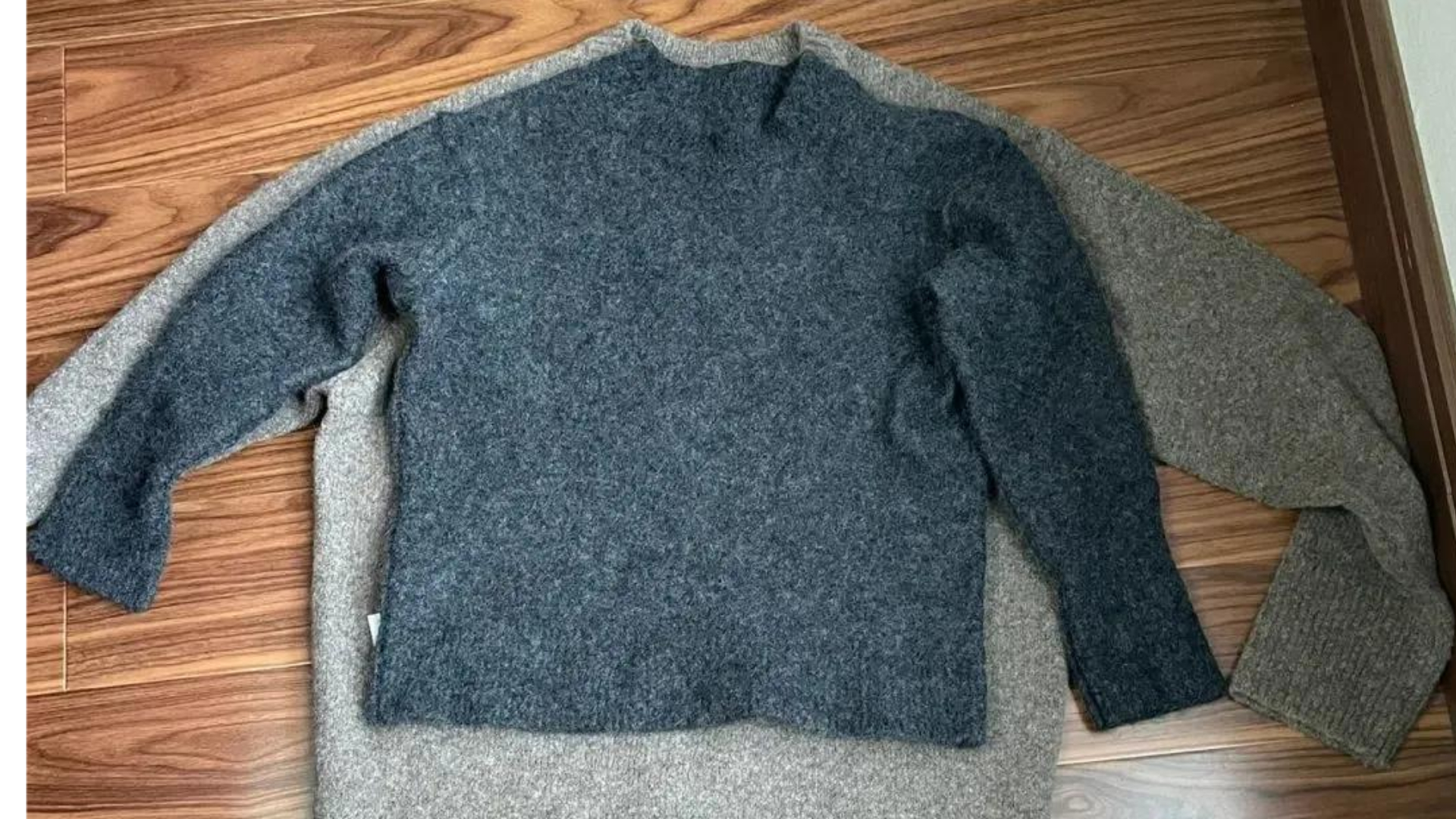
In the operation of the laundry shops, woolen clothes and cashmere clothes are usually sent to the laundry shops for dry cleaning to avoid the risk of shrinkage. However, some woollen sweaters still shrink after dry cleaning. This is typically due to the hidden danger in the equipment status or operation process, instead of the failure of the dry cleaning principle. This article will deeply analyze the core reasons, provide an inspection list, and explore a more controllable and meticulous path.
Root Causes of Accidents
The drying cleaning lies in using other solvents instead of water to prevent wool fibers from swelling and felting when exposed to water. As a result, any link that causes moisture content enter the dry cleaning system abnormally is a potential source of accidents.
In many cases, failure of the oil-water separator is the main reason. A properly functioning oil-water separator efficiently separates and removes moisture from the circulating solvent. Once damaged, moisture continuously accumulates in the solvent tank, so the cleaning actually occurs in a moisture-laden environment. Under such conditions, wool fibers still undergo limited swelling, and the risk of shrinkage increases significantly under mechanical action.
Systematic Inspection and Operation Standard
Once there is an accident, people should follow the following steps for diagnosis and repair to protect the professional reputation of the laundry shops.
● Equipment
- Condition of solvent
Inspect the cleaning solvent through the sight glass for clarity. If it is cloudy, layered, or has water droplets at the bottom, this means the moisture content is very high.
- Distillation
Observe if the distilled solvent is clear. If the distillate is cloudy or has water, it means moisture is being reintroduced into the system.
- Proper Drainage
Regularly check and manually operate the drain valve of the oil-water separator to ensure it has no blockages and functions properly.
- Hidden Leaks
Check the drying heater for cracks that may cause condensate leakage. It is very hazardous and difficult to detect.
- Maintenance Regime
Strictly implement a regular cleaning and maintenance schedule, including for the button trap, oil-water separator, still, etc. This is fundamental to prevention.
● Operational process
- Pre-treatment
After using too much water-containing pretreatment agents, people should not dry clean the clothes immediately and should wait for full evaporation of moisture.
- Initial temperature
Damp clothes should not be dry-cleaned directly. They should be air-dried to half-dry.
- Fabrics protection
Delicate fabrics should be put in the fine-mesh laundry bags to reduce friction.
- Washing parameters
Time: The washing time of sensitive fabrics like wool should be short. (3 to 10 minutes)
Temperature: The drying temperature should be below 55-60℃. For sensitive fabrics, the temperature should be 40 to 45 degrees Celsius.
Force: Using medium speed during extraction can avoid high-speed spin cycles to prevent stretching of wet fabrics.
Value of Controllable Wet Cleaning
By rigorous maintenance and operation, dry cleaning accidents can be greatly avoided. However, for rare cashmere and fine-spun wool that pursue top-notch feel and fluffiness, modern laundries have a more advanced option: precise and controllable professional wet cleaning. The risks mainly come from the rough management of water, heat, and mechanical forces. Its potential to surpass dry cleaning lies in the separate and precise control of three key elements. Let’s see how Kingstar wet cleaning solutions achieve fine care.
● Extremely gentle and mild mechanical forces
- Extremely low spinning speed
It provides a washing spinning speed of 15rpm to simulate gentle manual stirring so as to eliminate the entanglement of fibers caused by severe drops.
- Intelligent spin/pause ratio
The spin/pause ratio can be set as 10s/20s. Rotation is for cleaning, and pause is for the relaxation of the fibers.
● Temperature management
The entire washing process can be strictly set at a low-temperature range below 30℃ to completely avoid the catalytic effect of heat on the fibers.
● Programmable standardized care
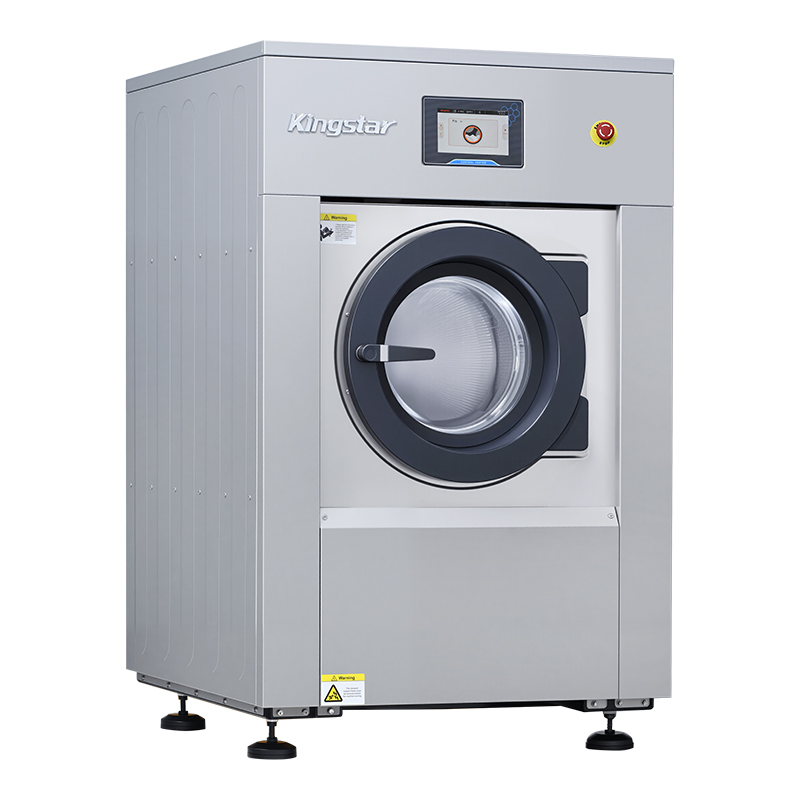
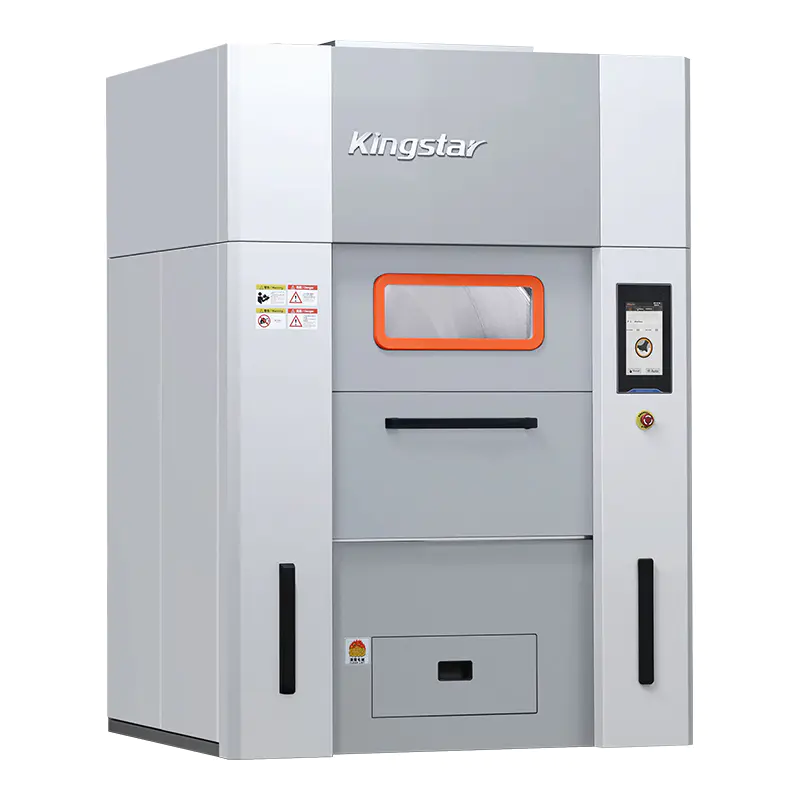
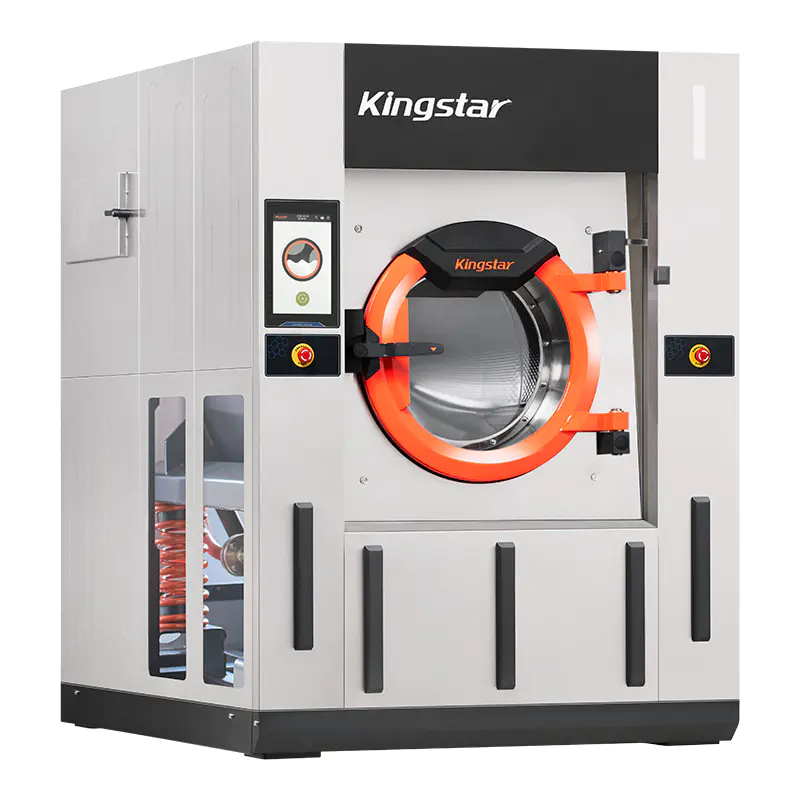
Kingstar wet cleaning machine SHS-2025P has a control system that can customize and store up to 79 sets of washing programs for different categories. Solidifying the best water temperature, action, and time plans helps achieve replicable, high-quality hair care and transform the reliance on experience into stable and reliable techniques.
Conclusion
Shrinkage after dry cleaning is the red light of the systematic maintenance and operational standards. With scientific inspection and fine operations, people can effectively solve the problem. Facing the customers' demanding requirements for caring for the top fabrics, embracing the precisely controllable and predictable intelligent technology, just like Kingstar wet cleaning solution, is an important step for laundry shops to move from “avoiding damage” to “proactive care”. Then the laundry shops can establish professional barriers and achieve service value-added.
Q&A
● Q1: When a customer asks, “Why did it shrink even after dry cleaning?” how should laundry shops respond and troubleshoot professionally and appropriately?
A1: The response should show professionalism and accountability.
First: express understanding and apology for the customer’s experience, and commit to a thorough investigation immediately.
Second: conduct an internal review right away using the “Equipment Inspection” and “Operating Procedures” checklists above, focusing on the oil-water separator, solvent moisture content, and recent operation records.
Third: explain possible technical causes objectively to the customer, and tell them about the corrective actions already taken.
Fourth: Laundry shops can offer a professional restoration plan on the basis of the clothes’ condition. They can also clarify warranty and compensation measures, which is a chance to show expertise and rebuild trust.
● Q2: How to do quick daily self-checks to prevent water ingress in dry cleaning machines?
A2: Establish simple daily inspection and operating habits.
- At the beginning of each day, staff should check the solvent tank through the sight glass to see whether the liquid is clear and transparent or not.
- Staff should open the drain valve of the oil-water separator for a few seconds and see if any water is discharged.
- Staff should check the clarity of the distilled solvent.
- The moisture on pre-treated areas should be dry before clothes enter the machine.
● Q3: How do laundry shops promote Wet Cleaning service?
A3:
- Laundry shops should explain details to customers: shrinkage, dry cleaning, and how professional wet cleaning achieves deeper cleaning safely for customers.
- Staff in laundry shops should tell customers that wet cleaning keeps the loft, softness, and luster of natural fibers. (cashmere and wool) They are harder to achieve with dry cleaning.
- Introduce professional wet cleaning equipment and its wool-specific programs (the Kingstar Full Wool Wash program) to show technical support. Showing before-and-after care examples is the most persuasive.
- Position it as a deep SPA treatment for precious clothes, and make the price difference reasonable.
ADD:No.388 Xinggang Road, Chongchuan District, Nantong City, 226000, Jiangsu Province, China.
-
Phone: +86-13917089379
-
Tel:+86-13917089379
-
Fax:+86-0513-85663366
-
E-mail:louislu@kingstarlaundry.com
products