英语
英语 俄语
俄语 西班牙语
西班牙语 德语
德语
Home / Author / Suyin Huo — Regional Sales Executive / Commercial Dryer: Advanced Industrial Drying for High-Volume Laundry Operations

Kingstar is your trusted partner for industrial and commercial laundry equipment. We specialized in the R&D and manufacturing of high-end industrial washers, commercial washers and dryers. Meanwhile, we provide global clients with comprehensive planning, layout workflow design, and software-hardware integration services for smart laundry plants.
Suyin Huo — Regional Sales Executive
Aug 19,2026
Commercial Dryer: Advanced Industrial Drying for High-Volume Laundry Operations
Introduction
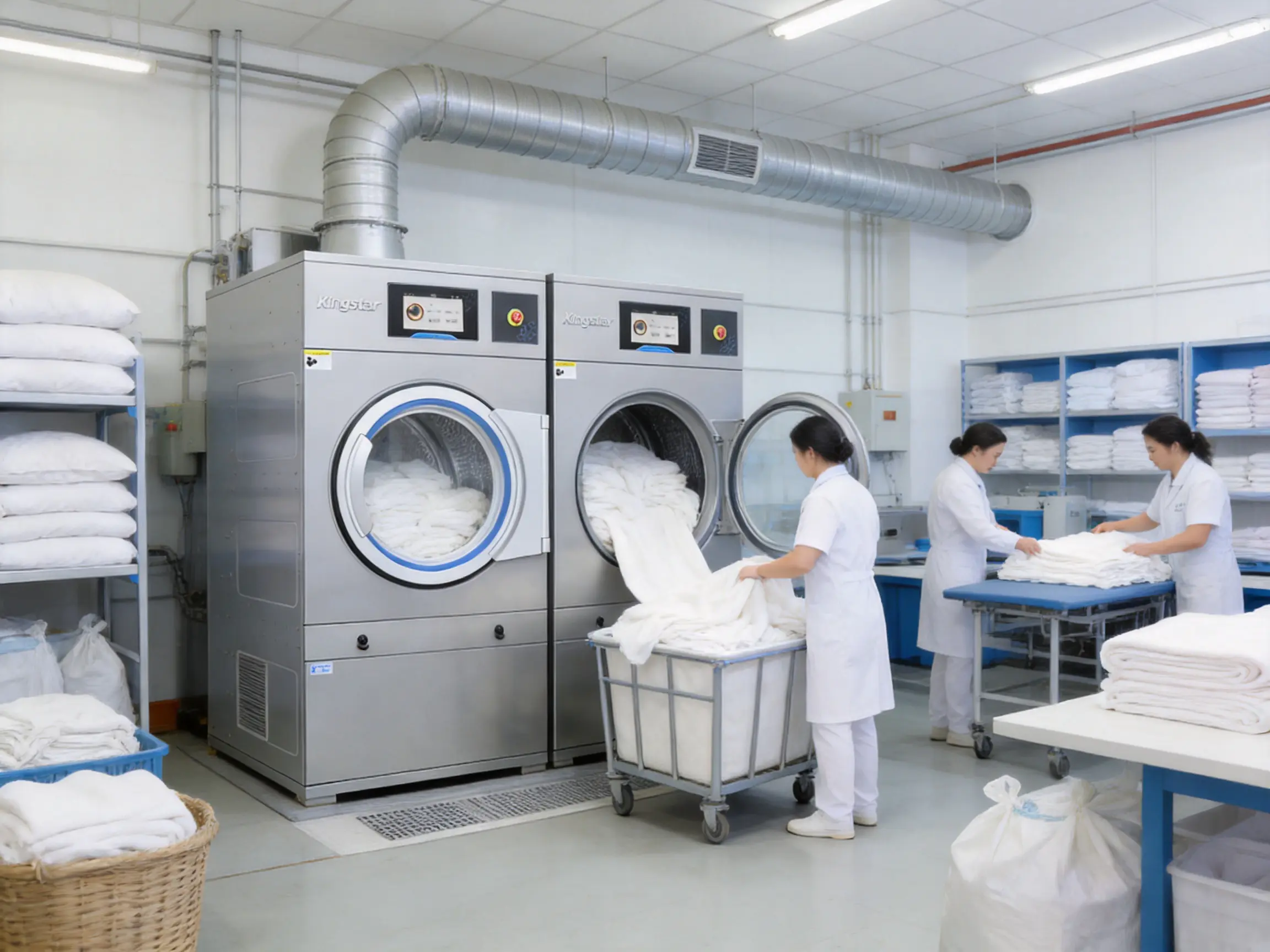
Commercial laundry operations require equipment that can deliver dependable performance, high productivity, efficient heat transfer, and consistent textile care day after day. A domestic dryer may be suitable for a household, but it is not designed for the demanding workload of a laundromat, hotel, hospital, dry cleaner, textile service provider, or institutional laundry. Professional facilities need machines that can process larger loads, withstand continuous operation, simplify programming, and maintain predictable drying results.
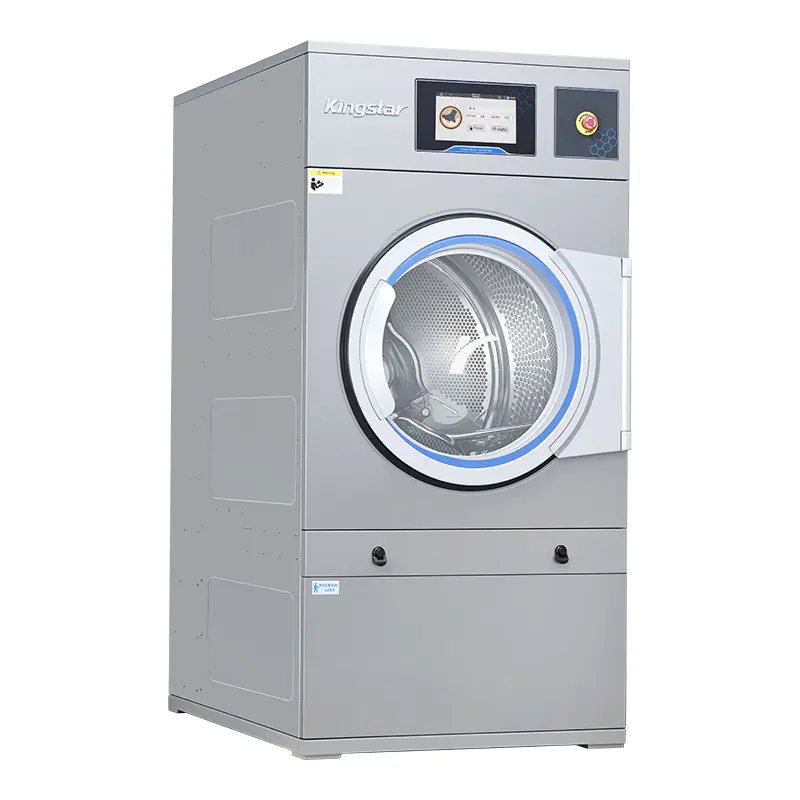
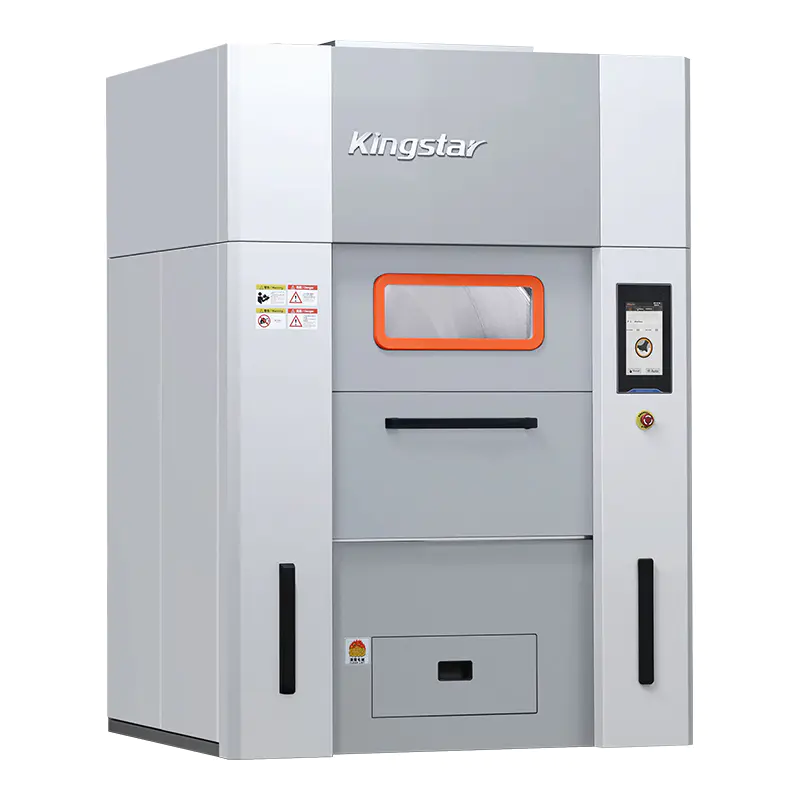
The commercial dryer described in this article is an industrial-grade drying solution designed for professional laundry environments. Available in SDR-2015, SDR-2020, and SDR-2025 configurations, the series provides nominal capacities of 15 kg, 20 kg, and 25 kg. Each model combines a robust drum structure, high-power heating, programmable controls, strong airflow, and multiple heating options. The result is a flexible dryer platform capable of supporting different installation conditions and operational requirements.
One of the most important characteristics of this dryer is its balance between capacity and controllability. A large drum alone does not guarantee efficient drying. The machine must also move heated air effectively, control temperature accurately, preserve heat inside the cylinder, and provide operators with practical programs for different fabrics. The product addresses these requirements through PID temperature control, a 10.1-inch full-color touchscreen, editable automatic programs, insulated construction, and a selection of steam, electric, or gas heating systems.
Manufactured by Jiangsu Chuandao Intelligent Equipment Co., Ltd., the dryer is positioned as part of a broader professional laundry machinery portfolio that includes washing machines, washer extractors, industrial dryers, stacked equipment, and related laundry solutions. The company’s experience in commercial laundry equipment supports a product philosophy centered on durability, serviceability, customization, and stable operation.
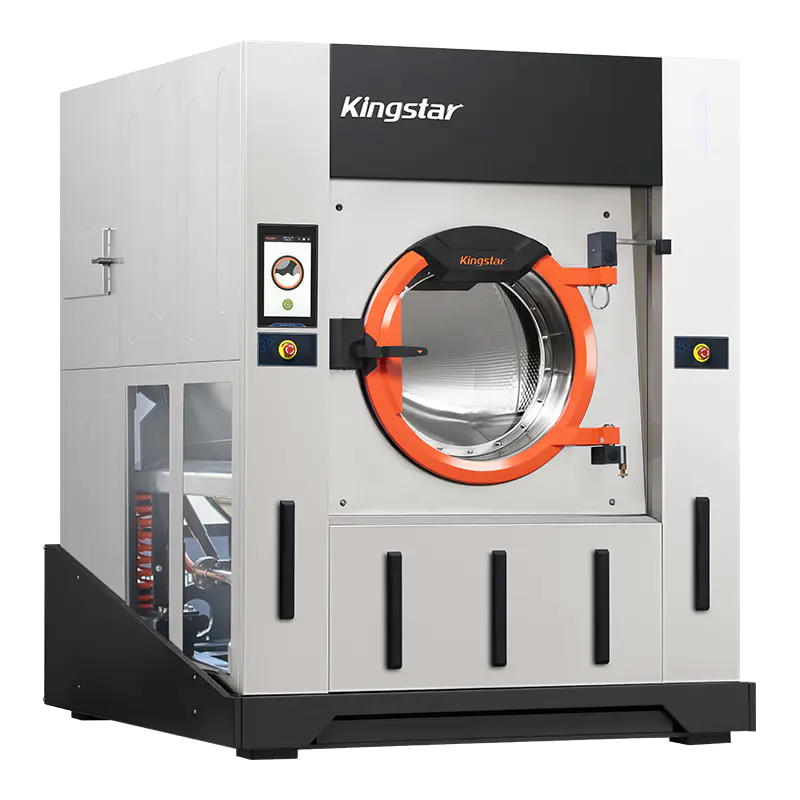
Commercial Dryer
Why Professional Laundry Facilities Need Commercial Drying Equipment
Drying is one of the most energy-intensive stages of a laundry process. If a dryer has insufficient airflow, weak heating, poor insulation, or inaccurate temperature control, the facility may experience longer cycles, higher energy consumption, uneven moisture levels, and unnecessary textile wear. These problems can quickly reduce productivity and increase the total cost of ownership.
Professional users also face strict turnaround requirements. Hotels must prepare clean bedding and towels for incoming guests. Hospitals need reliable processing for linens, uniforms, and other washable textiles. Laundromats must return customer laundry quickly. Dry cleaners and textile service companies need repeatable results across many different types of fabric. In these environments, a dryer must operate reliably through multiple cycles each day while producing consistent results.
The commercial dryer is designed for this type of workload. Its 15 kg, 20 kg, and 25 kg capacities allow operators to select a model according to laundry volume and available floor space. The large drum opening supports easier loading and unloading, while the 1:18 volume-to-load ratio used in the larger configurations provides sufficient internal space for textiles to move freely during drying.
A properly sized commercial dryer can also reduce labor requirements. Operators can process more laundry in each cycle, spend less time transferring loads, and use automatic programs instead of manually adjusting every setting. This creates a more organized workflow from washing to extraction, drying, folding, and storage.
Product Range and Capacity Options
The series includes three main models: SDR-2015, SDR-2020, and SDR-2025. The models are designed to cover different commercial requirements without forcing every customer to purchase an oversized machine. Smaller facilities may benefit from the compact 15 kg model, while hotels, institutions, and professional laundry plants may prefer the 20 kg or 25 kg models for higher throughput.
| Specification | SDR-2015 | SDR-2020 | SDR-2025 |
|---|---|---|---|
| Nominal capacity | 15 kg | 20 kg | 25 kg |
| Drum diameter | 750 mm | 850 mm | 850 mm |
| Drum depth | 680 mm | 640 mm | 800 mm |
| Drum volume | 300 L | 360 L | 460 L |
| Volume load ratio | 1:20 | 1:18 | 1:18 |
| Main motor power | 0.37 kW | 0.55 kW | 0.75 kW |
| Fan motor power | 0.37 kW | 0.55 kW | 0.55 kW |
| Electric heater power | 13.5 kW | 18 kW | 22.5 kW |
| Exhaust airflow | 21.3 m³/min | 36 m³/min | 36 m³/min |
| Screen size | 10.1 inches | 10.1 inches | 10.1 inches |
The model selection should be based on average daily laundry volume, peak demand, textile type, available utilities, room dimensions, and desired cycle time. Selecting a dryer that is too small can create a bottleneck. Selecting one that is too large may increase initial investment and leave the machine underloaded, which can reduce process efficiency. The three-capacity range gives buyers more flexibility when planning a laundry room or upgrading existing equipment.
SDR-2015: Compact Commercial Capacity
The SDR-2015 provides a 15 kg nominal load capacity and a 300-liter drum. It is appropriate for smaller laundromats, dry cleaners, guesthouses, beauty and wellness facilities, restaurants, and commercial operations with moderate daily laundry volumes. Its 800 mm width and 1,200 mm depth make it easier to integrate into facilities with limited space.
Despite its smaller capacity, the model includes the same essential control concept as the larger machines. It uses a 10.1-inch touchscreen, programmable drying functions, a stainless steel inner drum, and multiple heating options. This allows smaller users to obtain professional control without investing in a full-size industrial line.
SDR-2020: Balanced Throughput and Footprint
The SDR-2020 is a 20 kg dryer designed for facilities that need higher throughput while maintaining a relatively compact layout. With a 360-liter drum, 36 m³/min exhaust airflow, and an 18 kW electric heating option, it provides a practical balance between productivity and installation requirements.
This configuration can be suitable for medium-sized laundromats, hotels, healthcare facilities, school campuses, and uniform service operations. Its 900 mm width and 1,200 mm depth should be considered when planning access routes, service clearances, ventilation, and material handling areas.
SDR-2025: High-Volume Professional Drying
The SDR-2025 is the largest listed model, with a 25 kg capacity and 460-liter drum volume. It is intended for demanding laundry environments where large loads and fast turnaround are essential. The 22.5 kW electric heater option, 36 m³/min exhaust airflow, and 0.75 kW drum motor support high-volume operation.
The 25 kg configuration is particularly suitable for hotel linen rooms, hospitals, industrial laundries, large laundromats, textile rental operations, and institutional facilities. Its 1:18 loading ratio provides space for textiles to tumble and separate during drying, helping heated air reach a larger portion of the load.
Advanced Intelligent Drying System
The commercial dryer is equipped with a 10.1-inch full-color high-definition touchscreen. This interface is designed to make professional operation clearer and more efficient. Instead of relying only on mechanical knobs or a limited number of fixed settings, operators can select from 99 built-in editable automatic programs.
Different textiles require different drying conditions. Towels, sheets, uniforms, delicate garments, and heavy workwear may vary in thickness, moisture retention, heat tolerance, and required final moisture level. Editable programs allow the operator to create or adjust drying processes according to the load. This improves repeatability and reduces the risk of treating every textile in the same way.
The touchscreen also supports a more organized operating workflow. Programs can be named or arranged according to the facility’s daily needs. Staff members can select a previously validated process instead of manually entering settings for every load. This is especially valuable when multiple operators work different shifts or when a facility must maintain consistent results across several branches.
Compared with basic commercial dryers that provide only a few preset cycles, a programmable interface can be a significant competitive advantage. It helps operators standardize performance, reduce training time, and respond to different textile requirements. The system is also more suitable for facilities that process a broad mixture of laundry rather than a single type of fabric.
PID Temperature Control
The 25 kg commercial dryer uses PID control technology to regulate key temperature conditions. The system is designed to monitor and control the return air temperature, exhaust air temperature, and inner cylinder temperature. Accurate control is important because excessive heat can damage textiles, while insufficient heat can extend cycle times and leave loads damp.
PID control continuously responds to temperature changes instead of simply switching the heater on and off according to a basic threshold. This can help maintain a more stable drying environment. A stable temperature profile supports consistent results, protects fabric quality, and helps the operator achieve a predictable balance between drying speed and energy use.
Temperature control is especially important in commercial facilities because the same equipment may process different load sizes throughout the day. A partially loaded drum, a heavy towel load, and a mixed linen load may behave differently. The control system helps the dryer adapt to changing conditions and maintain the selected operating parameters.
Drum Design and Textile Handling
The inner drum is manufactured from 304 stainless steel. This material is widely used in professional laundry equipment because it offers corrosion resistance, durability, and a clean surface suitable for repeated contact with damp textiles. The inner perforated sheet has a listed thickness of 1.2 mm, with 8 mm perforations.
A stainless steel drum can be particularly valuable in facilities that use steam, process large volumes of wet laundry, or operate in humid environments. The material helps maintain structural integrity over repeated heating and cooling cycles. It also supports easier cleaning and contributes to a professional, hygienic machine interior.
The large door design is another practical feature. Loading and unloading are frequent tasks, and a restricted door opening can increase handling time or make bulky items difficult to transfer. A larger opening enables operators to place towels, sheets, blankets, uniforms, and other textiles into the drum more conveniently.
Drum volume and load ratio also influence drying performance. If a drum is overloaded, textiles may become compressed and airflow may be restricted. If the drum is appropriately loaded, garments can lift and fall as the cylinder rotates, exposing more surface area to heated air. The listed 1:18 loading ratio for the 20 kg and 25 kg versions is intended to support this movement and improve contact between air and fabric.
The drum motor powers continuous rotation, while the fan motor supports the movement of heated air through the load and exhaust system. The combination of drum rotation and controlled airflow is essential for uniform drying. It prevents some items from remaining wet while other items become excessively hot.
High-Power Heating and Thermal Insulation
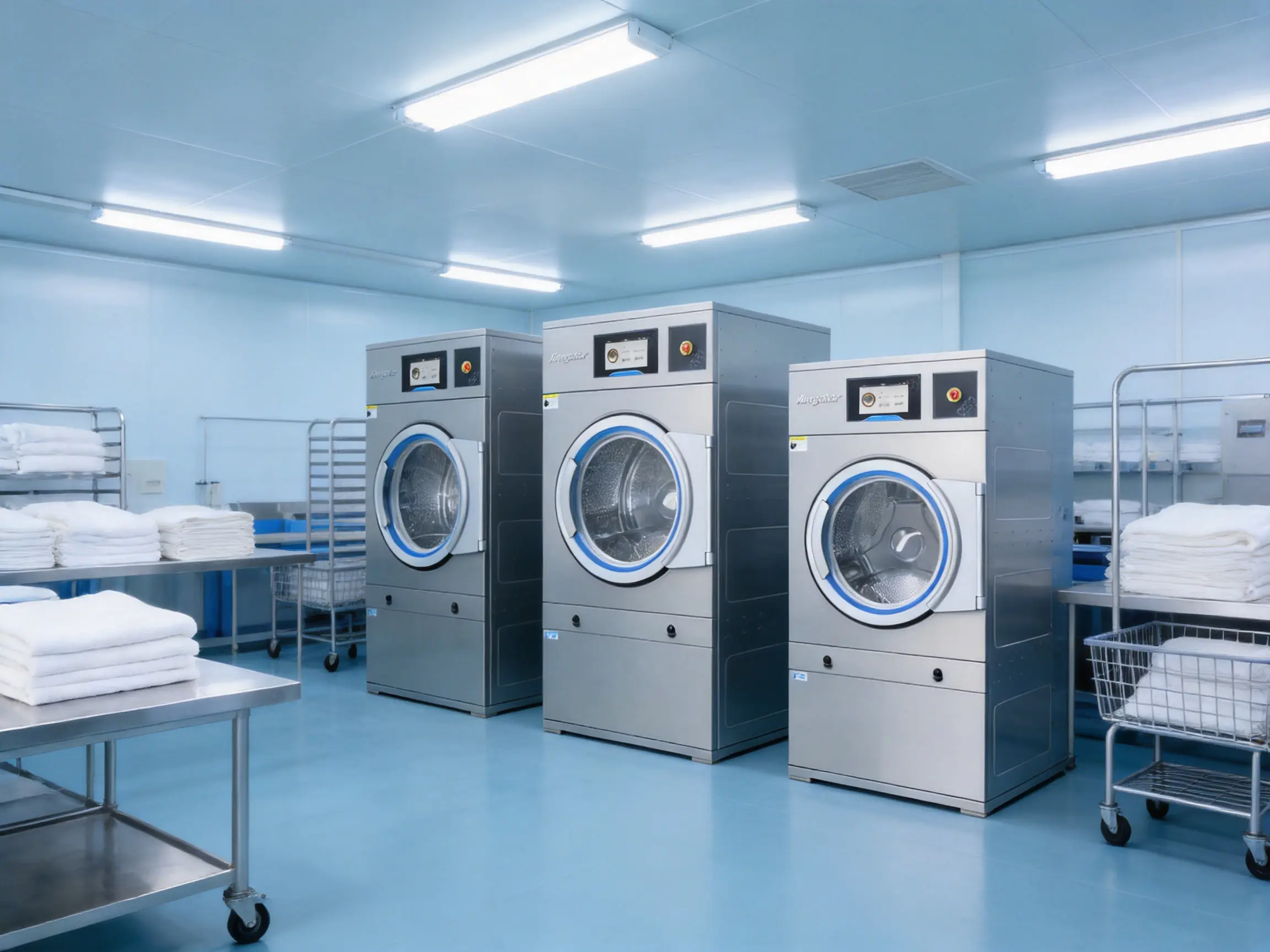
Fast heating is one of the main requirements for commercial drying. The product series offers electric, steam, and gas heating configurations, allowing customers to select a system according to local energy availability, installation conditions, and operating economics.
Electric Heating
Electric heating is available in several power levels. The SDR-2015 is listed with a 13.5 kW heater, the SDR-2020 with an 18 kW heater, and the SDR-2025 with a 22.5 kW heater. Higher heating power supports faster temperature rise and can help shorten drying cycles when the facility has sufficient electrical capacity.
Electric heating can be attractive where natural gas is unavailable, where a clean and simple installation is preferred, or where the facility already has suitable three-phase power. It also allows straightforward temperature control. However, electricity costs and local power infrastructure must be considered before selecting this option.
Steam Heating
Steam heating is available at a listed steam pressure of 0.6 MPa. Steam consumption is shown as 33 kg/h for the SDR-2015, 44 kg/h for the SDR-2020, and 55 kg/h for the SDR-2025. This option may be suitable for hotels, hospitals, textile plants, and industrial laundries that already operate a central boiler or steam system.
Using an existing steam network can help integrate the dryer into a larger laundry process. It may also reduce the need for individual electric heating elements in facilities where steam is already generated efficiently. Proper steam quality, pressure regulation, condensate drainage, and professional installation are essential for safe and stable operation.
Gas Heating
Gas heating provides another option for facilities seeking high thermal output and rapid heat generation. The listed gas consumption is 2.17 m³/h, with a gas heating power of 19.1 kW and a stated heating capacity of 65,306 BTU/hr. Gas pressure requirements must be checked carefully because actual installation conditions vary by region and fuel type.
Gas systems require appropriate ventilation, combustion air, exhaust routing, safety controls, and compliance with local regulations. A qualified technician should confirm gas supply specifications before commissioning. When correctly installed, gas heating can be a practical solution for high-throughput commercial laundry operations.
Insulated Outer Cylinder
The outer cylinder includes an insulation layer designed to preserve heat inside the dryer. Thermal insulation reduces heat loss to the surrounding laundry room and helps maintain the temperature required for drying. This contributes to faster warming, more stable operation, improved operator comfort, and potentially lower energy consumption.
Insulation is often an important difference between professional equipment and low-cost alternatives. A dryer that loses excessive heat through its exterior may require more energy to maintain the same internal temperature. By preserving heat within the drying chamber, the insulated design supports a more efficient transfer of thermal energy to the textile load.
The combination of high-power heating and insulation is particularly valuable when the facility must complete several cycles in succession. The machine can recover temperature more quickly between loads, helping maintain productivity throughout the working day.
Airflow, Exhaust, and Drying Efficiency
Heating power alone is not enough to produce efficient drying. Moisture must be removed from the drum through a properly designed airflow and exhaust system. The SDR-2015 has a listed exhaust airflow of 21.3 m³/min, while the SDR-2020 and SDR-2025 are listed at 36 m³/min. Exhaust diameters are 150 mm for the SDR-2015 and 200 mm for the two larger models.
Strong airflow carries evaporated moisture away from the textiles. It also helps distribute heat through the load. If the exhaust duct is undersized, excessively long, or poorly installed, airflow may be reduced. This can extend drying time, increase operating temperature, and place additional stress on the machine.
For this reason, the installation environment should be planned together with the dryer purchase. Exhaust ducting should be routed according to the manufacturer’s instructions and local safety requirements. The duct should be kept as direct as practical, and lint accumulation should be addressed through regular cleaning and inspection.
The dryer’s airflow specifications also help buyers compare equipment more accurately. Some competing products may advertise only heater power or drum capacity without providing meaningful exhaust performance information. Considering heating, airflow, drum volume, and temperature control together gives a more complete understanding of expected productivity.
Imported Electrical and Mechanical Components
The product information identifies imported electrical components as part of the machine design. These include Mitsubishi inverters, Schneider contactors, imported wires and plugs, and imported bearings. Component quality affects more than initial operation. It also influences motor control, electrical stability, service life, maintenance frequency, and the availability of replacement parts.
An inverter can provide controlled motor operation and smoother adjustment of drum rotation. Controlled acceleration and deceleration can reduce mechanical shock compared with abrupt starting and stopping. It may also support more stable operation under different load conditions.
Contactors and electrical protection components must handle repeated switching in a hot and humid industrial environment. Selecting recognized industrial components helps support reliable control-panel performance. Bearings are equally important because the drum assembly rotates repeatedly under load. Durable bearings can help reduce vibration and protect the rotating structure.
The use of established component suppliers is a competitive strength when compared with machines assembled from unknown or inconsistent parts. It gives customers greater confidence in long-term operation and may simplify troubleshooting for service technicians familiar with internationally used components.
Manufacturing Strengths and Quality Approach
Jiangsu Chuandao Intelligent Equipment Co., Ltd. is based in Nantong, Jiangsu Province, China, an area with a strong manufacturing base and access to industrial supply chains. The company focuses on commercial laundry machinery and provides equipment for professional washing and drying applications.
Advanced manufacturing is not limited to the final assembly stage. It begins with selecting appropriate raw materials, designing the drum and frame, controlling fabrication tolerances, integrating electrical systems, testing heating and airflow functions, and preparing the machine for safe delivery and installation.
Material Selection and Structural Fabrication
The 304 stainless steel inner drum demonstrates the importance of material selection in the machine’s wet and heated operating environment. Stainless steel must be formed, perforated, joined, and finished carefully to avoid sharp edges, irregular surfaces, or areas that could collect lint and moisture.
Heavy-duty external structures also require accurate fabrication. The frame and outer cylinder must support the rotating drum, heating system, fan assembly, control components, and repeated loading cycles. Correct alignment is essential to reduce vibration and ensure that rotating parts remain stable during operation.
Industrial fabrication processes may include precision cutting, bending, welding, grinding, surface finishing, and dimensional inspection. Each stage contributes to the final quality of the machine. Consistent manufacturing procedures help ensure that different units within the same model range perform similarly.
Electrical Integration
The control cabinet is a central part of the product. It connects the touchscreen, inverter, temperature sensors, motors, heating system, safety devices, and operator controls. A well-organized control panel makes inspection and service easier while reducing the risk of wiring errors.
Electrical integration should include secure terminals, suitable cable routing, grounding, protection against heat, and clear separation between power and control circuits. These details are important in commercial laundry rooms, where moisture, lint, vibration, and long operating hours create demanding conditions.
Functional Testing
Before shipment, commercial dryers should be checked for drum rotation, fan operation, heater response, temperature measurement, touchscreen functions, alarm behavior, door operation, and general electrical safety. Testing helps identify problems before the machine reaches the customer’s facility.
For buyers, factory testing is an important indicator of supplier reliability. It reduces commissioning risk and gives installers a clearer starting point. Jiangsu Chuandao Intelligent Equipment Co., Ltd. can support customers through product selection, technical communication, and OEM or ODM cooperation according to project requirements.
OEM and ODM Capability
Commercial laundry projects often require more than a standard machine. Customers may need different electrical standards, heating methods, control languages, colors, labels, operating programs, dimensions, or integration arrangements. OEM and ODM capabilities allow a manufacturer to adapt equipment to specific market or project needs.
Customization can be valuable for distributors, hotel groups, healthcare contractors, laundromat chains, and laundry equipment integrators. A supplier that understands both the machine and the customer’s application can help reduce coordination between multiple vendors.
Advantages Over Basic and Lower-Cost Competitors
The commercial dryer has several advantages when compared with basic machines that offer limited capacity, fixed controls, weak insulation, or fewer heating options. These advantages should be evaluated in relation to the customer’s actual workload and installation environment.
More Flexible Programming
Ninety-nine editable automatic programs provide more flexibility than a small selection of fixed cycles. Operators can establish separate processes for towels, bedding, uniforms, delicate textiles, and other loads. This helps reduce inconsistent results caused by using one general-purpose program for every textile.
More Accurate Temperature Management
PID-based control of internal and exhaust temperatures supports more precise drying conditions. Basic dryers may rely on less sophisticated temperature switching, which can create larger temperature fluctuations. More stable control can help protect fabric quality and improve repeatability.
Multiple Energy Options
Steam, electric, and gas heating options allow the machine to fit different facilities. Some competing products are available with only one heating method, forcing buyers to modify their utility infrastructure or accept higher operating costs. The three-option design offers greater flexibility during project planning.
High-Volume Capacity
With capacities up to 25 kg and drum volumes up to 460 liters, the series is designed for professional loads rather than household-scale laundry. Larger capacity can reduce the number of cycles required per day and help facilities meet peak demand.
Thermal Insulation
The insulated outer cylinder helps retain heat and reduce unnecessary energy loss. This supports faster temperature rise and helps keep the laundry room more comfortable than a poorly insulated machine that radiates excessive heat.
Service-Oriented Components
Recognized electrical components, imported bearings, and a serviceable industrial structure can provide a better foundation for long-term maintenance. While every machine requires inspection and replacement of wear parts, accessible and standardized components can help reduce downtime.
Professional Human-Machine Interface
The 10.1-inch color touchscreen improves visibility and simplifies program selection. This is especially useful in busy facilities where operators need to confirm settings quickly and avoid mistakes caused by unclear controls.
Applications Across Multiple Industries
Laundromats
Laundromats require machines that can process many customer loads every day. A commercial dryer with programmable cycles and strong airflow helps reduce waiting times and maintain a consistent customer experience. The available capacities allow operators to serve individual customers with smaller loads while also processing larger batches.
Hotels and Resorts
Hotels generate large volumes of towels, sheets, pillowcases, uniforms, table linens, and other textiles. Drying capacity directly affects room turnover and housekeeping schedules. The 20 kg and 25 kg models can support central laundry rooms where efficient processing and reliable repeatability are priorities.
Hospitals and Healthcare Facilities
Healthcare laundries process bedding, patient garments, staff uniforms, towels, and other textiles that require carefully managed washing and drying procedures. Accurate temperature control and stainless steel construction support a controlled laundry workflow. Facilities must always use validated procedures and comply with applicable hygiene and safety regulations.
Dry Cleaners
Dry cleaners often handle garments made from different materials and with different care requirements. Editable programs enable operators to choose gentler or more intensive drying conditions as appropriate. The compact 15 kg model may be useful for shops that need professional performance without the footprint of a large industrial installation.
Self-Service Laundry
Self-service facilities benefit from simple controls, clear program selection, and robust construction. A full-color touchscreen can make the equipment easier to understand, while a strong drum and reliable components support frequent customer use.
Industrial and Institutional Laundries
Factories, schools, prisons, military facilities, restaurants, and uniform rental companies may need dependable drying for workwear and bulk textiles. These users often value equipment that can integrate with existing steam systems or industrial power supplies.
Installation Planning and Utility Requirements
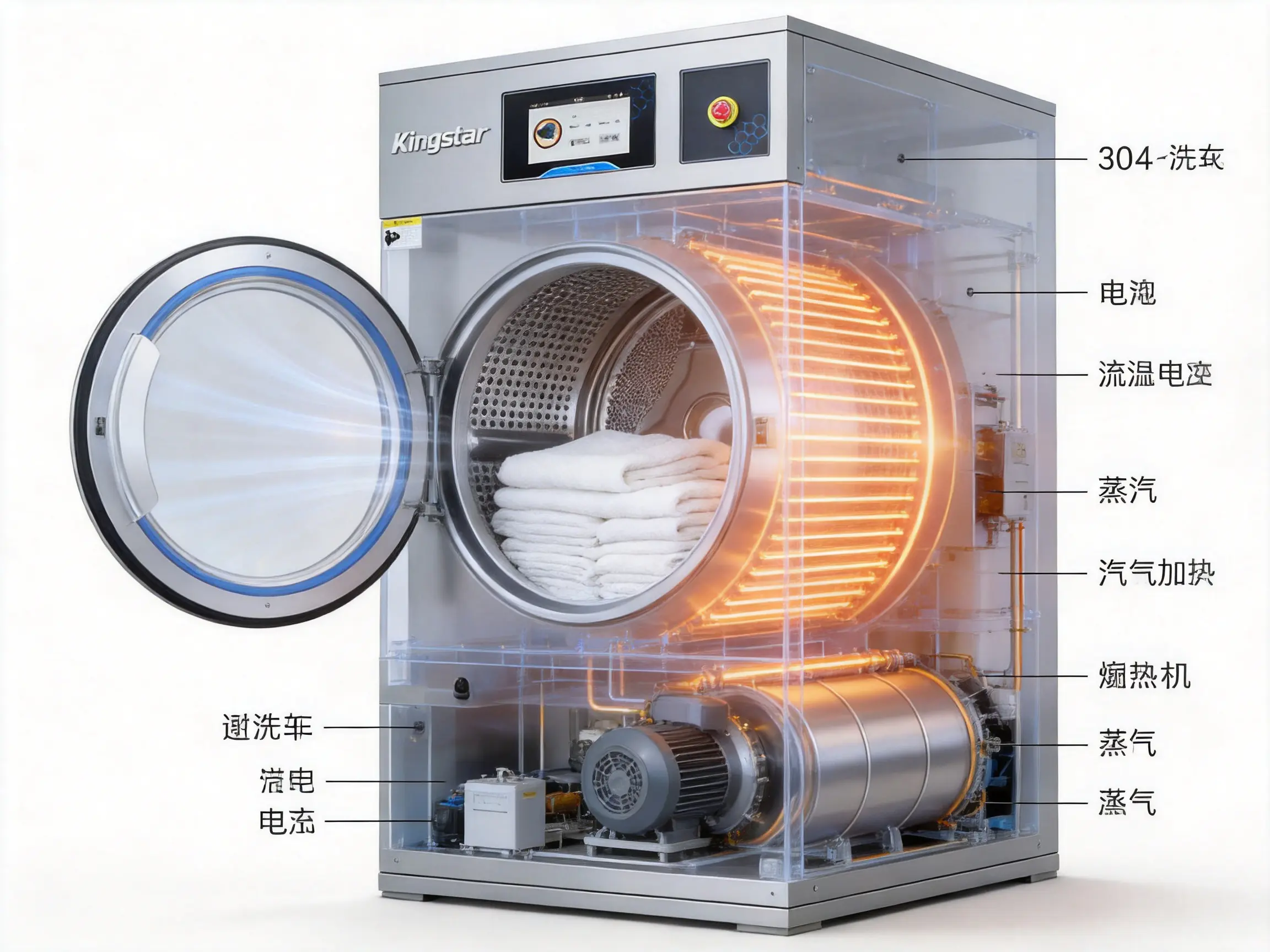
Commercial dryers require more careful installation than household appliances. Before delivery, the facility should confirm the machine’s dimensions, door and corridor access, floor conditions, electrical supply, exhaust route, heating source, and service clearance.
The listed rated voltage is 380/3/50, indicating a three-phase 380-volt, 50-Hz electrical configuration. Customers in regions with different electrical standards should discuss the required configuration before ordering. Electrical work should be completed by qualified professionals and must comply with local codes.
The exhaust system must be designed for the specified airflow and exhaust diameter. Poorly designed ducting can reduce performance and create a lint or heat accumulation risk. The final layout should account for duct length, bends, outlet position, cleaning access, and the relationship between the dryer and the building ventilation system.
Gas-heated versions require additional attention to fuel type, inlet pressure, combustion air, gas shutoff devices, ignition controls, and exhaust safety. Steam-heated versions require a suitable steam source, pressure regulation, condensate return or drainage, and correctly sized valves and piping.
Room ventilation is also important. The dryer removes moist air and replaces it with heated exhaust. The laundry room must have sufficient make-up air to support stable airflow. Without adequate room ventilation, the dryer may operate inefficiently and the working environment may become excessively hot or humid.
Service access should be considered during layout planning. Operators and technicians need room to inspect filters, clean exhaust areas, open control panels, and replace components. Saving a small amount of floor space during installation can create much larger maintenance difficulties later.
Operating Recommendations
Correct loading is essential for performance. Operators should avoid exceeding the rated capacity and should distribute textiles evenly. Overloading can restrict airflow and increase drying time, while underloading may reduce tumbling effectiveness and waste energy. The best loading level depends on fabric type, moisture content, and the desired final result.
Washer extraction also affects dryer productivity. Textiles that enter the dryer with excessive residual moisture require more heat and more time. Pairing the dryer with an efficient commercial washer extractor can reduce drying costs and improve overall laundry throughput.
Programs should be selected according to textile characteristics rather than convenience alone. Heavy towels may require a different process from lightweight uniforms. Operators should validate drying programs carefully and inspect the final moisture condition before placing programs into routine use.
The lint filter and exhaust path should be cleaned according to a defined schedule. Lint buildup can reduce airflow, lengthen cycles, increase energy use, and create a safety concern. A written cleaning checklist helps ensure that maintenance is performed consistently across shifts.
Operators should also monitor unusual vibration, noise, overheating, slow drum rotation, or changes in drying time. Early attention to these symptoms can prevent more serious failures. Maintenance records should include operating hours, cleaning activities, inspections, and replacement parts.
Maintenance and Lifecycle Value
The value of a commercial dryer is determined not only by its purchase price but also by productivity, energy consumption, service requirements, and expected service life. A machine that costs less initially may become more expensive if it requires frequent repairs, produces uneven drying, or consumes excessive energy.
The use of durable stainless steel, industrial motors, imported bearings, and established electrical components supports long-term operation. The machine’s design also emphasizes serviceability, allowing technicians to inspect control systems, motors, fans, heating components, and rotating assemblies.
Preventive maintenance should include inspection of belts or drive components where applicable, bearing condition, fan operation, temperature sensors, electrical terminals, door seals, drum surfaces, and exhaust connections. The precise maintenance schedule should be established according to operating hours, load type, environment, and manufacturer guidance.
Thermal insulation can contribute to lifecycle value by reducing heat loss. When the dryer retains heat effectively, the heating system may operate more efficiently and the surrounding room may experience less thermal stress. Stable operating temperatures can also support more predictable component performance.
Facilities should maintain an inventory of commonly replaced items and establish access to qualified technical support. Jiangsu Chuandao Intelligent Equipment Co., Ltd. can provide communication regarding equipment specifications, application requirements, and replacement considerations for commercial projects.
Safety and Compliance Considerations
Commercial drying equipment should be installed and operated according to the applicable electrical, mechanical, fire, gas, steam, and workplace safety requirements. The customer is responsible for confirming local compliance requirements with qualified installers and relevant authorities.
Safety procedures should cover hot surfaces, moving parts, electrical isolation, gas systems, steam pressure, exhaust ventilation, lint removal, emergency stops, and operator training. Doors, guards, sensors, and alarms should not be bypassed. Only trained personnel should perform repairs or access energized components.
Because drying produces heat and lint, housekeeping is important. The area around the dryer should remain clean, dry, and free from combustible debris. Exhaust systems should be inspected regularly, and lint should not be allowed to accumulate around heaters or ventilation outlets.
Proper safety management protects staff, equipment, textiles, and the facility. It also helps preserve the machine’s efficiency and supports reliable operation over the long term.
How to Select the Right Model
Choosing between the three models requires a practical assessment of laundry volume. The 15 kg machine may be appropriate when the average load is moderate or space is limited. The 20 kg machine is suitable for users seeking a balance of capacity and footprint. The 25 kg model is better suited to facilities processing large quantities of bedding, towels, uniforms, or other heavy textiles.
Heating source is another major selection factor. Facilities with a central boiler may prefer steam. Sites with adequate three-phase electrical capacity may select electric heating. Locations with economical and reliable gas supply may consider gas heating. Buyers should compare energy prices, installation cost, maintenance capability, and local regulations rather than choosing solely on rated power.
Exhaust and room ventilation must be evaluated before finalizing the order. A high-capacity dryer cannot perform properly if the building cannot support the required airflow. The equipment supplier and installation contractor should review the complete system design together.
Finally, buyers should consider future expansion. If laundry volume is expected to increase, selecting a 20 kg or 25 kg model may provide better long-term value than purchasing a machine that will soon become a bottleneck. For multi-site operators, using a standardized product family can simplify training, spare parts, and maintenance procedures.
Technical Specification Summary
| Item | SDR-2015 | SDR-2020 | SDR-2025 |
|---|---|---|---|
| Exhaust diameter | 150 mm | 200 mm | 200 mm |
| Gas inlet diameter | 10 mm | 10 mm | 10 mm |
| Steam inlet | DN25 | DN25 | DN25 |
| Inner drum perforated sheet | 1.2 mm | 1.2 mm | 1.2 mm |
| Perforation diameter | 8 mm | 8 mm | 8 mm |
| Rated voltage | 380/3/50 | 380/3/50 | 380/3/50 |
| Steam pressure | 0.6 MPa | 0.6 MPa | 0.6 MPa |
| Steam consumption | 33 kg/h | 44 kg/h | 55 kg/h |
| Width | 800 mm | 900 mm | 890 mm |
| Depth | 1,200 mm | 1,200 mm | 1,420 mm |
| Height | 1,600 mm | 1,700 mm | 1,805 mm |
| Gas consumption | 2.17 m³/h | 2.17 m³/h | 2.17 m³/h |
| Gas heating power | 19.1 kW | 19.1 kW | 19.1 kW |
Technical values should be confirmed with the supplier before ordering because configurations may vary according to heating method, electrical standard, destination market, and project requirements. Installation should be based on the final approved technical documentation.
Q&A
What is a commercial dryer?
A commercial dryer is a heavy-duty drying machine designed for frequent use in professional environments. It handles larger textile loads than a household dryer and is constructed for repeated operation in laundromats, hotels, hospitals, dry cleaners, institutions, and industrial laundry facilities.
What capacities are available?
The product range includes 15 kg, 20 kg, and 25 kg configurations. These correspond to the SDR-2015, SDR-2020, and SDR-2025 models. The correct capacity depends on daily laundry volume, textile type, available space, and required turnaround time.
What heating methods can be used?
The dryer supports steam heating, electric heating, and gas heating. Steam may suit facilities with a central boiler. Electric heating may be convenient where reliable three-phase power is available. Gas heating may be suitable where gas infrastructure and local regulations support the installation.
What is the benefit of PID control?
PID control helps regulate temperature more accurately and consistently. The system is designed to manage return air, exhaust air, and inner cylinder temperatures. Stable temperature control can improve drying consistency, protect textiles, and reduce unnecessary heating fluctuations.
How many programs does the touchscreen provide?
The 10.1-inch touchscreen includes 99 built-in editable automatic programs. Operators can select or adjust programs for different fabrics, load sizes, and drying requirements.
Why is 304 stainless steel used for the inner drum?
304 stainless steel offers corrosion resistance, durability, and a clean surface suitable for damp textile processing. It is also easier to maintain than materials that are more susceptible to corrosion in a humid laundry environment.
Why is exhaust airflow important?
Exhaust airflow removes moisture from the drum and helps distribute heated air through the load. Insufficient airflow can extend cycle times, increase energy consumption, and produce uneven drying. The exhaust duct must be correctly sized and installed.
Is the dryer suitable for hospitals?
The dryer can be used in healthcare laundry applications, but the facility must establish validated washing, drying, hygiene, and textile-handling procedures. Installation and operation must comply with healthcare, electrical, fire, and workplace safety requirements.
What should be considered before installation?
Customers should confirm electrical supply, heating source, gas or steam connections, exhaust ducting, room ventilation, floor conditions, access dimensions, service clearances, and local regulations. Professional installation is recommended.
How does this dryer compare with a household dryer?
It offers greater capacity, stronger construction, higher heating output, more powerful airflow, programmable commercial controls, and multiple heating options. Household dryers are designed for smaller loads and less frequent use and are not intended for continuous commercial workloads.
Can the machine be customized?
OEM and ODM cooperation may be available for qualified projects. Potential customization areas can include electrical standards, heating systems, control language, programs, labels, and other project-specific requirements. Details should be confirmed before production.
How can operating costs be controlled?
Facilities can control costs by selecting the correct capacity, using efficient washer extraction, avoiding overloading, maintaining airflow, cleaning lint filters, using appropriate programs, preserving insulation, and selecting the most economical available heating source.
Conclusion
The commercial dryer is designed to provide a dependable and flexible solution for professional laundry operations. Its principal strengths include 15 kg, 20 kg, and 25 kg capacity options; 304 stainless steel drum construction; a large loading door; high-power heating; insulated outer-cylinder design; strong exhaust airflow; PID temperature regulation; a 10.1-inch touchscreen; and 99 editable automatic programs.
Its support for steam, electric, and gas heating gives customers greater freedom when planning utilities and operating costs. Imported electrical and mechanical components, including recognized inverter, contactor, wiring, plug, and bearing solutions, contribute to a professional equipment platform intended for long-term service.
Compared with basic or household dryers, the machine is better suited to high-volume environments where productivity, repeatability, serviceability, and textile care are essential. Its effectiveness will depend on correct model selection, proper loading, suitable exhaust design, appropriate utilities, routine maintenance, and trained operation.
Jiangsu Chuandao Intelligent Equipment Co., Ltd. combines commercial laundry equipment experience with manufacturing, product integration, and OEM/ODM support. For laundromats, hotels, hospitals, dry cleaners, self-service facilities, and industrial laundry plants, the dryer provides a practical foundation for building a faster, more controlled, and more dependable drying process.
References
1. Product technical specification sheet for the SDR-2015, SDR-2020, and SDR-2025 commercial dryer models.
2. Commercial laundry equipment operating and maintenance principles.
3. Industrial textile drying and moisture-removal engineering practices.
4. General guidance for commercial dryer ventilation, exhaust design, and lint management.
5. General principles of PID temperature control in industrial heating equipment.
6. Stainless steel material guidance for commercial and industrial laundry machinery.
Product: Commercial Dryer

ADD:No.388 Xinggang Road, Chongchuan District, Nantong City, 226000, Jiangsu Province, China.
-
Phone: +86-13917089379
-
Tel:+86-13917089379
-
Fax:+86-0513-85663366
-
E-mail:louislu@kingstarlaundry.com
products