英语
英语 俄语
俄语 西班牙语
西班牙语 德语
德语
Home / Author / Meiwen Zeng — Product After-Sales Service Manager / Barrier Washers for Cleanroom and Healthcare Laundry: Advanced Contamination Control from 15 to 100 kg

Kingstar is your trusted partner for industrial and commercial laundry equipment. We specialized in the R&D and manufacturing of high-end industrial washers, commercial washers and dryers. Meanwhile, we provide global clients with comprehensive planning, layout workflow design, and software-hardware integration services for smart laundry plants.
Barrier Washers for Cleanroom and Healthcare Laundry: Advanced Contamination Control from 15 to 100 kg
In healthcare, pharmaceutical production, biotechnology, semiconductor manufacturing, and other contamination-sensitive industries, laundry is not simply a matter of removing visible dirt. Textile processing must be organized as a controlled system that protects personnel, products, patients, and clean environments from cross-contamination. This is why barrier washers have become an essential part of professional laundry planning. By separating the soiled and clean sides of a laundry operation, a properly designed barrier washer supports a controlled, one-way workflow that conventional single-door washing machines cannot provide.
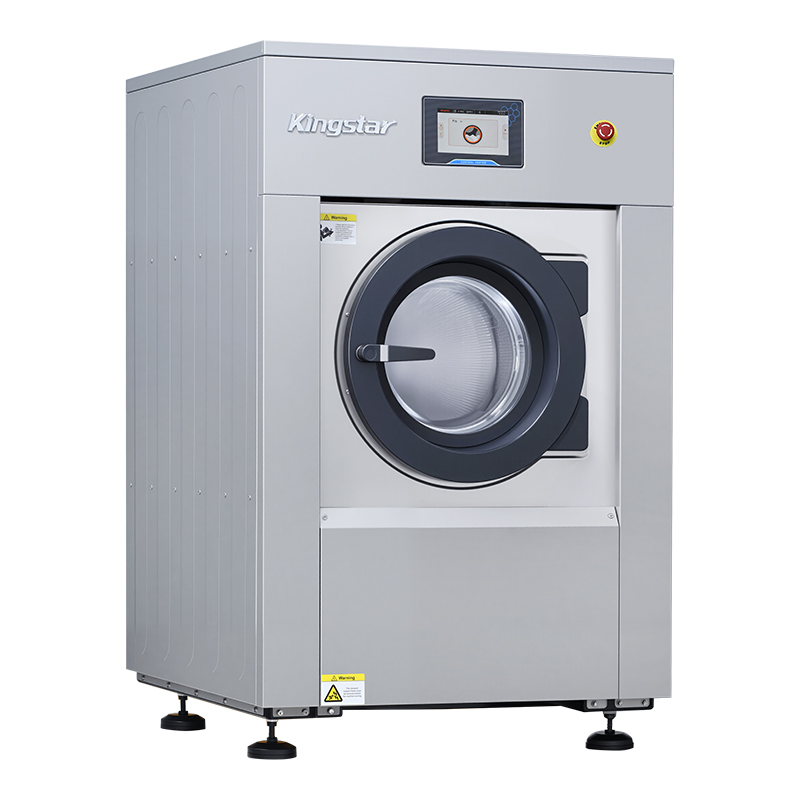
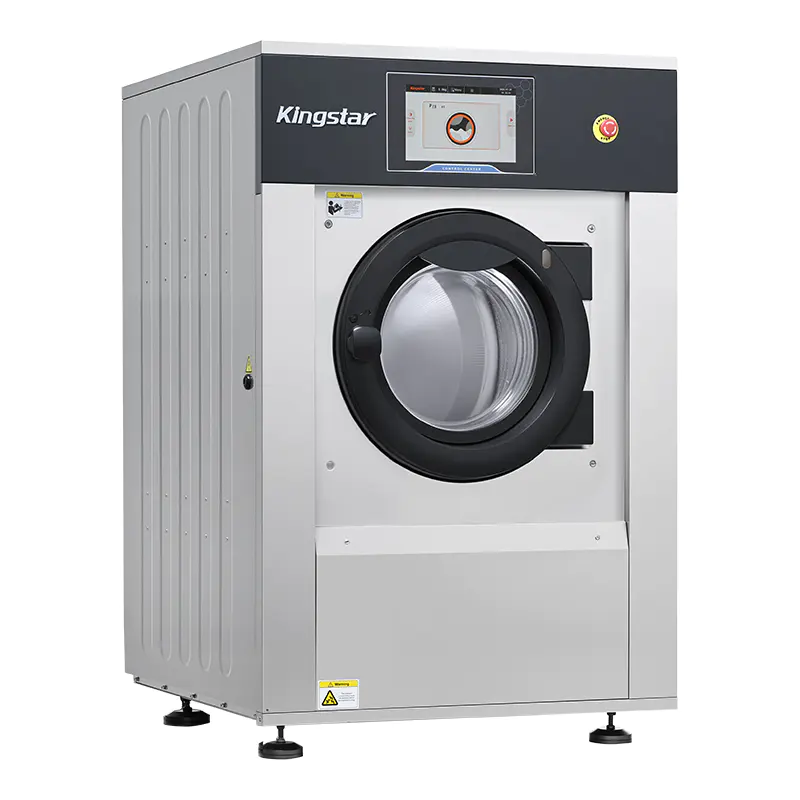
The Barrier Washer N2015, N2030, N2050, N2070, and N2100 series is designed for demanding industrial and institutional applications. The equipment provides rated dry capacities from 15 kg to 100 kg, including the widely used 50 kg, 70 kg, and 100 kg configurations. Its dual-compartment structure, front-and-rear door arrangement, stainless steel water-contact components, programmable controls, automatic detergent dosing, and low-vibration suspension system make it suitable for facilities that require dependable washing performance and strict separation between contaminated and processed textiles.
Manufactured by Jiangsu Chuandao Intelligent Equipment Co., Ltd., the series combines heavy-duty mechanical construction with process-oriented hygiene design. Instead of treating the washer as an isolated machine, the equipment is engineered as part of a complete laundry workflow. This approach gives operators greater control over textile movement, washing recipes, chemical dosing, water use, personnel access, and clean-side handling.
The Role of a Barrier Washer in a Controlled Laundry Workflow
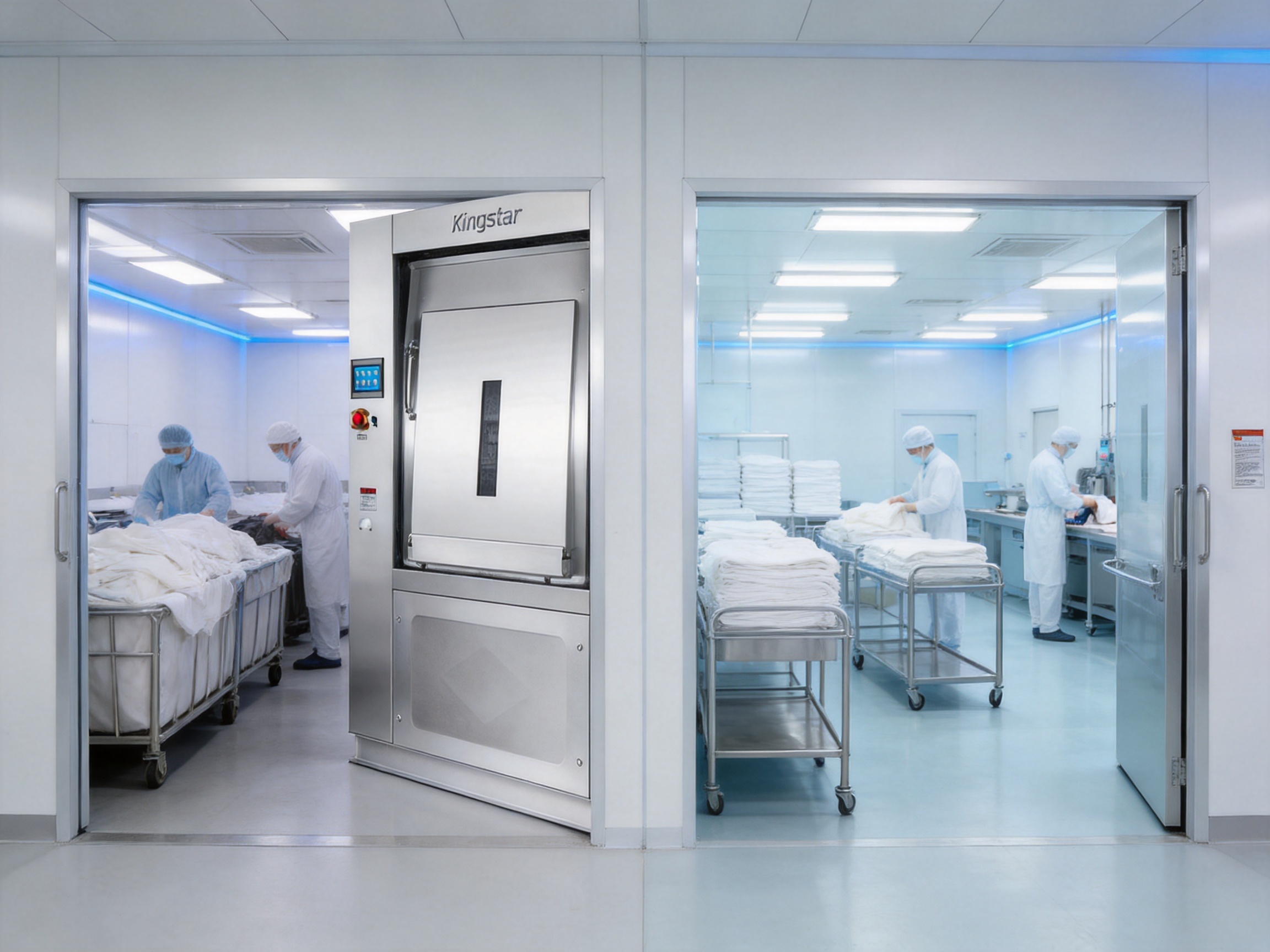
A barrier washer is an industrial washing machine installed through a partition wall between two separate areas. The loading door is positioned on the contaminated or soiled side, while the unloading door is located in the clean or finishing area. Laundry enters from one side, passes through the washing and extraction process, and exits from the opposite side. This arrangement supports a one-directional movement of textiles and helps prevent clean laundry from being exposed to the environment in which soiled laundry is handled.
In a conventional washer, the operator usually loads and unloads the machine from the same side. This arrangement may be perfectly appropriate for hotels, restaurants, laundromats, gyms, commercial linen services, and general industrial laundry operations. However, when the same room is used for both dirty and clean textile handling, there is a possibility that workers, carts, surfaces, air movement, or handling practices may create opportunities for recontamination.
The barrier configuration addresses this risk through physical separation. Soiled hospital bed linen can be loaded in a designated contaminated room, while sanitized linen can be removed in a separate clean area. Surgical gowns can follow a controlled path from collection to washing, extraction, and clean-side transfer. Cleanroom garments, gloves, and lint-free wipes can be processed without requiring the finished textiles to return through the soiled loading zone.
This structural principle is particularly valuable when a facility has defined hygiene zones. The machine becomes part of the wall dividing those zones, and the dual-door system reinforces the separation required by the operating procedure. The result is not merely a washer with two doors; it is a workflow-control device designed around contamination prevention.
Applications in Hygiene-Sensitive Industries
The series is designed for a wide range of applications where cleanliness, repeatability, and operational segregation are important. Its principal uses include cleanroom laundry, hospital laundry, pharmaceutical production, biotechnology facilities, semiconductor plants, optoelectronic manufacturing, and medical institutions with infectious or high-contamination departments.
Cleanroom Garments and Accessories
Cleanroom garments require careful processing because their purpose is to control particles, fibers, and contamination introduced by personnel. Anti-static garments, cleanroom gloves, lint-free wipes, laboratory coats, and related textile products must be washed in a way that supports the cleanliness requirements of the facility. The smooth internal surfaces, stainless steel water-contact components, programmable washing cycles, and clean-side unloading arrangement help create a more controlled processing environment.
The recessed drum design is especially useful for delicate or contamination-sensitive items. The perforated drum surface is manually ground and electrolytically polished to reduce rough edges and fabric snagging. This is important when handling lint-free wipes, specialized garments, and other materials that can be damaged by sharp or irregular internal surfaces.
Hospital and Medical Laundry
Hospitals and medical institutions process a variety of textiles, including bed linens, patient garments, surgical gowns, towels, uniforms, and textiles from infectious departments. These items may contain biological contaminants and require carefully controlled handling before they can return to patient-care areas.
The dual-door configuration supports a clear distinction between the receiving side and the clean finishing side. In combination with appropriate disinfection procedures, validated wash formulas, correct chemical selection, and facility-specific operating protocols, the washer can contribute to a more reliable hospital laundry process.
The safety interlock system also has an important role in medical laundry operations. The door cannot be opened while the machine is operating, and the machine cannot start unless the door is correctly closed. When one side door is open, the opposite side remains locked. These functions help protect operators and preserve the separation between the two working zones.
Pharmaceutical and Biotechnology Facilities
Pharmaceutical and biotechnology facilities often require close control over personnel movement, materials, garments, and cleaning processes. Laundry equipment in these environments must be durable, easy to monitor, and capable of supporting repeatable programs. The washer series can be configured with programmable logic control for pharmaceutical users, allowing operators to establish standardized recipes for different textile categories.
The full-color LCD touchscreen provides a menu-based interface and supports three levels of user access. Up to 40 customizable washing programs can be stored. This allows a facility to maintain separate processes for cleanroom garments, laboratory textiles, high-soil linens, delicate materials, or other approved load types. Access control can also help prevent unauthorized changes to validated or carefully controlled programs.
Microelectronics, Semiconductors, and Optoelectronics
Manufacturing environments for semiconductors, microelectronics, and optoelectronic products are highly sensitive to particles, fibers, static electricity, and process contamination. Laundry systems serving these industries must therefore support clean handling from loading through unloading. The barrier structure helps prevent clean garments and wipes from being returned to the contaminated side after processing.
Anti-static garments and lint-free wipes can be washed using carefully selected formulas that match the material, contamination type, detergent, temperature, and rinsing requirements. The equipment itself does not replace a facility’s cleanroom procedures, but its physical design supports those procedures by reducing unnecessary crossover between dirty and clean zones.
Core Product Configuration
The Barrier Washer series is available in five principal capacities. The N2015 model has a rated dry capacity of 15 kg, followed by the N2030 at 30 kg, N2050 at 50 kg, N2070 at 70 kg, and N2100 at 100 kg. This range allows facilities to select equipment according to daily laundry volume, textile category, available room dimensions, and planned production capacity.
| Model | Rated Dry Capacity | Water Consumption per Cycle | Overall Dimensions in Millimeters | Net Weight |
|---|---|---|---|---|
| N2015 | 15 kg | 285 L | 1220 × 900 × 1780 | 950 kg |
| N2030 | 30 kg | 485 L | 1320 × 1100 × 2010 | 1500 kg |
| N2050 | 50 kg | 650 L | 1390 × 1500 × 2140 | 2100 kg |
| N2070 | 70 kg | 860 L | 1610 × 1500 × 2140 | 2650 kg |
| N2100 | 100 kg | 1150 L | 1720 × 1550 × 2330 | 3200 kg |
The N2050, N2070, and N2100 models are especially appropriate for large institutional laundries and industrial operations that process substantial quantities of textiles. The smaller N2015 and N2030 models can be useful for facilities with lower throughput, separate departments, pilot operations, or specific textile streams that should not be mixed with general laundry.
Facility planners should evaluate the machine capacity together with the number of daily cycles, textile moisture content, soil level, wash formula, available utility capacity, loading patterns, and clean-side logistics. Selecting the largest available model is not always the best solution. A balanced installation may use several appropriately sized machines to improve scheduling flexibility and maintain separation between textile categories.
Electric and Steam Heating Options
The series is available with electric heating or steam heating. The electric-heated configuration provides an electric heater rated at 15 kW for the N2015, 24 kW for the N2030 and N2050, and 24/48 kW options for the N2070 and N2100 models. Installed power ranges from 17.2 kW for the N2015 to as much as 55.5 kW for the higher-power N2070 configuration, depending on the selected specification.
Electric heating may be suitable for facilities that do not have a central steam system or that prefer independent temperature control. It can simplify utility planning in smaller installations, although the electrical infrastructure must be sized to accommodate the machine’s installed power. The exact heater selection should be confirmed according to local voltage, frequency, electrical standards, and operating requirements.
Steam heating is an alternative for facilities that already operate a central boiler or process-steam network. Steam consumption ranges from 15 kg/h for the N2015 to 100 kg/h for the N2100. Steam-heated models do not require an electric heater, and their installed power is primarily associated with the drive motor and control systems. This arrangement can be advantageous in large facilities where steam is already available and energy management is coordinated across multiple machines.
| Heating Method | Main Advantage | Important Planning Consideration |
|---|---|---|
| Electric Heating | Independent heating without a central steam supply | Electrical capacity and installed power must be sufficient |
| Steam Heating | Integration with an existing central steam system | Steam pressure, consumption, piping, and condensate management must be planned |
The heating method should be selected during the early design stage. Changing utility arrangements after installation can be expensive, particularly when the washer is integrated into a partition wall. A careful assessment of energy prices, existing infrastructure, operating schedules, maintenance capabilities, and future expansion plans will help determine the most practical configuration.
Advanced Suspension and Low-Vibration Operation
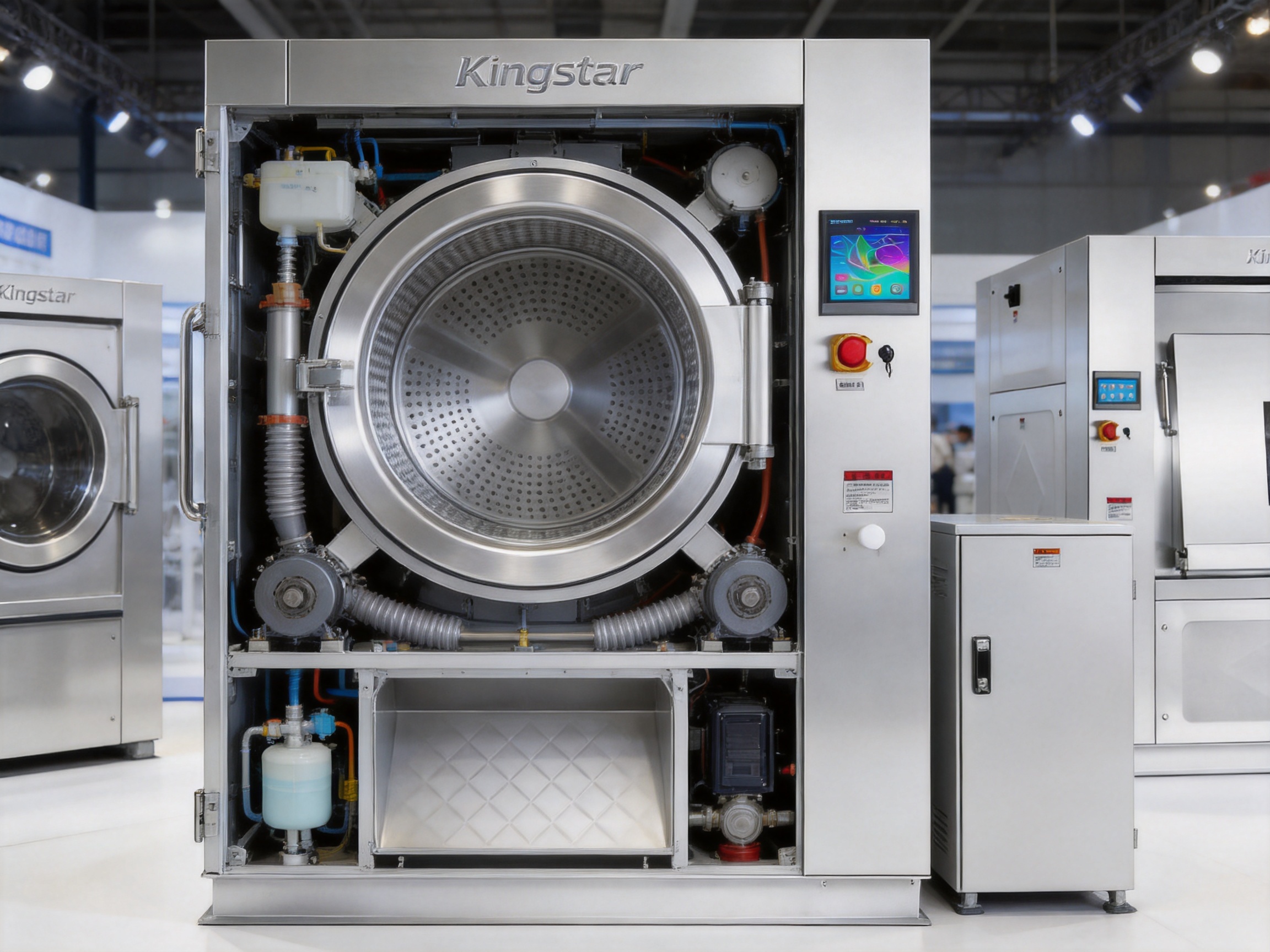
One of the major mechanical features of the washer is its underhung shock absorption structure. The design uses German-imported air springs together with hydraulic dampers to control movement during washing and high-speed extraction. By managing vibration at the machine base, the system helps provide smoother operation and lower noise.
Low vibration is particularly important in cleanroom and medical environments. Excessive movement can affect surrounding structures, create noise that disturbs personnel, and increase stress on mechanical components. A stable washer is also easier to integrate into a facility where floor penetrations, wall interfaces, and cleanroom boundaries must be carefully controlled.
The suspension system contributes to operational comfort, but it also supports long-term equipment reliability. When vibration is effectively controlled, bearings, frames, fasteners, piping connections, and surrounding structures may experience less mechanical stress. This does not eliminate the need for inspection and maintenance, but it can support a longer service life when the machine is installed and operated correctly.
Compared with rigidly mounted equipment that transfers more force directly to the building structure, an underhung suspension arrangement can offer a practical advantage for facilities that need high extraction performance without excessive structural disturbance. This is one of the ways the series is differentiated from basic industrial washers designed primarily for general laundry use.
Horizontal Drum and High-Performance Extraction
The washing drum is horizontally mounted and supported by bearings on both sides. This arrangement is designed to provide stable rotation, reliable load support, and effective dewatering. High extraction performance reduces the amount of residual moisture retained in the textiles, which can shorten subsequent drying time and reduce the energy required by a downstream dryer.
The drum dimensions increase with machine capacity. The N2015 uses a drum measuring approximately 600 × 574 × 150 mm, while the N2100 uses a drum measuring approximately 1220 × 860 × 1005 mm. The different dimensions are matched to the rated capacity and mechanical design of each model.
| Model | Drum Dimensions | Drive Motor Rating |
|---|---|---|
| N2015 | 600 × 574 × 150 mm | 2.2 kW |
| N2030 | 800 × 600 × 302 mm | 4 kW |
| N2050 | 1064 × 570 × 506 mm | 5.5 kW |
| N2070 | 1064 × 830 × 730 mm | 7.5 kW |
| N2100 | 1220 × 860 × 1005 mm | 11 kW |
Effective extraction must be balanced against the type of textile being processed. Medical linens, cleanroom garments, and delicate technical fabrics may require different extraction speeds and cycle settings. The programmable control system allows operators to develop suitable recipes instead of applying a single aggressive process to every load.
304 Stainless Steel Construction
All major components that come into contact with water are made from 304 stainless steel. These components include the inner drum, outer tub, outer doors, inlet valve, drain valve, and heating elements. The material provides resistance to acids and alkalis commonly encountered in laundry chemistry and offers protection against corrosion and rust.
Stainless steel is valuable in hygiene-sensitive laundry because it is durable, cleanable, and less likely to deteriorate when exposed to moisture and cleaning chemicals. A corroded or damaged water-contact surface can create rough areas, collect residues, or complicate sanitation. By using 304 stainless steel in the principal wet areas, the equipment is designed for a demanding service environment.
Material selection also influences maintenance. Smooth, corrosion-resistant surfaces are easier to inspect and clean. They can support more consistent housekeeping practices and help operators identify unusual residues or damage during routine checks. The use of stainless steel does not remove the need for appropriate cleaning and maintenance, but it provides a stronger foundation for those activities.
Recessed Drum Design and Fabric Protection
The drum uses a recessed-hole structure that is manually ground and electrolytically polished. This manufacturing treatment is intended to create a smoother internal surface and reduce the possibility of fabric snagging. It is particularly relevant when processing lint-free wipes, technical garments, anti-static clothing, and other textiles where surface damage can reduce product performance.
The drum also incorporates an anti-leak baffle structure. This feature helps prevent small items from escaping during operation. In a cleanroom laundry, the loss of a wipe or small garment component may create both a material-management problem and a contamination concern. Retaining small items inside the drum helps operators manage the load more reliably.
These details illustrate the difference between a general-purpose washer and equipment developed for specialized laundry. A general washer may be able to clean textiles, but a cleanroom or medical washer must also consider textile integrity, particle control, residue management, and the possibility of small articles entering the drain system.
Automatic Detergent Dispensing
The machine uses peristaltic pumps to dispense liquid detergents automatically. Peristaltic dosing provides controlled delivery and can improve repeatability from one cycle to the next. Instead of depending entirely on manual measurement, the equipment can introduce the programmed quantity of detergent at the selected stage of the wash formula.
Accurate dosing helps reduce several common problems. Under-dosing may produce incomplete cleaning, while over-dosing can increase chemical consumption, leave residues, create excessive foam, or require additional rinsing. Automatic dispensing also reduces direct operator contact with concentrated chemicals and can make the wash process easier to standardize across shifts.
For facilities with several textile categories, different programs can be linked to different dosing sequences. A cleanroom garment may require a different chemical approach from a heavily soiled hospital bed sheet. Operators should always select detergents and disinfectants according to textile compatibility, soil type, local regulations, and approved facility procedures.
Programmable Controls and 40 Wash Programs
The full-color LCD touchscreen provides a clear interface for cycle selection, parameter management, and operator interaction. A menu-based system can simplify routine use while allowing authorized users to access advanced settings. Three levels of user access help facilities organize responsibilities between operators, supervisors, maintenance personnel, and process managers.
The system supports up to 40 customizable washing programs. This capacity allows users to create separate recipes for different loads, including lightly soiled cleanroom garments, heavily soiled medical linens, infectious-area textiles, surgical gowns, reusable wipes, and other approved materials.
Programmable logic control is provided as a standard feature for pharmaceutical industry users. In a controlled process, the ability to repeat a defined sequence is essential. Water levels, heating stages, washing time, rinsing, extraction, chemical dosing, and other parameters can be organized into a recipe that operators can follow consistently.
Program flexibility also supports operational efficiency. Facilities may use shorter cycles for lightly soiled loads and more intensive cycles for high-contamination textiles. Properly designed programs can help avoid unnecessary water, energy, and chemical use while still meeting the intended cleaning objective. Operators should validate each process according to the specific textile and hygiene requirements rather than assuming that one program is suitable for every load.
Dual-Door Safety and Interlock Protection
The front and rear doors are made from 304 stainless steel and equipped with safety locks and interlock controls. The system prevents the door from being opened while the machine is running. It also prevents the machine from starting if the door is not fully closed.
The interlock arrangement has an additional role in maintaining the barrier principle. When one side door is open, the door on the opposite side remains locked. This reduces the risk of both doors being opened at the same time and helps preserve the separation between soiled and clean areas.
Safety interlocks are not a replacement for operator training or facility procedures, but they provide a critical engineering control. They reduce the possibility of accidental access to a moving drum, unexpected release of water, or uncontrolled exchange between the two sides of the machine.
Before installation, the facility should establish clear door-side responsibilities. The soiled side should be identified and controlled as the receiving area, while the clean side should be connected to the appropriate finishing, inspection, folding, packaging, or storage process. Clear signage and staff training can reinforce the mechanical separation built into the equipment.
Manufacturing Strengths and Quality-Oriented Production
Jiangsu Chuandao Intelligent Equipment Co., Ltd. specializes in industrial laundry equipment and commercial washing solutions. The Barrier Washer series reflects a manufacturing approach that combines structural engineering, stainless steel fabrication, mechanical assembly, electrical control integration, and application-focused design.
One important strength is the coordination of wet-area material selection with mechanical construction. The inner drum, outer tub, valves, doors, and heating elements must work together in an environment exposed to water, heat, detergents, disinfectants, vibration, and repeated loading. Selecting 304 stainless steel for water-contact components provides a consistent material foundation across the machine.
Another strength is the integration of the suspension system with the drum and drive assembly. An industrial washer cannot be evaluated only by its motor rating or nominal capacity. It must also manage rotational balance, load movement, extraction forces, vibration, drainage, and long-term structural stress. The use of air springs and hydraulic dampers demonstrates attention to these connected engineering requirements.
The drum manufacturing process also demonstrates product specialization. Manual grinding and electrolytic polishing require attention to internal surface quality. These processes are particularly relevant to cleanroom and medical laundry because fabric protection and cleanability are more important than they are in some general-purpose applications.
The control system is another manufacturing area in which application knowledge matters. A programmable touchscreen with multiple access levels and up to 40 programs is more suitable for a regulated or process-controlled environment than a basic start-and-stop control panel. It enables the washer to become part of a documented operating method rather than functioning as an isolated mechanical appliance.
For international customers and original equipment buyers, the company’s capabilities also include support for equipment selection, configuration, application matching, and project planning. The final specification should be confirmed according to local electrical standards, utility conditions, room layout, wall thickness, drainage requirements, chemical systems, and the customer’s sanitation procedures.
Advantages Compared with Conventional Industrial Washers
The most important advantage over a conventional single-door washer is the physical separation of clean and contaminated workflows. This advantage is decisive in hospitals, pharmaceutical plants, and cleanrooms where textile movement must be controlled.
| Comparison Factor | Barrier Washer Series | Conventional Single-Door Washer |
|---|---|---|
| Door Arrangement | Loading from the soiled side and unloading from the clean side | Loading and unloading from the same side |
| Contamination Control | Supports separation of dirty and clean zones | Relies more heavily on room procedures and operator handling |
| Installation | Integrated through a partition wall | Usually freestanding |
| Control System | Touchscreen, three access levels, up to 40 programs | Varies widely by model and may offer fewer controls |
| Wet-Area Materials | 304 stainless steel for principal water-contact components | Depends on manufacturer and model |
| Vibration Management | Underhung structure with air springs and hydraulic dampers | May use a simpler mounting system |
| Typical Application | Healthcare, cleanrooms, pharmaceuticals, biotechnology, high-contamination laundry | Hotels, restaurants, laundromats, general commercial laundry |
The series also offers advantages in repeatability and process management. Automatic detergent dosing and programmable recipes help reduce variation between operators. A conventional washer can still clean effectively, but it may not provide the same combination of segregation, recipe control, surface treatment, and specialized safety design.
Another advantage is scalability. With capacities from 15 kg to 100 kg, users can choose a model that matches their throughput. The equipment can support smaller departments as well as large institutional laundries. This flexibility is useful for organizations that expect gradual expansion or that need separate machines for different contamination categories.
Water, Drainage, Air, and Utility Requirements
Utility planning is essential before ordering and installing a barrier washer. Water consumption ranges from 285 liters per cycle for the N2015 to 1150 liters per cycle for the N2100. These values should be considered together with the number of daily cycles, incoming water pressure, drainage capacity, local water treatment, and the facility’s environmental objectives.
Water inlets range from DN20 on the N2015 to DN40 on the N2070 and N2100. Drain outlets are DN63 on the smaller models and DN100 on the larger models. Proper drainage is important because a high-capacity washer can discharge a large volume of water quickly. The drainage system must be designed to prevent backflow, standing water, leakage, and uncontrolled discharge near clean areas.
The listed air consumption is approximately 0.1 to 0.15 cubic meters per hour, with connection size of 8 mm. Pressure requirements are listed at 0.5 MPa for the smaller models and 0.6 MPa for the larger models. Utility specifications should be verified during technical planning because actual site conditions, local standards, and optional configurations may affect the final installation requirements.
Steam-heated models require additional planning for steam supply. Steam connection sizes range from DN20 to DN25, while steam consumption increases with machine capacity. The facility should confirm steam quality, pressure stability, condensate return, insulation, valve arrangement, and maintenance access.
Installation Planning for a Two-Zone Laundry
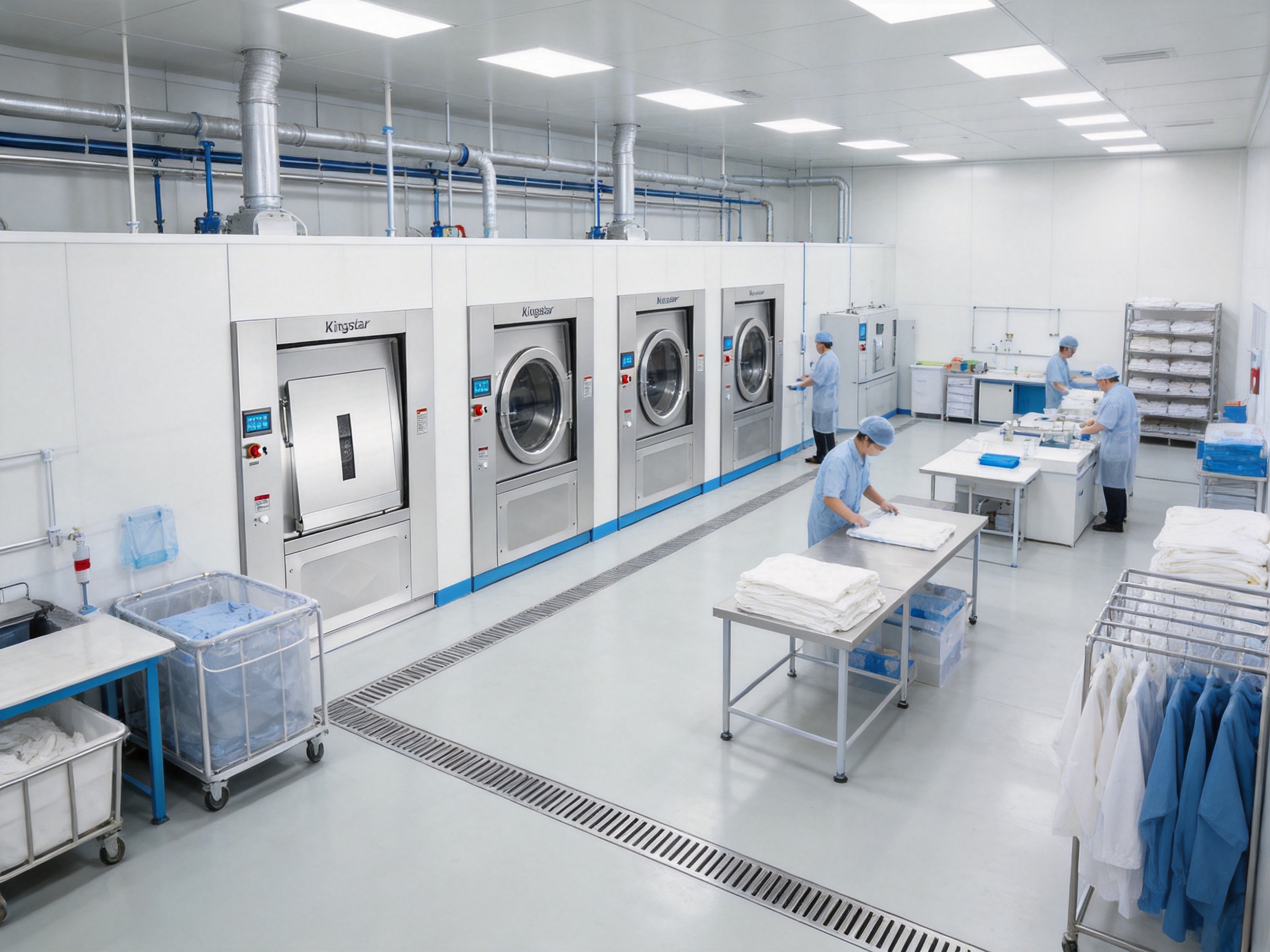
A barrier washer should be considered during the architectural design stage rather than added as an afterthought. The partition wall must accommodate the machine body, front and rear doors, utility connections, maintenance access, and any required sealing or finishing details. The wall should clearly divide the soiled handling area from the clean finishing area.
The soiled side should provide sufficient space for receiving carts, sorting, weighing, loading, and staff movement. The clean side should provide room for unloading, inspection, drying transfer, folding, packaging, or storage. Both sides require access for cleaning and maintenance, but maintenance routes should be organized so that service activities do not compromise clean operations.
The installation position should also consider the height of each model. Overall machine height ranges from 1780 mm for the N2015 to 2330 mm for the electric-heated N2100. The steam-heated N2100 has a listed height of 2265 mm. Door clearance, overhead services, ventilation, lighting, and structural loading should be reviewed before the equipment arrives.
Because the larger machines weigh between 2100 kg and 3200 kg, floor loading and transportation routes require careful assessment. The building must be capable of supporting the machine and its operating loads. Delivery doors, lifting equipment, ramps, and final positioning should be included in the project plan.
Operational Best Practices
Operators should sort textiles according to contamination level, material type, color, and approved process. Overloading the drum can reduce cleaning performance, restrict mechanical action, and affect extraction balance. Underloading may also reduce efficiency and cause unstable load movement. Each model should be operated within the manufacturer’s recommended loading range.
Staff should load textiles from the soiled side and avoid carrying contaminated items into the clean area. Once the cycle is complete, the clean-side operator should unload the processed textiles using procedures appropriate to the facility. Carts, baskets, gloves, and other handling equipment should be assigned to the correct zone and cleaned according to the site’s hygiene plan.
Detergents and disinfectants must be selected for compatibility with the textile and the machine. Chemical concentration, injection timing, temperature, contact time, and rinsing should be established through a validated or approved process. Automatic dosing should be checked regularly to ensure that pumps, tubing, containers, and injection points remain in good condition.
Daily checks should include door seals, interlocks, visible drum condition, detergent connections, water and steam connections, drainage, unusual noise, vibration, and control-panel messages. Planned maintenance should cover bearings, dampers, air springs, valves, pumps, drive components, electrical connections, and safety devices.
Energy and Resource Efficiency
Resource efficiency in an industrial laundry depends on more than the nominal water consumption of the washer. It also depends on load size, cycle selection, extraction performance, heating method, detergent dosing, drying time, and operator discipline. A washer that removes more water during extraction can reduce the workload of downstream dryers.
The programmable control system allows users to develop appropriate cycles rather than applying maximum settings to every load. When a lightly soiled load is processed with a suitable lower-resource formula, the facility may reduce unnecessary water, energy, and chemicals. At the same time, high-contamination textiles can receive the more intensive process they require.
Automatic detergent dosing supports chemical management by delivering repeatable quantities. This can reduce waste caused by manual over-pouring and may help control rinse requirements. Proper maintenance of water valves, drain systems, heating systems, and insulation also supports efficient operation over the life of the equipment.
Facilities should monitor water, energy, chemical consumption, cycle times, rewash rates, and textile damage. These measurements can help managers identify opportunities for improvement and determine whether selected programs are producing consistent results.
Why the 50 kg, 70 kg, and 100 kg Models Matter
The 50 kg, 70 kg, and 100 kg models are designed for facilities with substantial daily laundry requirements. A 50 kg washer can support medium-to-large institutional operations, while 70 kg and 100 kg machines are suited to high-throughput hospitals, industrial laundries, and large cleanroom service departments.
Higher capacity can reduce the number of cycles required to process a given volume of textiles. However, capacity must be matched to the facility’s collection and finishing systems. A 100 kg washer is most effective when the facility has enough soiled linen to load efficiently, adequate water and drainage, appropriate heating capacity, sufficient clean-side space, and downstream dryers or finishing equipment capable of handling the output.
Large models can also support dedicated processing streams. For example, one machine may be assigned to hospital bed linen, another to surgical garments, and another to cleanroom textiles. This approach can help reduce mixing between textile categories and simplify program management.
Barrier Washers and Regulatory Readiness
Facilities that handle medical, pharmaceutical, or cleanroom textiles often operate under internal quality systems and external hygiene requirements. A barrier washer can support those systems by providing a clear physical separation, programmable processes, access control, and a documented equipment configuration.
However, the machine itself should not be described as a substitute for validation, certification, or a complete infection-control program. Each facility remains responsible for establishing suitable procedures, selecting compatible chemicals, verifying process performance, training employees, maintaining records, and meeting applicable local requirements.
The equipment’s design can make compliance-oriented operations easier to organize. Three-level access control can limit program changes. Multiple recipes can support standardized processing. The two-door configuration can reinforce the clean-to-soiled workflow. Stainless steel construction and cleanable surfaces can support routine sanitation and inspection.
Purchasing Considerations for International Buyers
When evaluating a barrier washer, buyers should compare more than purchase price. The correct selection should consider the level of contamination control required, daily laundry volume, model capacity, heating method, water consumption, steam availability, electrical supply, drainage, installation layout, service access, spare parts, operator training, and future expansion.
Buyers should also confirm whether the proposed machine can fit the facility’s wall opening and whether the front and rear doors align correctly with the two intended rooms. The installation design should specify door swing, clean-side and soiled-side clearances, utility routing, floor loading, ventilation, and emergency access.
For original equipment or project-based customers, technical discussions should cover control language, voltage, frequency, electrical protection, detergent dosing arrangements, stainless steel requirements, program configuration, documentation, packaging, shipping dimensions, and commissioning support.
Jiangsu Chuandao Intelligent Equipment Co., Ltd. can provide industrial laundry equipment solutions for customers seeking commercial washer extractors and specialized washing systems. Its product knowledge, configuration capability, and manufacturing experience can help buyers select a machine that is aligned with their application instead of relying only on a general catalog specification.
Q&A: Frequently Asked Questions About Barrier Washers
What is the main purpose of a barrier washer?
The main purpose is to separate the soiled laundry area from the clean laundry area. The machine is installed through a partition wall, with loading from one side and unloading from the other. This supports a one-way workflow and helps reduce the opportunity for cross-contamination.
How does this series differ from a conventional washer?
A conventional washer usually has one operating side, so the same area is used for loading and unloading. This barrier washer series has front and rear doors, safety interlocks, wall-integrated installation, programmable controls, and features intended for cleanroom, healthcare, pharmaceutical, and other contamination-sensitive applications.
What capacities are available?
The series includes N2015, N2030, N2050, N2070, and N2100 models with rated dry capacities of 15 kg, 30 kg, 50 kg, 70 kg, and 100 kg. The 50 kg, 70 kg, and 100 kg models are suitable for larger industrial and institutional laundry operations.
Can the washer use electric heating?
Yes. Electric-heated models are available with heater ratings matched to the machine capacity. The electrical supply must be designed according to the selected model’s installed power and local electrical requirements.
Can the washer use steam heating?
Yes. Steam-heated versions are available for facilities with a suitable central steam supply. Steam consumption and connection requirements vary by model, so the utility system should be checked during project planning.
What materials are used in the water-contact areas?
The inner drum, outer tub, outer doors, inlet valve, drain valve, and heating elements are made from 304 stainless steel. This material provides resistance to corrosion and supports cleanability in wet and chemically demanding environments.
How many washing programs can be stored?
The control system supports up to 40 customizable washing programs. These programs can be arranged for different textile categories, soil levels, chemical sequences, temperatures, rinsing stages, and extraction requirements.
Is automatic detergent dosing available?
Yes. Peristaltic pumps are used to automatically dispense liquid detergents. Automatic dosing helps improve repeatability and can reduce the risk of manual over-dosing or under-dosing.
Why is low vibration important in a cleanroom laundry?
Low vibration helps reduce noise, protect surrounding structures, and support stable operation. The underhung structure, air springs, and hydraulic dampers help manage movement during washing and extraction.
What textiles can be processed?
The equipment can be used for approved textile categories such as anti-static garments, cleanroom gloves, lint-free wipes, hospital bed linens, surgical gowns, and infectious-department textiles. The wash formula must always be matched to the fabric, contamination level, and facility procedure.
Does installing the washer automatically guarantee sterile laundry?
No. The washer is an important part of a controlled laundry system, but final hygiene performance depends on the entire process. Facility zoning, textile sorting, chemical selection, temperature, contact time, rinsing, drying, handling, staff training, maintenance, and process verification are all important.
What should be considered before installation?
Buyers should evaluate wall construction, room separation, floor loading, machine dimensions, door clearances, water supply, drainage, air, electrical power, steam, ventilation, maintenance access, textile flow, and downstream drying or finishing equipment.
Can the machine be customized for international projects?
Project requirements can be discussed with the manufacturer. Important subjects include voltage, frequency, control language, heating method, capacity, detergent dosing, program configuration, connection standards, documentation, and installation conditions.
Conclusion
The Barrier Washer series provides a specialized solution for facilities where laundry hygiene and contamination control are central operational requirements. Its front-and-rear door arrangement creates a practical division between soiled and clean zones, while the interlock system helps maintain that separation during operation.
The series combines 15 kg to 100 kg capacities with electric or steam heating, 304 stainless steel water-contact components, automatic liquid-detergent dosing, a programmable touchscreen, up to 40 wash programs, low-vibration suspension, double-sided drum support, and a fabric-protective recessed drum design. These features make it more than a high-capacity washer; they make it a process-oriented machine for specialized laundry environments.
Compared with conventional single-door equipment, the principal advantages are controlled workflow, improved separation, greater recipe flexibility, stronger suitability for cleanroom and medical applications, and a construction approach focused on long-term industrial use. The equipment’s value is greatest when it is integrated into a carefully planned two-zone laundry with appropriate procedures, utilities, maintenance, and operator training.
For hospitals, pharmaceutical manufacturers, biotechnology companies, semiconductor facilities, cleanroom service providers, and industrial laundries, selecting the correct barrier washer can improve the organization and reliability of textile processing. With multiple capacities and heating configurations, the series can be adapted to both medium-scale and high-volume applications while supporting the strict operational discipline required by hygiene-sensitive industries.
References
1. Product technical specifications for the Barrier Washer N2015, N2030, N2050, N2070, and N2100 series.
2. Industrial laundry equipment design principles for washer extractors, barrier washers, and high-capacity textile processing systems.
3. General guidance on cleanroom garment handling, contamination control, and controlled laundry workflows.
4. General principles of healthcare laundry segregation, infection-control handling, and textile hygiene management.
5. Stainless steel selection and corrosion-resistance principles for water-contact industrial equipment.
6. Programmable control, automatic chemical dosing, and process repeatability in commercial laundry operations.
7. Facility planning considerations for partition-wall equipment, utility connections, drainage, maintenance access, and clean-side finishing areas.
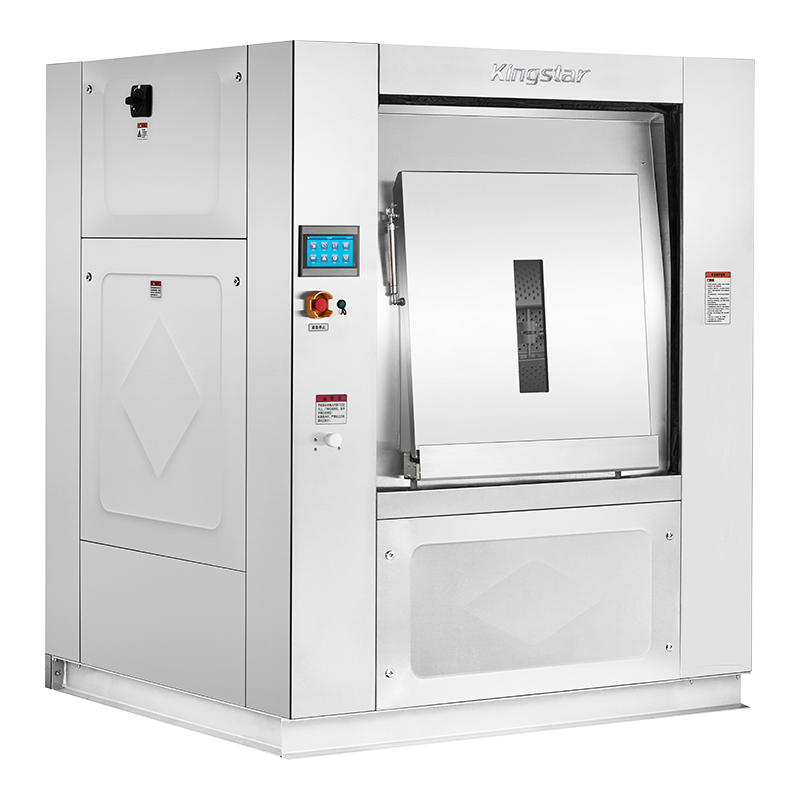
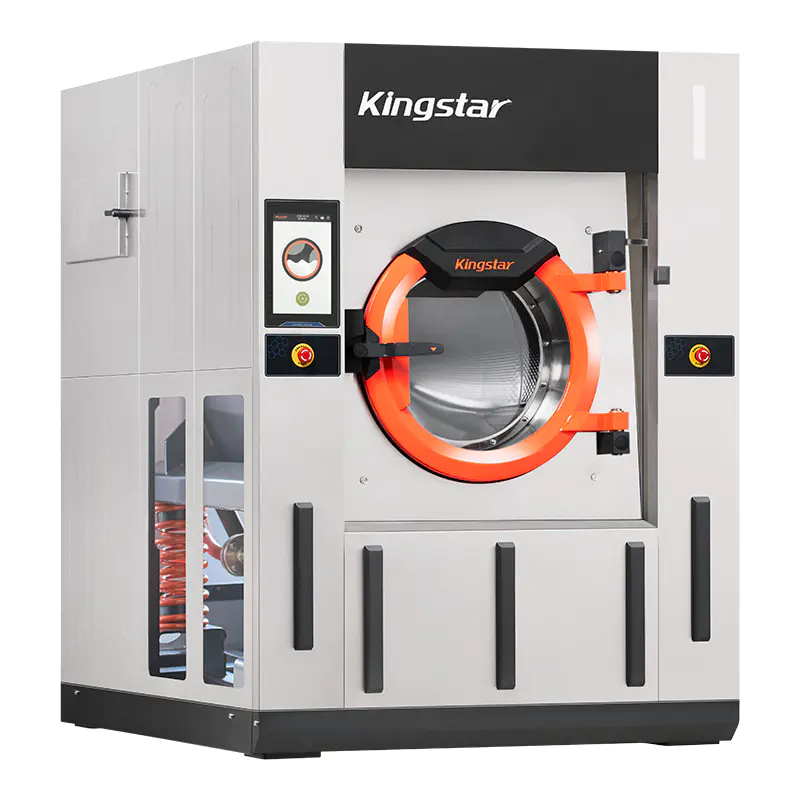
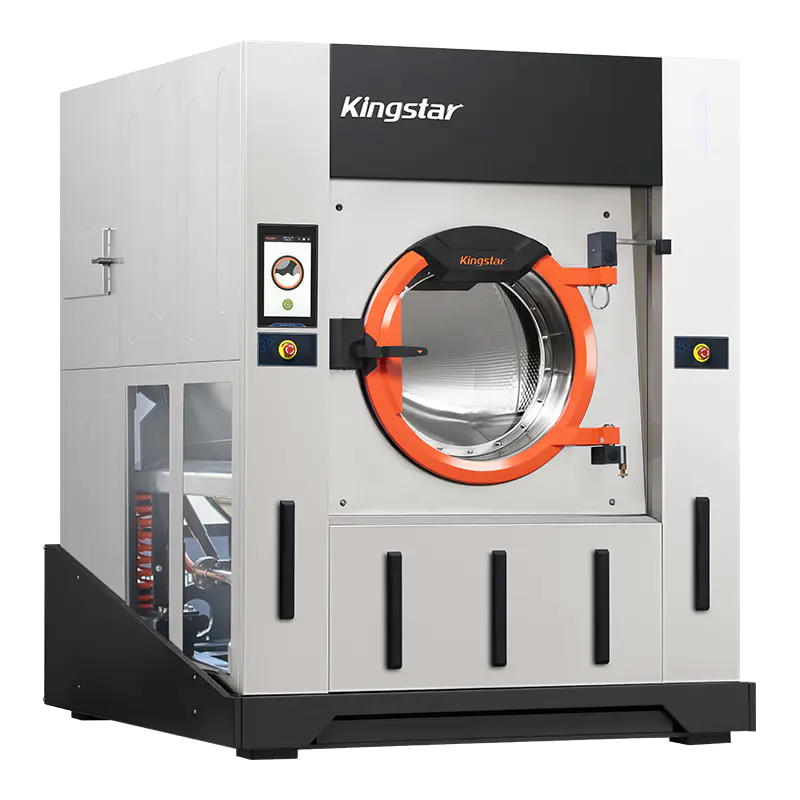
Barrier Washer(50/70/100kg)
The information in this article should be reviewed together with the final technical quotation, installation drawings, applicable local regulations, and the operating procedures established by the purchasing facility.
Equipment performance depends on correct installation, suitable textile loading, approved chemical formulas, proper maintenance, and operation within the specified utility and capacity limits.
Model dimensions, utilities, heating options, and control configurations should be confirmed with the manufacturer before purchase or project approval.
Product: Barrier Washer(50/70/100kg)

ADD:No.388 Xinggang Road, Chongchuan District, Nantong City, 226000, Jiangsu Province, China.
-
Phone: +86-13917089379
-
Tel:+86-13917089379
-
Fax:+86-0513-85663366
-
E-mail:louislu@kingstarlaundry.com
products