英语
英语 俄语
俄语 西班牙语
西班牙语 德语
德语
Home / Author / Suyin Huo — Regional Sales Executive / 18kg Compact Laundromat Wet Washing Machine: A Practical Guide to High-Performance Commercial Laundry

Kingstar is your trusted partner for industrial and commercial laundry equipment. We specialized in the R&D and manufacturing of high-end industrial washers, commercial washers and dryers. Meanwhile, we provide global clients with comprehensive planning, layout workflow design, and software-hardware integration services for smart laundry plants.
Suyin Huo — Regional Sales Executive
Oct 04,2026
18kg Compact Laundromat Wet Washing Machine: A Practical Guide to High-Performance Commercial Laundry
Introduction
Commercial laundry operators need equipment that can process substantial volumes of textiles while maintaining consistent washing quality, reducing operating costs, and fitting efficiently into the available workspace. The 18kg Compact Laundromat Wet Washing Machine, model SHS-2018P, is designed for this demanding environment. With a variable washing and extraction speed of 10 to 1080 revolutions per minute, an 18kg maximum capacity, a 180-liter drum volume, and a G Factor of 400, it combines washing flexibility with powerful moisture removal in a compact commercial format.
This machine is suitable for laundromats, hotels, hospitals, nursing homes, restaurants, uniform services, textile rental companies, schools, and other businesses that require reliable wet washing performance. Its design supports frequent operation, controlled water use, effective extraction, and practical installation. The machine can also be used in facilities where space is limited but industrial-grade laundry performance is still essential.
A commercial washer-extractor must do more than clean fabric. It must handle repeated loading and unloading, tolerate demanding work schedules, protect textiles, work with different wash formulas, and reduce the amount of water remaining in the load before drying. The SHS-2018P addresses these needs through its combination of drum capacity, high-speed extraction, heating capability, multiple detergent cups, low operating noise, and compact external dimensions.
This article explains the machine’s specifications, operating advantages, installation considerations, maintenance requirements, and commercial applications. It also examines how the manufacturing capabilities of Jiangsu Chuandao Intelligent Equipment Co., Ltd. support the production and supply of commercial washer-extractors for professional laundry markets.
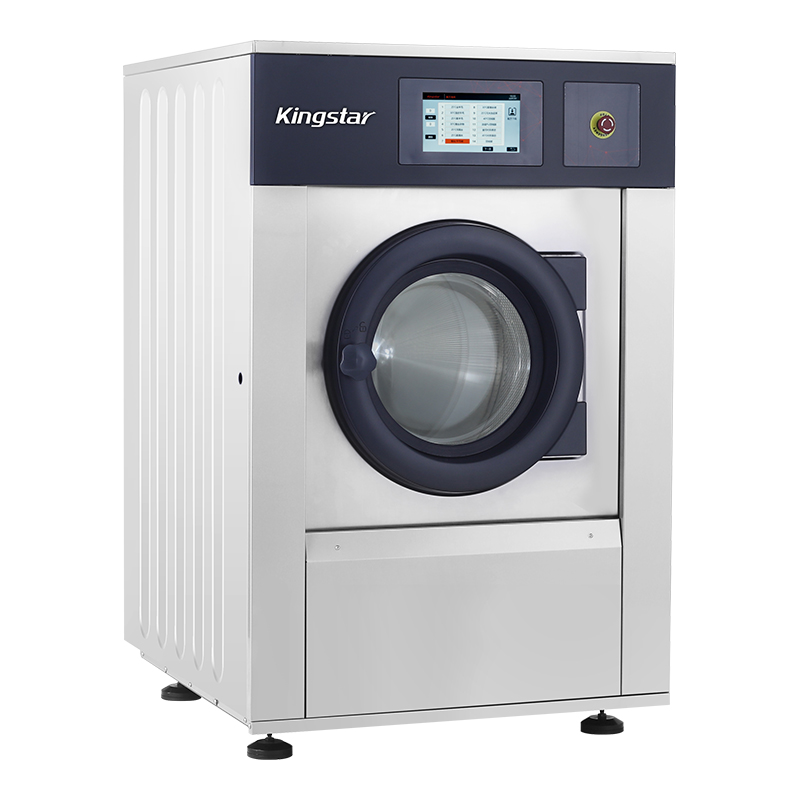
18kg Compact Laundromat Wet Washing Machine
Product Overview
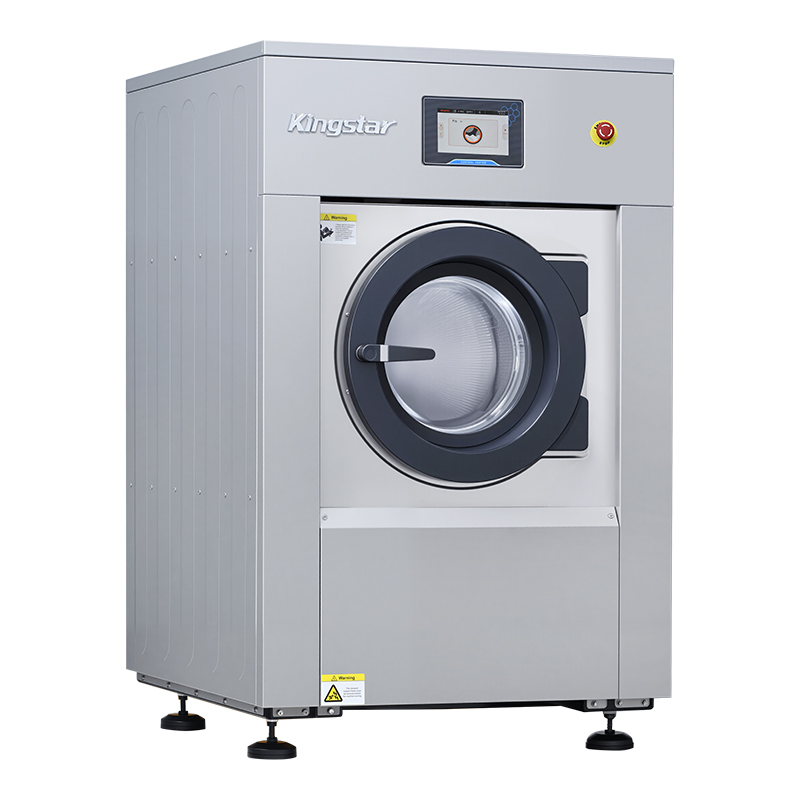
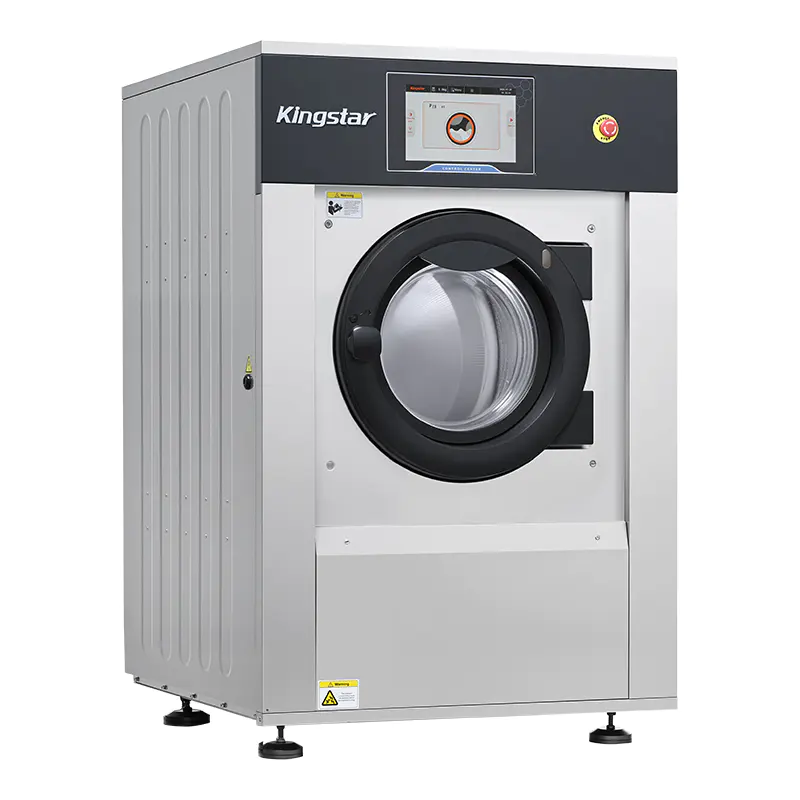
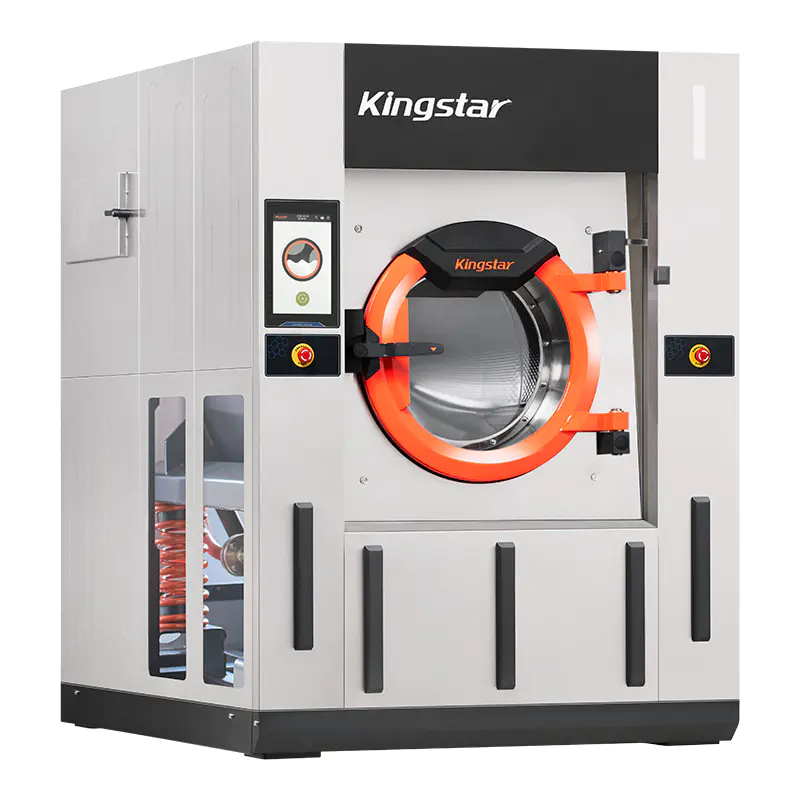
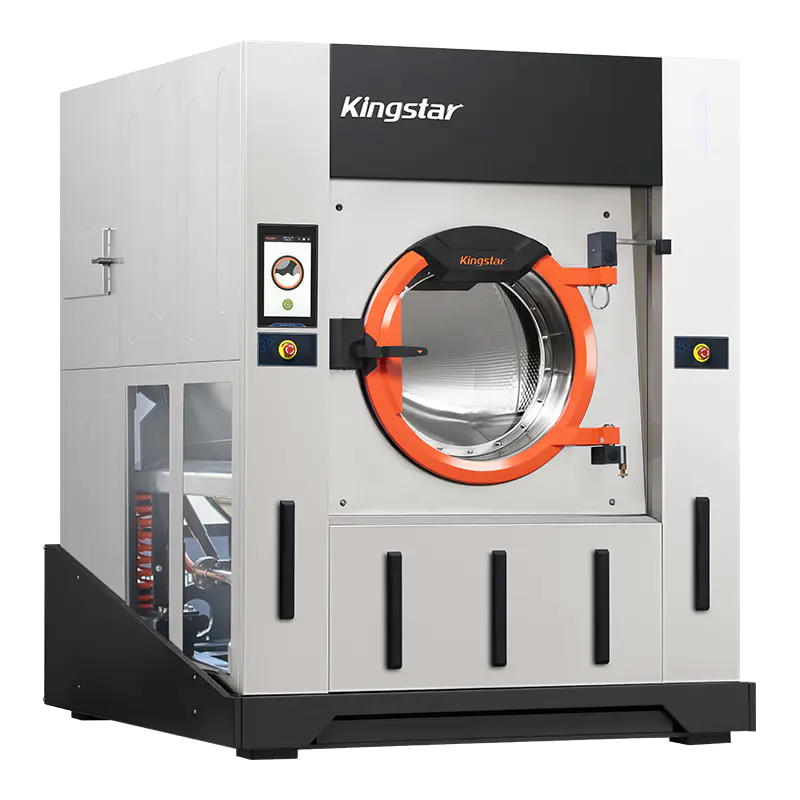
The SHS-2018P is an 18kg compact laundromat wet washing machine classified as a commercial washer-extractor. The term “wet washing machine” generally refers to equipment that performs the washing stage with water, detergent, mechanical action, rinsing, and extraction. In commercial applications, the washer-extractor format is especially valuable because washing and high-speed moisture removal take place in the same machine.
The machine has a rated capacity range of 6 to 18kg. This range gives operators flexibility when processing different batch sizes. Smaller loads can be washed without requiring the use of a large industrial machine, while full loads can be processed when maximum productivity is needed. Correct loading remains important: operators should avoid both overloading and underloading because either condition can affect cleaning quality, water distribution, mechanical balance, and energy consumption.
The 180-liter drum volume provides room for textiles to lift, tumble, and circulate during the wash process. Proper textile movement is essential for detergent distribution and contact between the fabric and wash liquor. The internal drum diameter and depth are listed as 750 by 410mm, while the complete machine dimensions are 950 by 905 by 1465mm. These measurements give the unit a relatively compact footprint compared with many larger industrial laundry systems.
Its electrical specification is based on a 380V supply. The motor power is 2.2kW, and the electrical heating power is 18kW. The machine also supports steam pressure from 0.2 to 0.4MPa, making it adaptable to facilities that use steam heating rather than, or in addition to, electrical heating. The available heating method should be selected according to the customer’s site utilities, local regulations, operating cost objectives, and laundry process requirements.
The washing and extraction speed range is 10 to 1080rpm. Low-speed rotation is useful for washing and controlled textile movement, while high-speed rotation removes a significant portion of the water from the load. The G Factor is 400, indicating a strong extraction capability for a commercial machine of this class. Effective extraction can reduce the workload placed on a tumble dryer and may help lower drying time and energy use.
Main Specification Table
| Specification | Value |
|---|---|
| Model | SHS-2018P |
| Electrical Voltage | 380V |
| Capacity | 6–18kg |
| Drum Volume | 180L |
| Washing and Extraction Speed | 10–1080rpm |
| Motor Power | 2.2kW |
| Electrical Heating Power | 18kW |
| Noise Level | ≤70dB |
| G Factor | 400G |
| Detergent Cups | 9 |
| Steam Pressure | 0.2–0.4MPa |
| Water Inlet Pressure | 0.2–0.4MPa |
| Water Inlet Pipe | 27.5mm |
| Hot Water Pipe | 27.5mm |
| Drainage Pipe | 72mm |
| Inner Drum Diameter and Depth | 750 × 410mm |
| Overall Dimensions | 950 × 905 × 1465mm |
| Weight | 426kg |
Why the 18kg Format Is Valuable
An 18kg washer-extractor occupies an important position between small commercial machines and high-capacity industrial systems. Many laundromats and institutional laundries do not require a machine with a capacity of several dozen kilograms for every wash cycle. At the same time, domestic washing machines are not built for the workload, cycle frequency, or extraction performance demanded by professional users.
The 6–18kg capacity range allows a business to match machine size with the actual quantity of textiles available. A laundromat can process individual customer orders, bedding, towels, uniforms, and workwear in manageable batches. A hotel can separate guest linens, towels, staff clothing, and special-care fabrics. A healthcare facility can use dedicated cycles for different classes of textiles while maintaining a clear separation between clean and soiled goods.
The compact format is also useful when a laundry room has limited floor area. At 950mm wide and 905mm deep, the machine can be planned into many commercial laundry layouts without requiring the footprint of a much larger industrial washer. Its 1465mm height offers substantial drum volume while keeping the unit within a practical working profile for loading and unloading.
Compared with using several small domestic machines, one commercial washer-extractor can simplify workflow, reduce operator handling, and provide more consistent results. A professional unit is designed for repeated cycles, controlled extraction, and integration with commercial utility systems. The result is a more organized production process rather than a collection of unrelated household appliances.
Compared with a very large industrial washer, the 18kg model can offer greater flexibility for smaller batches. Large machines may be inefficient when the available textile volume is low, because operators may need to wait until enough goods accumulate for a full load. The SHS-2018P allows more frequent processing and easier sorting according to customer, textile type, soil level, or hygiene requirement.
Washing Performance and Textile Handling
Cleaning performance depends on the interaction of several factors: water temperature, detergent concentration, mechanical action, time, rinsing quality, and load preparation. The SHS-2018P is designed to support these elements through adjustable speed, heating options, a substantial drum volume, and multiple detergent cups.
The low end of the 10–1080rpm speed range supports gentle drum movement and controlled washing action. This is important because different textiles require different levels of mechanical treatment. Towels and workwear may require more vigorous action, while delicate garments and certain healthcare textiles may require a gentler approach. Operators should follow textile-care labels and established laundry procedures when selecting wash formulas.
The 180-liter drum provides space for the load to move through the wash liquor. Mechanical movement helps loosen soil and distribute detergent. A properly loaded drum should not be compressed so tightly that textiles cannot circulate. It should also not be filled so lightly that the load repeatedly falls with excessive impact. The correct load ratio depends on fabric type, moisture absorption, and the selected program.
Nine detergent cups provide a practical platform for chemical management. Separate compartments can be assigned to products such as main detergent, prewash detergent, alkali, bleach, neutralizer, softener, and specialty chemicals. The exact chemical arrangement should be determined by the laundry’s chemical supplier and safety procedures. Automatic dosing systems may also be integrated where the facility requires precise chemical delivery and reduced manual handling.
Multiple detergent compartments can improve repeatability. When the same chemical is added at the same stage of every cycle, operators are less likely to make dosing mistakes. Consistency is especially important for commercial customers who expect similar results from one order to the next. It is also important for healthcare laundries, where process control and documentation are central to hygiene management.
The washer’s heating capability supports the use of temperature-controlled wash programs. The 18kW electrical heating system can help raise water temperature when a suitable electrical supply is available. The steam pressure range of 0.2–0.4MPa provides an alternative for facilities equipped with a central boiler or steam distribution system. Heating improves the effectiveness of many wash formulas, but temperature selection must always be appropriate for the fabric and chemical system.
High-Speed Extraction and Drying Efficiency
One of the most important differences between a commercial washer-extractor and a basic washing machine is the ability to remove water rapidly after rinsing. The SHS-2018P reaches up to 1080rpm and has a G Factor of 400. These specifications indicate that the machine is designed to reduce residual moisture before the textiles are transferred to a dryer, finishing station, or air-drying area.
Residual moisture affects every later stage of laundry processing. A wetter load requires more time in the dryer. Longer drying cycles consume more energy and reduce the number of loads that can be completed during a working day. Excess water can also increase labor because loads are heavier to handle after washing. Strong extraction therefore contributes to productivity, energy management, and operator convenience.
The G Factor expresses the relative centrifugal force applied during extraction. A higher G Factor generally means more effective moisture removal, although actual results also depend on fabric construction, load balance, spin time, drain performance, and the type of textile being processed. A G Factor of 400 is well suited to many commercial laundry applications, including towels, uniforms, bedding, and general institutional textiles.
High-speed extraction must be supported by correct installation and load distribution. Operators should not place a single heavy item or an uneven collection of textiles into the drum without considering balance. An unbalanced load can cause vibration, reduce extraction efficiency, and increase mechanical stress. Sorting and distributing textiles properly are essential parts of achieving the machine’s stated performance.
Compared with low-extraction washing equipment, a 400G washer-extractor may help reduce dependence on the dryer. This can be a major advantage in regions with high energy costs or where the laundry has limited drying capacity. If a laundry is expanding, improving extraction may increase overall throughput without immediately requiring additional dryers.
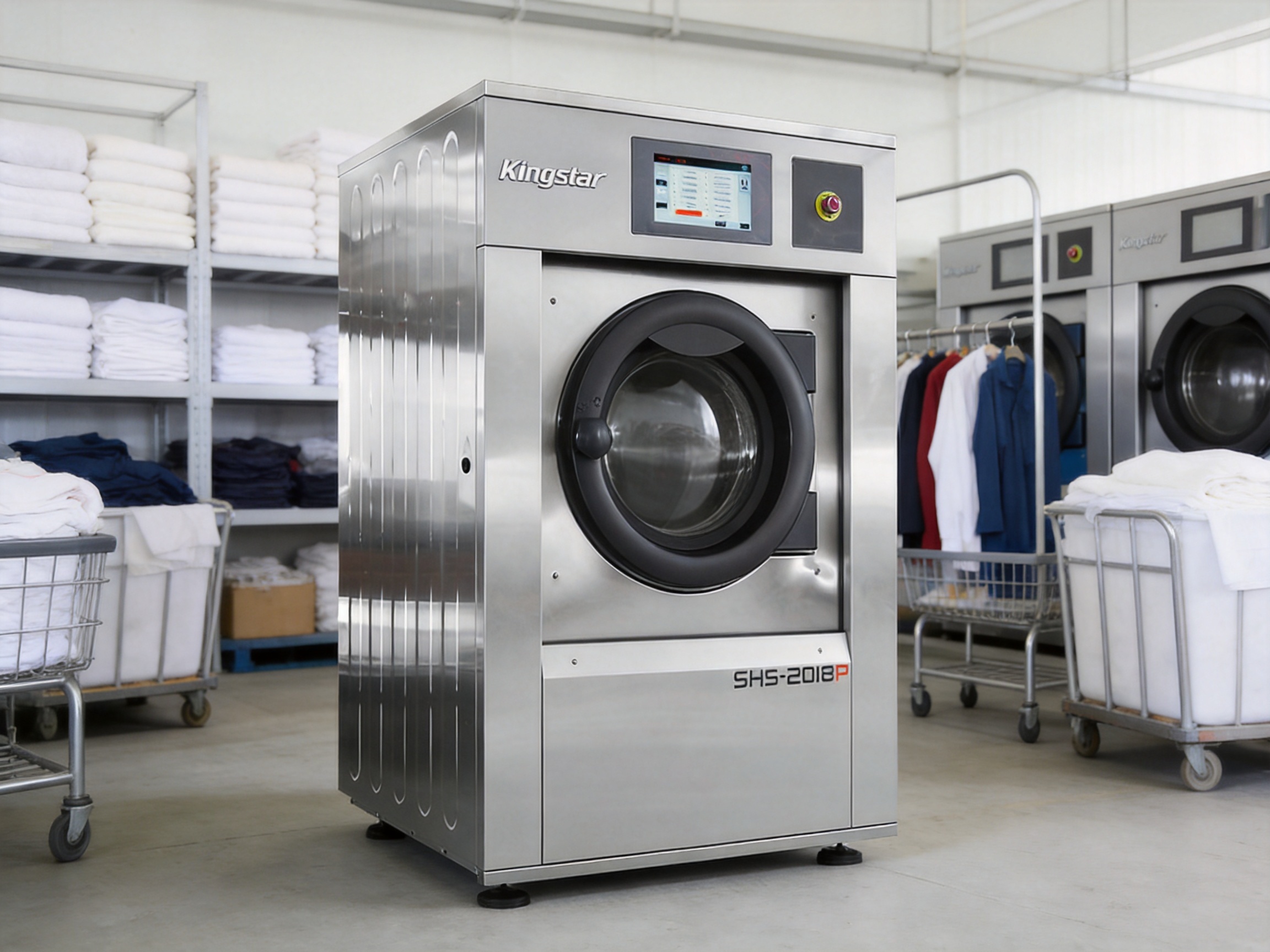
Compact Design and Installation Benefits
Space planning is a major concern in commercial laundry projects. The SHS-2018P has overall dimensions of 950 × 905 × 1465mm, allowing it to be installed in many compact laundry rooms. However, the published dimensions should not be treated as the complete installation envelope. The facility should also allow space for door opening, operator movement, utility connections, maintenance access, ventilation, and the safe transfer of wet textiles.
The machine weighs 426kg. The floor must therefore be assessed before installation. A suitable foundation should be level, stable, and capable of supporting the machine during operation. The final foundation design should consider both static weight and dynamic forces caused by loading, spinning, and extraction. Installation by qualified personnel is recommended, particularly where local regulations require professional electrical, plumbing, or mechanical work.
The 380V electrical specification must be confirmed against the site’s available power supply. The electrical installation should include suitable protection, grounding, isolation, cable sizing, and compliance with local electrical codes. The 18kW heating system can significantly affect the required electrical capacity, so the facility should verify its total connected load before ordering or installing the machine.
The water inlet pressure requirement is 0.2–0.4MPa. Insufficient pressure may lengthen filling time or affect cycle consistency, while excessive pressure may damage components or exceed the design conditions. The water inlet and hot water pipe size is listed as 27.5mm. The facility should confirm pipe routing, valve accessibility, filtration requirements, and water quality before commissioning.
The 72mm drainage pipe specification supports rapid removal of wash water. Drainage design is particularly important during high-speed commercial operation because slow or restricted drainage can affect rinsing, chemical removal, and cycle duration. The drain should be routed to an appropriate system with adequate capacity and should comply with local environmental and plumbing requirements.
Steam-equipped facilities should confirm that their steam supply falls within the specified range of 0.2–0.4MPa. Steam lines should include suitable valves, filters, traps, pressure controls, insulation, and safety devices as required by the local code. Steam installation should be completed by qualified professionals, and operators should receive training on safe operation.
Noise, Working Environment, and Operator Comfort
The listed noise level is no more than 70dB. Noise performance is an important consideration in laundromats, hotels, hospitals, and facilities where the laundry room is located near occupied areas. Lower noise can improve the working environment, reduce disturbance, and make it easier for operators to communicate and identify abnormal sounds during operation.
A noise rating is normally measured under specified conditions. The actual sound level in a laundry room may vary depending on floor construction, room acoustics, machine loading, extraction balance, utility connections, and neighboring equipment. Correct leveling and installation are essential. Loose panels, worn bearings, obstructed drains, and unbalanced loads can also increase noise over time.
Operators should treat unusual knocking, scraping, excessive vibration, or sudden changes in sound as warning signs. Stopping the machine and investigating the cause can prevent more serious damage. Routine inspection of fasteners, drum components, drive parts, seals, and connections should be included in the maintenance plan.
Advantages Compared with Competing Equipment
Balanced Capacity for Commercial Users
The 18kg maximum load provides a useful balance between productivity and flexibility. Smaller businesses can process meaningful quantities without investing in an oversized industrial system. Larger facilities can use the machine as a flexible supplemental unit for special loads, overflow production, or separate textile categories.
Strong Extraction in a Compact Footprint
A 400G extraction capability is a significant advantage for businesses that want to reduce drying time. Some competing machines in the same general size class may emphasize washing capacity but provide less powerful extraction. By removing more water before drying, the SHS-2018P can support a more efficient complete laundry workflow.
Multiple Heating Options
The combination of 18kW electrical heating and compatibility with 0.2–0.4MPa steam gives users greater utility flexibility. A facility can select the heating method that best matches its infrastructure and energy strategy. This is particularly valuable for hotels, hospitals, and industrial laundries that may already have central steam systems.
Flexible Chemical Management
Nine detergent cups provide more chemical-management options than a simple domestic-style dispenser. The arrangement can support multi-stage wash formulas and help operators organize chemical additions. It also creates a foundation for standardized procedures across different shifts.
Commercial Construction and Repeat Use
A commercial washer-extractor is designed for a more demanding duty cycle than a household washing machine. The machine’s 426kg weight, professional utility specifications, high-speed extraction, and commercial capacity indicate that it is intended for regular business use. It should still be operated within the recommended limits and maintained according to an established service schedule.
Practical Installation Dimensions
The compact external dimensions allow more efficient use of floor space. In a commercial laundry, saving floor area can create room for an additional dryer, folding table, linen cart, sorting station, or chemical storage area. A compact machine can therefore improve the productivity of the entire room, not only the washing stage.
Applications in Different Commercial Sectors
Laundromats
Laundromats need machines that are easy to understand, durable, and capable of handling a wide range of customer textiles. The 6–18kg capacity range can accommodate regular clothing, blankets, towels, workwear, and household linens. High-speed extraction helps customers receive laundry that is ready for faster drying or folding.
The compact footprint is suitable for laundromats that must maximize the number of machines available to customers. Owners can plan the machine alongside dryers, payment systems, folding areas, and customer circulation paths. Noise of no more than 70dB can also contribute to a more comfortable customer environment when the laundry area is not completely isolated.
Hotels and Resorts
Hotels process large quantities of towels, bed sheets, pillowcases, uniforms, table linens, and housekeeping textiles. The SHS-2018P can be used for daily linen processing or as part of a larger laundry fleet. Its capacity is appropriate for segregated batches, allowing operators to separate guestroom linens, restaurant textiles, spa towels, and staff garments.
Extraction performance is particularly valuable in hotels because dryers often represent a major source of energy consumption. Reducing moisture before drying can shorten cycle time and increase daily capacity. Hotels can also benefit from the machine’s compact format when the laundry room is located in a basement or a restricted service area.
Hospitals and Healthcare Facilities
Healthcare laundries require disciplined separation, chemical handling, temperature control, and documentation. The machine can support process-based washing of hospital gowns, sheets, towels, and other washable textiles. The exact hygiene procedure must be designed by the facility’s infection-control team and should reflect applicable regulations.
Nine detergent cups can support multi-step chemical programs, while electrical or steam heating provides options for controlled wash temperatures. High extraction can help move clean textiles efficiently to drying and finishing. Healthcare operators must nevertheless use validated procedures, suitable disinfecting chemistry, and strict clean-to-dirty workflow separation.
Nursing Homes and Assisted-Living Facilities
Nursing homes frequently process bedding, clothing, towels, and personal garments in moderate-sized batches. The 18kg format can be suitable for separating personal belongings or handling daily linen volumes without waiting for a very large load. Operators can select different procedures for general textiles and items requiring special care.
Restaurants and Food-Service Businesses
Restaurants, catering companies, and food-processing businesses need to wash kitchen towels, aprons, uniforms, tablecloths, and other textiles exposed to grease and food residue. The machine’s heating capability and flexible detergent arrangement can support specialized degreasing and rinsing formulas. Proper chemical selection and textile sorting remain essential for achieving satisfactory results.
Uniform Rental and Workwear Services
Uniform services process garments from factories, workshops, warehouses, security companies, and service businesses. These textiles may contain oil, dust, grease, or industrial soil. A commercial washer-extractor with controlled speed, strong extraction, and multiple chemical dosing points can form part of a repeatable workwear processing system.
Manufacturing Strengths and Production Approach
Jiangsu Chuandao Intelligent Equipment Co., Ltd. is identified in the supplied company information as a manufacturer and supplier of washing machines, laundry machinery, and washer-extractors in China. Its product focus is relevant to professional buyers seeking commercial laundry equipment rather than general household appliances.
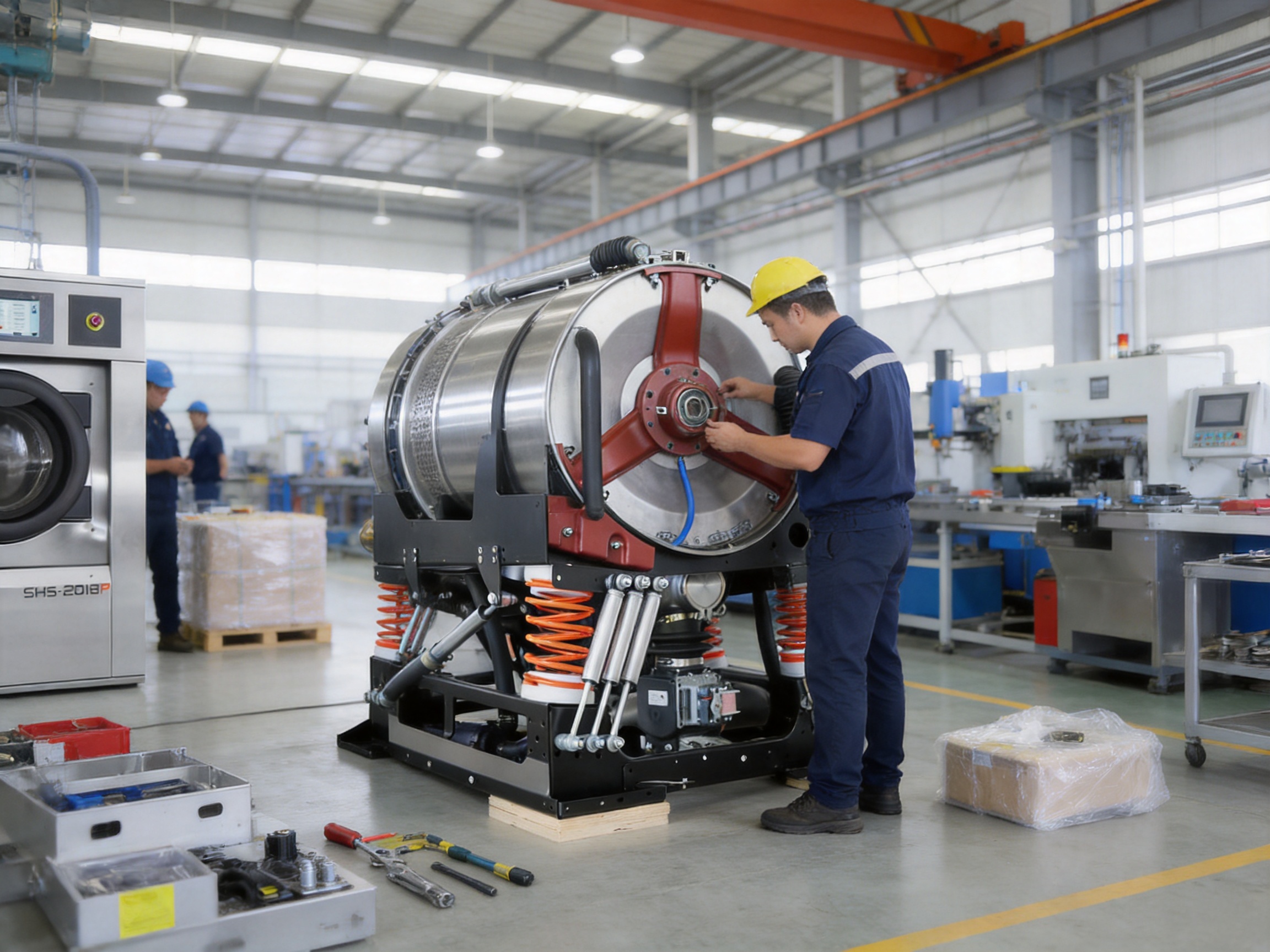
The production of a commercial washer-extractor requires coordination across mechanical design, metal fabrication, drum manufacturing, drive-system assembly, heating integration, electrical control, plumbing connections, surface treatment, inspection, and packaging. A supplier with a dedicated laundry-equipment focus can develop its manufacturing and quality procedures around the specific demands of commercial textile processing.
The SHS-2018P specification demonstrates an integrated approach to machine design. Capacity, drum volume, extraction speed, G Factor, heating, steam compatibility, detergent distribution, drainage, dimensions, and noise are not isolated features. They must work together as one operating system. A machine that has high extraction speed but poor drainage, inadequate balance, or insufficient structural support will not deliver reliable commercial performance. Manufacturing quality is therefore reflected in the interaction of the complete machine.
Precision in drum production is particularly important. The drum must provide suitable space for textile movement, resist repeated wet-load forces, and remain balanced during high-speed extraction. Accurate fabrication, appropriate material selection, careful welding or joining, and inspection of rotating components contribute to safe and stable operation.
The outer frame and supporting structure must also tolerate repeated cycles. Commercial laundry equipment is exposed to water, heat, detergent, vibration, and frequent handling. Surface finishing and corrosion protection are important for maintaining appearance and structural integrity. Proper finishing can also make cleaning easier and support a more hygienic laundry environment.
Electrical and heating integration requires careful assembly. The 18kW electrical heating system must be correctly matched with controls, protection devices, wiring, sensors, and site requirements. Steam-compatible construction requires suitable connections and pressure-related components. Quality control at this stage helps reduce installation problems and supports dependable operation after delivery.
Manufacturing strength also includes the ability to provide consistent documentation, model identification, technical specifications, packaging, and customer communication. Commercial buyers often need equipment drawings, utility requirements, operating instructions, spare-parts support, and installation guidance. These services can be as important as the machine itself when a laundry project involves multiple units or international delivery.
The company’s stated OEM and ODM orientation can be valuable for distributors, project contractors, and commercial laundry brands that require customized specifications, labeling, or product configurations. Any customization should be assessed carefully to ensure that changes do not compromise safety, performance, serviceability, or regulatory compliance.
Quality Control Considerations
Commercial laundry equipment should undergo inspection before shipment and commissioning. A useful quality-control process may include checking frame dimensions, drum rotation, door operation, seals, electrical connections, heating performance, water inlet connections, drainage, control functions, extraction behavior, and noise under operating conditions.
Suppliers should also verify that the machine is complete when it leaves the factory. Accessories, manuals, connection components, labels, protective packaging, and ordered options should be checked against the purchase agreement. Clear model and serial identification makes future service and spare-parts ordering easier.
Because the machine may be transported over long distances, buyers should inspect the equipment immediately after delivery. The supplied operating guidance specifically recommends a routine check when the wet washing machine arrives at the laundry room. If damage or missing parts are discovered, the buyer should photograph the condition and contact the manufacturer promptly.
Inspection should include the shipping crate or protective packaging. Dents, impact marks, moisture exposure, damaged lifting points, and displaced components should be recorded. The machine should not be connected to power or utilities until shipping damage has been assessed and any necessary corrective action has been agreed upon.
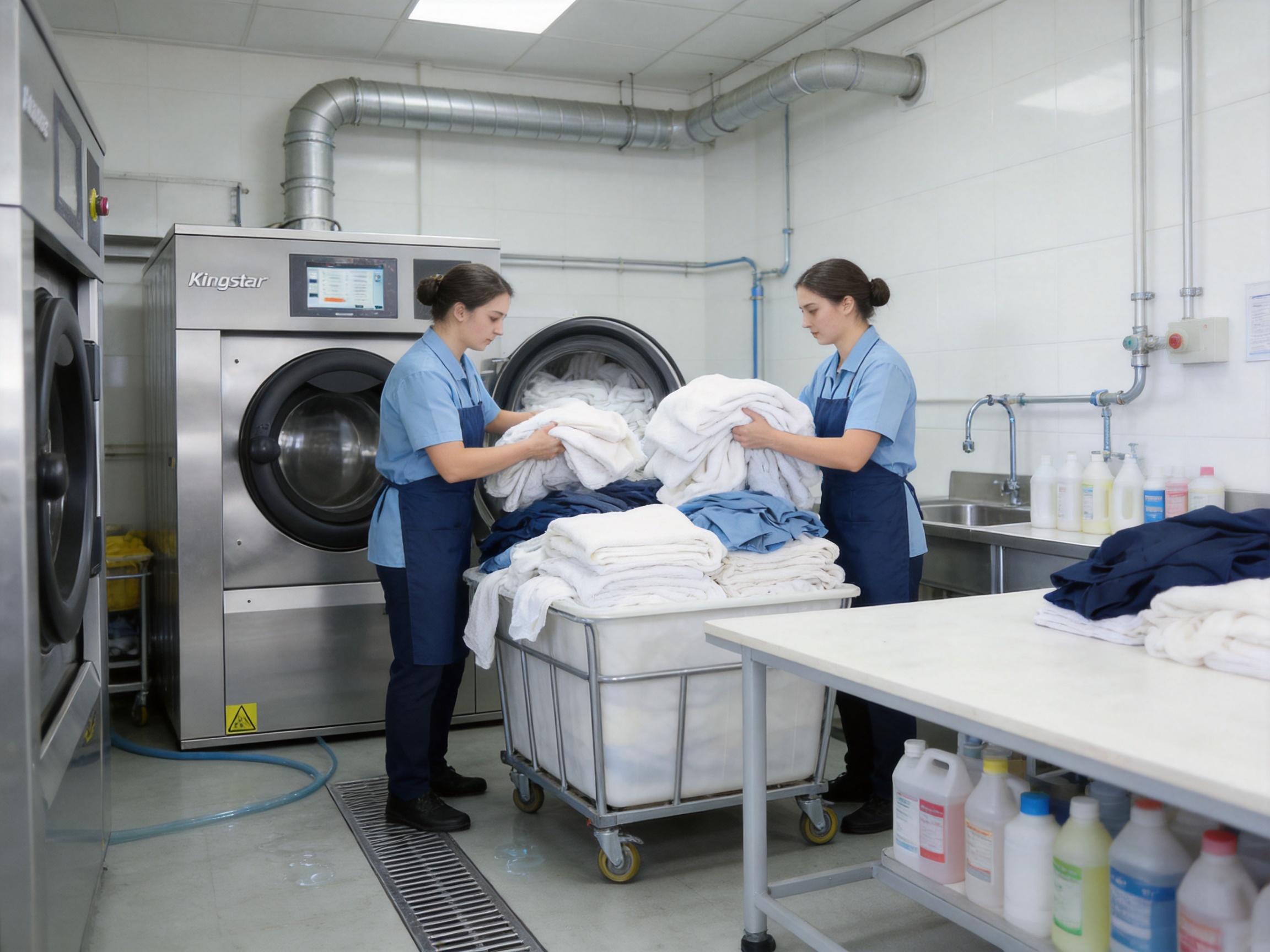
Installation and Commissioning Procedure
Site Preparation
Before delivery, the facility should confirm floor strength, access routes, door widths, ceiling clearance, drainage position, water supply, electrical supply, ventilation, and maintenance access. The machine weighs 426kg, so moving equipment must be rated for the load and handled by trained personnel.
Utility Verification
The 380V supply should be verified by a qualified electrician. The water system should provide the specified pressure range of 0.2–0.4MPa. The drainage system should accommodate the 72mm outlet and discharge water safely. If steam is used, pressure should remain within the specified 0.2–0.4MPa range.
Leveling and Stability
The machine should be leveled accurately before operation. Uneven installation can increase vibration, create abnormal noise, and reduce extraction performance. The foundation, mounting arrangement, and any required anchors should follow the supplier’s installation instructions and local requirements.
Empty Testing
An empty test cycle should be performed before processing textiles. This allows the installer to check drum rotation, water filling, heating, drainage, extraction, door locking, emergency functions, and abnormal sounds. Any leak, vibration, electrical fault, or control problem should be corrected before production use.
Initial Load Testing
After an empty test, the operator can process a controlled test load. The test should verify water levels, detergent delivery, temperature, wash action, extraction behavior, and final moisture. Results should be recorded so that the facility can establish a baseline for future maintenance and performance checks.
Operating Best Practices
Operators should sort textiles by fabric type, color, soil level, hygiene category, and care requirements. Sorting improves cleaning results and protects delicate materials from excessive mechanical action. It also prevents contamination between different customer or institutional categories.
Loads should be weighed or estimated accurately. Overloading can restrict textile movement, prevent proper detergent distribution, increase imbalance, and reduce cleaning quality. Underloading can cause excessive movement, inefficient water use, and poor balance. The best load size depends on the fabric and the chosen program, not only on the maximum rated capacity.
Detergents and additives should be selected according to the textile, soil, water quality, and required hygiene standard. Chemical products should never be mixed casually. Operators should follow product instructions and use suitable protective equipment. The nine detergent cups should be clearly labeled to reduce the risk of incorrect dosing.
Water temperature should be selected according to fabric care instructions and the approved wash formula. Higher temperature is not always better. Some synthetic fibers, colored garments, elastane fabrics, and delicate materials can be damaged by unsuitable heat. Correct time, chemistry, mechanical action, and rinsing are equally important.
Before extraction, operators should check that the load is distributed reasonably. If the machine detects or exhibits imbalance, the operator should stop and redistribute the textiles rather than repeatedly forcing the machine to spin. Correct balancing protects the drive system and improves moisture removal.
At the end of the cycle, the door should be opened only when the machine indicates that it is safe. Operators should use appropriate carts and lifting methods when transferring wet loads. A commercial load can be heavy, particularly when textiles retain water, so ergonomic handling procedures are important.
Maintenance and Long-Term Reliability
Routine maintenance helps preserve washing quality, extraction efficiency, and operator safety. Daily checks may include inspecting the door seal, removing debris, checking detergent cups, observing water and steam connections, and looking for leaks. The drum and surrounding areas should be kept clean to prevent residue buildup.
Weekly maintenance may include checking hoses, valves, drain paths, fasteners, protective covers, and visible electrical components. The machine should be isolated from power before maintenance personnel access electrical areas. Steam and hot-water systems should also be allowed to cool safely before service work.
Periodic maintenance should include inspection of bearings, drive components, seals, suspension or support components, heating elements, sensors, door-lock mechanisms, and control systems. The actual schedule depends on operating frequency, water quality, chemical use, load type, and environmental conditions.
Hard water can cause scale on heating elements and internal surfaces. Water treatment or filtration may be appropriate where mineral content is high. Chemical residues can also accumulate if dosing is excessive or rinsing is inadequate. Regular cleaning procedures should be established to protect the machine and maintain textile quality.
Drainage should be checked frequently because lint, foreign objects, and detergent residue can restrict flow. A blocked drain may increase cycle time and reduce rinsing effectiveness. Early detection is less expensive and less disruptive than waiting for a complete drainage failure.
Maintenance records should include the date, machine identification, observed condition, work completed, replacement parts, and technician information. Good records help identify recurring faults, plan preventive maintenance, and demonstrate process control in regulated environments.
Energy and Water Management
Energy efficiency in a commercial laundry depends on the complete process rather than one specification. The SHS-2018P can contribute to efficient production through high-speed extraction, appropriate load sizing, controlled heating, and repeatable chemical dosing.
Extraction is especially important because dryer energy use is strongly affected by the moisture content of the incoming load. A 400G extraction capability can reduce the amount of water transferred to the dryer. The actual savings will vary with fabric, load size, spin duration, dryer type, ambient conditions, and utility prices.
Operators should avoid unnecessary rewash cycles. Accurate sorting, correct chemical dosing, suitable temperature, and adequate rinsing reduce the chance of poor results that require additional processing. Rewashing consumes additional water, energy, chemicals, and labor.
Heating should be controlled rather than excessive. The 18kW electrical heating system provides substantial heating capacity, but operators should use the lowest effective temperature for the textile and soil condition. Facilities with steam systems should evaluate boiler efficiency, condensate recovery, pressure management, and distribution losses.
Water consumption can be managed through appropriate load sizes, optimized programs, leak prevention, and regular inspection of inlet and drain systems. Water quality also affects performance. A facility should understand its incoming water characteristics and adjust chemical programs where necessary.
Commercial Purchasing Considerations
Before purchasing, buyers should evaluate the complete project rather than comparing only capacity or price. Important questions include whether the site has a 380V supply, whether electrical heating or steam is preferred, whether the floor can support 426kg, and whether water and drainage connections match the machine requirements.
Buyers should also consider expected daily throughput. A machine rated for 18kg does not necessarily mean that every cycle should be run at the maximum load. The daily production plan should include loading, washing, extraction, unloading, drying, finishing, cleaning, and maintenance time.
Service support is another major consideration. Commercial laundry equipment is a long-term production asset. Buyers should ask about technical documentation, spare parts, warranty terms, installation support, operator training, response time, and the availability of qualified service personnel in the destination market.
Distributors and project contractors may also evaluate OEM and ODM capabilities. Custom branding, special electrical configurations, language-specific manuals, or chemical-dosing adaptations may be possible depending on the project. Any requested modification should be documented clearly before production.
Delivery inspection should be included in the purchasing plan. The receiver should photograph the equipment and packaging, compare the delivered machine with the order, and report any problem immediately. Early documentation helps resolve transport claims and manufacturing discrepancies efficiently.
Frequently Asked Questions
What is the rated capacity of the SHS-2018P?
The machine has a capacity range of 6 to 18kg. The maximum rated load is 18kg, while smaller loads can be processed when the textile type and wash formula require a lower quantity.
Is this machine a washer or a washer-extractor?
It is a commercial washer-extractor. It performs wet washing, rinsing, and high-speed extraction in one machine, allowing operators to remove a substantial amount of moisture before drying.
What is the maximum extraction speed?
The listed washing and extraction speed range is 10 to 1080rpm. The actual speed used should be selected according to the textile, load balance, program, and operating instructions.
What does a G Factor of 400 mean?
A G Factor of 400 indicates the centrifugal force available during extraction. In general, a higher G Factor helps remove more water from textiles, although final moisture also depends on fabric type, load distribution, spin time, and drainage.
What power supply does the machine require?
The listed voltage is 380V. A qualified electrician should verify the site supply, protection equipment, grounding, cable size, and local code requirements before installation.
Does the machine use electrical heating or steam heating?
The machine is listed with 18kW electrical heating power and a steam pressure range of 0.2–0.4MPa. The appropriate heating method depends on the machine configuration, available site utilities, and the buyer’s project requirements.
What water pressure is required?
The listed water inlet pressure is 0.2–0.4MPa. The facility should confirm pressure stability and ensure that the water supply, valves, filters, and pipework are suitable for commercial operation.
How many detergent compartments are provided?
The machine has nine detergent cups. These can support multi-stage chemical programs, but the exact chemical arrangement should be determined according to the textile, soil, chemical supplier instructions, and facility safety procedures.
How much space is required?
The listed machine dimensions are 950 × 905 × 1465mm. Additional space is required for door movement, loading, unloading, utility connections, ventilation, cleaning, and maintenance access.
How heavy is the machine?
The listed weight is 426kg. The floor, transport equipment, and installation route should be assessed before delivery.
Is the machine suitable for hospitals?
It can be used in healthcare laundry applications, but the hospital must establish validated wash formulas, textile segregation, chemical procedures, temperature controls, clean-to-dirty workflows, and infection-control practices that meet applicable regulations.
What should be done when the machine arrives?
The buyer should inspect the machine and packaging for damage, confirm that all parts are present, and photograph any problem. The manufacturer should be contacted immediately if damage, missing components, or other discrepancies are found.
How can the machine reduce drying costs?
High-speed extraction can remove more water before the textiles enter the dryer. This may shorten drying time and reduce energy consumption, although actual results depend on textile type, load size, dryer efficiency, and operating settings.
Can the machine be used for small loads?
Yes. The listed capacity range begins at 6kg, so the machine can process smaller commercial batches. Operators should still select the load size and program carefully to maintain balance and washing performance.
What makes this machine suitable for laundromats?
Its 18kg capacity, compact footprint, commercial extraction performance, multiple detergent cups, and practical utility requirements make it suitable for laundromats that need flexible batch processing and efficient use of floor space.
Conclusion
The 18kg Compact Laundromat Wet Washing Machine is designed for commercial users that need dependable washing, strong extraction, flexible heating, and efficient use of space. Its 6–18kg capacity range supports both moderate and full-size batches, while the 180-liter drum provides room for effective textile movement. The speed range of 10–1080rpm and G Factor of 400 support powerful moisture removal before drying.
The machine offers several practical advantages over less specialized equipment. It provides more commercial capacity than a household washer, more flexibility than an oversized industrial unit, and stronger process integration than a basic washing machine without extraction capability. Nine detergent cups, 18kW electrical heating, steam compatibility, a 72mm drainage connection, and a noise rating of no more than 70dB further support professional laundry operation.
Its value depends on correct installation, appropriate loading, suitable chemical management, regular maintenance, and trained operation. Buyers should verify electrical, water, steam, drainage, floor, and access requirements before delivery. Upon arrival, the machine should be inspected carefully and any issue should be documented and reported immediately.
With its focus on commercial laundry machinery and washer-extractors, Jiangsu Chuandao Intelligent Equipment Co., Ltd. is positioned to supply equipment for laundromats, hospitality businesses, healthcare facilities, restaurants, uniform services, and other professional users. The company’s OEM and ODM orientation may also support project-specific supply requirements. For businesses seeking a compact commercial washer-extractor with strong extraction and flexible utility options, the SHS-2018P represents a practical solution for improving laundry productivity and workflow consistency.
References
1. Product specification information for the SHS-2018P 18kg Compact Laundromat Wet Washing Machine.
2. Commercial laundry equipment installation and utility-planning principles.
3. Textile care labeling and professional laundry process-management practices.
4. General guidance for washer-extractor loading, balancing, extraction, and preventive maintenance.
5. Industrial laundry energy-management principles related to moisture extraction and drying efficiency.
6. General occupational safety practices for commercial washing, chemical handling, steam systems, and electrical equipment.
7. Manufacturer information concerning commercial washing machines, laundry machinery, and OEM/ODM washer-extractor supply.
Product: 18kg Compact Laundromat Wet Washing Machine

ADD:No.388 Xinggang Road, Chongchuan District, Nantong City, 226000, Jiangsu Province, China.
-
Phone: +86-13917089379
-
Tel:+86-13917089379
-
Fax:+86-0513-85663366
-
E-mail:louislu@kingstarlaundry.com
products