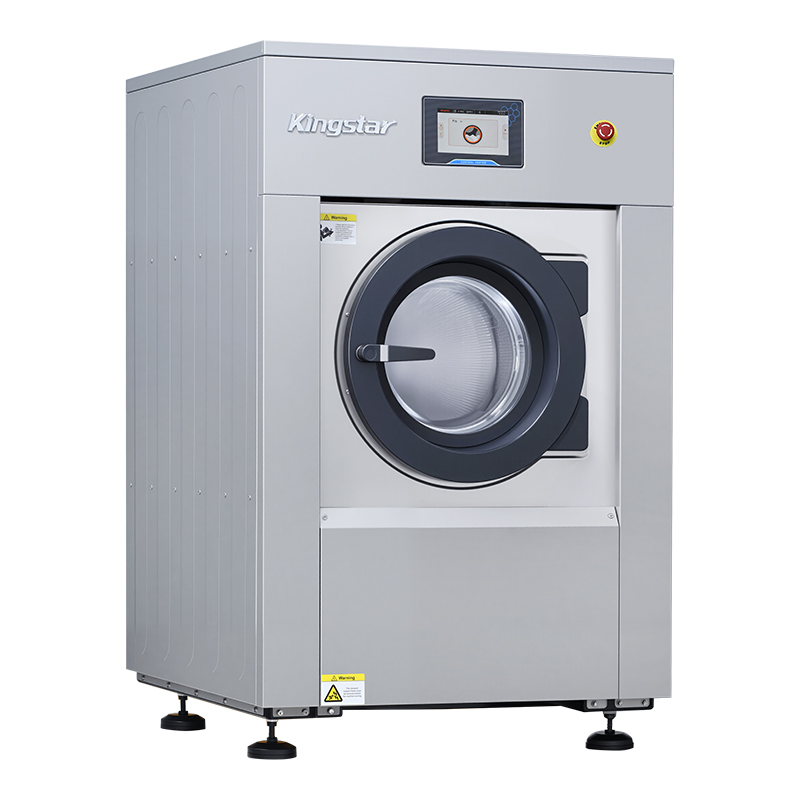
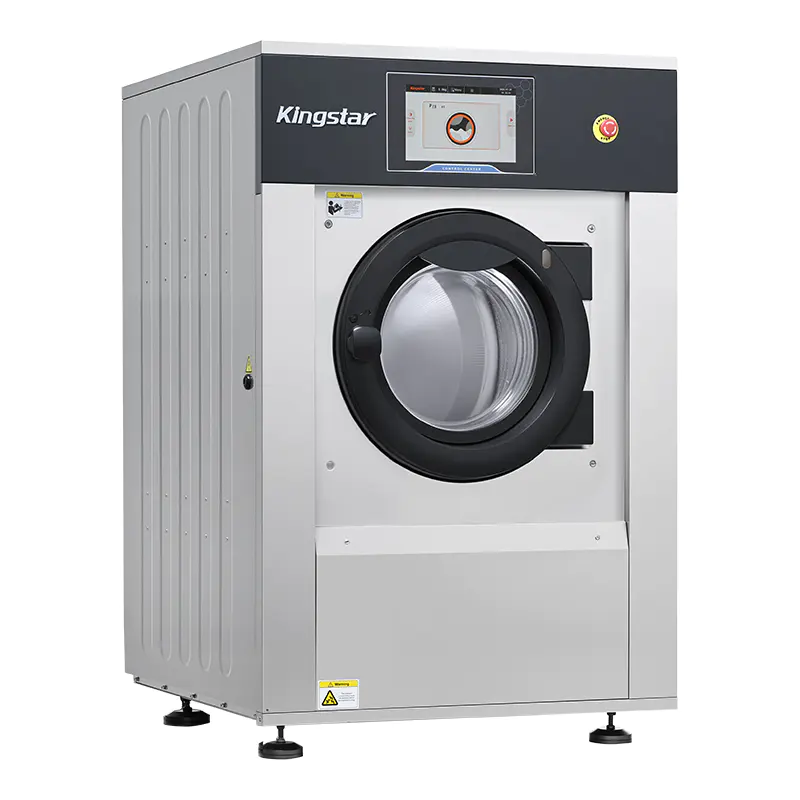
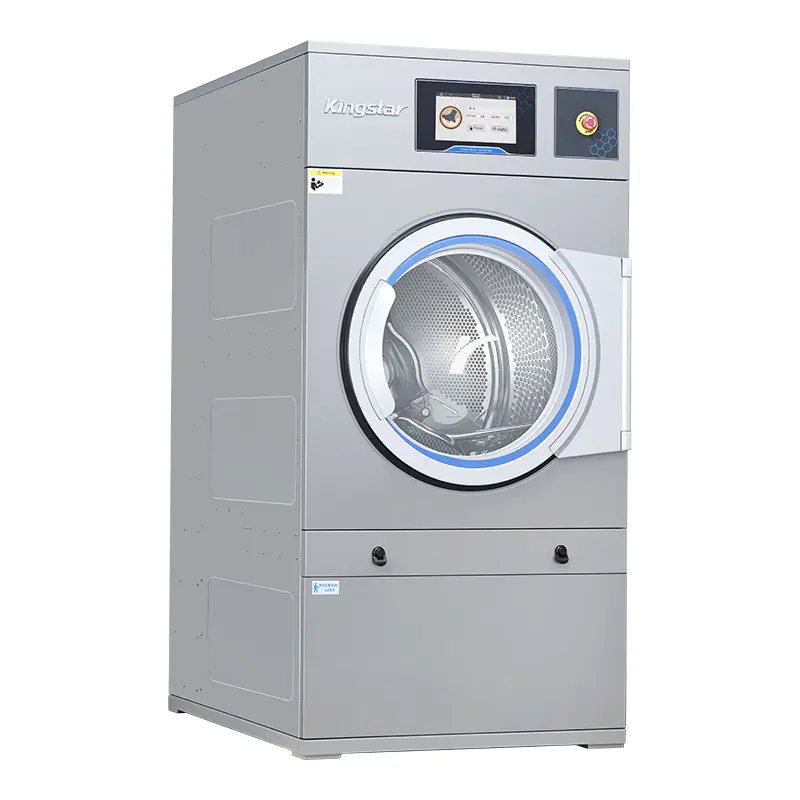
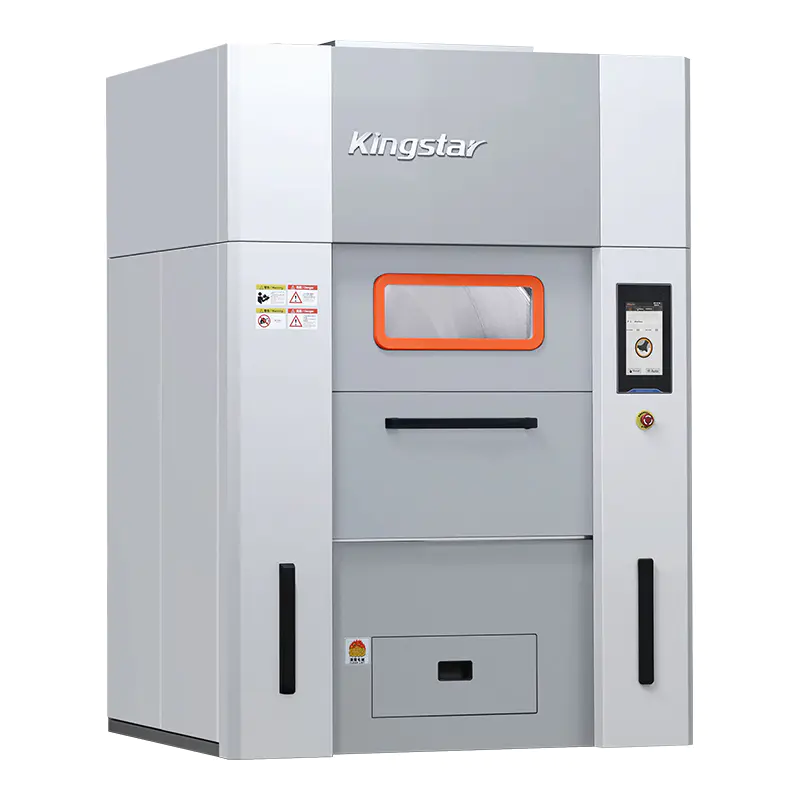
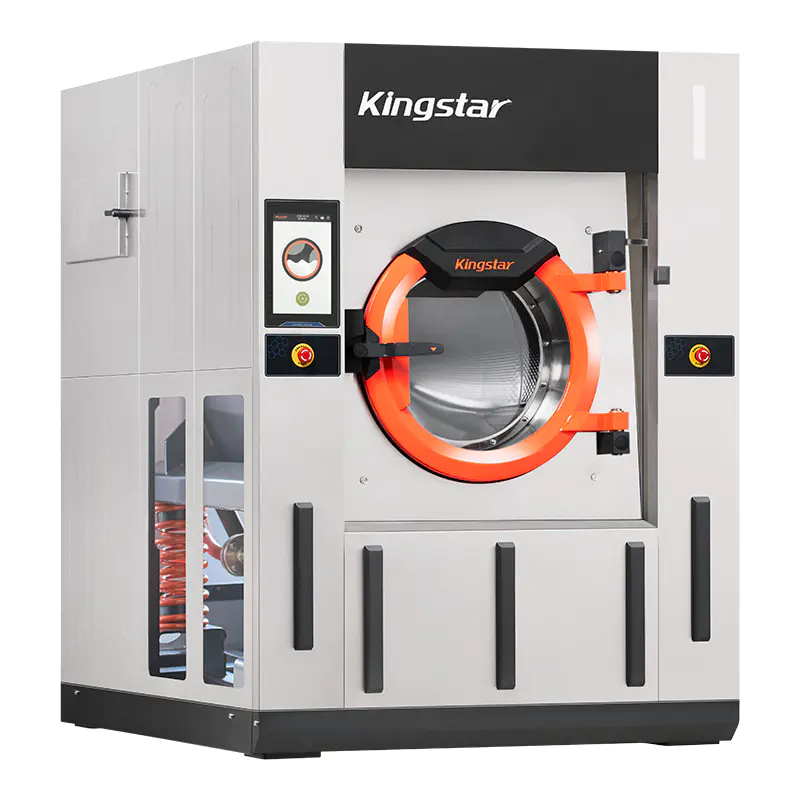
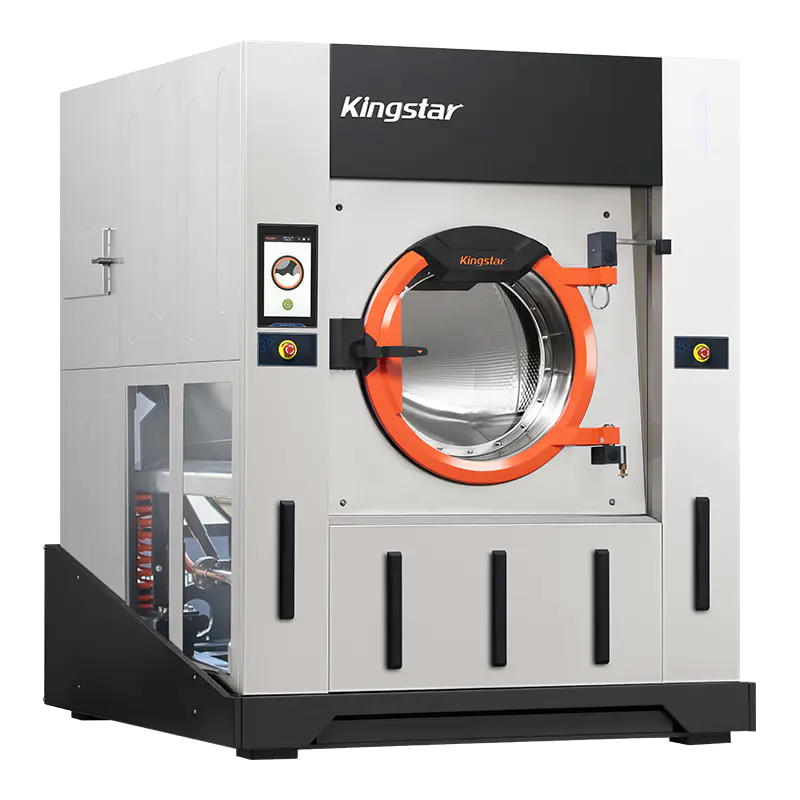
Industrial washing machines are essential in various industries, including laundry services, healthcare, hospitality, and manufacturing. As the demand for cost efficiency and sustainability increases, these machines are being designed with advanced features to save both water and energy. The integration of water and energy-saving technologies has become an important consideration for businesses seeking to reduce operational costs and minimize environmental impact.
Water conservation is a significant concern in many industries, especially in regions facing water scarcity. Industrial washing machines are equipped with several features designed to minimize water usage while maintaining cleaning performance. One of the primary methods used to save water is through optimized wash cycles. Modern industrial washers use advanced sensors to monitor the load size and adjust the amount of water accordingly. This ensures that only the required amount of water is used for each load, preventing wastage. Additionally, many industrial washing machines feature multiple rinse cycles that use less water than traditional washers, helping to reduce overall water consumption.
Some industrial washing machines are equipped with water recycling systems that capture and reuse water from the wash and rinse cycles. These systems are designed to filter and treat the water before reintroducing it into the washing process. By recycling water, businesses can significantly reduce their water consumption. This is especially beneficial in industries with high washing demands, such as healthcare facilities or large hotels, where constant laundry operations can quickly lead to high water bills. The integration of water recycling systems allows businesses to lower their environmental footprint while maintaining effective cleaning standards.
In addition to water-saving features, industrial washing machines are also designed with energy-saving capabilities to reduce electricity consumption. One of the most significant energy-saving innovations is the use of high-efficiency motors. These motors are designed to consume less electricity while providing the same level of washing power as traditional motors. High-efficiency motors can significantly reduce the energy consumption of industrial washers, especially when used in machines that operate frequently throughout the day.
Another important energy-saving feature in modern industrial washing machines is the use of variable speed motors. These motors can adjust the speed of the drum during different stages of the washing cycle, allowing for greater flexibility and efficiency. For example, the motor may operate at a higher speed during the spin cycle to extract more water from the laundry, reducing drying time and energy consumption. During the washing and rinsing stages, the motor can operate at lower speeds, conserving energy while still achieving effective cleaning results. This variability in motor speed helps reduce overall energy usage, making the machine more efficient and cost-effective.
Heating water for industrial washing machines can be a significant source of energy consumption. To address this, many modern washing machines are equipped with insulated drums and energy-efficient heating systems. Insulated drums help retain heat during the washing cycle, reducing the need for additional energy input to maintain the desired water temperature. Energy-efficient heating systems, such as heat exchangers, are designed to transfer heat more effectively, ensuring that less energy is wasted in the process. These systems help to minimize electricity consumption while maintaining optimal washing performance.
Automatic load sensing is a feature commonly found in energy-efficient industrial washing machines. This system uses sensors to detect the size of the laundry load and adjusts the water and energy consumption accordingly. By automatically adjusting the wash cycle based on the load size, the machine ensures that no excess water or energy is used. This feature is particularly useful in businesses with varying laundry demands, as it allows the washing machine to adapt to different load sizes without compromising cleaning performance.
Many industrial washing machines are designed to optimize detergent usage, which not only improves cleaning performance but also contributes to energy and water savings. By using high-efficiency detergents, the machine can clean clothes more effectively with less water and energy. These detergents are formulated to work efficiently in lower water volumes and at lower temperatures, reducing the overall environmental impact of the washing process. Additionally, some machines have automatic detergent dispensers that ensure the correct amount of detergent is used for each load, further enhancing efficiency.
While the focus of this article is on water and energy-saving features in washing machines, it’s worth noting that many industrial washers are part of an integrated laundry system that includes energy-efficient drying technologies. For example, machines equipped with moisture sensors can detect when the laundry is dry and automatically stop the drying cycle, preventing unnecessary energy consumption. Additionally, some systems utilize heat pump technology or air recycling, which can reduce the amount of energy needed to dry large loads of laundry.
| Feature | Water-Saving Feature | Energy-Saving Feature |
|---|---|---|
| Load Sensing | Adjusts water usage based on load size | Adjusts energy usage based on load size |
| Water Recycling | Reuses water from previous cycles | Reduces the need for heating fresh water |
| Variable Speed Motors | Not applicable | Reduces motor power usage during washing and spinning cycles |
| Insulated Drum | Prevents heat loss during wash cycles | Reduces the need for additional heating |
| High-Efficiency Detergent | Requires less water to activate detergents | Improves cleaning efficiency, reducing the need for multiple wash cycles |
ADD:No.388 Xinggang Road, Chongchuan District, Nantong City, 226000, Jiangsu Province, China.
Phone: +86-13917089379
Tel:+86-13917089379
Fax:+86-0513-85663366
E-mail:[email protected]
Cookies give you a personalized experience,Сookie files help us to enhance your experience using our website, simplify navigation, keep our website safe and assist in our marketing efforts. By clicking "Accept", you agree to the storing of cookies on your device for these purposes. Click "Adjust" to adjust your cookie preferences.For more information, review our Cookies Policy.