英语
英语 俄语
俄语 西班牙语
西班牙语 德语
德语
Safe & Effective Drying Methods for Winter Clothes in Laundries
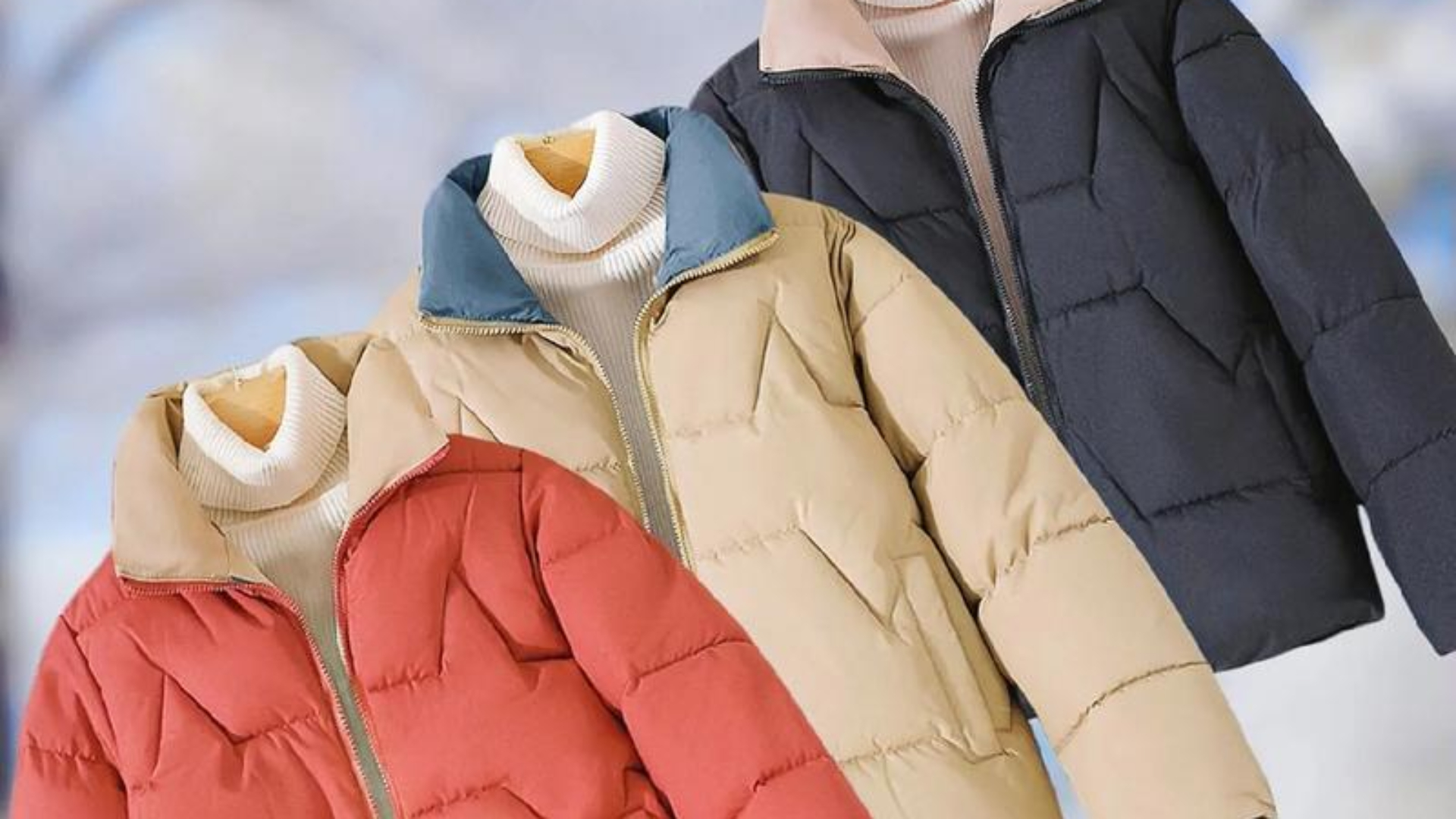
In winter, heavy clothes account for a large proportion in laundries, and the washing volume of cotton-padded clothes, down jackets and other items increases greatly. These clothes are heavy after they absorb water and are difficult to air-dry naturally. To improve the efficiency of services, laundry shops all use dryers to dry the clothes. Also, compared with traditional sun-drying, dryers have obvious advantages in terms of hygiene.
Natural sun-drying has a slow evaporation of moisture, so the damp environment easily breeds bacteria and mold. Dryers use continuous and even hot air and tumbling to make clothes completely dry in a relatively short time. Also, heat is used to effectively kill most common bacteria and mites and leave no time and no environment for the bacteria and mites to breed. It is more suitable for thick clothes that are difficult to dry in the winter, and it has both efficiency and hygiene.
However, if the operation of the drying process is improper, it will cause damage to clothes, color bleeding, deformations, or even safety accidents. As a result, mastering the correct drying process and precautions is very important. This article will show you how to correctly dry these clothes.
Temperature
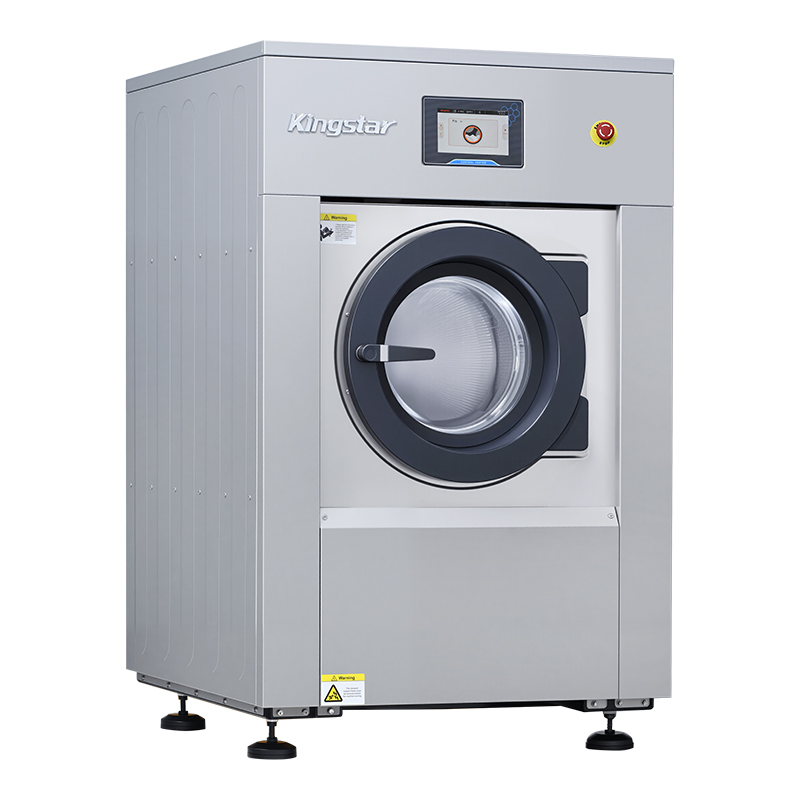
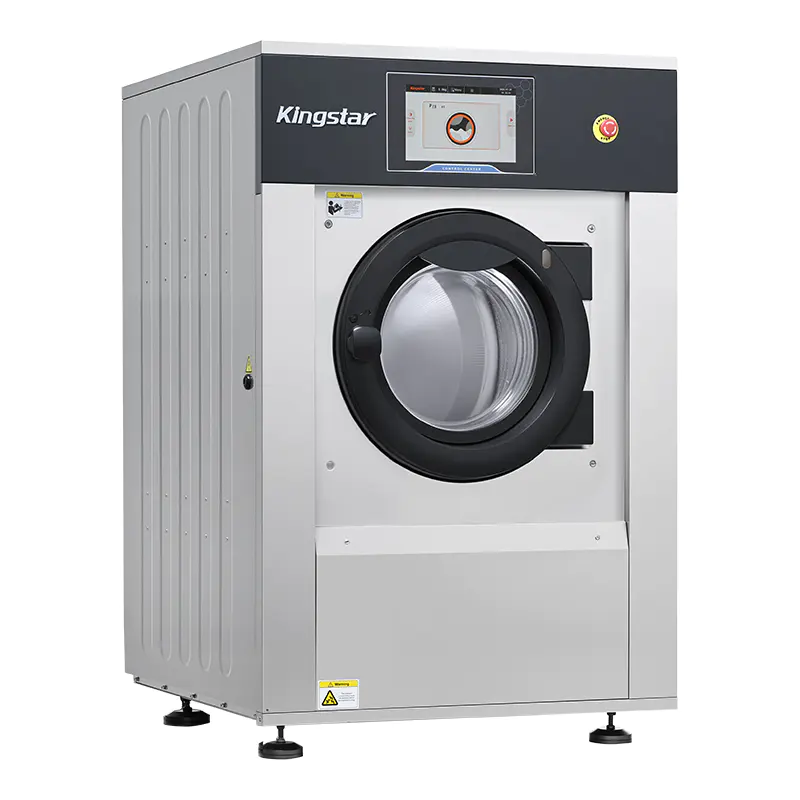
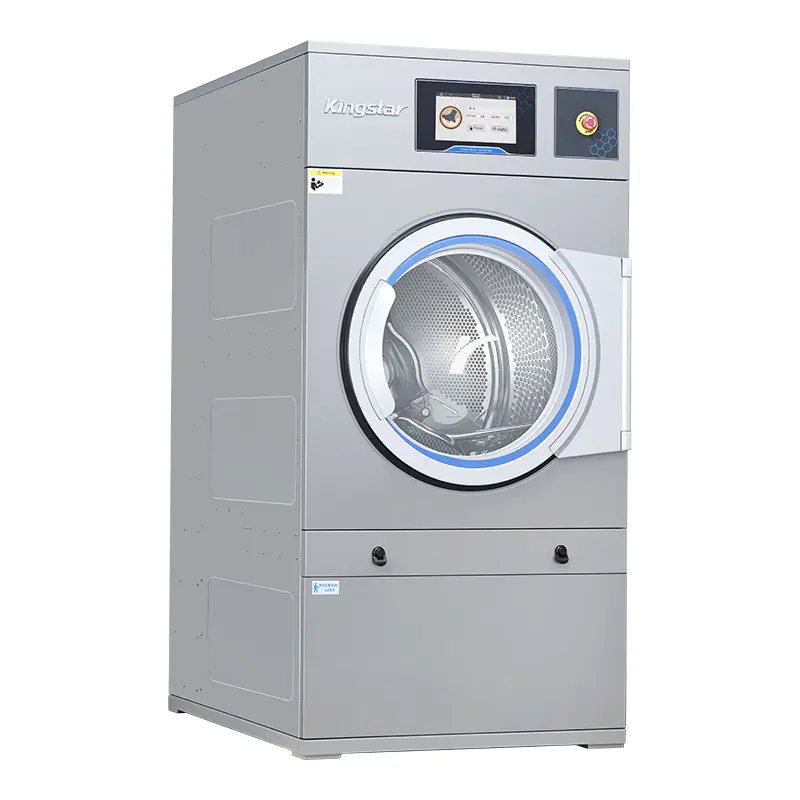
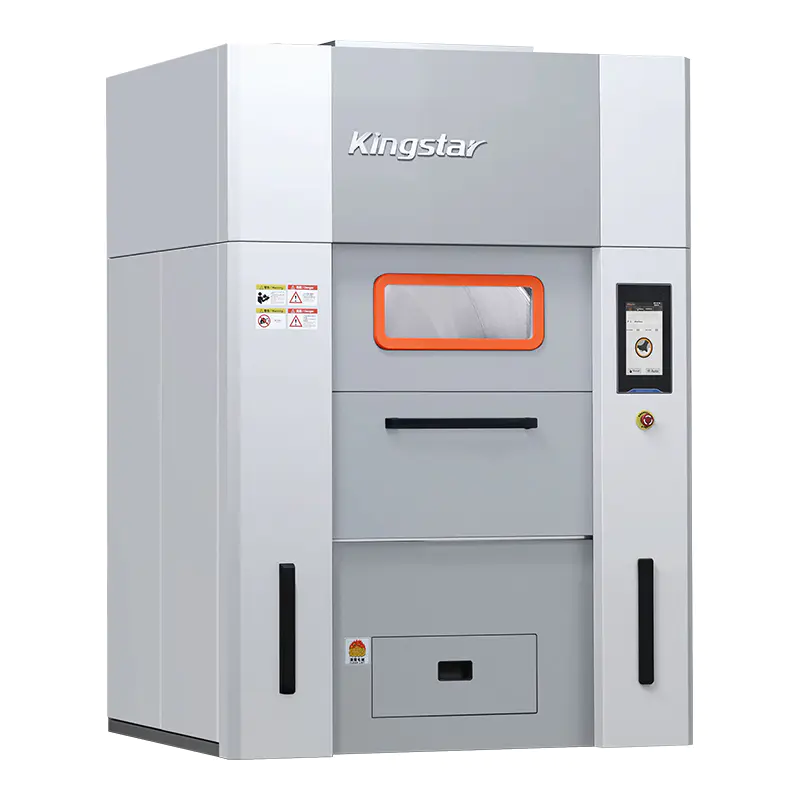
In drying accidents, the wrong setting of temperature accounts for a lot. Different fabrics have different heat resistance abilities, so they should be treated separately. Kingstar 25kg Industrial Dryer SDR-2025 can save 99 sets of different drying programs for clothes of different fabrics. Even for clothes made of the same fabric but processed by different techniques, corresponding settings can be made in the details of the dryer. This effectively ensures the safety of clothes drying.
● Clothes made of cotton, linen, and common chemical fibers
Medium temperature is suitable for drying (about 50℃ to 60℃). Excessively high temperatures can cause fibers to shrink, make the hand feel harder, and even lead to color fading or yellowing.
● Down jackets
Low temperature must be chosen for gentle drying. (less than 40℃) Down is a protein fiber, and heat will make down brittle and shrink. This affects its fluffiness and warmth retention, or even causes burns to the fabrics.
● Animal fibers such as wool and cashmere
It is generally not recommended to dry them directly. If drying is necessary, laundry shops should choose cold air or the lowest temperature and shorten the time to prevent shrinkage and felting.
Kingstar 25kg Industrial Dryer SDR-2025 has a humidity control technology. With it, the Kingstar dryer can effectively master the drying level of the clothes and make clothes after drying maintain soft and comfortable.
Load Capacity Control
Laundry shops should load the machines according to the equipment’s standard load capacity instead of choosing to overload to pursue efficiency. Overloading doesn’t improve efficiency, but also causes the following problems.
- Poor hot air circulation results in uneven drying, and some parts of the clothes are still damp.
- Excessive squeezing and tangling of clothes hinders fluffiness and leaves obvious wrinkles after removal.
- Clothes near the drum heat source easily turn yellow and discolor due to local overheating. Those on the side close to the door may still remain damp.
When drying large items such as quilts and blankets, laundry shop staff should pause the drying cycle midway to turn them over 1 to 2 times. This ensures uniform heating of both the inner and outer layers and improves the drying effect.
● The inner drum of the Kingstar 25kg Industrial Dryer SDR-2025 is designed with a large capacity and a 1:20 load ratio. The large inner drum is suitable for clothes to fully stretch out, which improves drying efficiency and reduces wrinkles. In addition, the outer drum of the Kingstar 25kg Industrial Dryer SDR-2025 is equipped with an insulation design. This ensures rapid temperature rise and excellent heat retention during operation. As a result, it has faster drying efficiency and better drying performance compared to conventional dryers.
Precautions for Special Materials
● Coated Fabrics
Most coated fabrics (windproof jackets and the outer surfaces of some down jackets) easily have coating adhesion and peeling when exposed to heat. This not only damages the appearance but may also damage the fabric itself. It would be better if laundry shops choose air-drying in a well-ventilated area. If machine drying is unavoidable, laundry shop staff should select the low-temperature setting, turn the clothes inside out and place them in a fine-mesh laundry bag to reduce friction and direct heat exposure.
● Fur collars
- Genuine Leather:
Dry with low-temperature airflow → monitor constantly to prevent the leather base from hardening and shrinking → remove the collar when it reaches 80% dryness → air-dry it naturally in a well-ventilated area.
For example, the Kingstar Industrial Dryer SDR-2025 allows users to set the outlet moisture level to 20% to 30%. After that, natural air-drying can be applied to protect the fur collar.
- Artificial Fur Collars: Machine drying is not recommended. High temperatures easily cause fiber curling and deformation that are difficult to reverse. It is advisable to remove the collars first and air-dry them separately.
● Zippers & Metal Accessories
During drying, repeated collisions between zipper sliders and the inner wall of the drum scratch other clothes and damage the zippers themselves. Staff should wrap zippers with white cotton strips before drying, or they can sew the zipper sliders onto the clothes’ surface to secure them. If the zippers are relatively smooth, staff can turn the clothes inside out prior to drying to minimize such risks.
Conclusion
Clothes drying in winter requires laundry shops to have professional knowledge, detailed operations, and professional drying equipment. Correctly choosing temperature, reasonably controlling the loading volume, and paying attention to the treatment for special materials and accessories can improve the drying efficiency, greatly reduce the damage rate of the clothes, and maintain the shape, texture, and functions of the clothes. It is suggested that laundry shops establish the classified drying standards in practical practice and do systematic training for the staff so as to get both efficiency and service quality, and provide safe and reliable laundry services for customers.
ADD:No.388 Xinggang Road, Chongchuan District, Nantong City, 226000, Jiangsu Province, China.
-
Phone: +86-13917089379
-
Tel:+86-13917089379
-
Fax:+86-0513-85663366
-
E-mail:louislu@kingstarlaundry.com