英语
英语 俄语
俄语 西班牙语
西班牙语 德语
德语
Home / News / Industry News / Regenerated Fiber Care Solutions: Smart Laundry Services for Professionals

Kingstar is your trusted partner for industrial and commercial laundry equipment. We specialized in the R&D and manufacturing of high-end industrial washers, commercial washers and dryers. Meanwhile, we provide global clients with comprehensive planning, layout workflow design, and software-hardware integration services for smart laundry plants.
Industry News
Dec 22,2025
Regenerated Fiber Care Solutions: Smart Laundry Services for Professionals
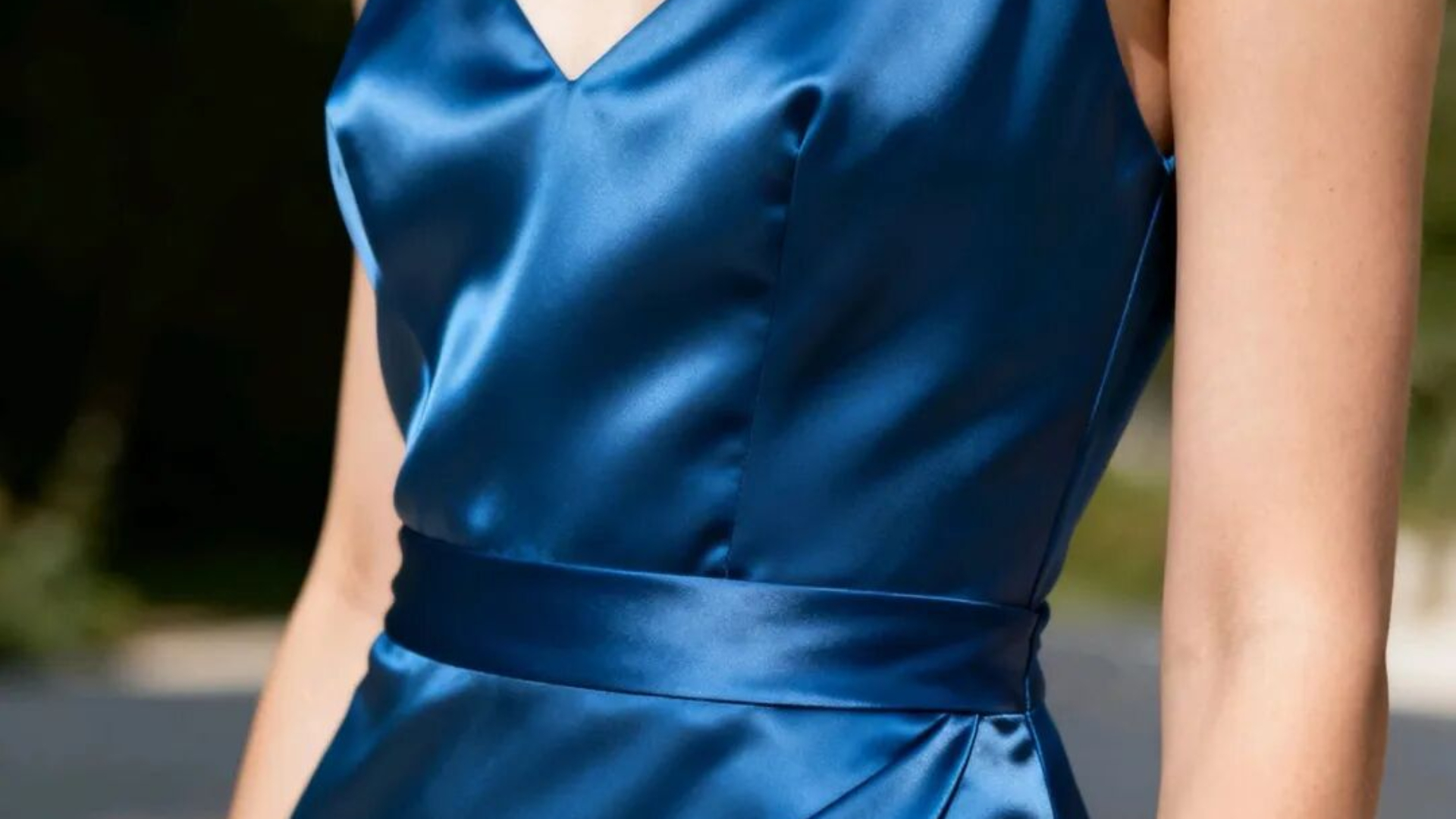
Nowadays, the textile industry develops rapidly so that Tencel, Modal, Lyocell, and other regenarated fibers have been the main choice of the high-end garment market. However, this kind of fabric easily shrinks, deforms, and pills during the washing process, which brings big challenges to the laundry shops.
Characteristics and Difficulties in Washing and Care
Regenerated fiber is a material that sits between natural fibers and synthetic fibers. However, its biggest characteristic is its low wet strength. When the fabric gets wet, the fiber’s strength drops sharply, so it is easily damaged during regular washing.
● Viscose Fiber
It is soft and highly absorbent. However, it is very fragile. It easily shrinks and deforms when wet.
● Modal Fiber
It is an upgraded version of viscose, which is softer and more wash-resistant, but it still needs gentle handling when it is damp.
● Lyocell & Tencel
They are the “top-tier stars” of the regenerated fiber family. Tencel is a branded name for Lyocell fiber. It is eco-friendly, high-strength, and has great drapability, but it is highly sensitive to mechanical stress and pH levels.
● Other Variants
Cuprammonium fiber is commonly used for linings. Acetate fiber has a lustrous finish...
● Their Shared Critical Weakness
Poor water tolerance! Once soaked, the fiber strength drops drastically and is easily damaged during washing, spin-drying, and drying processes.
Three Culprits and Solutions
If laundry shops want to serve customers who deliver this kind of clothes, they should know and avoid following risks.
● Culprit 1: Aggressive Washing & Improper Spin-Drying
Risks: Shrinkage, deformation, pilling, and tearing.
Solutions:
- Professional Dry Cleaning: For regenerated fiber clothes labeled “dry clean only” or those with complex structures and linings, dry cleaning is the safest option, which effectively avoids the risks of water washing.
- Water Washing: If water washing is necessary, people must use gentle hand washing or choose the delicate/silk & wool cycle on the washing machine with the use of a laundry mesh bag. The drying time should be less than 1 minute.
● Culprit 2: High Temperature & Alkalinity
Risks: Stiff fabric, loss of luster, fiber damage.
Solutions:
- Water Temperature: Use cold water.
- Neutral Detergent: Only use neutral detergents.
● Culprit 3: Improper Drying
Risks: Stretching, water stains, and fading.
Solutions:
- Direct hanging is strictly prohibited! The pull of gravity when wet is the hidden culprit behind deformation.
- Flat drying is recommended: Using a drying rack is the best choice so that moisture can evaporate naturally, and this preserves the original shape perfectly.
- If line drying is necessary: Use a hanger with clips and fasten the clothes by the hem or waistband. This avoids concentrating weight on the shoulders or waist area.
Professional Operation Checklist for Laundries
Check the care label immediately and clearly inform customers of the fabric properties and potential risks.
● Categorization for Processing
Strictly sort clothes by fabric type and color, and separate light and dark colors to prevent color bleeding.
● Pre-treatment
Use a neutral stain remover to pre-treat stains on collars and cuffs with gentle handling.
● Cleaning
Dry cleaning is preferred. If water washing is chosen, it is better to use a laundry mesh bag, select a gentle cycle, and wash in cold water.
● Drying & Shaping
Flat drying is the first choice. If ironing is needed, it is better to use low-temperature steam ironing with a pressing cloth.
- To ensure consistent laundry quality, we recommend that laundries establish a specialized treatment process for regenerated fibers.
● do fabric identification and risk notification upon clothes receipt
● set personalized washing programs based on fabric types
● use dedicated neutral detergents
● use flat drying or professional tumble drying
● do finishing with low-temperature steam ironing
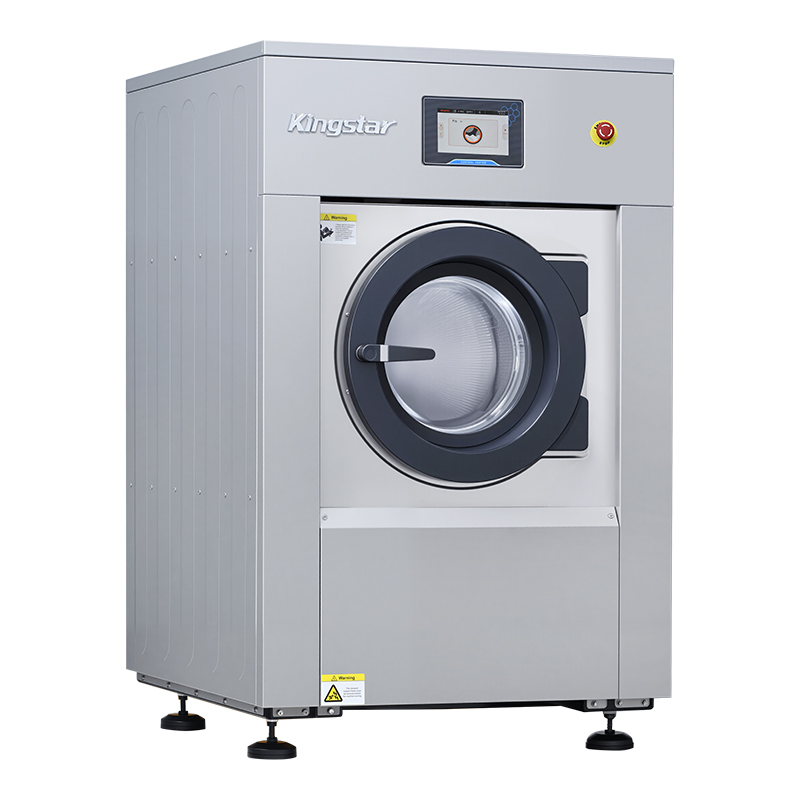
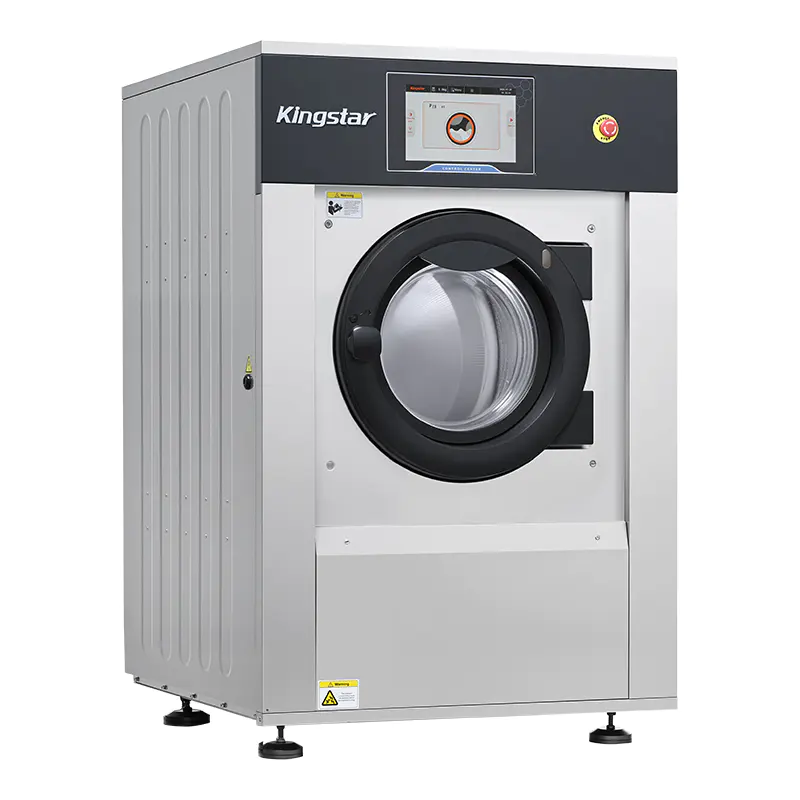
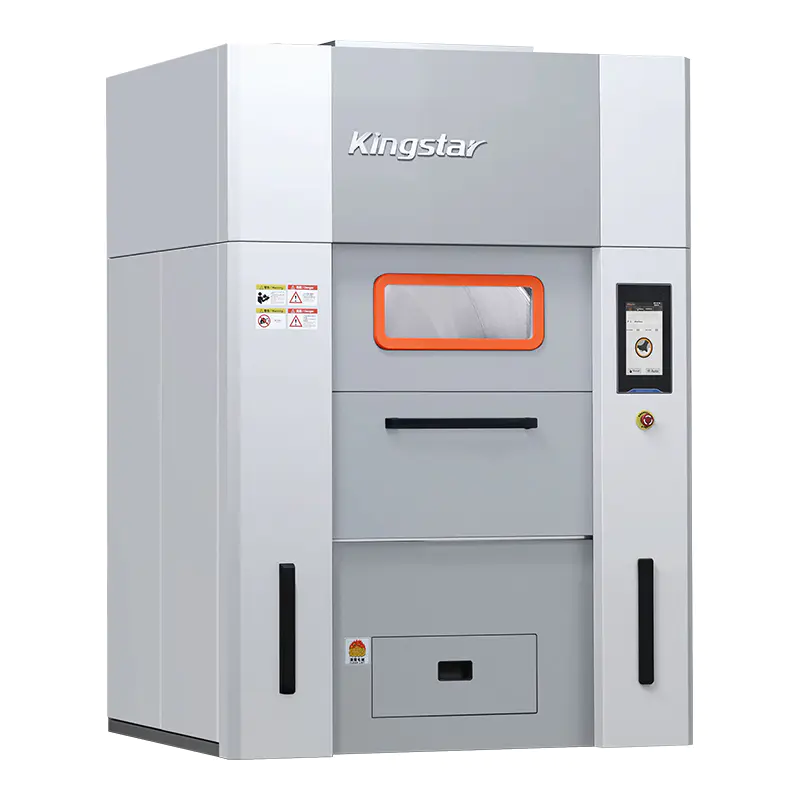
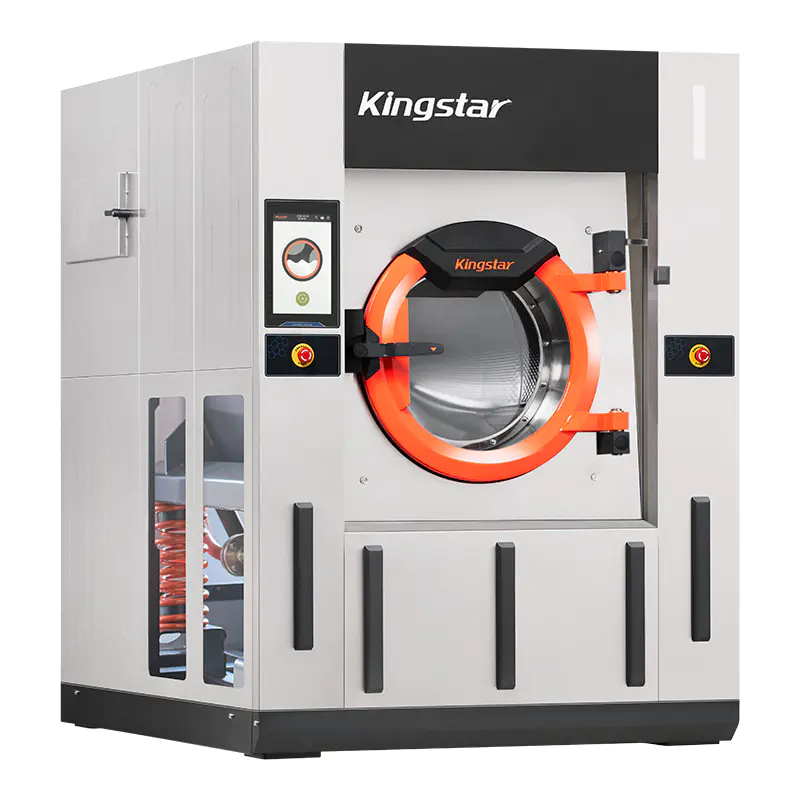
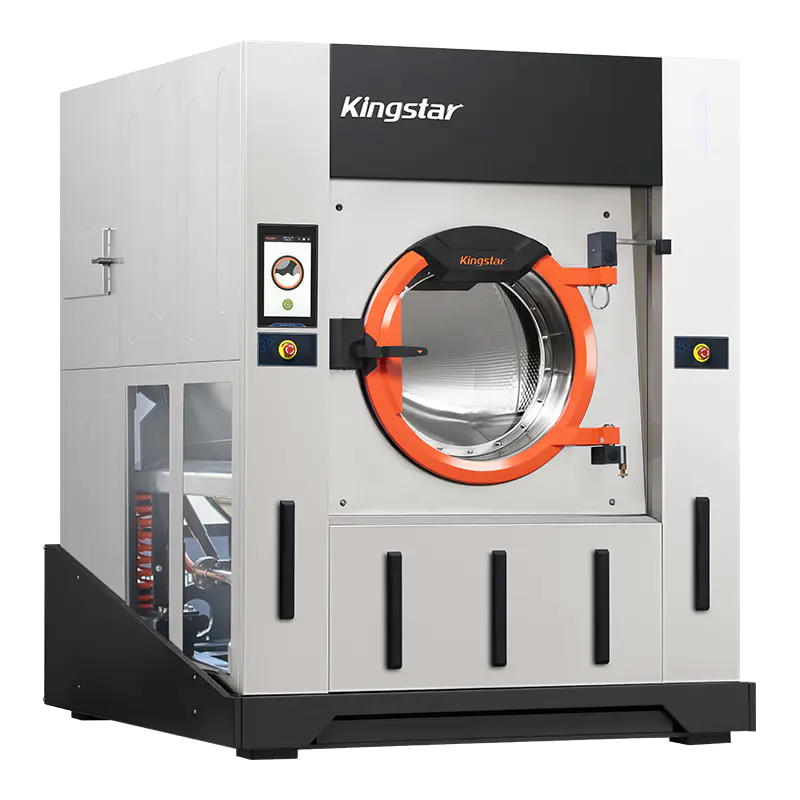
The key to successful regenerated fiber care is the process control capability of the equipment. The Kingstar Wet Cleaning Machine Series (Kingstar Wet Cleaning Machine SHS-2025P) gives a comprehensive solution for laundries with its precision temperature control system and adjustable mechanical actions (rotational speed and start-stop ratio).
Conclusion
With the improvement of environmental protection awareness, the application of regenerated fibers in clothes has been gradually wider. Mastering the professional washing and care technologies is the key for laundry shops to improve value and win high-end customers. By introducing the intelligent equipment and finish the process, laundry shops can transform the risk into profits.
In the future, Kingstar will focus on the research and development of fabric washing and care to provide more intelligent solutions for laundry shops to help them achieve the upgrade of their services and improvement of their profit.
ADD:No.388 Xinggang Road, Chongchuan District, Nantong City, 226000, Jiangsu Province, China.
-
Phone: +86-13917089379
-
Tel:+86-13917089379
-
Fax:+86-0513-85663366
-
E-mail:louislu@kingstarlaundry.com
products