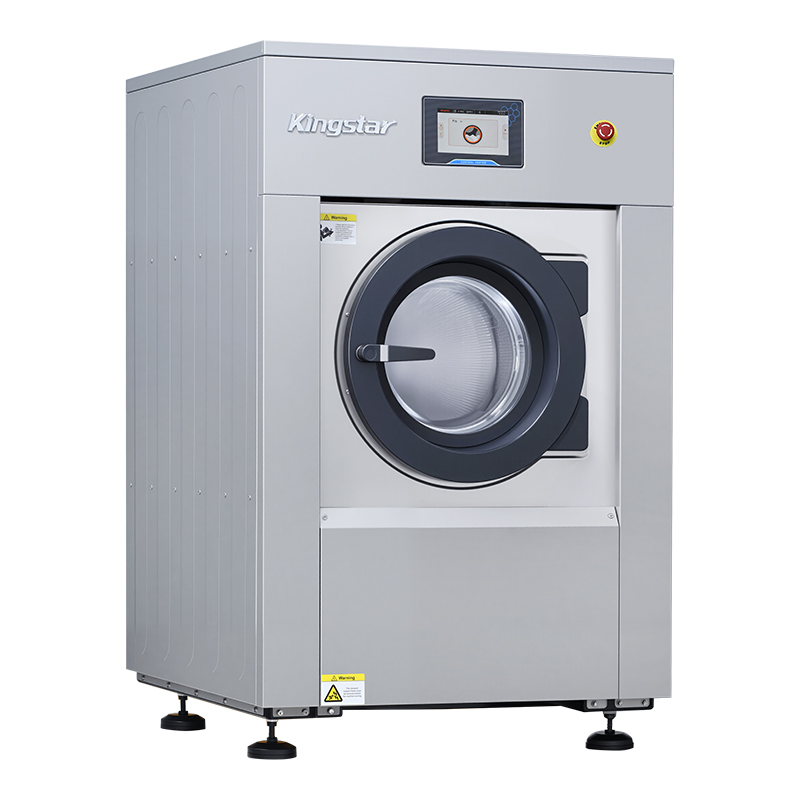
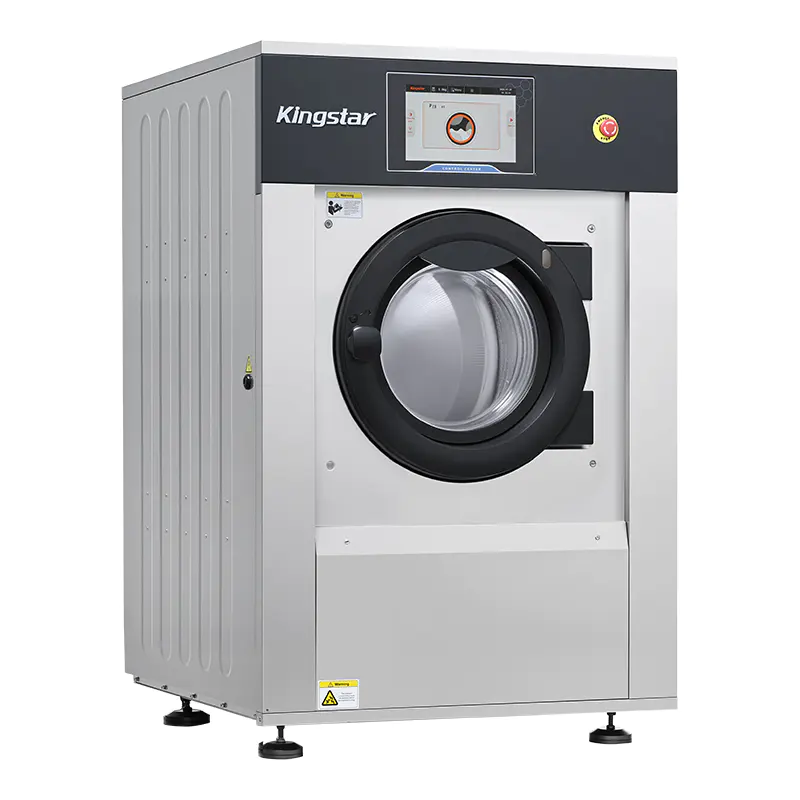
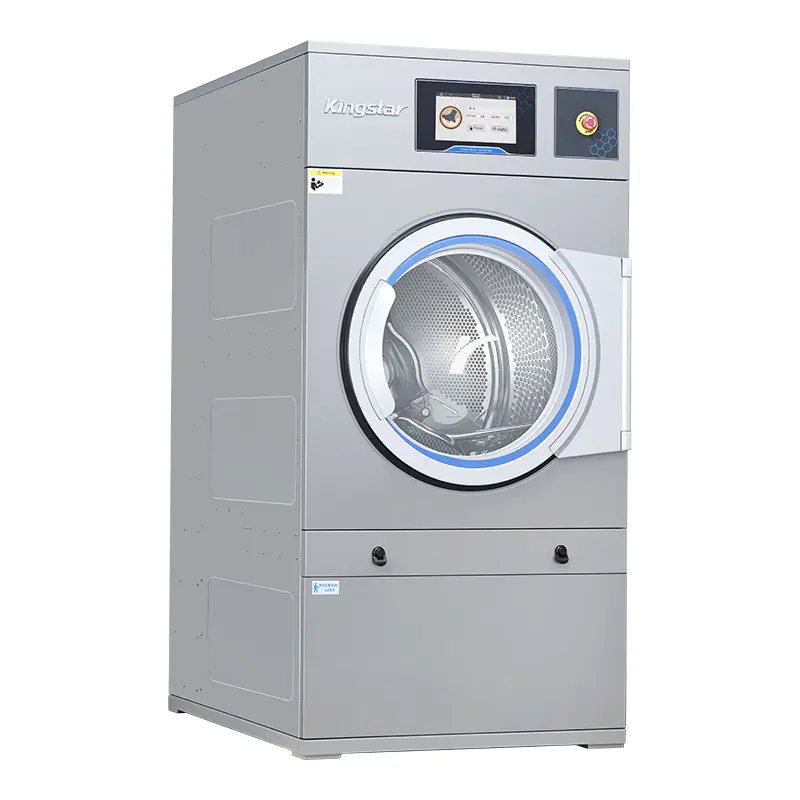
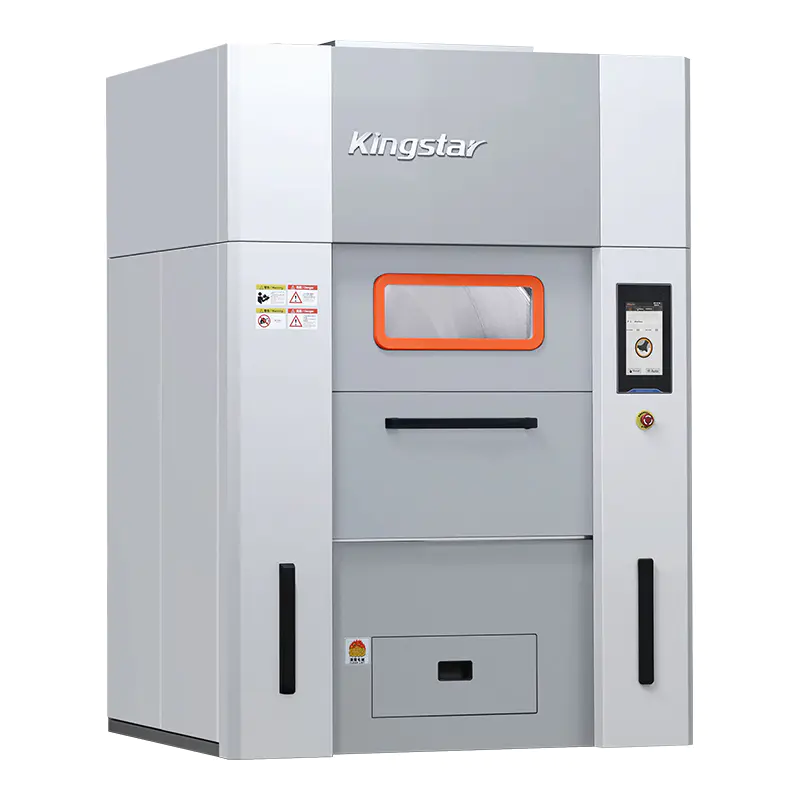
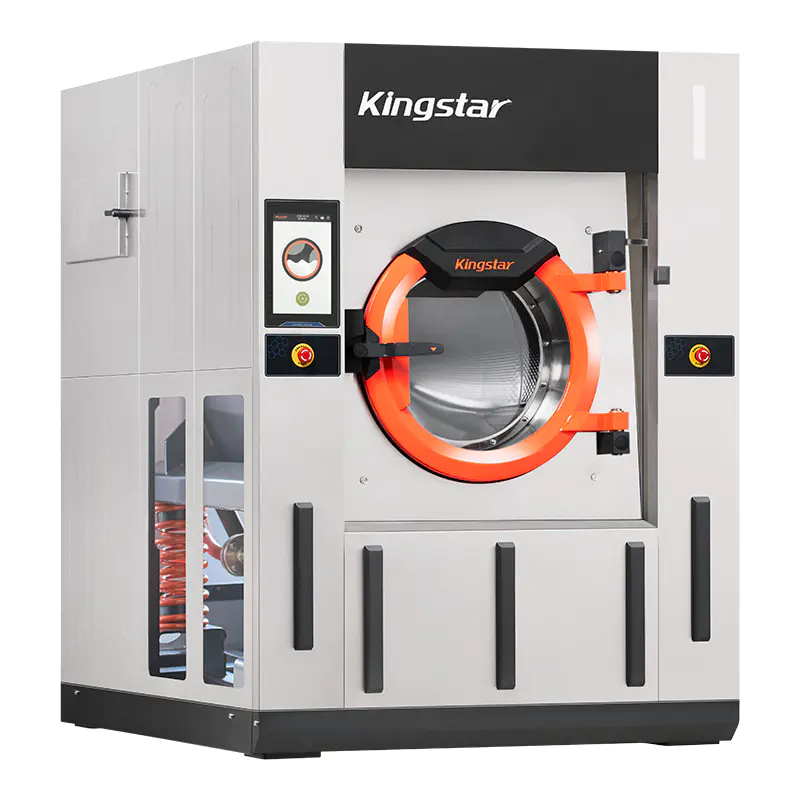
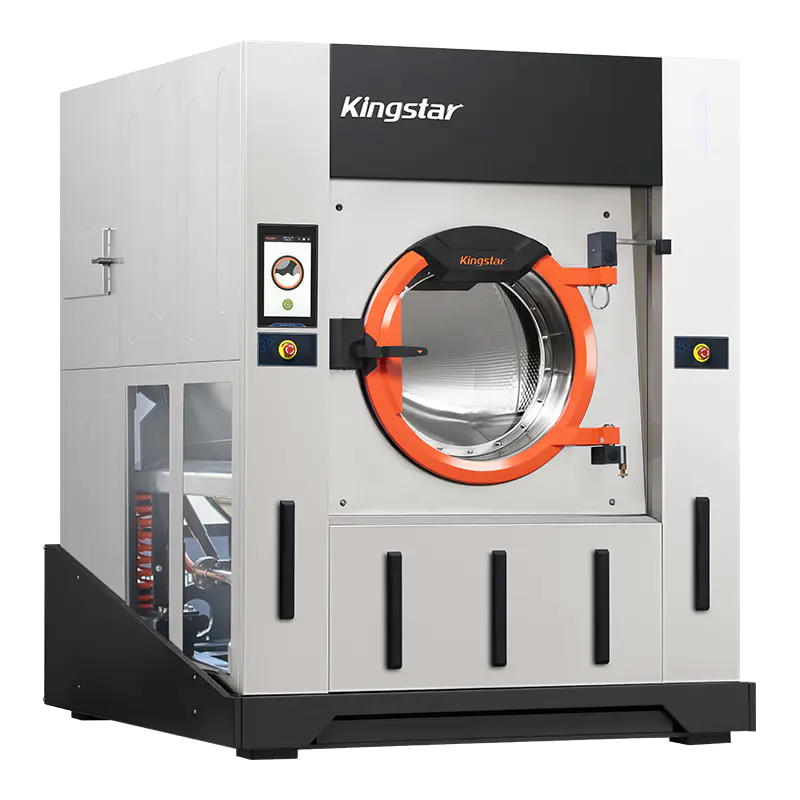
Energy efficiency in commercial washing machines is determined by a set of standards that manufacturers must meet to ensure the machines consume less energy during operation. These standards vary by region, with organizations like the U.S. Environmental Protection Agency (EPA) and the European Union setting specific guidelines for energy consumption in commercial appliances. Typically, energy-efficient machines are designed to minimize electricity and water usage without compromising cleaning performance. Commercial washing machines that meet these standards are often labeled with energy efficiency ratings, such as the ENERGY STAR label in the U.S., which indicates that the machine adheres to rigorous energy-saving requirements.
The energy efficiency of a commercial washing machine has a direct impact on operating costs. These costs include both electricity and water consumption, which are two major factors in the overall expense of running a laundromat or other commercial laundry services. Machines that consume less water and energy reduce the frequency and volume of energy usage, leading to lower utility bills over time. For businesses like laundromats, this can be a significant advantage in terms of long-term savings, especially considering the frequency with which these machines are used. Commercial washing machines designed with higher energy efficiency typically incorporate advanced technology to optimize performance while using fewer resources.
Modern commercial washing machines incorporate various technologies to enhance energy efficiency. These technologies can include advanced drum design, motor optimization, and improved water management systems. For instance, some commercial washers feature variable-speed motors that adjust the drum speed based on load size, thereby reducing energy consumption during washing cycles. Additionally, sensors can detect the amount of detergent and water needed, ensuring that only the necessary amounts are used for each load. The integration of these technologies in washing machine commercial grade models helps reduce waste, both in terms of water and electricity, without compromising the cleanliness of laundry items.
Water conservation plays an essential role in the energy efficiency of commercial washing machines. Many of these machines are designed to recycle water during the washing cycle, reducing the need for fresh water in every load. This not only helps conserve water but also reduces the energy required to heat the water for each wash cycle. By using less water, energy-efficient commercial washing machines also lower the demand on water treatment facilities, contributing to a more sustainable operation. This is particularly beneficial in areas where water is a limited resource or where utility rates are high. The ability to reuse water between wash cycles is one of the key features of modern commercial washer dryer for laundromat systems.
Several factors can influence the energy efficiency of commercial washing machines. The type of machine, its size, and the technology it uses are all important considerations when evaluating its overall energy performance. For example, front-loading machines are typically more energy-efficient than top-loading models, as they use less water and spin at higher speeds, which removes more water from clothes and reduces drying times. Additionally, larger machines often have a higher capacity to handle more laundry per cycle, making them more energy-efficient in commercial settings. The maintenance and usage practices also affect efficiency; machines that are regularly serviced and used appropriately are more likely to maintain their energy-saving performance over time.
Commercial washers come in different configurations, including top-loading and front-loading models. Front-loading commercial washers are generally more energy-efficient compared to top-loaders. This is because they use less water and rely on gravity to lift and drop laundry, which reduces the amount of water needed per load. Additionally, front-loading models tend to have faster spin cycles, which means clothes require less time in the dryer, thus saving energy in the drying process. Top-loading commercial washers, on the other hand, typically consume more water and electricity due to their more traditional design. However, new advancements in top-loaders are slowly closing the gap in terms of energy efficiency. Choosing the right type of washing machine for a commercial setting depends on various factors such as laundry volume, space constraints, and specific energy-saving goals.
Commercial washing machines with energy efficiency certifications can offer reassurance that the product meets high standards for resource conservation. One of the most common certifications in the United States is the ENERGY STAR label, which indicates that a machine has been tested and verified to consume less energy than other non-certified models. The ENERGY STAR program provides both energy savings and environmental benefits, making it a widely recognized and trusted certification. Other regions, such as the European Union, have similar systems for labeling energy-efficient appliances, providing customers with the necessary information to make informed purchasing decisions. Machines with these certifications are often marketed as having lower long-term operating costs, making them an attractive option for laundromat owners looking to reduce overhead expenses.
When evaluating the energy efficiency of commercial washing machines, it's important to consider both the initial investment and the long-term savings. While energy-efficient models may cost more upfront, they typically offer substantial savings over time through reduced utility bills. Over the lifespan of the machine, the savings on electricity and water consumption can outweigh the higher purchase price. Additionally, many manufacturers offer warranties on energy-efficient models, which further protects the initial investment. Businesses in the commercial laundry industry, such as laundromats, can benefit greatly from investing in machines that reduce operating costs, particularly in areas with high energy prices. By carefully considering both initial and ongoing costs, business owners can determine which machines will provide the best value for money.
The trend toward energy-efficient commercial washing machines is expected to continue growing as both consumer demand for sustainability and government regulations push for more environmentally-friendly products. Future developments may include even more efficient water and energy usage, with the potential for machines that adapt automatically to varying load sizes and fabric types. Additionally, improvements in machine components, such as the development of more energy-efficient motors and heat exchangers, could further reduce energy consumption. As the commercial laundry industry continues to evolve, the push for greater sustainability and cost-effectiveness will likely lead to more innovative solutions for energy-efficient washers. The incorporation of smart technology, such as remote monitoring and energy usage analytics, will also play a key role in optimizing the efficiency of commercial washing machines in the years to come.
Choosing the right energy-efficient commercial washer involves considering various factors such as energy ratings, water usage, and the type of machine. For businesses like laundromats, investing in commercial washing machines that have been designed to minimize energy consumption can result in significant cost savings over time. With advancements in technology and growing consumer demand for eco-friendly products, the future of commercial washers looks to be both more energy-efficient and environmentally conscious. By understanding the energy efficiency of commercial washing machines and selecting models that meet industry standards, businesses can reduce their operational costs while contributing to a more sustainable future.
ADD:No.388 Xinggang Road, Chongchuan District, Nantong City, 226000, Jiangsu Province, China.
Phone: +86-13917089379
Tel:+86-13917089379
Fax:+86-0513-85663366
E-mail:[email protected]
Cookies give you a personalized experience,Сookie files help us to enhance your experience using our website, simplify navigation, keep our website safe and assist in our marketing efforts. By clicking "Accept", you agree to the storing of cookies on your device for these purposes. Click "Adjust" to adjust your cookie preferences.For more information, review our Cookies Policy.