英语
英语 俄语
俄语 西班牙语
西班牙语 德语
德语
Home / News / Industry News / Care Guidelines & Scientific Washing Solutions for All Kinds of Clothes Accessories

Kingstar is your trusted partner for industrial and commercial laundry equipment. We specialized in the R&D and manufacturing of high-end industrial washers, commercial washers and dryers. Meanwhile, we provide global clients with comprehensive planning, layout workflow design, and software-hardware integration services for smart laundry plants.
Industry News
Mar 23,2026
Care Guidelines & Scientific Washing Solutions for All Kinds of Clothes Accessories
Laundry shops are facing an obvious trend that customers’ clothes are becoming more exquisite and complex than ever before. Professional washing and care service must systematically understand and handle the challenges brought by lining fabrics, interlinings, fillings, and even a single button. This is a risk management to avoid customer complaints and a strategic opportunity to upgrade from a service executor to a clothing care expert.
The accessories include five major categories: linings, interlinings, fillings, fasteners (buttons / zippers), and decorative trims.
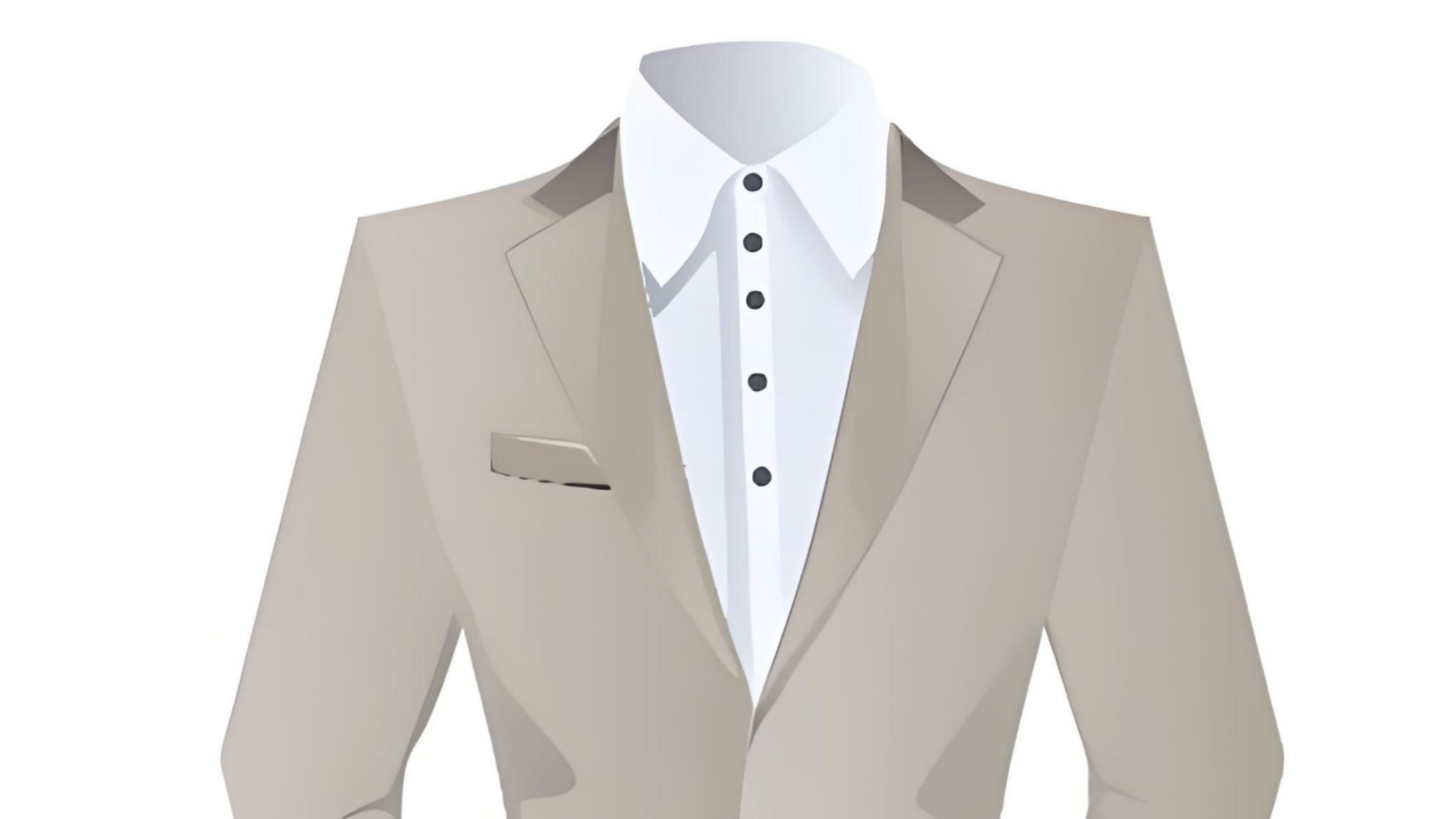
Lining
The lining has multiple functions. It protects the inner side of fabric, improves comfort, and ensures easy wear and removal.
● Different materials for lining
Silk, acetate satin, nylon taffeta, polyester taffeta, fleece lining.
● Different washing requirements for lining
Smooth imitation silk linings are sensitive to high temperatures and heavy friction.
Cotton linings easily shrink. Professional laundry care must meet the dual needs of the outer fabric and the lining.
Interlining
Interlinings are the secret to crisp shoulder lines in suits and three-dimensional silhouettes in overcoats. (traditional horsehair interlining, hair canvas, and the widely used fusible interlining)
Among them, delamination and bubbling of fusible interlinings are one of the most common challenges in laundry shops. Improper washing temperature, mechanical force, and drying methods can easily damage the adhesive layer and the clothes’ appearance. This results in high repair costs.
Fillings
Fillings such as down, cotton, and polyester wadding directly determine the thermal performance of clothes. The key to washing is to restore loft, prevent clumping, and ensure even drying. Wrong treatment can cause the cluster and cotton to clump. It forever damages the warmth retention and comfort of high-end down jackets or padded coats.
Fasteners
Fasteners include buttons, zippers, hooks, and eyes. (resin, metal, precious components...)
They may scratch fabric, wear out, be discolored, or fall off in washing. Metal zippers may oxidize in alkaline detergents. Fragile crystal buttons can easily break during machine washing.
Decorative Parts
Decorations such as leather patches, beading, metal rivets, and embroidery are the highlights of the clothes and the major laundry challenges. They generally cannot withstand the chemical and physical stress of standard washing, so pre-treatment protection or removal is needed. Otherwise, it easily causes falling off, tearing, staining, or corrosion of metal parts.
Risk of Traditional Washing Methods
When facing complex clothes accessories, the rough, one-size-fits-all approach of traditional washing has these major risks.
● Mechanical damage
Intense tumbling and beating are the main causes of interlining delamination, detached trims, and shifted or clumped fillings.
● Heat damage
Excessively high water or drying temperatures can damage fusible adhesives, deform synthetic linings or decorative components, and even set protein-based stains (such as blood).
● Chemical damage
Strong alkalis, chlorine bleach, or non-neutral detergents may corrode metal accessories, cause dye fading, and leave residues that harm fabrics.
● Improper drying
High-temperature and high-speed drying do harm to fillings and stretch fabrics, and improper hanging can distort heavy, wet clothes.
Kingstar Solutions
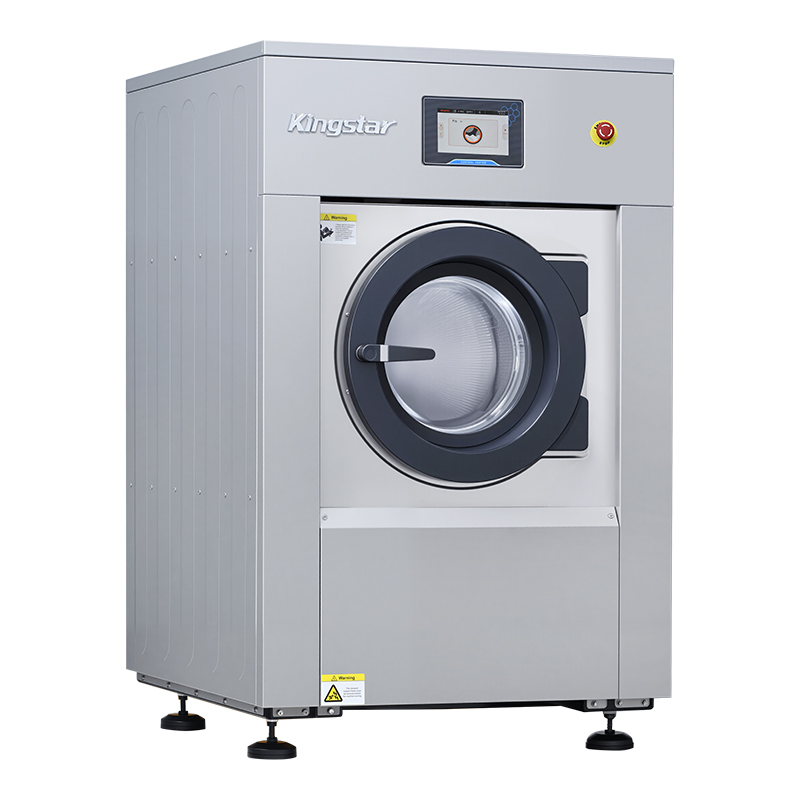
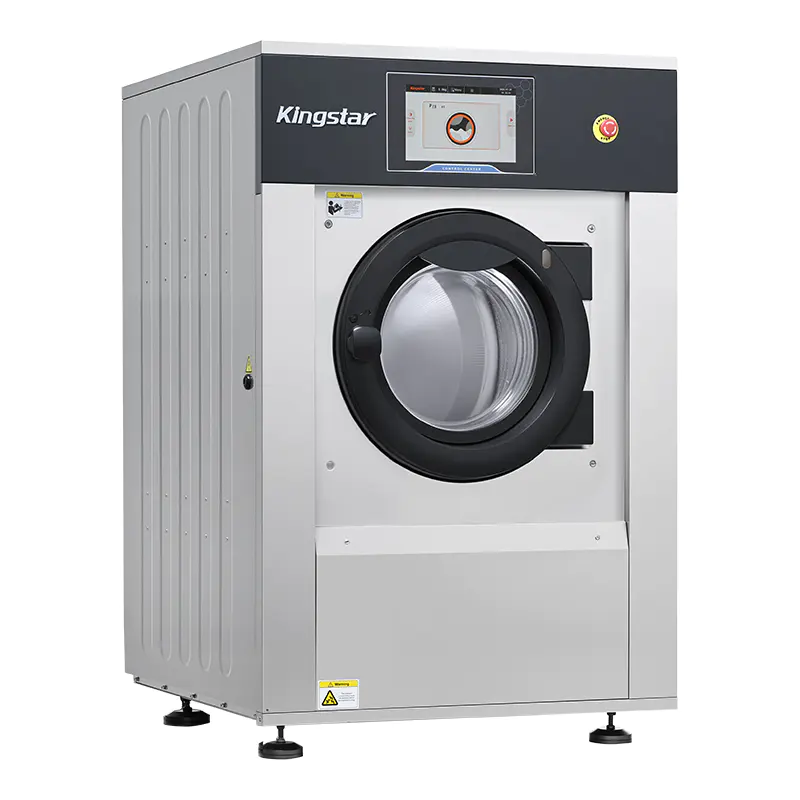
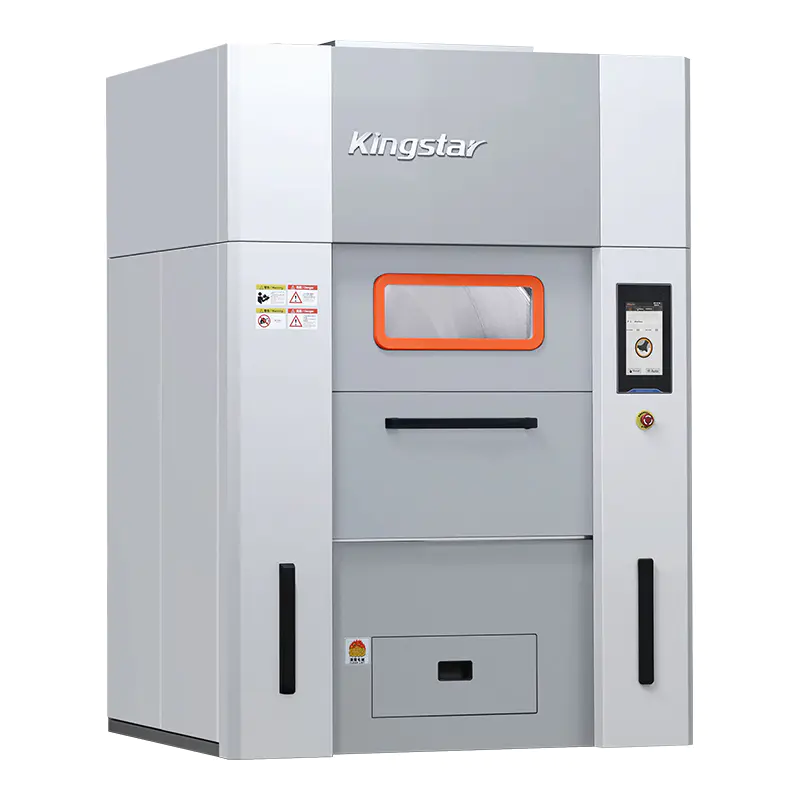
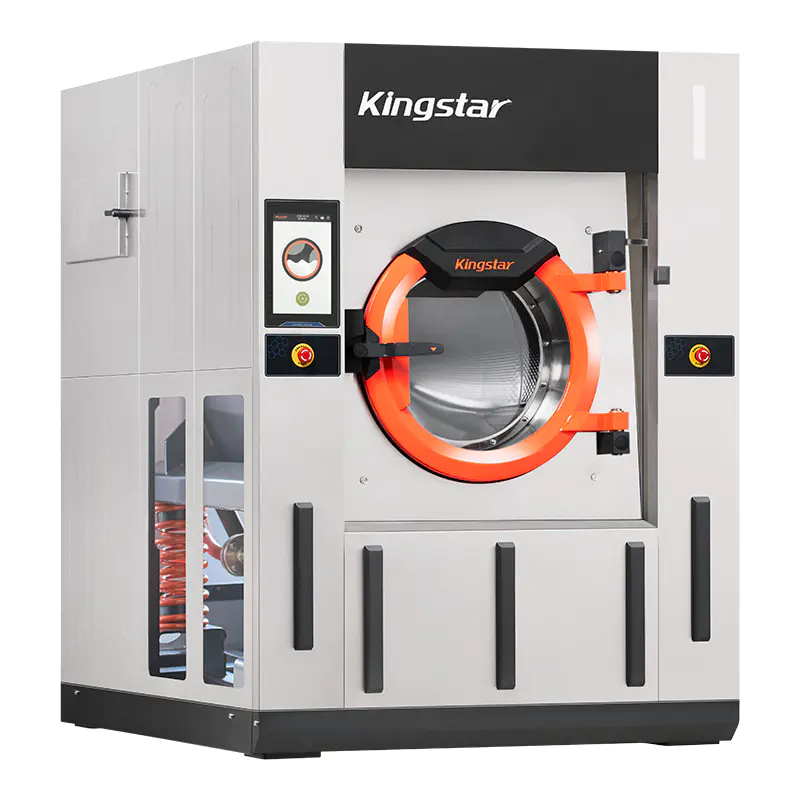
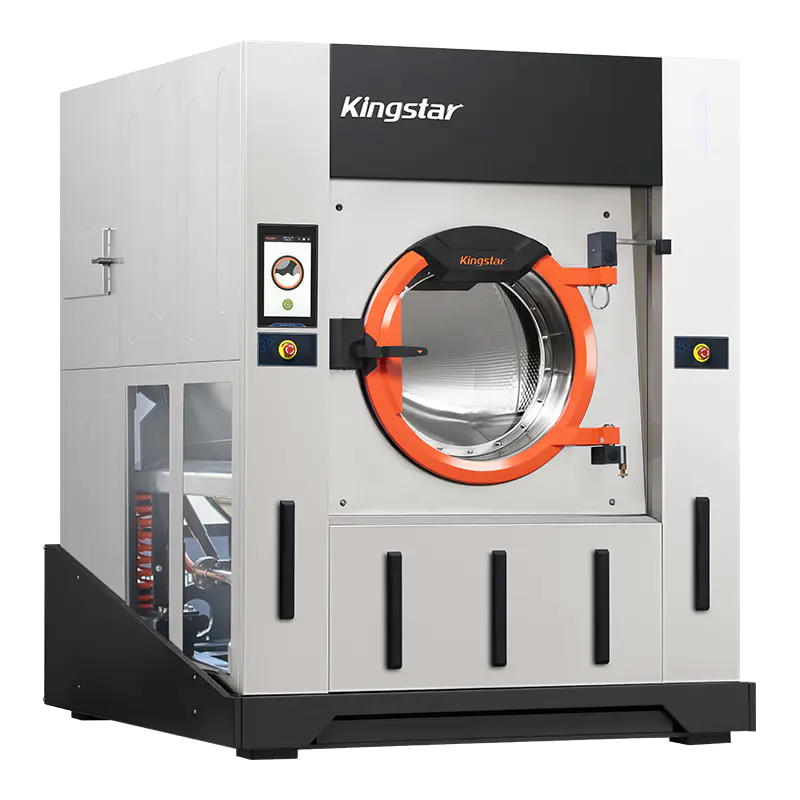
The Kingstar professional wet cleaning machine SHS-2025P has many advantages.
● Ultra-gentle tumbling and water flow that mimics the care of hand washing can effectively remove soil and reduce physical stress on garment attachments and delicate areas as much as possible.
● Precise low-temperature control ensures the entire cleaning process operates within the safe temperature range for all accessory materials. This removes the heat damage risk.
● Wide program adaptability provides customized cleaning cycles and intensity for clothes with different accessories. (finely embroidered clothing, lined suits, down-filled items...)
● Gentle extraction and scientific drying replace harsh traditional spinning.
Kingstar equipment provides high-speed, balanced extraction technology that can efficiently remove water and reduce internal stress on fabrics and accessories. This greatly protects the structure of clothes.
Then, depending on the filling type (e.g., low-speed tumble drying for down), outer fabric, and lining materials, professional low-temperature drying, flat drying, or hang drying can be selected to restore clothes and all their attachments.
Q&A:
Q1: What should I watch out for when washing clothes with fusible interlining?
A1:
Washing: gentle
Temperature: ≤ 40°C
Spin function: off
Note: avoid hard rubbing.
Q2: How to protect clothes when decorations cannot be removed?
A2:
Clothes should be put in a mesh laundry bag for extra protection.
Washing cycle: low friction
Note: Do not wash together with rough or hard items.
Q3: How to safely machine wash dresses with complex beading, embroidery, and other decorations?
A3:
Turn the clothes inside out to reduce direct friction on decorated surfaces.
Secure prominent beads and sequins by wrapping them in a dedicated mesh laundry bag or soft cotton cloth.
Use an ultra-gentle wash cycle, and put enough clothes with similar colors as extra cushioning.
ADD:No.388 Xinggang Road, Chongchuan District, Nantong City, 226000, Jiangsu Province, China.
-
Phone: +86-13917089379
-
Tel:+86-13917089379
-
Fax:+86-0513-85663366
-
E-mail:louislu@kingstarlaundry.com
products