英语
英语 俄语
俄语 西班牙语
西班牙语 德语
德语
Home / News / Industry News / Mastering Ironing Temperatures: How Laundry Shops Ensure Perfect Final Results

Kingstar is your trusted partner for industrial and commercial laundry equipment. We specialized in the R&D and manufacturing of high-end industrial washers, commercial washers and dryers. Meanwhile, we provide global clients with comprehensive planning, layout workflow design, and software-hardware integration services for smart laundry plants.
Industry News
Mar 24,2026
Mastering Ironing Temperatures: How Laundry Shops Ensure Perfect Final Results
In the complete workflow of laundry shops, washing, drying, and ironing are interlinked golden triangles that together determine the final quality. As a company deeply engaged in the laundry equipment field, we, Kingstar, understand that profound cleanliness and care extend beyond washers and dryers. A professional understanding of the ironing link is also key to ensuring perfect care of clothes. Today, although we don’t produce ironing equipment, we hope to share this professional insight from the perspective of fiber science with all our friends in the laundry industry, so that every service is perfect.
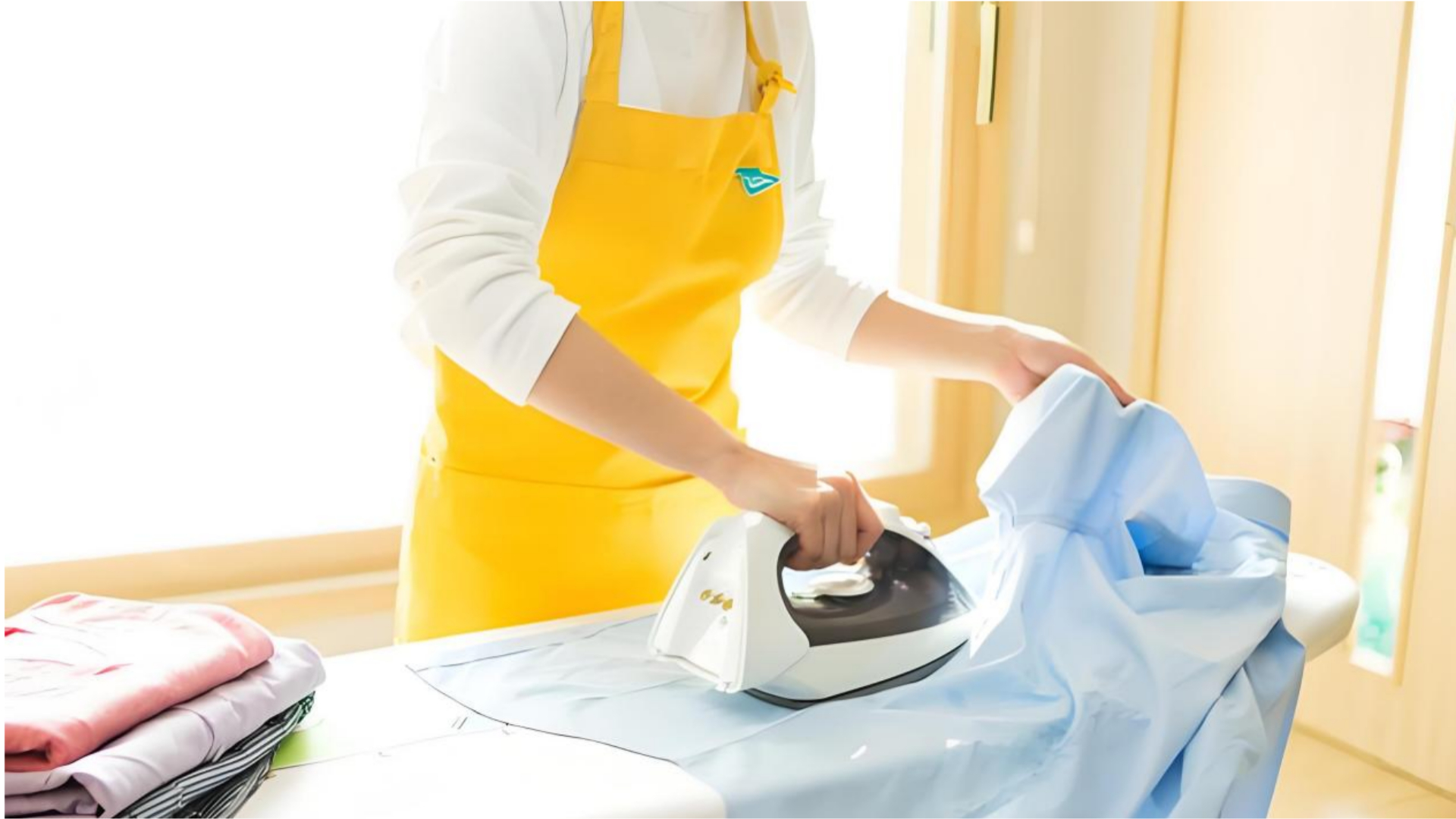
Understanding Ironing
The essence of ironing is using suitable heat and pressure to reconstruct and fix the chemical fibers so as to restore the appearance of flatness and crispness. However, temperature is the variable that needs to be precisely controlled among them. A slight mistake may cause irreversible damage to the clothes.
● Precision temperature range for synthetic fibers
The ironing temperature for them (polyester, nylon...) must be strictly controlled within a narrow range above their glass transition temperature (at which fibers become soft and pliable) but below their melting and decomposition points. Overheating will cause fibers to melt and stick together, rather than simply shrink。 This causes permanent damage to clothes.
● Natural Fibers
Recommended ironing temperatures for cotton, linen, silk, wool, and other natural fibers may seem higher than their theoretical decomposition points, which are based on practical expertise. The iron stays on any area of the clothes for only a very short time (typically just 0.2–0.3 seconds), and the fabric’s moisture and ambient temperature absorb much heat, so the heat delivery must therefore be fast, sufficient, and precise. The full process of moisture vaporization and fiber shaping should be done before the fabric reaches its damage threshold.
Guide to Ironing Temperatures for Various Fiber Fabrics
To facilitate the quick reference and practice of all partners, we have organized the key data as follows, based on general industry standards and fiber science.
| Fiber Name | Direct Ironing | Ironing with Dry Cloth | Ironing with Damp Cloth |
| Cotton | 175–195 | 195–220 | 220–240 |
| Linen | 185–205 | 205–220 | 220–240 |
| Silk | 165–185 | 185–190 | 190–220 |
| Wool | 150–180 | 185–200 | 200–250 |
| Viscose | 120–160 | 170–200 | 200–220 |
| Acetate Fiber | 110–130 | 130–160 | 160–180 |
| Polyester | 150–170 | 185–195 | 195–220 |
| Polyamide (Nylon) | 125–145 | 160–170 | 190–220 |
| Acrylic Fiber | 115–135 | 150–160 | 180–210 |
| Polyvinyl Alcohol Fiber | 125–145 | 160–170 | Do not iron with moisture |
| Polypropylene Fiber | 85–105 | 140–150 | 160–190 |
Note: In practice, the types of clothes, the composition of the blended fabrics, the durability of dyes, and the difference in equipment all had an impact on the best ironing effect. This form is your safety starting line. Good craftsmanship comes from the unique understanding and detailed operations of each piece of clothing.
Kingstar Insights
We believe that the journey of a piece of clothing as smooth as new begins with equally professional washing and drying.
● Precise temperature control
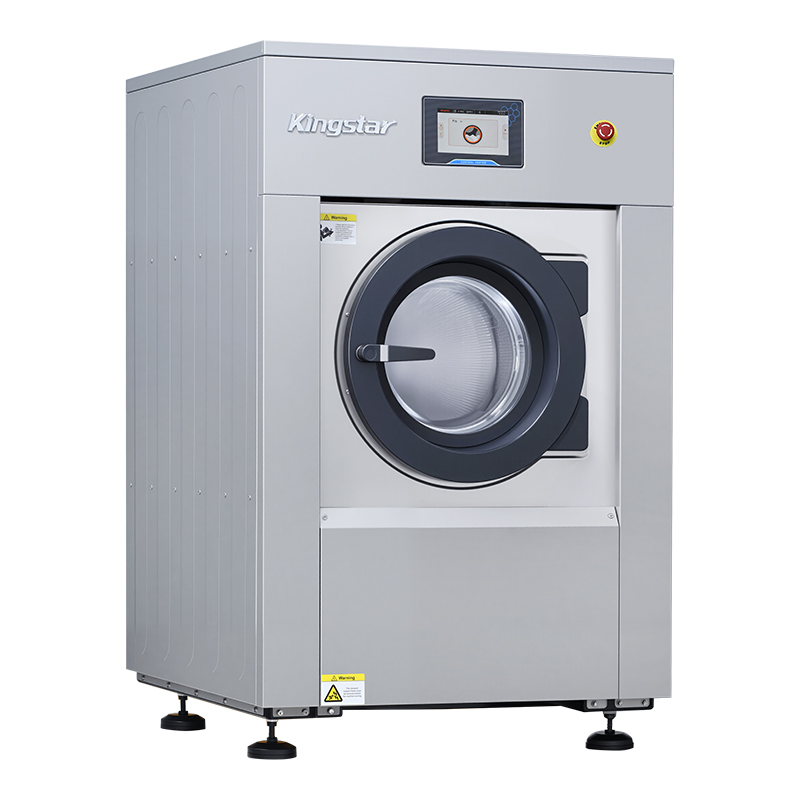
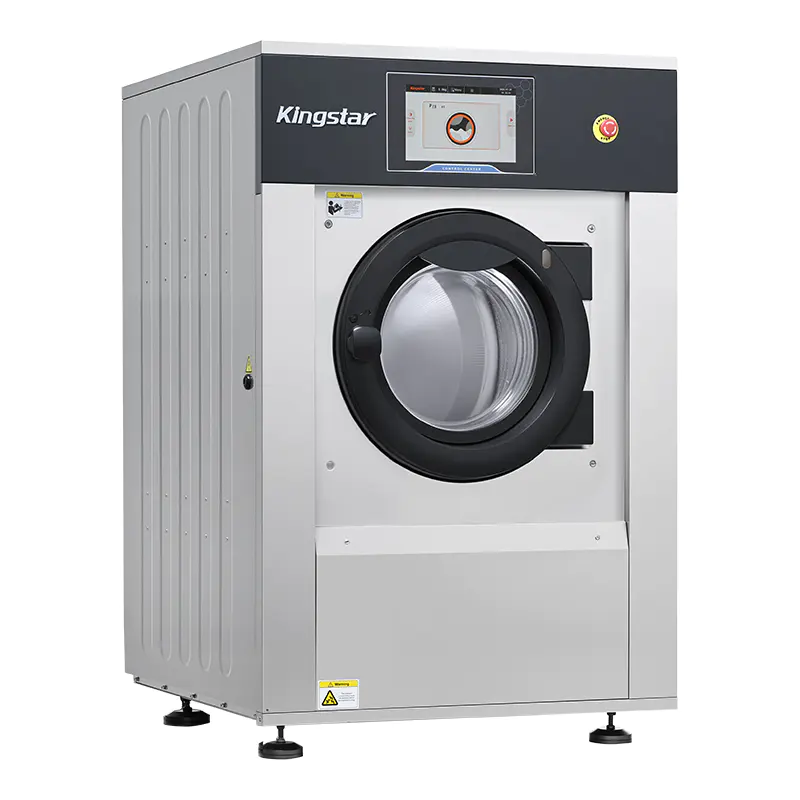
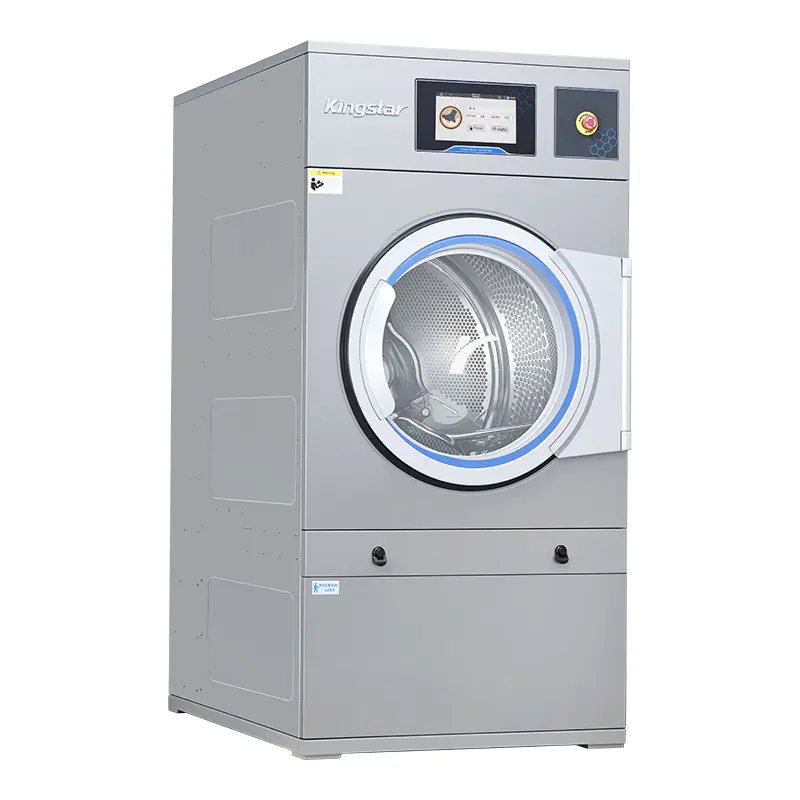
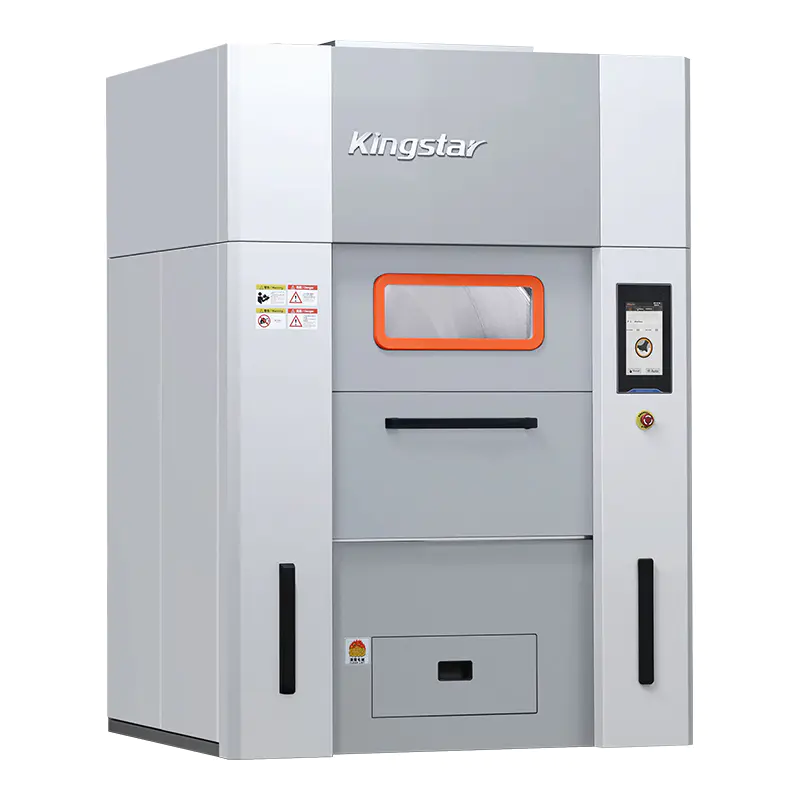
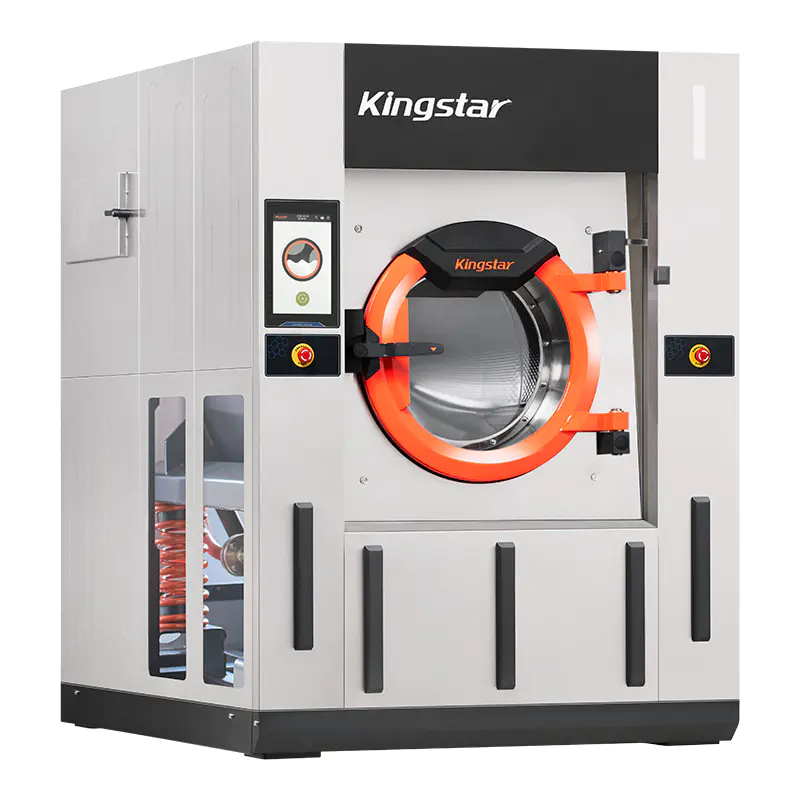
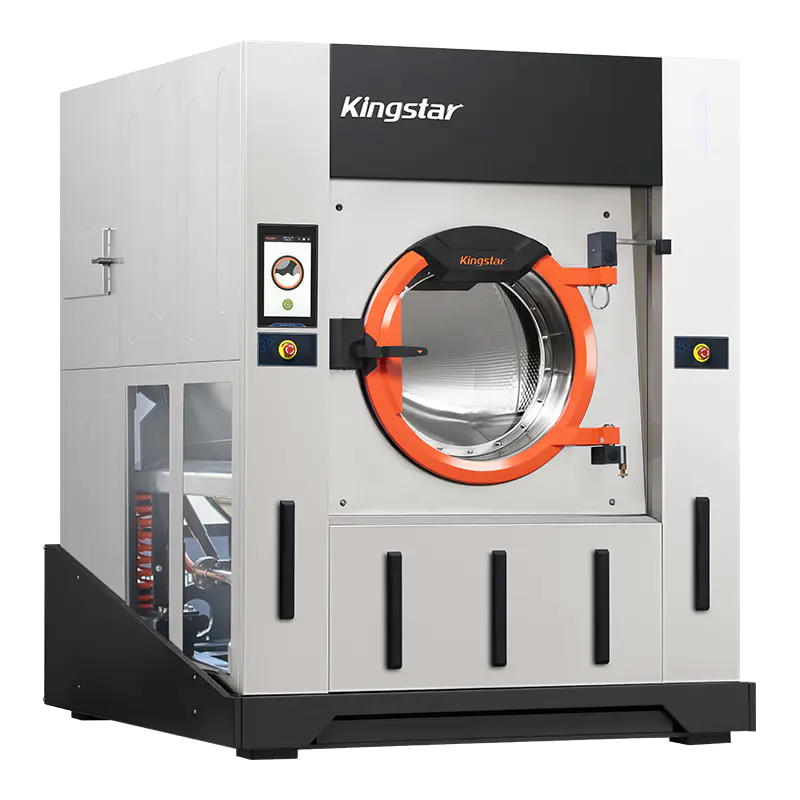
Just as the ironing’s strict requirements for temperature, the Kingstar wet cleaning machine SHS-2025P and the Kingstar dryer SDR-2025 also precisely control temperature. Kingstar equipment ensures that each wash and drying process is done at the most suitable temperature curve for the corresponding fabric. This helps avoid fiber damage, shrinkage, or wrinkling and curing caused by improper thermal stress from the source, and lays a smooth and soft foundation for subsequent ironing.
● Fiber care
Whether it is the gentle beating during washing, the even air heat during drying, or the instantaneous high temperature during ironing, the goal of all techniques is the same: to achieve cleanliness and smoothness and reduce the vitality and lifespan of fabric fibers as much as possible.
Conclusion
Kingstar is not only a laundry equipment supplier, but also partners in the laundry industry. By sharing knowledge ranging from fiber science to process practice, we hope to empower every industry practitioner because we know that what ultimately satisfies customers is an impeccable clothing care experience refined through professional equipment, professional knowledge, and professional operation.
Ironing is the final step that gives clothes a crisp shape. Washing is the foundation for its texture and lifespan. Kingstar is willing to work together to create a professional care solution.
Q1: Why are natural fibers not damaged when ironed at temperatures above their decomposition temperature?
A1: The iron stays on the fabric for only 0.2 to 0.3 seconds. The natural temperature of the fabric and heat absorption from moisture evaporation are a buffer, so there is no charring.
Q2: Does the front-end washing process affect subsequent ironing results?
A2: Yes! Quality washing is the foundation of effective ironing. For example, the intelligent fabric adaptation and high-speed dehydration technology of Kingstar washing machines reduce fiber damage and wrinkles, making ironing more efficient.
Q3: What are the approximate temperature ranges for direct ironing of natural fibers such as cotton, linen, silk, and wool?
A3: Cotton 175~195℃, Linen 185~205℃, Silk 165~185℃, Wool 150~180℃. For precise operation, please refer to the official temperature comparison chart.
ADD:No.388 Xinggang Road, Chongchuan District, Nantong City, 226000, Jiangsu Province, China.
-
Phone: +86-13917089379
-
Tel:+86-13917089379
-
Fax:+86-0513-85663366
-
E-mail:louislu@kingstarlaundry.com
products