英语
英语 俄语
俄语 西班牙语
西班牙语 德语
德语
Care Instructions for White Fabrics in Laundry Shops
Laundry shops often have a headache when dealing with white clothes because all white colors are different due to their different manufacturing processes. Improper washing may cause color fading because many white clothes are treated with fluorescent brighteners.
White textiles are grayish white or light yellow during the manufacturing process due to the natural colors of the fibers or processing residues. To achieve the ideal white appearance, textiles should be bleached. After that, fluorescent brighteners (also known as optical brighteners) are often added to improve whiteness and brightness.
Fluorescent brighteners may lose their effectiveness due to prolonged sun exposure, contact with dry-cleaning solvents, strong bleaching agents (chlorine bleach), alkaline chemicals, or some stain removers. In addition, some laundry shops use aggressive stain removal methods on tough stains (tannin or protein-based stains), which can also badly affect these brighteners.
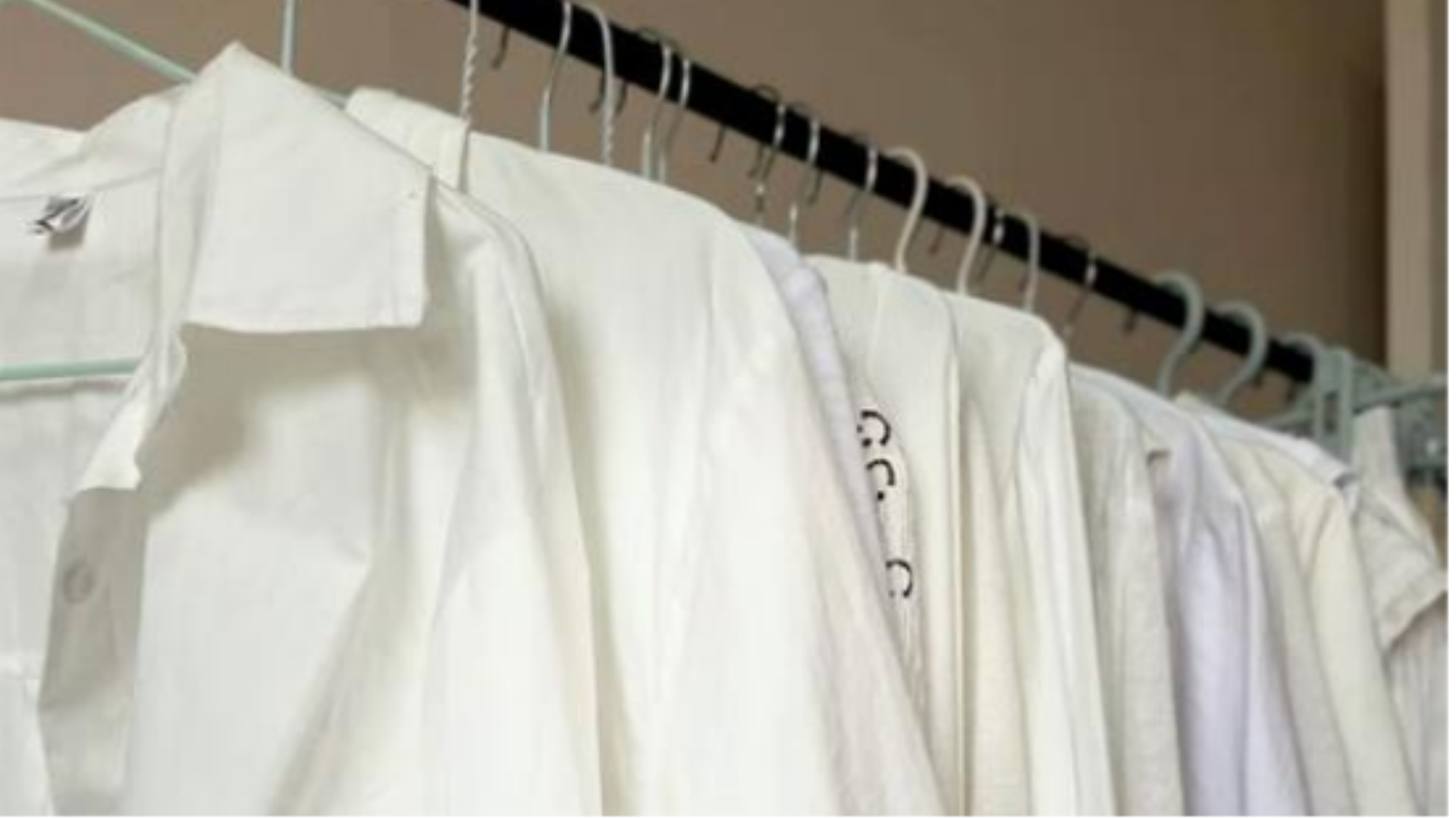
In professional laundry shops, portable ultraviolet lamps (blacklights) or spectrometers are often used for testing. Areas with intact brighteners have obvious fluorescence. Areas with ineffective brighteners have no fluorescence. This test helps determine whether the root cause of the problem lies in stain residues or damage to the brighteners themselves.
Correct Steps for Washing White Clothes in a Laundry Shop
First, laundry shops should do classified pretreatment. For stubborn stains such as tannin (tea, coffee, red wine) and protein (blood, milk, sweat), a special stain remover should be used for local treatment first, and strong alkaline or oxidizing chemicals should not be used directly.
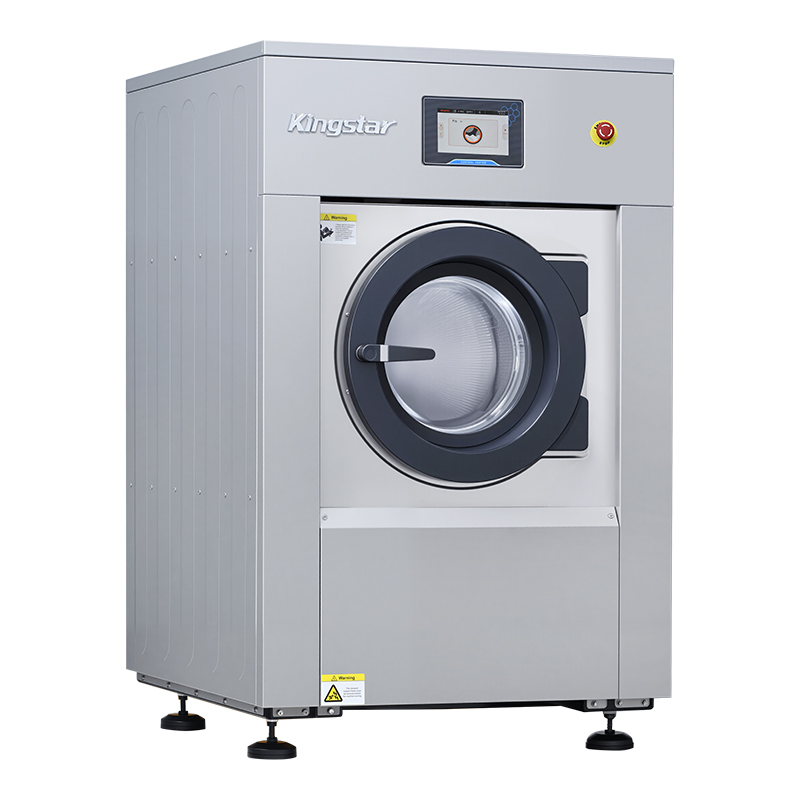
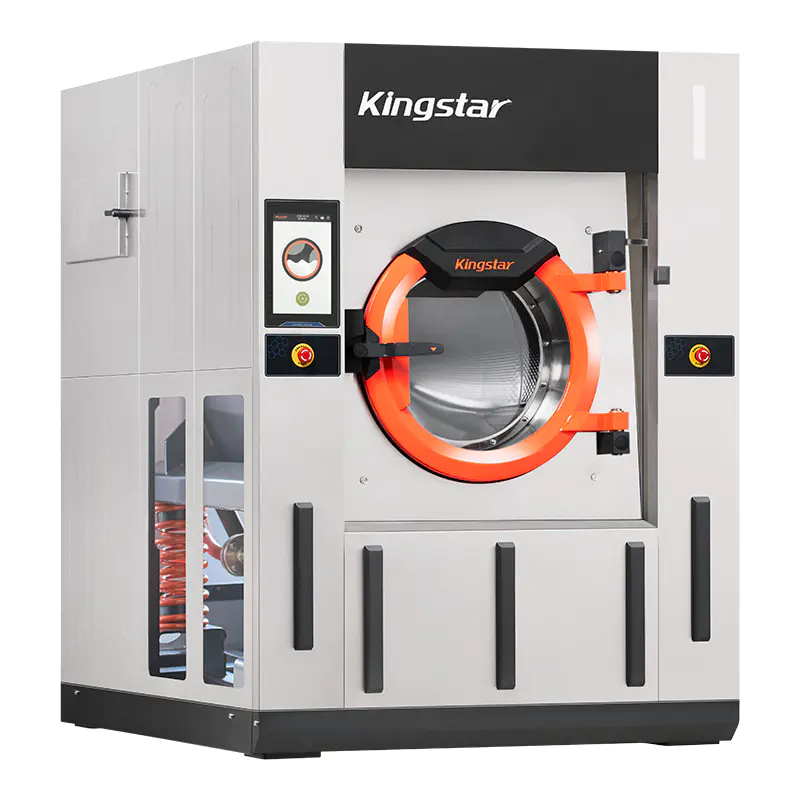
After the stain removal, the clothes can be washed in washing machines in batches. After choosing the Kingstar SHS-2025P Wet Cleaning Machine, laundry staff can freely edit the programs and free their hands.
● A suitable wet cleaning detergent
Specialized liquid detergents for white clothes that contain fluorescent brightening agents and have a neutral pH should be used first. Highly alkaline laundry powders or powerful stain removers that may damage the brighteners should be avoided.
● Water temperature and washing time
- Most white cotton and linen fabrics:
The main wash temperature should be below 40°C.
- Protein-based fibers like silk and wool
The main wash should be without heating. Washing time should be limited to 10 to 15 minutes because long soaking at high temperatures can cause decomposition of the fluorescent brighteners.
● Separate washing
White clothes should be washed separately from dark-colored and color-fading clothes to prevent graying caused by color bleeding.
● Sufficient rinsing and neutralization
The rinsing should be sufficient after washing. Laundry staff can add a neutralizer during the rinsing cycle to remove residual alkalinity. This helps maintain the whiteness and soft texture of the fabrics.
● Caution with Bleaching Agents
If bleaching is necessary, people should better choose oxygen bleach as much as possible and strictly follow the instructions to control the dosage and duration. Chlorine bleach requires high-level expertise from operators.
Correction Methods for Inactivated Fluorescent Brighteners
If the fluorescent brighteners have decomposed, it is necessary to first identify the fabric type and follow the principle of “stain removal first, brightening second”. Any residual stains will damage the effectiveness of the remedial treatment.
● Protein fibers (silk, wool...)
- Avoid using ammonia water, strong alkalis, and alkaline bleaching agents.
- Correction
Add 7 to 15 grams of acid-reducing agent per liter of water → add 10 to 20 grams per liter of neutral, mild detergent to aid penetration → soak the fabrics at room temperature for 10 to 15 minutes → gently agitate them occasionally → thoroughly rinse → add a small amount of detergent to the final rinse water to improve brightness.
● Cellulosic fibers (cotton, linen, rayon...)
- Correction
Dissolve 7 to 15 grams of oxygen-based alkaline bleach in each liter of warm water (around 40°C) → add a mild detergent → soak the fabrics for 6–8 hours → thorough rinsing → neutralize residual alkaline solution with a dilute acetic acid or citric acid solution (mild acidic agents) → add a small amount of brightening detergent during the final rinse to restore brilliant whiteness.
Bluing Treatment
For white fabrics that have slightly yellowed or need further improvement of visual whiteness, bluing treatment can be applied after washing. Commercially available bluing agents neutralize the yellowish tinge on fabrics by depositing a small amount of blue dye, creating an optically brighter white appearance. They should be used according to the product instructions strictly to avoid localized over-bluing.
Conclusion
The above are the washing precautions for white clothes in laundries, especially providing solutions on how to properly wash and care for clothes with fluorescent brighteners. Laundries can improve their professional image through scientific and reasonable washing and care methods.
ADD:No.388 Xinggang Road, Chongchuan District, Nantong City, 226000, Jiangsu Province, China.
-
Phone: +86-13917089379
-
Tel:+86-13917089379
-
Fax:+86-0513-85663366
-
E-mail:louislu@kingstarlaundry.com