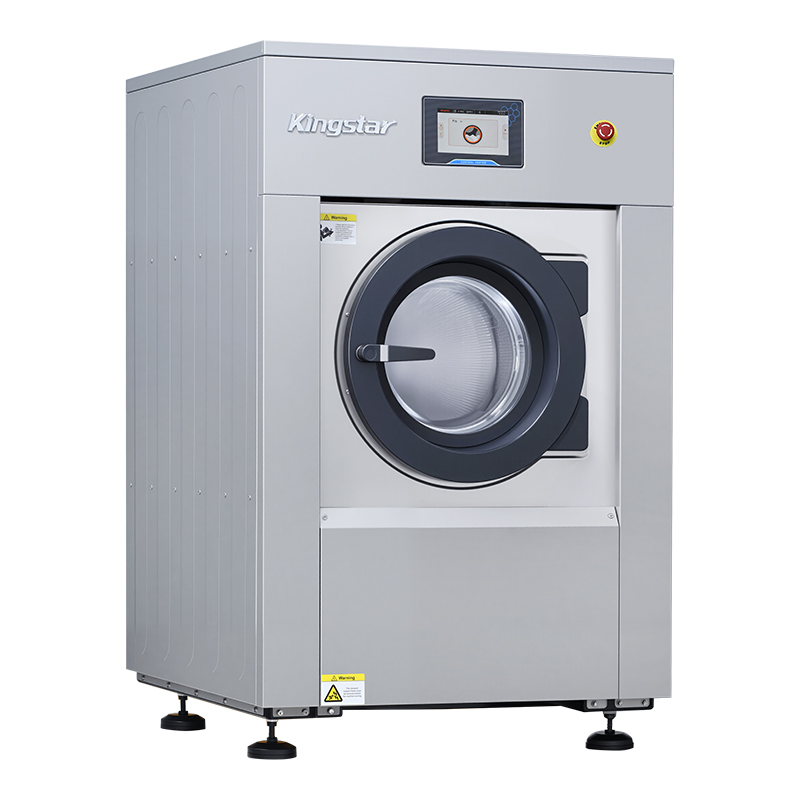
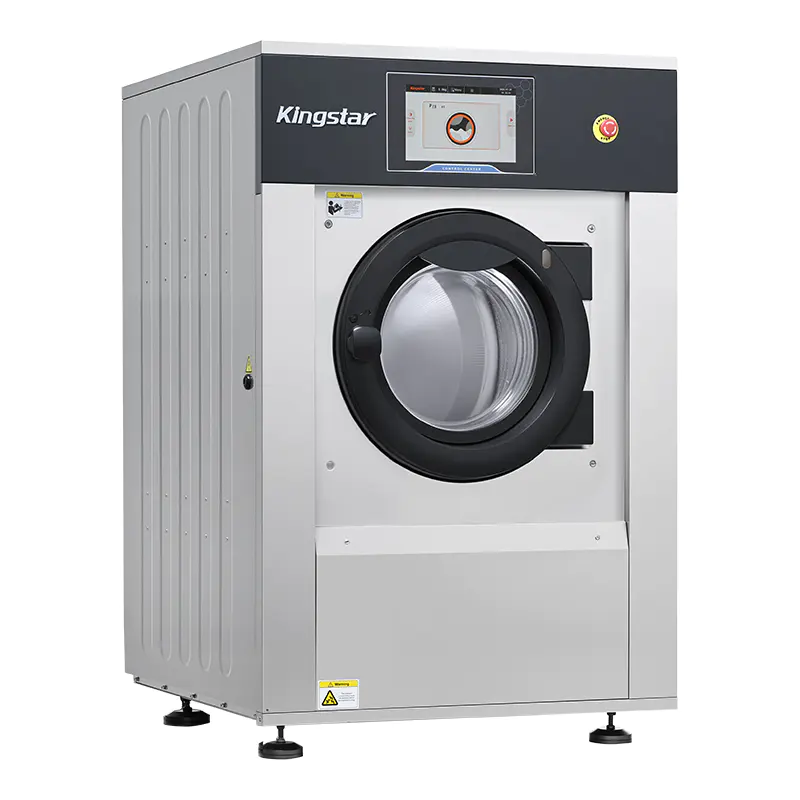
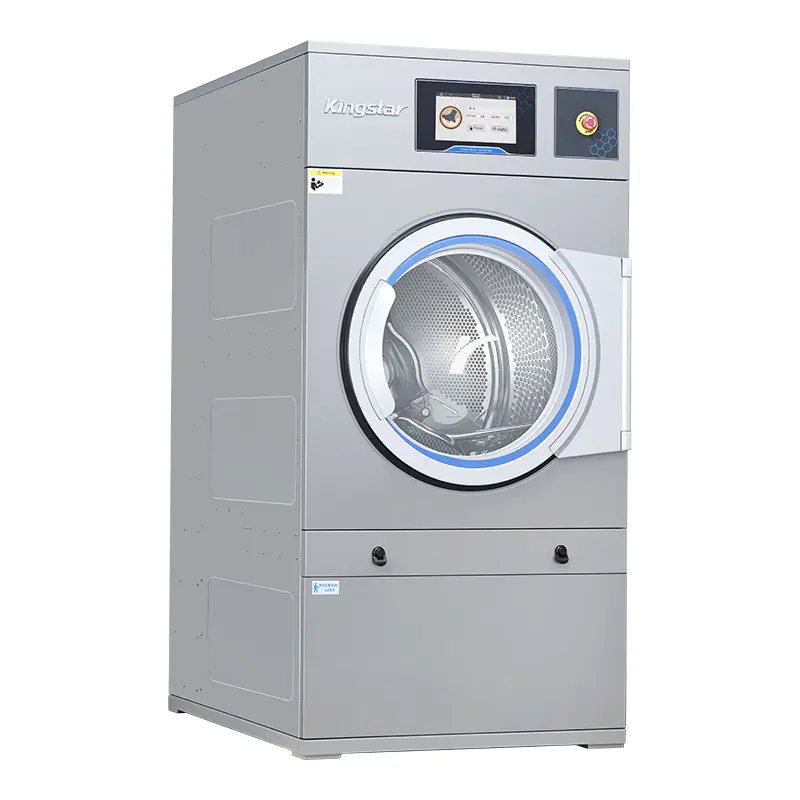
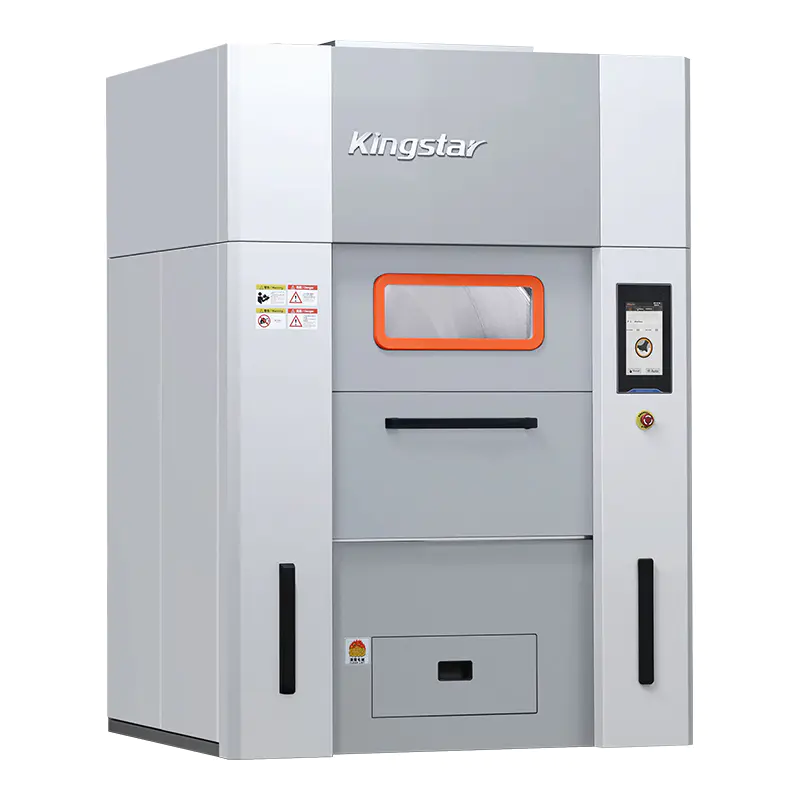
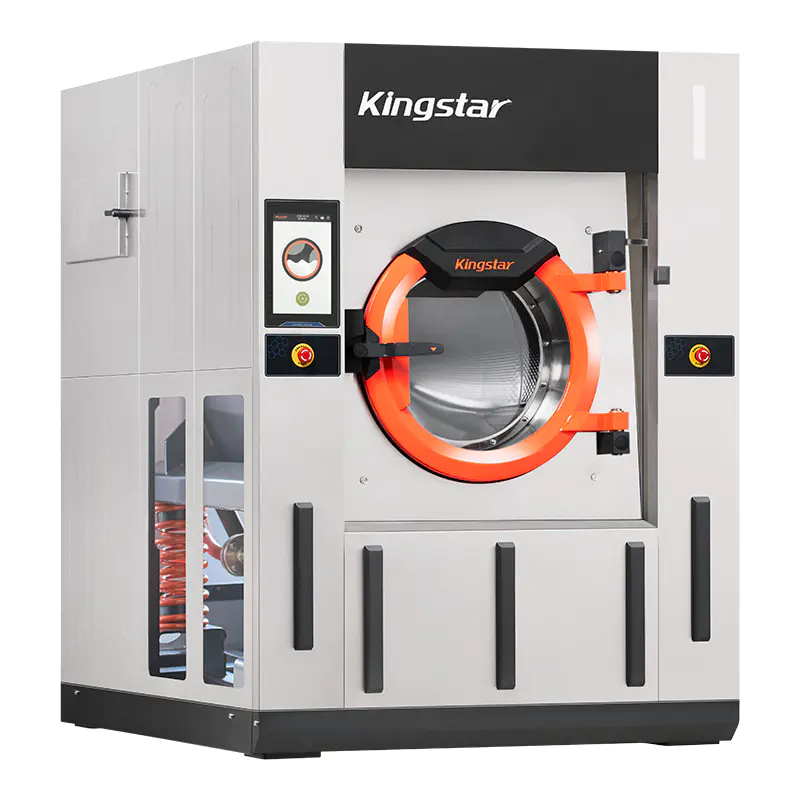
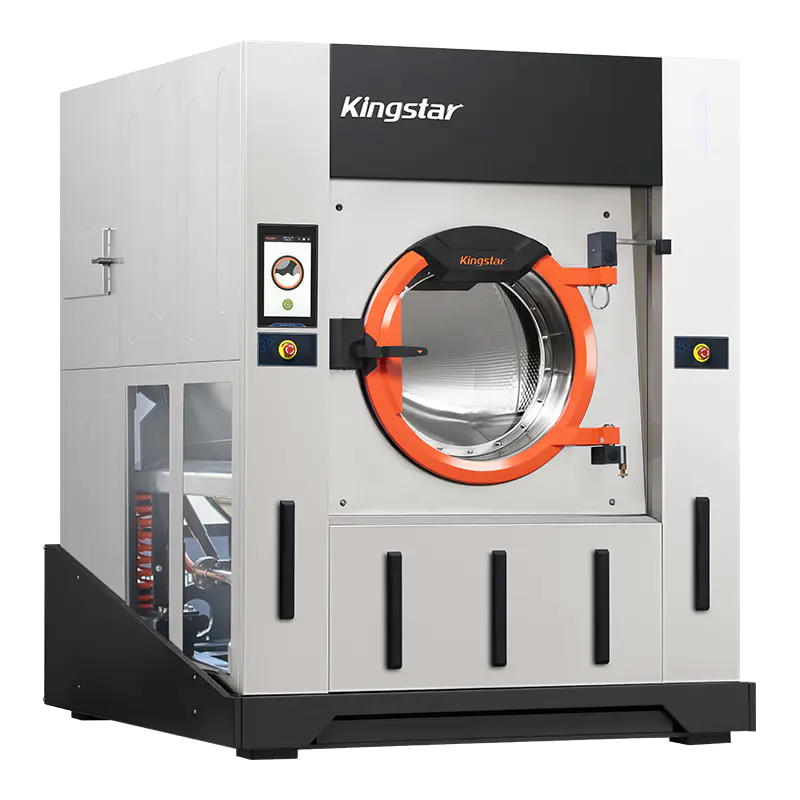
Washer extractor machines combine washing and spinning functions in a single unit, widely used in commercial laundries, hospitals, and industrial applications. The design integrates multiple components such as the drum, motor, control system, pumps, and valves. The ease of maintenance and replacement of these key components significantly affects operational efficiency, downtime, and long-term costs. Understanding which parts are designed for accessibility, replacement, or routine maintenance helps operators plan for preventive care and rapid troubleshooting.
The drum or basket is the central component of a washer extractor machine, responsible for holding laundry during washing and spinning. Many modern machines allow the drum to be removed or accessed through hinged panels or detachable mounts. Maintenance procedures such as inspecting bearings, seals, and perforations are straightforward if the design includes modular components. Bearings and seals, which experience wear due to high-speed rotation and water exposure, can often be replaced without extensive disassembly.
The motor and associated drive systems, including belts, pulleys, or direct drive couplings, play a critical role in both washing and spinning cycles. Machines with accessible motor mounts and standardized connectors facilitate quick replacements. Direct drive motors, which have fewer moving parts, reduce maintenance needs but require attention to electrical connections. Machines that allow the motor to be disconnected without removing the entire drum assembly simplify service operations and minimize downtime.
Drain and recirculation pumps are essential for moving water in and out of the drum. Many washer extractor machines are designed with quick-release or modular pumps, allowing service technicians to detach them without disrupting the entire system. Hoses, valves, and water inlet assemblies are often fitted with standardized fittings, which facilitate rapid replacement. Access to these components is usually through front or side panels, reducing the need for specialized tools and minimizing the risk of damage during maintenance.
The control system, including programmable logic controllers (PLC), relays, sensors, and display panels, manages operational cycles. Modular electronic units, easily accessible from the front or top panel, allow replacement or repair without dismantling mechanical components. Wiring harnesses with plug-in connectors further simplify component swaps. Sensors monitoring temperature, water level, or drum speed are typically designed to be replaceable individually, ensuring that malfunctions can be corrected without extensive downtime.
Heating elements are critical for temperature-sensitive washing processes. Many washer extractor machines provide access to heating elements through rear panels or bottom compartments. Removable heating rods or plate heaters allow technicians to replace or test elements without opening the drum. Proper seals and gaskets ensure that replacement does not compromise the water-tight integrity of the machine. Machines designed with easily removable elements reduce labor and minimize operational interruptions.
Seals and bearings are high-wear components in washer extractor machines due to constant rotation and water exposure. Machines that allow bearing replacement from the front or rear without dismantling the entire drum facilitate maintenance. Similarly, replaceable seals prevent leakage and prolong machine life. Lubrication points, if accessible, reduce the need for complete disassembly. Clear documentation and labeling of seal and bearing locations help technicians perform maintenance efficiently.
Modern washer extractor machines increasingly employ modular designs and standardized components. Modular construction allows individual parts such as pumps, motors, valves, and electronics to be swapped independently. Standardized components reduce inventory requirements and simplify ordering replacements. Service panels, color-coded connectors, and tool-free access mechanisms enhance the ease of maintenance, enabling faster intervention and reducing operational downtime.
Routine maintenance, including inspection, lubrication, cleaning, and part replacement, is facilitated by design features that provide direct access to key components. Accessible panels, hinged doors, and labeled connectors allow technicians to perform preventive care without full disassembly. Documentation of maintenance intervals for components such as bearings, pumps, heating elements, and sensors ensures that replacements are timely and reduce the likelihood of unexpected failures.
Ease of replacement and maintenance must be balanced with safety considerations. Machines designed with lockout mechanisms, insulated access panels, and clear warnings help prevent electrical or mechanical hazards during service. Safety interlocks ensure that components like the drum or electrical panels cannot be accessed while the machine is energized or spinning. Such features support efficient maintenance while minimizing the risk to service personnel.
The ability to replace key components easily reduces labor costs and operational downtime. Modular components, standardized parts, and accessible designs decrease the time required for repairs. Quick access to pumps, motors, seals, and electronic modules means that service interventions can often be completed in hours rather than days, which is critical in commercial or industrial laundry operations where machine availability directly affects productivity.
The following table summarizes common key components and their maintenance accessibility:
| Component | Ease of Replacement | Maintenance Frequency | Access Method |
|---|---|---|---|
| Drum/Basket | Moderate | Periodic bearing and seal inspection | Front or rear panel removal |
| Motor/Drive | High | Occasional belt or motor check | Detachable mounts, plug-in connectors |
| Pumps | High | Regular cleaning or replacement | Front access panels, modular fitting |
| Heating Element | Moderate | Temperature verification | Rear panel or bottom compartment |
| Control System | High | Diagnostic checks | Front/top panel modular units |
ADD:No.388 Xinggang Road, Chongchuan District, Nantong City, 226000, Jiangsu Province, China.
Phone: +86-13917089379
Tel:+86-13917089379
Fax:+86-0513-85663366
E-mail:[email protected]
Cookies give you a personalized experience,Сookie files help us to enhance your experience using our website, simplify navigation, keep our website safe and assist in our marketing efforts. By clicking "Accept", you agree to the storing of cookies on your device for these purposes. Click "Adjust" to adjust your cookie preferences.For more information, review our Cookies Policy.