英语
英语 俄语
俄语 西班牙语
西班牙语 德语
德语
Comprehensive Guide to Essential Reducing Agents for Laundry Shops
During daily operations, most laundry shops face four challenges: removing yellow stains on white cotton and linen, protecting delicate fabric color, removing soap scums and water marks, and neutralizing chlorine residues after bleaching. Reducing agents play a key role in addressing these issues.
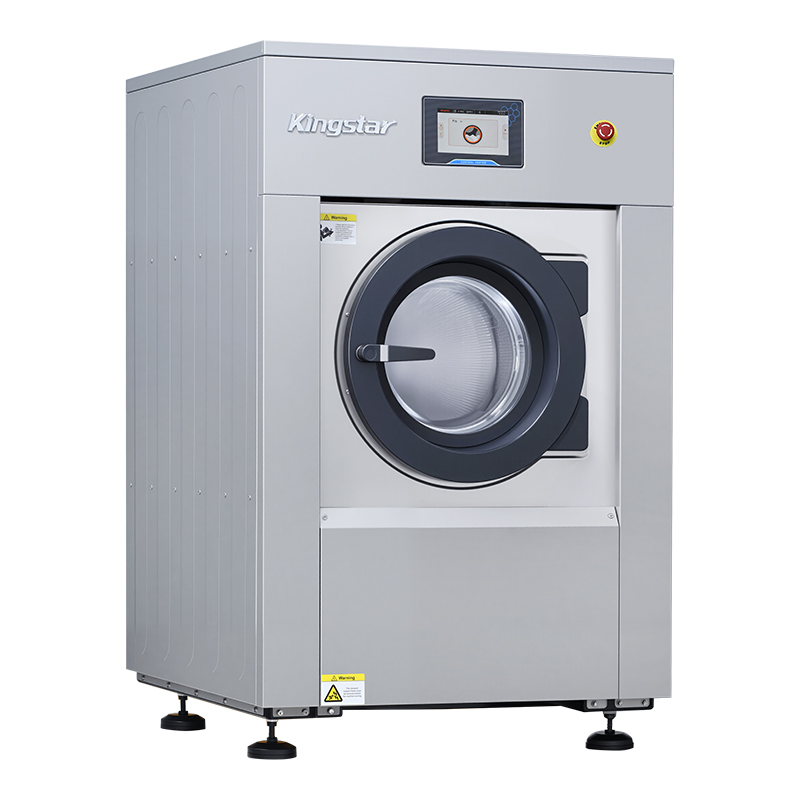
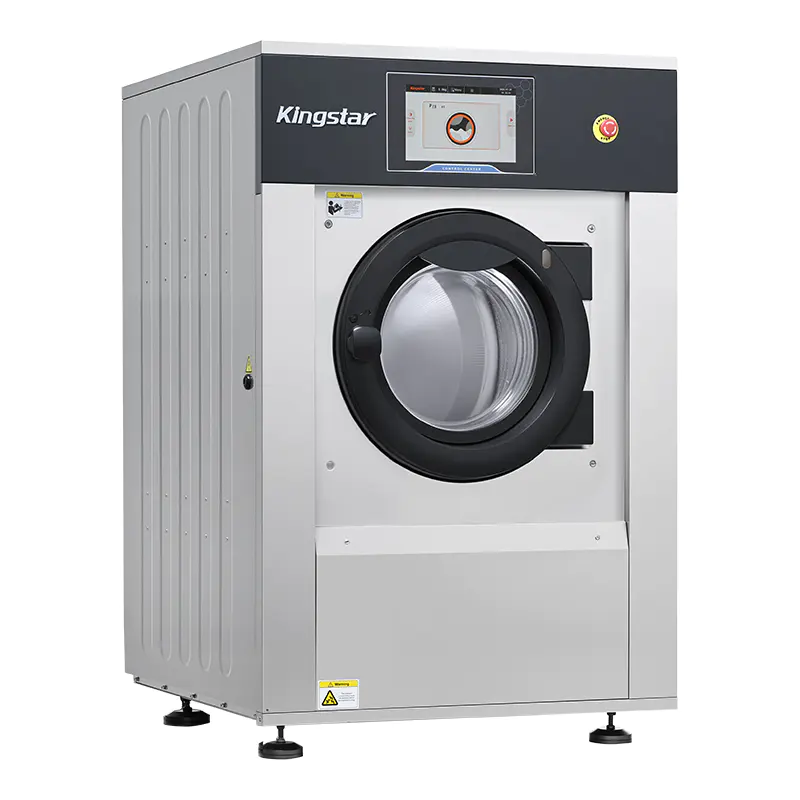
Kingstar is a global leader in manufacturing commercial and industrial washers and dryers. It is committed to offering “equipment + process” integrated solutions for laundromats. This article will introduce five key reducing agents: vitamin C, citric acid, thiourea dioxide, sodium thiosulfate, and sodium hydrogen sulfite. It will also provide professional operation guides based on practical applications.
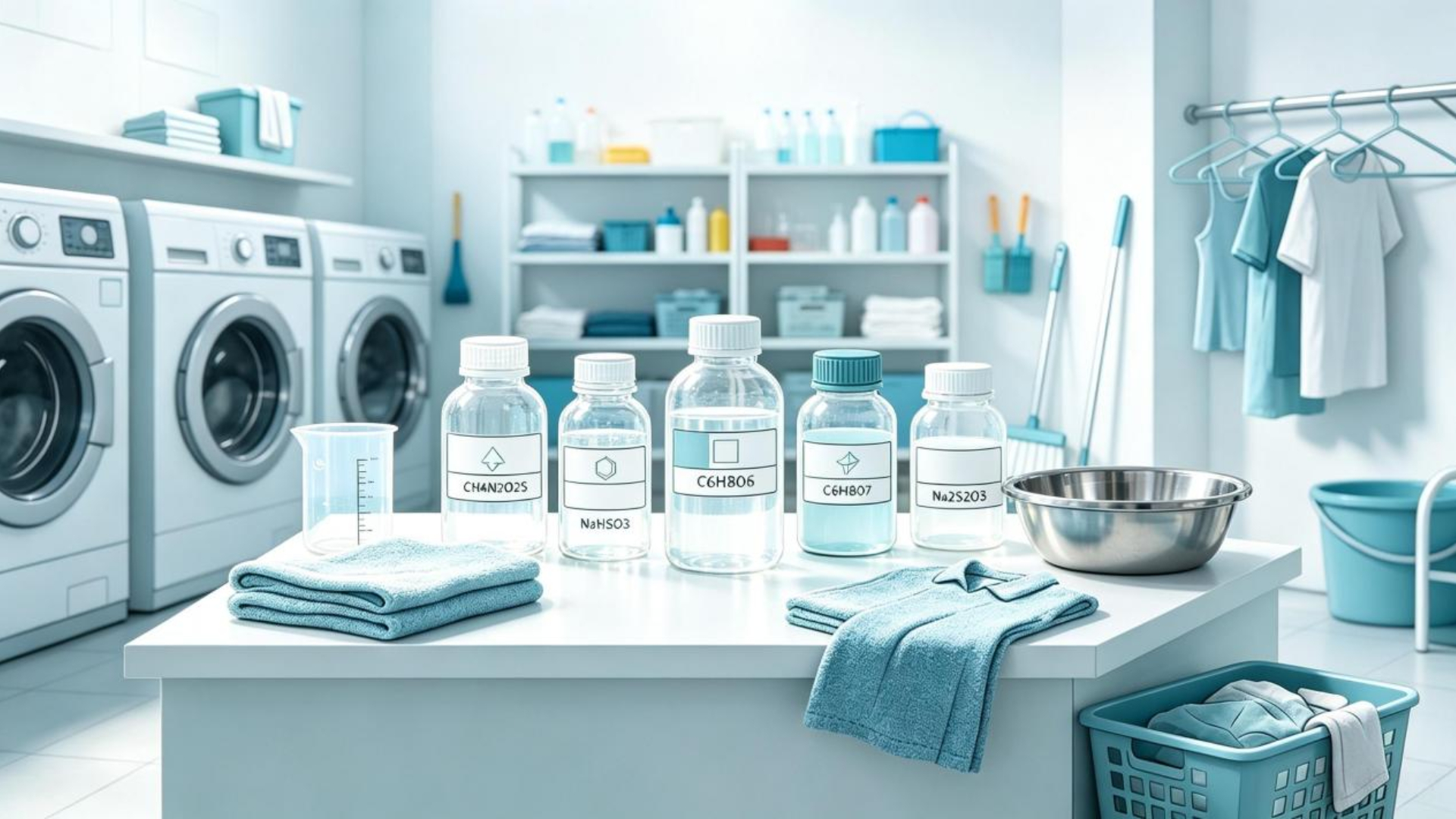
Five Key Reducing Agents
| Name | Core Functions | Applicable Strength |
| Thiourea dioxide | Powerful reduction and yellowing removal | Strong |
| Sodium hydrogen sulfite | Gentle reduction and loose dye removal | Mild |
| Vitamin C (Ascorbic acid) | Antioxidant protection and anti-yellowing performance | Moderate |
| Citric acid | pH adjustment, color fixing, and brightening | Supportive |
| Sodium thiosulfate | Quick chlorine and iodine neutralization | Specialized |
Four Applications
● Yellowing removal & dye transfer control for cotton and linen
Cotton and linen are washable. However, white cotton and linen garments, bedding, and uniforms easily develop issues, such as oxidative yellowing, dye transfer, and residual loose dyes. Choose reducing agents based on the stain severity. Improper washing and long storage easily causes yellow stains or dye staining. It is necessary to use graded methods.
- Severe yellow stains & large-area dye transfer
Use thiourea dioxide. Set a 60-80℃ high-temperature program on the Kingstar washer. Reducing agent performance can be fully activated by the equipment’s precise temperature control and strong water circulation.
Note: Thiourea dioxide is not suitable for silk and wool.
- Mild loose dyes & yellowing
Choose sodium hydrogen sulfite. Soak garments in 40-50℃ water for 20 minutes. Sodium hydrogen sulfite is suitable for bulk processing. It is friendly to fabrics.
- Dull appearance after oxygen bleaching
Choose vitamin C and citric acid. Vitamin C reduces oxidation-related discoloration. At the same time, citric acid adjusts the pH to weak acidity. They can restore fabric brightness. Kingstar washer supports multiple detergent addition programs, allowing for staged addition.
● Color protection & anti-yellowing for delicate fabrics
High-end delicate fabrics such as silk, wool, nylon, and spandex are fragile. They cannot withstand strong reducing agents. So they have a very low tolerance for improper treatment. These fabrics are difficult for laundry shops to wash and care for.
- Yellowing caused by oxygen bleaching
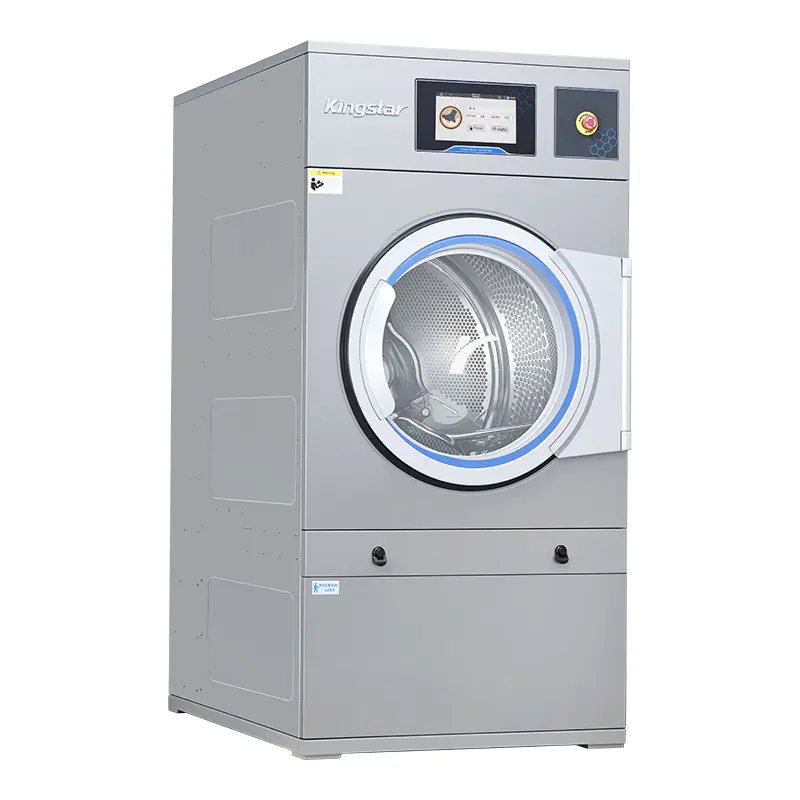
Mainly use vitamin C, with citric acid as an aid to fix the dye. Vitamin C helps inhibit oxidation reactions. Citric acid maintains fiber stability. It is recommended to choose the Kingstar dryer low-temperature gentle drying mode. This can prevent secondary yellowing due to high temperature.
- Stained with iodine & chlorine water
Promptly neutralize with sodium thiosulfate. Soak garments in the solution (5 g/L) for 10 minutes at normal temperature. Reddish brown iodine or residual chlorine water can be quickly removed.
Note: Do not use thiourea dioxide. Its strong reducing performance can damage protein fibers. This may cause silk and wool brittleness and dissolution.
● Graying, soap scum & water marks after cleaning
After cleaning, strong reducing agents are not required for common issues (graying, soap scum, and water marks). Citric acid can be used for almost all applications. For example, alkaline residues can be neutralized. Mineral deposits and soap scum can be broken down. It helps handle fabric graying and residual water marks.
- Brightening & color fixing
Rinse and neutralize with citric acid. Add an appropriate amount of citric acid to the last rinse water. This effectively reduces alkaline residues and soap scums. Fabric softness and color brightness can also be restored.
- Alkali yellowing on colored garments prevention
Add a small amount of citric acid at the last rinse cycle. Adjust the pH to 6.5-7.0 to make the dye stable.
● Neutralization after chlorine bleaching & medical iodine stain removal
Textiles such as hotel linens, healthcare fabrics, and uniforms often require chlorine bleaching. This easily causes chlorine residues and iodine stains and further oxidative yellowing.
- Iodine
Sodium thiosulfate is a special neutralizer. When coming into contact with iodine, it promptly removes stains, leaving no residual marks.
- Oxidative yellowing prevention
After chlorine bleaching, garments may not be neutralized thoroughly. During the storage process, residual chlorine oxidizes fibers to cause further yellowing. Sodium thiosulfate can help remove the residual chlorine.
- Severe yellow stains on white garments after chlorine bleaching
Use sodium thiosulfate to neutralize the residual chlorine first. Then use thiourea dioxide for deep yellowing removal. The two-step treatment method delivers remarkable effects.
Conclusion
Kingstar advocates “scientific washing and refined care”. With smart equipment and standardized chemical management, global laundry shops can reduce their rewash rate and improve customer loyalty. Whether small community laundry shops or large linen laundry centers, Kingstar can provide customized solutions.
Q&A
Q1: Can reducing agents be used together with bleaching agents?
A1: No. Bleaching agents (hydrogen peroxide and sodium hypochlorite) have oxidation functions. Mixing them causes a strong chemical reaction. This process releases toxic gases. It also make agents lose their effectiveness. During the process, fabrics should be thoroughly rinsed.
Q2: Can silk/wool yellowing be removed by thiourea dioxide?
A2: No. Thiourea dioxide damages protein fibers to cause silk/wool brittleness and shrinkage. It is recommended to use vitamin C and citric acid, which are mild and safe. Severe yellowing should be handled by professional treatment.
Q3: How to do emergency treatment for garments contaminated by disinfectants?
A3: Rinse garments with clean water in time. Then soak them in sodium thiosulfate solution (5 g/L) for 10-15 minutes. This helps neutralize residual chlorine to prevent oxidative yellowing. At last, carry out regular washing.
ADD:No.388 Xinggang Road, Chongchuan District, Nantong City, 226000, Jiangsu Province, China.
-
Phone: +86-13917089379
-
Tel:+86-13917089379
-
Fax:+86-0513-85663366
-
E-mail:louislu@kingstarlaundry.com