英语
英语 俄语
俄语 西班牙语
西班牙语 德语
德语
Home / News / Industry News / First Half of 2026: A Chinese Laundry Shop Achieved 33.4% Revenue Growth

Kingstar is your trusted partner for industrial and commercial laundry equipment. We specialized in the R&D and manufacturing of high-end industrial washers, commercial washers and dryers. Meanwhile, we provide global clients with comprehensive planning, layout workflow design, and software-hardware integration services for smart laundry plants.
Industry News
Aug 06,2026
First Half of 2026: A Chinese Laundry Shop Achieved 33.4% Revenue Growth
With global economic pressure, the digital transformation wave in lifestyle services has arrived. The offline laundry industry worldwide is undergoing an unprecedented reshuffle. Low-price promotions squeeze profit margins of traditional laundry shops. From Europe and the United States to Asia, most small laundry shops fail to withstand cost and customer traffic pressure. They are forced to shut down or transfer ownership. Many laundry entrepreneurs fall into a dilemma. With online low-price competition as well as rising rent and labor costs, how can offline laundry shops break through?
Survival Crisis
Over the past few years, online laundry platforms have quickly gained market share through low-price strategies. However, this model creates a vicious cycle. Customers are attracted only by low prices without brand loyalty. Small shops are forced to follow this trend, which causes shrinking gross margins. Cost fluctuations directly result in revenue loss. Some laundry operators cut corners to survive, which results in declining laundry care quality. This further causes the loss of repeat customers.
More importantly, most traditional laundry shops provide limited services. They only depend on basic dry cleaning and washing services. During the economic downturn period, customers prefer to reduce this non-essential spending. So shop revenue is cut nearly in half. From 2025 to 2026, the wave of closures among small laundry shops worldwide continues to spread. The whole industry is pessimistic.
New Opportunities
The drawbacks of online low-price laundry platforms are becoming increasingly noticeable. Assembly-line processing causes a lot of issues, such as rough sorting, improper care for luxury garments and high-end fabrics, and difficulties in after-sales support. After some bad experiences, more and more customers realize that only professional offline stores can provide safe and delicate care services for precious wool coats, genuine leather jackets, and silk dresses.
As the surrounding inferior laundry shops close, market gaps are emerging. A large number of customers who pursue high-quality care services start to choose professional laundry shops. This is not the end of the industry, but a phase-out period of the extensive business model. Natural advantages of offline stores, such as quality service, in-store experience, and effective membership management, are being reactivated.

Case Study
Xi Fulai Jiang Xue Road Flagship Store, a laundry shop in China, fell into a dilemma: a 12.6% decline in revenue. However, it promptly changed its strategy. In the first half of 2026, it achieved a remarkable growth — a 33.4% year-on-year growth in revenue. Its replicable strategy provides inspiration for global laundry shops.
● Online customer acquisition
This laundry shop replaces blind price competition with tiered group-buying packages. For example, it provides basic laundry services as a customer acquisition strategy. At the same time, it offers high-priced packages, such as premium garment cleaning and leather care services. All online orders require in-store redemption. This converts online traffic to a private customer base. Therefore, the laundry shop avoids platform commission fees through customer engagement channels.
● Value-added laundry services
This laundry shop focuses on delicate laundry care services, including wool coats, luxury bags, and high-end home textiles. This helps it establish the brand identity of a “professional laundry care expert”. The end-to-end process, such as stain removal, restoration, and leather maintenance, can be shown offline. So customers can understand the quality difference between premium services and mass-market services. This significantly increases the conversion rate of high-end care services. Basic promotions can attract customers, while delicate services generate core profits. Therefore, customer traffic and profit margins can be well balanced.
● Laundry product retail
Traditional laundry shops have a long consumption cycle. However, this laundry shop provides innovative services. It sells professional laundry products, such as garment care detergents, disinfectants, and luxury-item cleaning products. Relying on in-store membership services, it provides experience-based products and membership discounts. This helps transform low-frequency laundry services into high-frequency laundry product retail. Therefore, the laundry shop develops a new revenue channel, which is stable and requires low costs.
● Cross-industry wellness integration
This is a core strategy. The laundry industry has low entry barriers. The laundry shop explores the deep needs of members rather than being limited to a traditional laundry model. It renovates a 140-square-meter space to create a distinctive Tibetan-style wellness center. This achieves a dual-industry integration model of laundry and wellness. Laundry members can enjoy cost-effective wellness packages. High-end laundry customers can access differentiated Tibetan-style wellness services. Laundry traffic continuously brings customers to the wellness center. Wellness services also enhance customer loyalty. This doubles revenue per square meter. So the laundry shop breaks away from the single profitability model.
Conclusion
Kingstar is a professional manufacturer specializing in commercial and industrial washing machines. It is committed to providing efficient, durable, and smart washers and dryers for laundry shops worldwide. Kingstar looks forward to working with partners to explore diverse operation models. Therefore, laundry shops can address industry challenges, welcoming a more prosperous future.
Q&A
Q1: Can Kingstar equipment support small laundry shops?
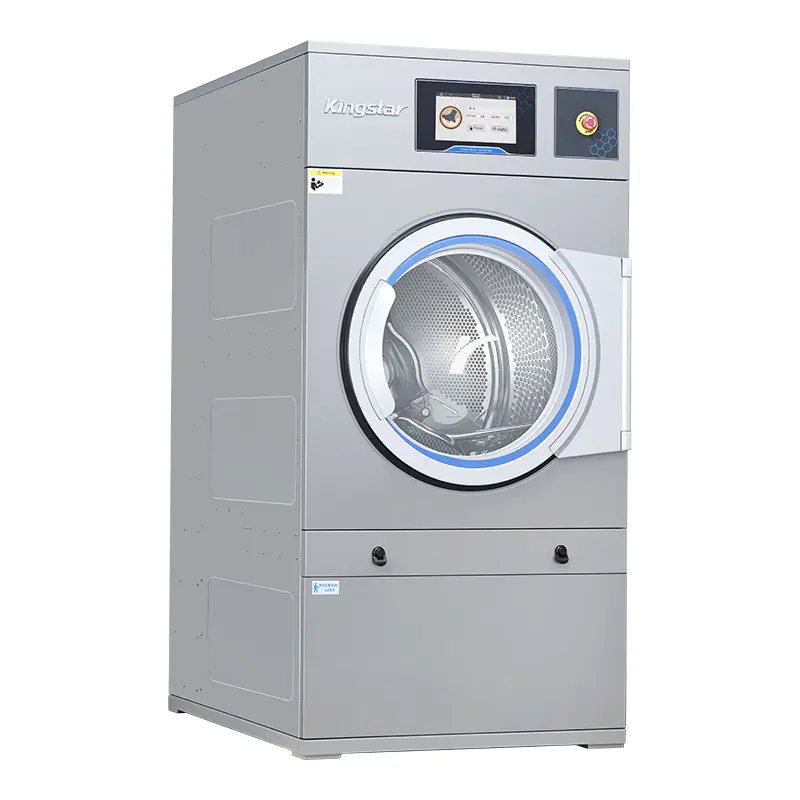
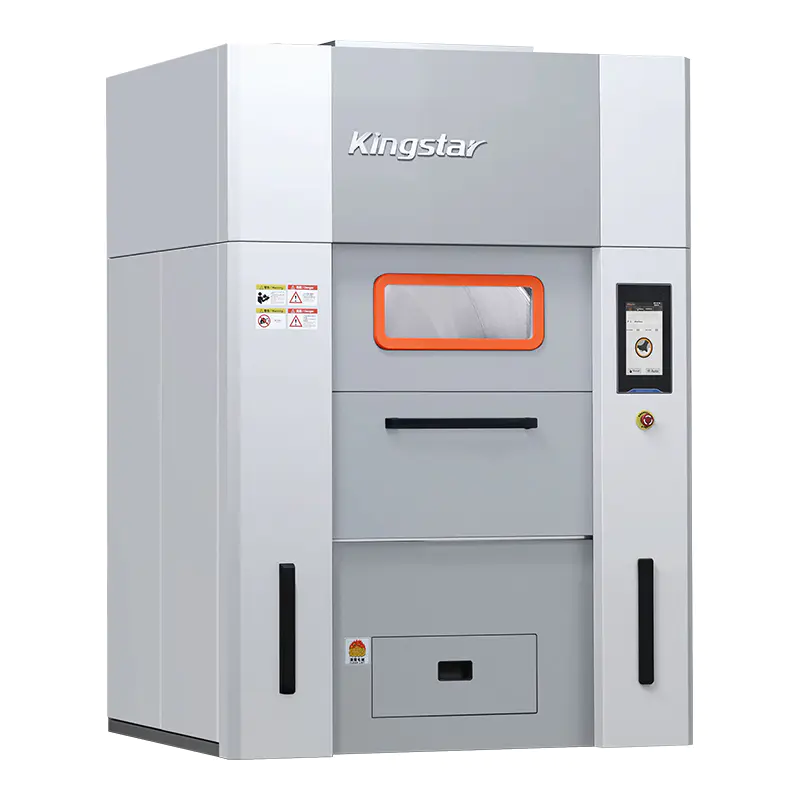
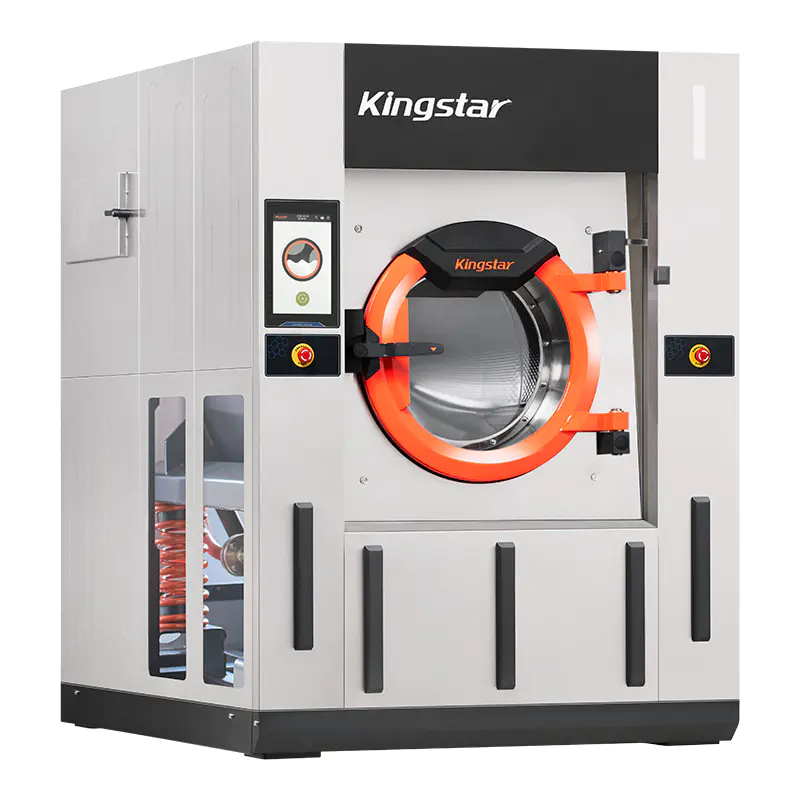
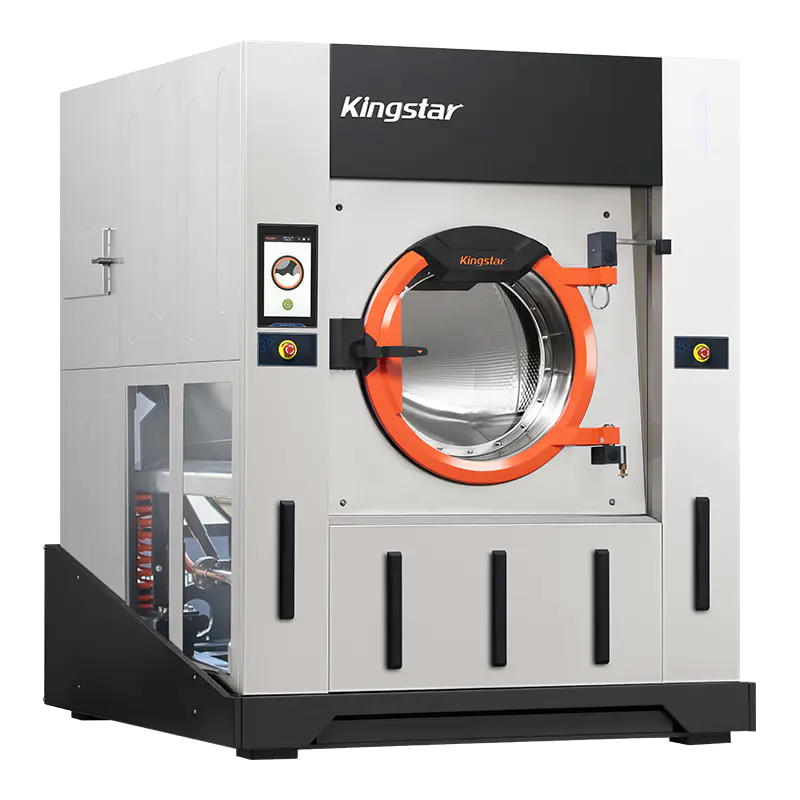
A1: Yes. Kingstar provides different commercial washers and dryers. They can be used in shops, which plans to expand their premium cleaning services. These machines use precise temperature control. They also support many programs. Delicate fabrics (such as wool and silk) can be protected. Kingstar equipment is known for its efficiency and energy savings. It is effective in reducing operating costs to handle market changes.
Q2: Does the “laundry + wellness” model have any special requirements for the equipment?
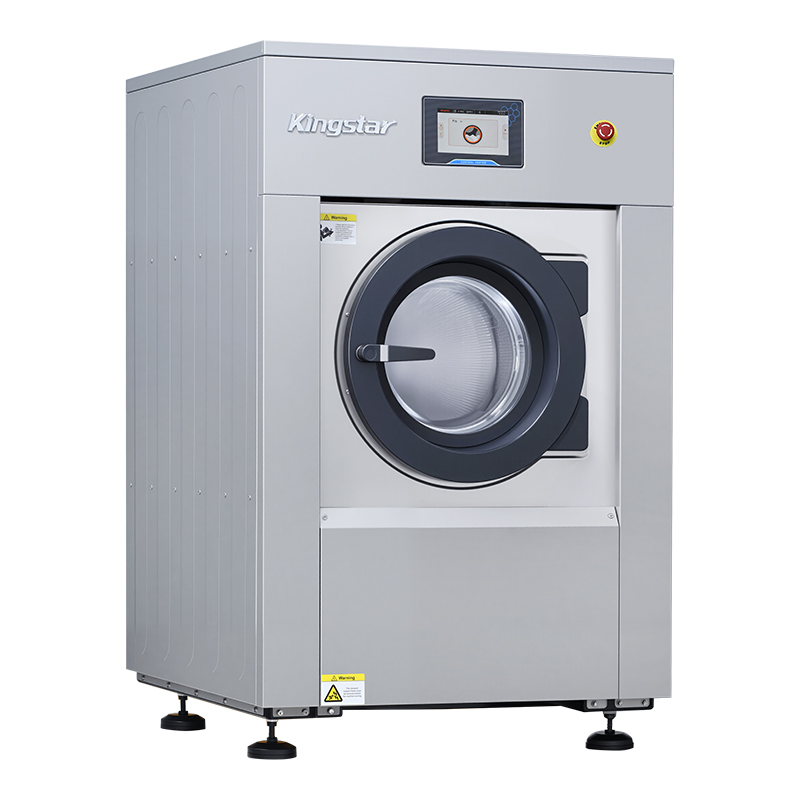
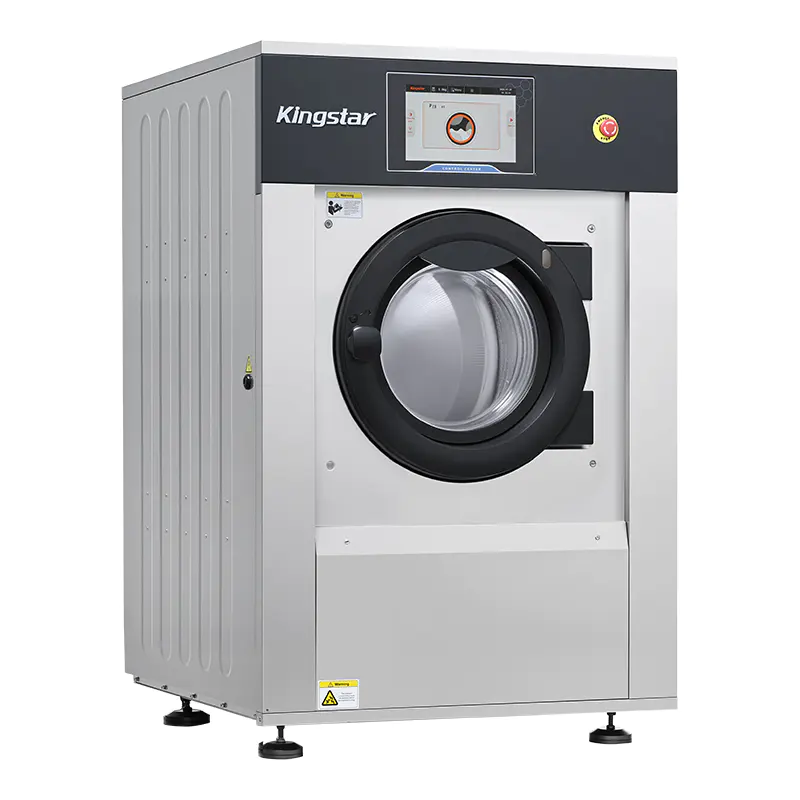
A2: The key to this model lies in improving space utilization and service diversity. Kingstar equipment uses compact design and modular configuration. This improves space utilization. For example, the automatic washer extractor requires minimal space. It can quickly process linen and customer garments. This helps save space for providing other value-added services.
Q3: For online low-price competition, how can a laundry shop build its core competitiveness with equipment advantages?
A3: Low-price competition cannot last. Quality and service are the foundation. Kingstar equipment has excellent cleaning efficiency and extraction performance. Combined with advanced drying systems, it delivers professional care results for each garment. Kingstar equipment can meet the laundry care standards that far exceed assembly-line processing.
ADD:No.388 Xinggang Road, Chongchuan District, Nantong City, 226000, Jiangsu Province, China.
-
Phone: +86-13917089379
-
Tel:+86-13917089379
-
Fax:+86-0513-85663366
-
E-mail:louislu@kingstarlaundry.com
products