英语
英语 俄语
俄语 西班牙语
西班牙语 德语
德语
Core Technologies and Precautions for Dry Cleaning and Water Washing
Clothes cleaning is divided into dry cleaning and water washing. The washing methods of different fabrics, styles, and stains have many differences. Standard operations ensure good washing quality and avoid damage, color fading, and deformation. This directly affects the washing quality and the reputation of the store. This article will systematically introduce the core technologies and precautions for dry cleaning and water washing.
Water Washing Technologies and Core Precautions
Water washing uses water as the medium. With detergent, it is suitable for most daily clothes, especially for water-soluble dirt. However, it has higher requirements for clothes made of delicate and easily deformed fabrics.
● Machine washing and hand washing
Clothes suitable for hand washing:
- Knitwear. (cashmere)
- Clothes with special decorations. (sequins, beads, chains, fur trims, metal wires...)
- Delicate fabrics. (silk)
- Coated, printed, or flocked clothes.
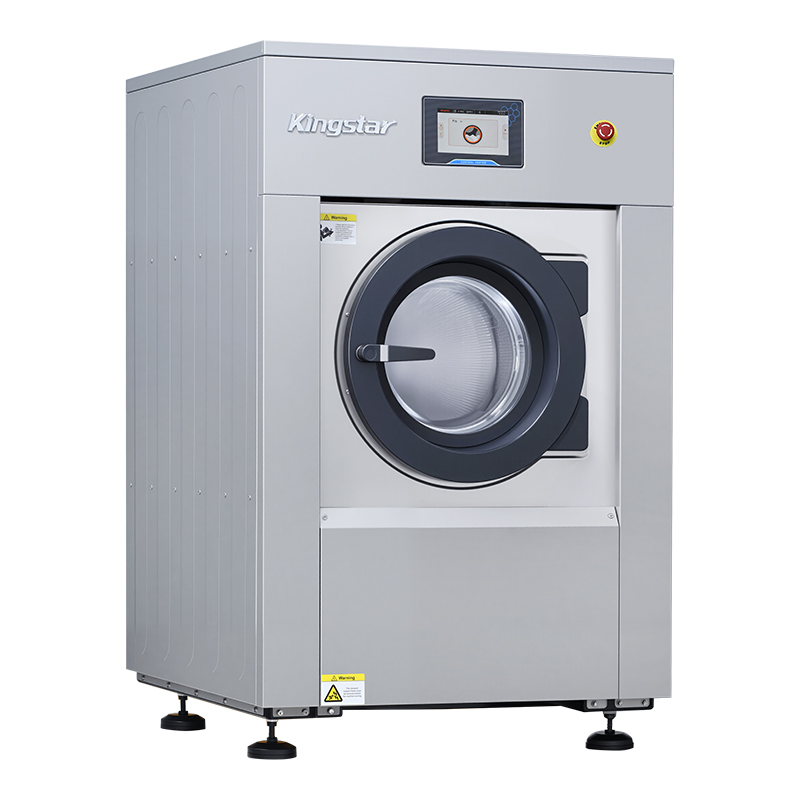
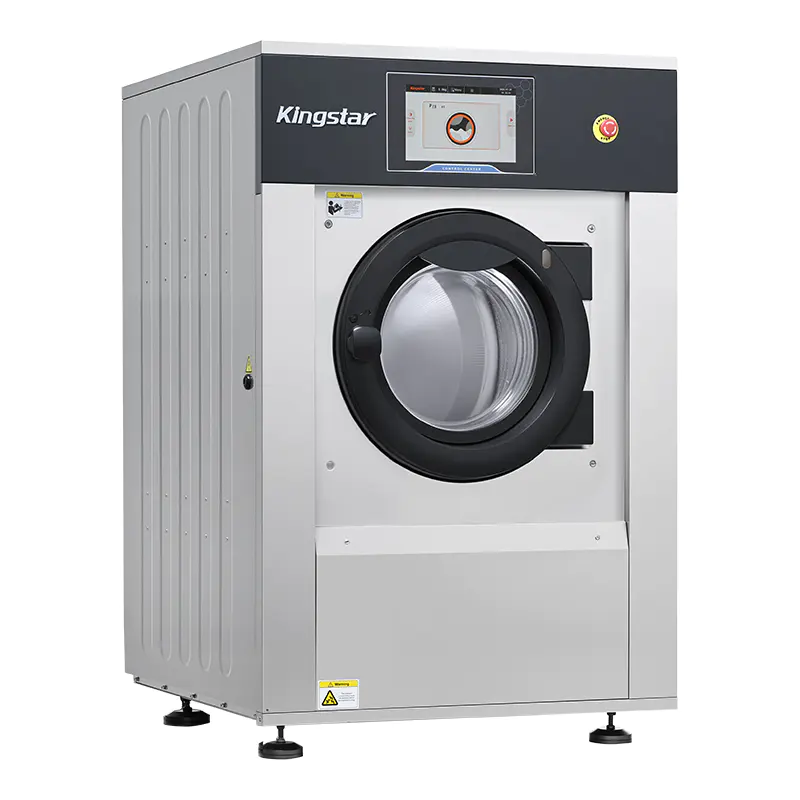
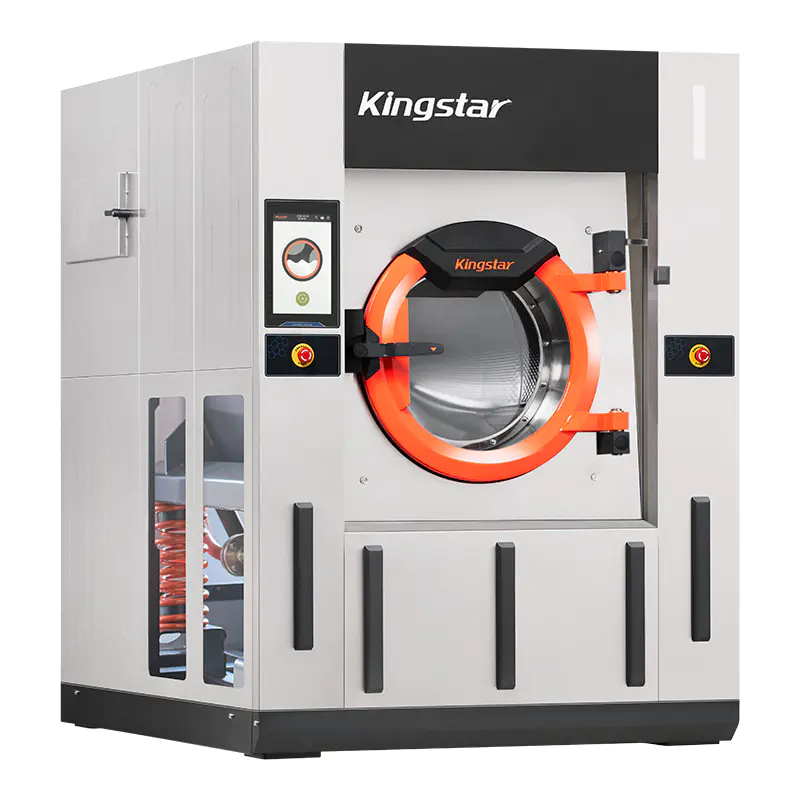
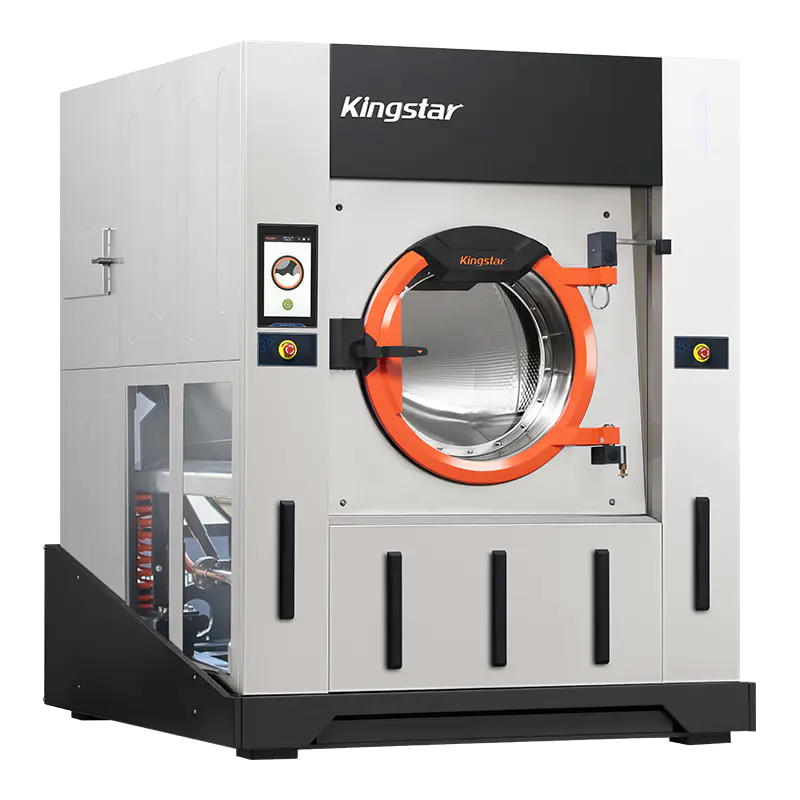
Such clothes should be gently washed by hand to reduce damage. Also, a wet cleaning machine can be used. Kingstar wet cleaning machine can save 79 washing programs, and can provide targeted washing parameters according to different delicate fabrics like wool, cashmere, and silk. It also provides gentle mechanical forces and washes all kinds of clothes in a batch. It can effectively reduce inefficiency and improve the working efficiency of the laundry shops.
● Right selection of the detergents
- Silk, wool, and other protein fibers
Neutral detergents avoid alkaline damage, stiffness, luster loss, and color fading.
- Cotton, linen, chemical fibers
They have good alkali resistance. Also, alkaline detergents can be used for stronger stain removal.
The Kingstar wet cleaning machine can connect to an automatic chemical dispenser. Once chemicals are selected in the program, they are added automatically during washing to avoid manual errors. Professional wet cleaning chemicals also provide fiber protection.
People only need to select the corresponding chemical in the program in advance. During the washing process, the chemical material will be automatically added. This helps avoid mistakes caused by manual operation, and professional wet cleaning chemicals can protect fibers.
● Color sorting
Before water washing, clothes must be strictly sorted by color. White, light, and dark items must be washed separately to prevent irreversible staining and color transfer.
● Drying methods
Easily deformed clothes such as knits, cashmere, and silk must not be hung directly on hangers to dry. They should be laid flat to drain to prevent stretching, deformation, and loss of shape.
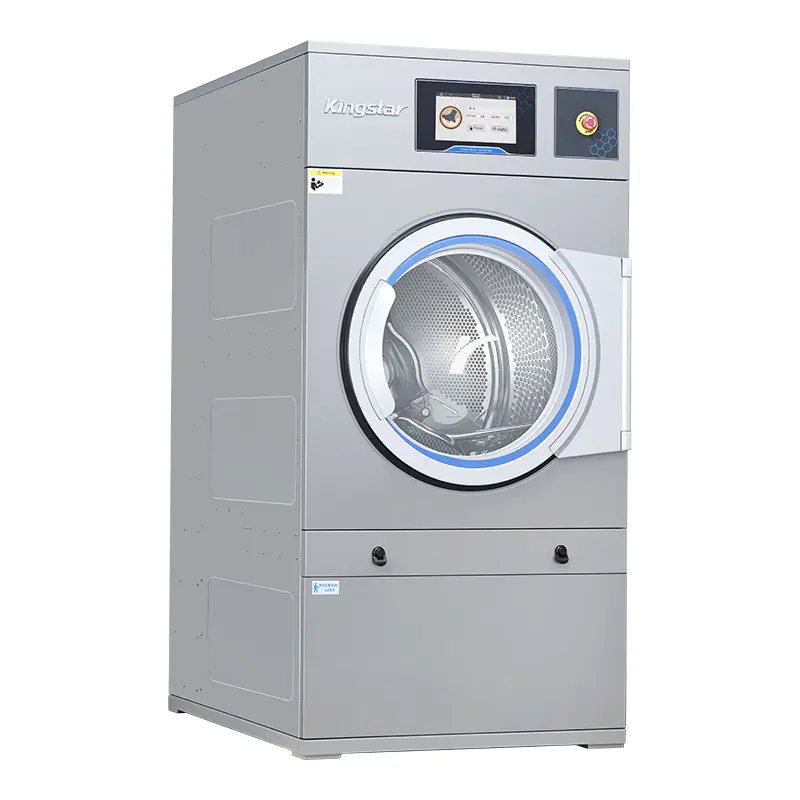
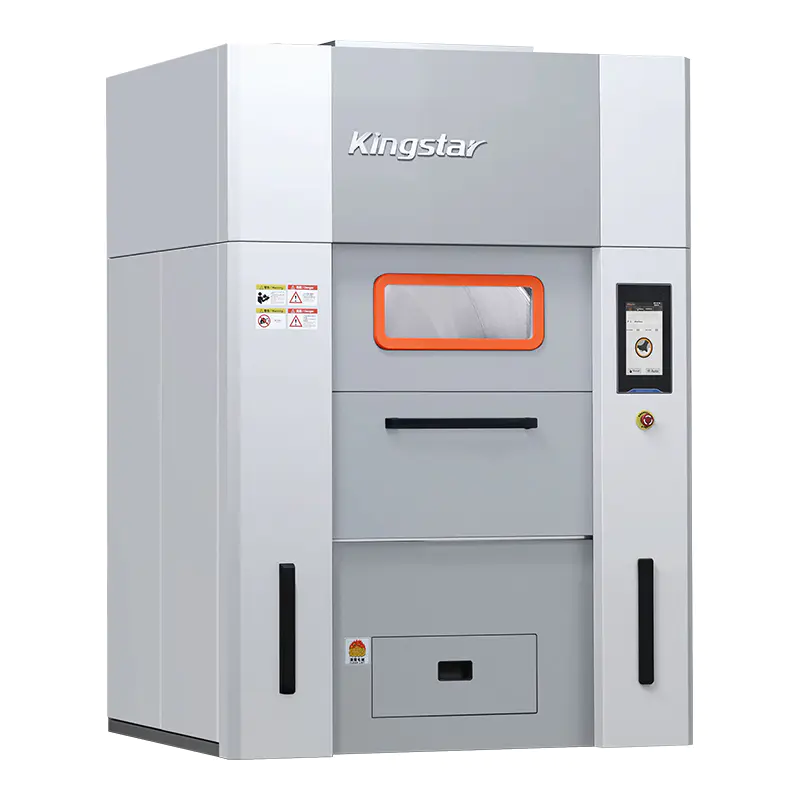
Also, Kingstar Intelligent Dryer can be used for low-temperature drying. Its moisture control technology accurately manages drying levels, and clothes after drying are bright and soft.
Dry Cleaning Technologies and Key Precautions
Dry cleaning uses organic solvents. It has a good cleaning effect on oil dirt. But it has limitations on some fabrics, decorations, and stains. Strict evaluation and pre-treatment are needed before the operation.
● Some clothes shouldn’t be dry-cleaned.
- Coated chemical fiber clothes
High temperatures and organic solvents damage coatings, so dry cleaning is strictly prohibited.
- Electrostatic flocked clothes
Its layers have weak adhesion and may shed, expose the base fabric, or lose texture after dry cleaning. Cautious dry cleaning or water washing is recommended.
- Faux leather clothes
Dry cleaning solvents and temperature cause stiffening, cracking, and fading. Dry cleaning is generally prohibited.
- Down clothes
Dry cleaning degreases and clumps down. This reduces fluffiness and warmth retention. Professional water washing is recommended.
- Clothes with beads and sequins
Beads, rhinestones, and special buttons may fall off, melt, deform, or fade during dry cleaning. They should be removed in advance.
- Plaid or striped clothes with poor color fastness or obvious color differences
Color bleeding, transfer, and staining easily occur during dry cleaning, making it unsuitable.
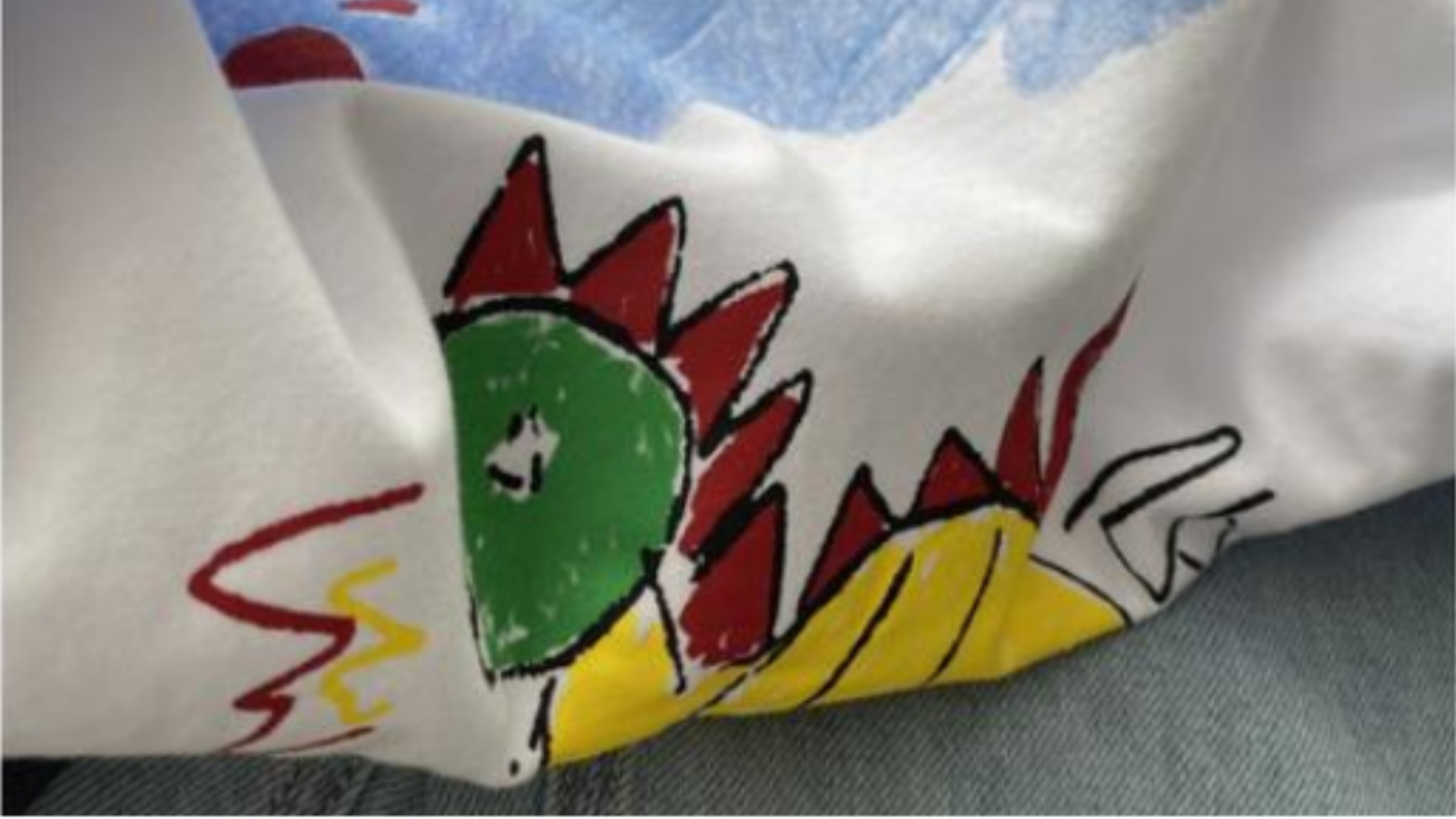
- Printed clothes
Printed layers are not resistant to dry cleaning solvents and may dissolve, fade, or blur. Direct dry cleaning is prohibited.
All the above clothes can be safely washed in a Kingstar Wet Cleaning Machine. It supports customized parameters for various fabric treatments. Since wet cleaning uses water as the medium, it does not damage coatings, flocking, or sequins. Also, professional chemicals protect fabrics.
● Decoration inspection and removal before dry cleaning
Before dry cleaning, clothes should be strictly checked.
- Check pockets to remove coins, pens, blades, tissues, and other debris.
- Detachable labels, chest badges, and arm patches that may scratch fabric should be removed and stored properly.
- Plastic and fabric-covered buttons may dissolve in dry-cleaning solvent. People should remove them if a small test on the back shows stickiness or softness.
- Acrylic, beaded, coated, painted, and irregular buttons must be removed.
- Combined plastic-metal buttons may lose their plastic layer during dry cleaning and must be removed.
● Necessity of pre-stain removal before dry cleaning
Dry cleaning has limited effectiveness on water-soluble stains such as mud, rice, soy milk, dairy, and body secretions. They are hard to clean by dry cleaning alone.
- Special stains (blood, ballpoint ink, lipstick, paste, coffee, tea, red wine, fruit juice, ketchup, glue, ink, plaster...) will set and oxidize when heated during drying if untreated. This greatly increases removal difficulty or causes marks forever.
Therefore, water-soluble and special stains must receive targeted pre-treatment before dry cleaning.
Except for clothes that must be dry-cleaned, we recommend water washing. The Kingstar wet cleaning machine supports fabric-specific programs to effectively remove water-soluble stains. Also, professional chemicals protect color.
● Clothes sorting principles before dry cleaning
Reasonable sorting is the basis of dry cleaning quality. There are five dimensions.
- Color
White, light, brown, and dark clothes should be separate. Color-bleeding items should be treated separately.
- Thickness
Washing and drying time and temperature should be adjusted.
- Soil level
Heavily soiled items need more time and detergent. The relatively clean clothes need less time, save costs, and protect fabrics.
- Fabric
Use matching detergents and processes for woolen, worsted, chemical fiber, and cashmere items.
- Special requirements
control temperature, time, concentration, mechanical action, and pH value based on fabric properties to avoid over-washing damage.
Conclusion
Dry cleaning and water washing are used in different scenarios. Their technical key points and precautions each have their own emphases.
Dry cleaning is for oil-based stains. It requires strict prohibition checks, decoration removal, pre-stain treatment, and standardized sorting. Water washing targets water-soluble stains and emphasizes machine/hand washing distinction, proper detergent selection, color sorting, and appropriate drying.
Only by choosing reasonable laundry methods based on fabric, style, and stain type and strictly following operating specifications can laundering quality be improved, reworks and accidents reduced, and store professionalism and customer reputation improved.
Q&A
Q: Can I open a laundry without a dry cleaning machine?
A: Without a dry cleaning machine, some clothes may not be cleaned effectively, or they may need hand washing. Laundries can start with a versatile Kingstar Wet Cleaning Machine. After operating for some time and assessing local dry cleaning demand, laundries can decide whether to add a dry cleaning machine.
Q: Can printed, heat-set rhinestone, or sequined clothes be water-washed?
A: Generally, yes. Turn them inside out and use a dedicated program on the Kingstar Wet Cleaning Machine to reduce decoration wear.
Q: Will prints, rhinestones, or sequins fall off during drying?
A: Low-temperature inside-out drying is recommended. The Kingstar Intelligent Dryer supports fabric-specific drying parameters for improved safety. If decorations are already damaged, laundries should inform customers of the risks in advance.
ADD:No.388 Xinggang Road, Chongchuan District, Nantong City, 226000, Jiangsu Province, China.
-
Phone: +86-13917089379
-
Tel:+86-13917089379
-
Fax:+86-0513-85663366
-
E-mail:louislu@kingstarlaundry.com