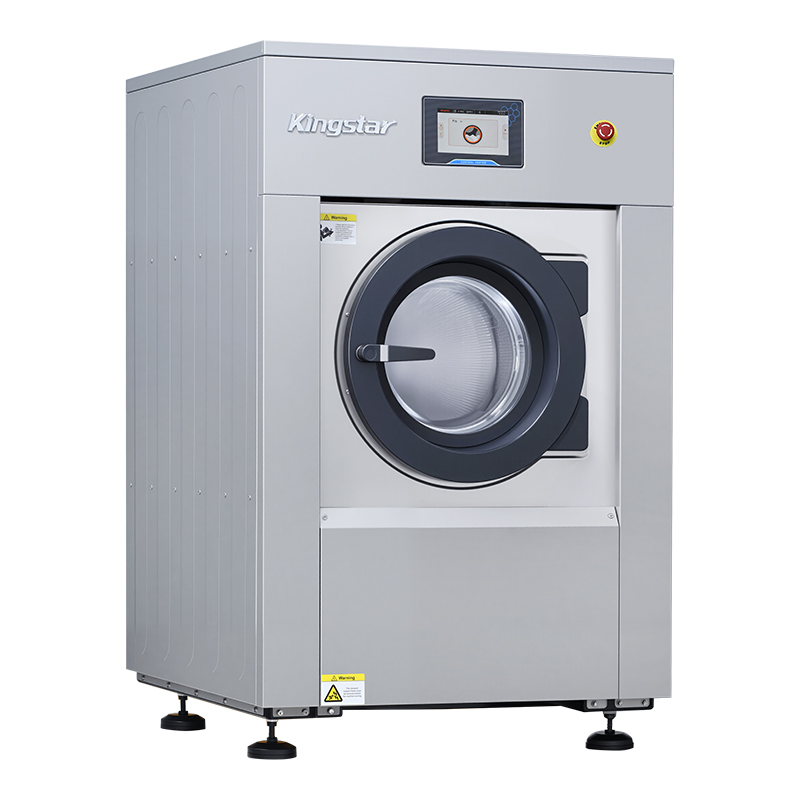
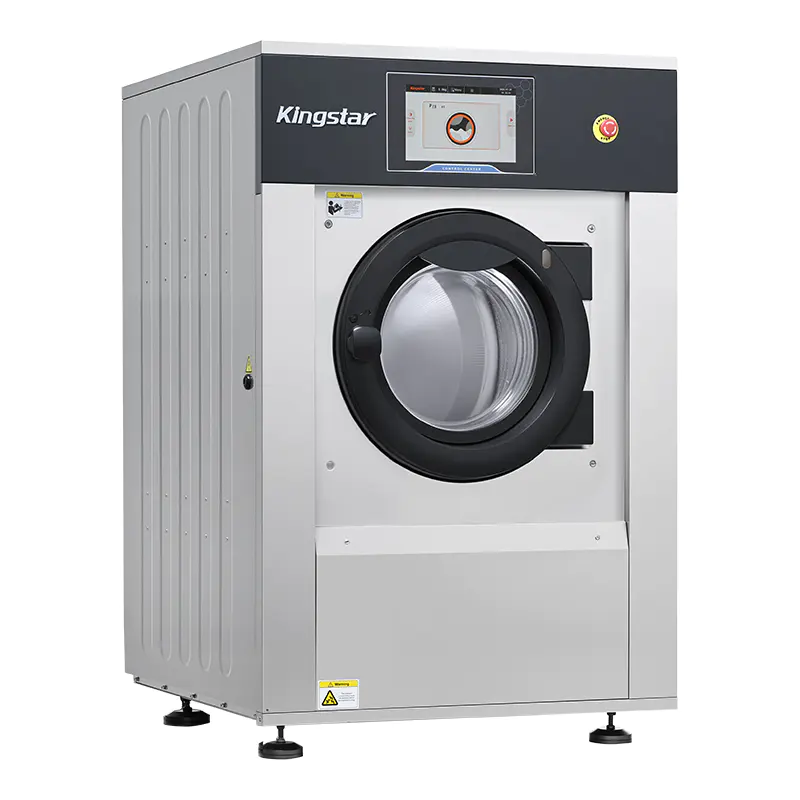
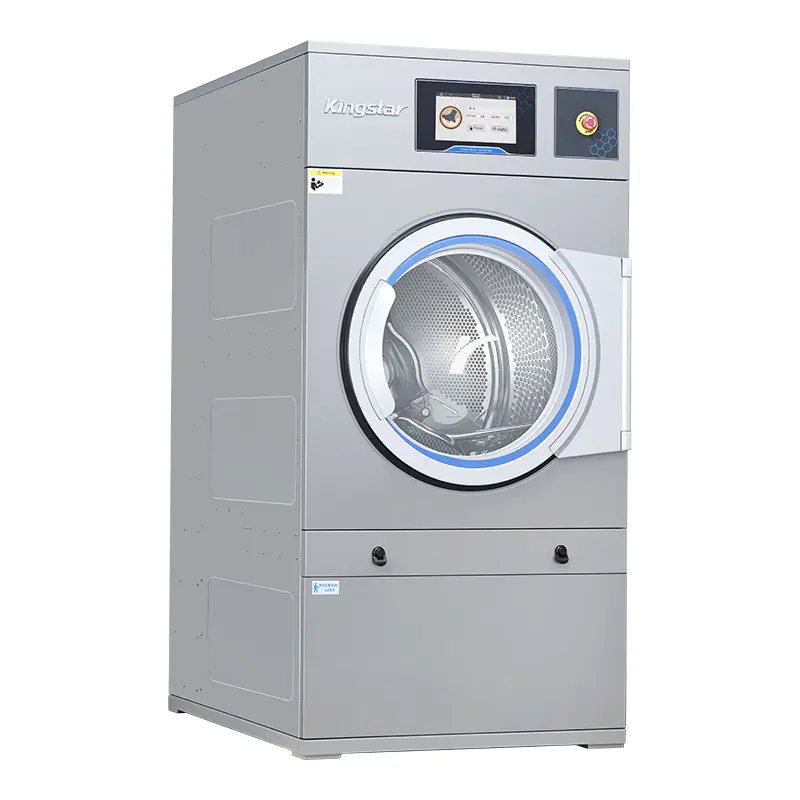
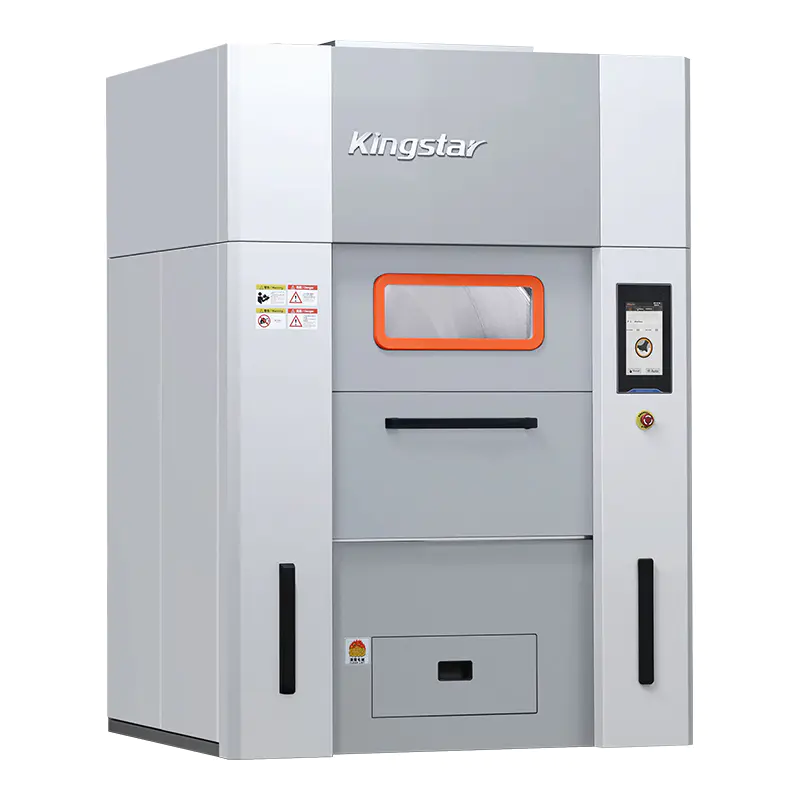
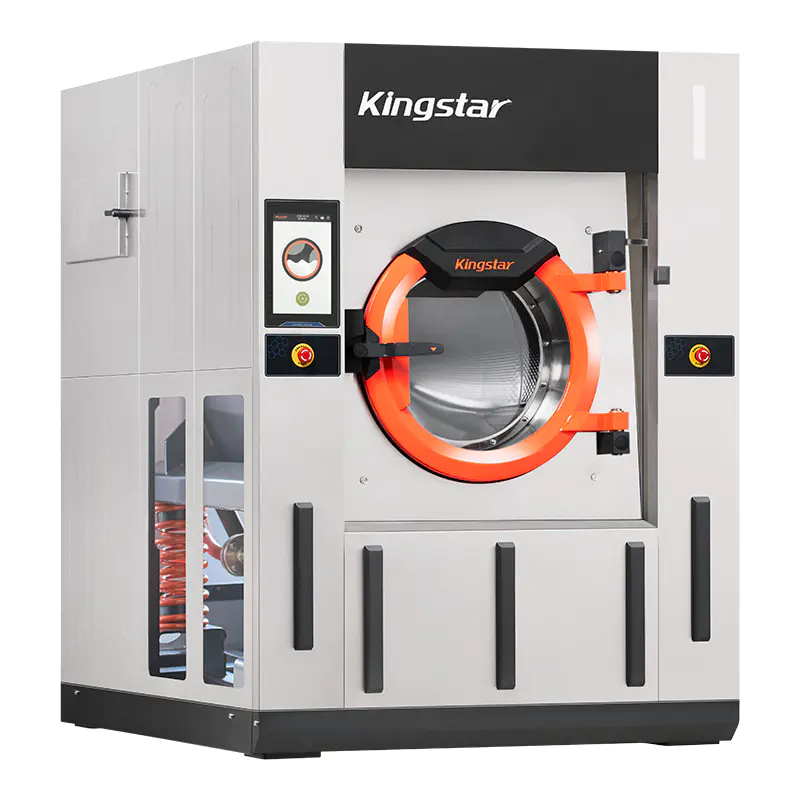
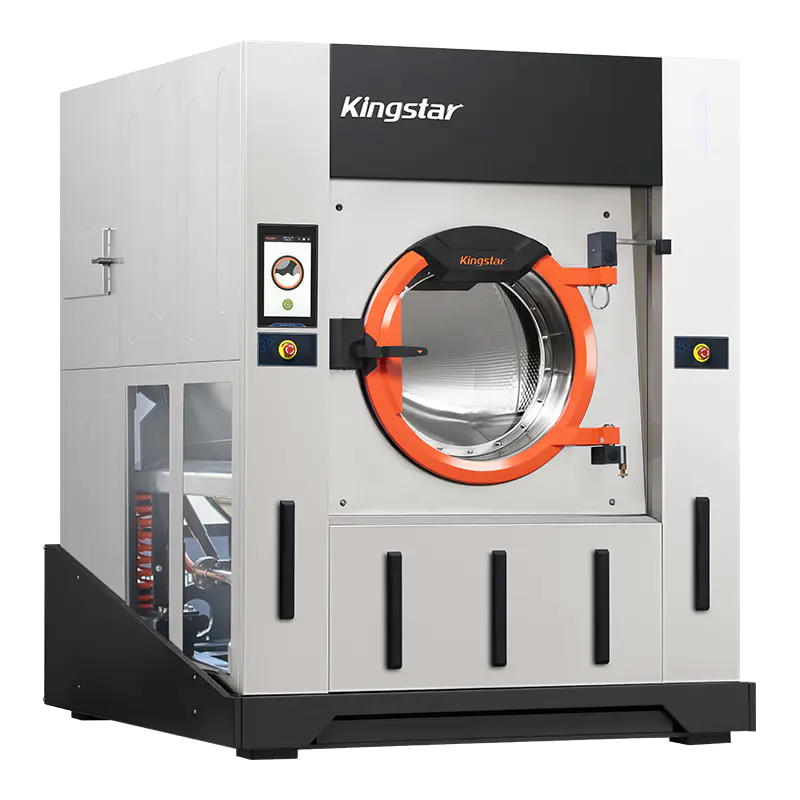
Industrial washing machines are designed for high-capacity laundry operations in commercial laundries, hospitals, hotels, and manufacturing facilities. Due to the heavy loads and frequent cycles, these machines are built with robust mechanical and electronic systems. Ensuring operational safety and preventing damage from overload or imbalance is essential. Modern machines often incorporate protective devices that monitor load conditions and activate safety mechanisms to maintain smooth and secure operation.
Overload protection devices are implemented to prevent damage to the motor, drive system, drum, and other mechanical components. These systems monitor the torque or current drawn by the motor, comparing it to preset limits. When the load exceeds these limits, the protection system may reduce the motor speed, stop the operation, or trigger an alarm. This helps avoid excessive strain on bearings, belts, and the drum structure. Proper overload protection ensures that even during peak usage, the machine operates within safe parameters.
Imbalance detection systems monitor the distribution of laundry within the drum. Unevenly distributed loads during high-speed spinning can create vibrations, increased wear, and potential structural damage. Sensors measure vibrations, drum speed, or tilt, and if an imbalance is detected, the machine can adjust the spin cycle, redistribute the load automatically, or pause operation until the imbalance is corrected. Such mechanisms protect both the mechanical integrity and the safety of the surrounding environment.
The motors in industrial washing machines are often equipped with thermal sensors, overload relays, or electronic protection modules. These devices detect excessive current draw or elevated temperatures, which may indicate overloading. In addition, variable frequency drives (VFDs) can provide soft-start capabilities and monitor torque, helping to prevent sudden stress on the system. By incorporating these safeguards, the machine maintains consistent operation while reducing the likelihood of motor burnout or mechanical failure.
Industrial washing machines are designed with suspension systems that help absorb vibrations caused by imbalance. Springs, dampers, and shock absorbers reduce the impact of uneven loads and maintain stability. When integrated with imbalance detection sensors, the machine can adjust spin speeds or redistribute the load, preventing excessive stress on the frame and floor mounts. These structural features complement electronic protections, ensuring comprehensive overload and imbalance management.
Modern industrial washing machines use programmable control systems to integrate overload and imbalance protection. These systems receive input from current sensors, vibration sensors, tilt sensors, and temperature sensors. The control unit can modify wash parameters, reduce drum speed, pause cycles, or activate alarms. The integration of hardware and software allows precise monitoring and proactive responses, reducing maintenance needs and improving operational reliability.
Machines often provide clear indicators on control panels to notify operators of overload or imbalance conditions. Visual alerts, alarms, or digital messages allow the user to take corrective action. Some models include automatic redistribution programs that attempt to correct the imbalance without intervention. This interface design enhances both safety and operational efficiency, minimizing interruptions and potential damage.
Overload and imbalance protection systems require regular inspection and maintenance. Sensors, wiring, and electronic modules should be checked for proper function, and mechanical components such as drum suspension and motor mounts should be inspected for wear. Routine maintenance ensures that protective devices respond accurately and that the machine continues to operate safely under heavy use. Documentation of maintenance schedules and sensor calibration is essential to ensure ongoing reliability.
The following table summarizes common overload and imbalance protection devices in industrial washing machines:
| Protection Device | Function | Sensor Type | Action upon Detection |
|---|---|---|---|
| Overload Relay | Prevents motor overcurrent | Current sensor | Stops or slows motor, triggers alarm |
| Imbalance Sensor | Detects uneven drum loads | Vibration or tilt sensor | Adjusts spin speed, redistributes load, pauses operation |
| Thermal Sensor | Monitors motor temperature | Thermistor or thermal switch | Shuts down motor, prevents overheating |
| Shock Absorbers | Reduces vibration impact | Mechanical spring/damper | Dampens movement, prevents structural stress |
| Control Unit | Integrates multiple sensor inputs | PLC or microcontroller | Modifies cycle, triggers alerts, controls safety actions |
The inclusion of overload and imbalance protection devices enhances safety, reduces mechanical wear, and minimizes downtime. Operators can run machines at near-maximum capacity without risking damage to motors, drums, or structural components. Additionally, integrated systems reduce the likelihood of spillage, vibration-related noise, and potential hazards to staff. These protective measures contribute to long-term operational efficiency and reliability.
ADD:No.388 Xinggang Road, Chongchuan District, Nantong City, 226000, Jiangsu Province, China.
Phone: +86-13917089379
Tel:+86-13917089379
Fax:+86-0513-85663366
E-mail:[email protected]
Cookies give you a personalized experience,Сookie files help us to enhance your experience using our website, simplify navigation, keep our website safe and assist in our marketing efforts. By clicking "Accept", you agree to the storing of cookies on your device for these purposes. Click "Adjust" to adjust your cookie preferences.For more information, review our Cookies Policy.