英语
英语 俄语
俄语 西班牙语
西班牙语 德语
德语
Home / News / Industry News / Double Stack Dryer Guide: Capacity, Cost, and Efficiency for Laundromats

Kingstar is your trusted partner for industrial and commercial laundry equipment. We specialized in the R&D and manufacturing of high-end industrial washers, commercial washers and dryers. Meanwhile, we provide global clients with comprehensive planning, layout workflow design, and software-hardware integration services for smart laundry plants.
Industry News
Sep 10,2026
Double Stack Dryer Guide: Capacity, Cost, and Efficiency for Laundromats
When you take over an existing laundromat, the first equipment decision usually involves the dryers. Old single-drum machines eat floor space, extend cycle times, and push customers into the waiting area at peak hours. Replacing them with double stack dryers is the most direct way to raise throughput without adding square footage. But a stack unit is not simply two drums bolted to a frame; the right specification depends on washer output, heat source, venting, and the loads you actually run.
What a Double Stack Dryer Changes in Your Floor Plan
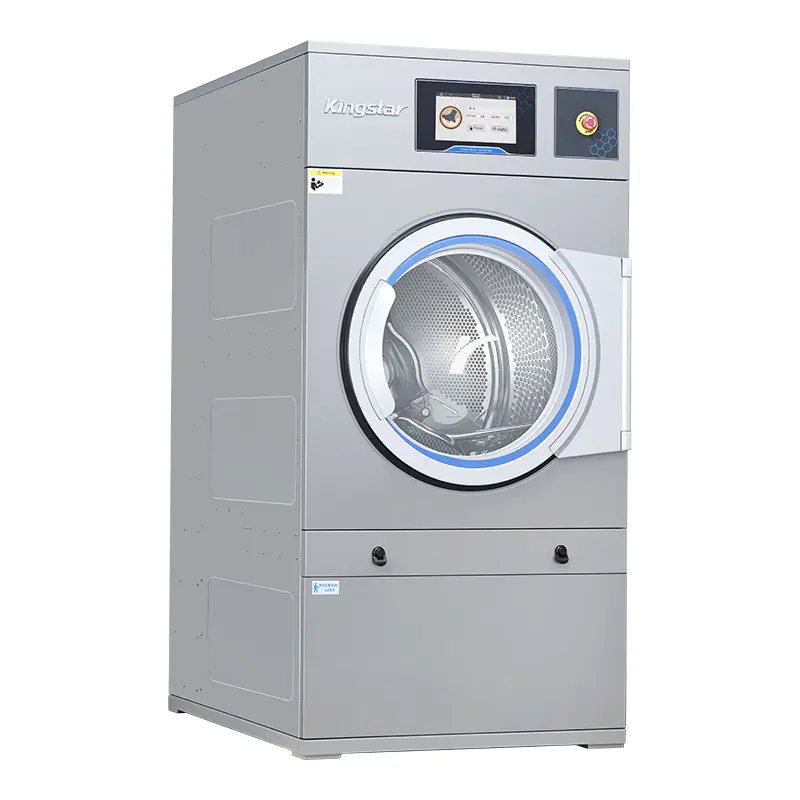
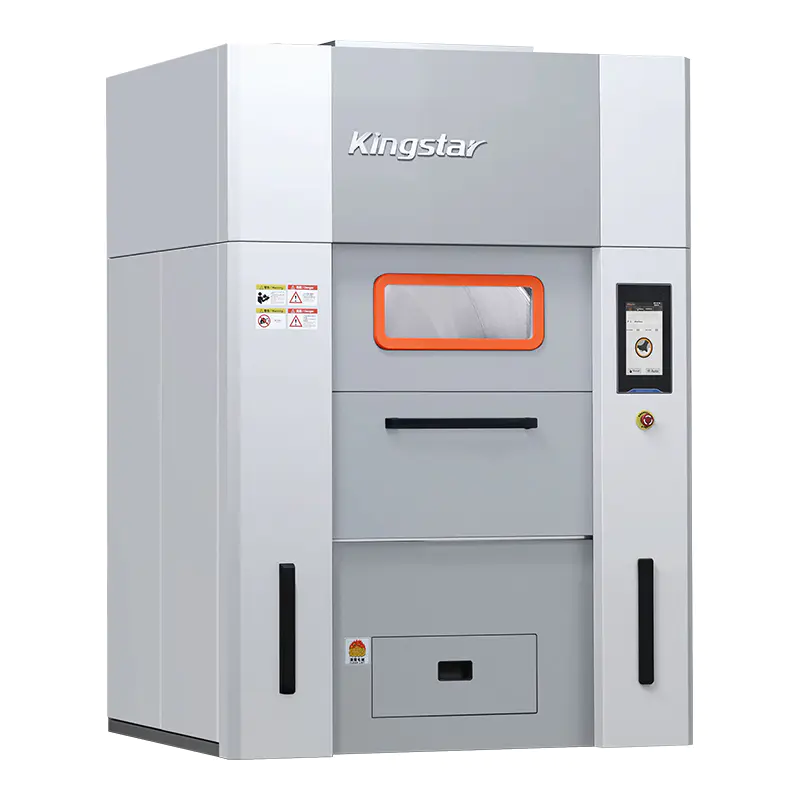
A double stack dryer places two independently controlled drying chambers in one vertical frame. Each drum has its own door, heating circuit, lint filter, and control panel, so two loads can process at the same time while the unit occupies roughly the footprint of a single dryer. The effect on a typical store is immediate: ten single dryers become twenty usable drums without moving a wall.
Stacked construction offers three practical advantages over side-by-side layouts:
- Higher revenue per square meter, because drying capacity is usually the bottleneck in self-service laundries;
- Lower renovation cost, because you avoid widening the drying room or adding a mezzanine;
- Simpler utility rough-in, because both drums share one frame and one electrical, gas, or steam connection point.
The operational advantages of an industrial double stack dryer over single-drum layouts are most visible when you compare cycle counts on the same floor plan.
Sizing a Double Stack Dryer to Your Washer Fleet
Start with washer output, not the number of dryers that looks right. A commercial washer extractor produces a load every 40 to 50 minutes, and a 15 kg stack dryer drum finishes a cotton load in roughly 35 to 45 minutes when the washer spin speed is adequate. As a working rule, install total drying capacity equal to 1.5 to 2 times total washer capacity. The table below shows how that rule translates into stack dryer counts for common store sizes.
| Total washer capacity | Typical store profile | Recommended 15 kg stack dryers |
|---|---|---|
| 25 kg | Small self-service or condo laundry | 2 units (4 drums) |
| 50 kg | Medium laundromat with 2–3 washers | 3–4 units (6–8 drums) |
| 100 kg | Large laundromat or hotel laundry | 6–7 units (12–14 drums) |
| 200 kg | Campus or central laundry facility | 12–14 units (24–28 drums) |
Adjust these numbers for two factors. Low extraction speed leaves more water in the fabric and extends drying time, so if your washers spin below 300 G-force, add 15–20% more dryer capacity. Delicate programs and synthetic fabrics dry faster than heavy cotton towels, so a store handling mostly gym wear can stay at the lower end of the range.
For self-service stores, the 15 kg drum size is the most common building block because two drums fit through a standard door and the unit runs on standard electrical or gas supplies. Each drum processes an independent load, so the machine serves two customers at once instead of making one wait for the other.
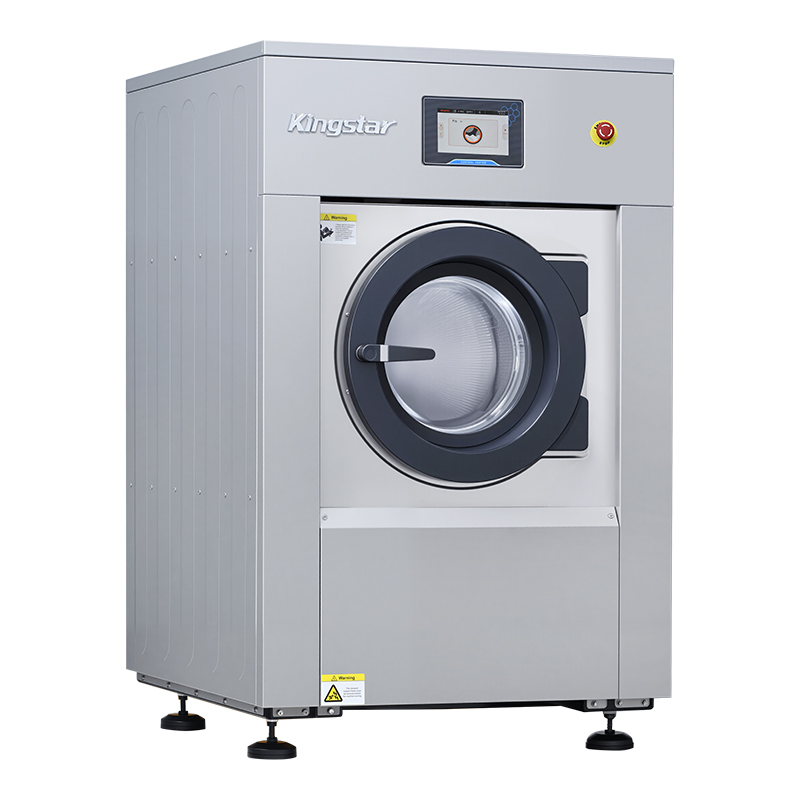
 15kg Coin-Operated Hardmount Washer with Dual-Drum DesignThis self-service washer fits two drums through a standard door and runs two independent loads at once. Its heat source choice directly affects your installation and long-term operating costs.View Product →
Heat Source Options and Energy Cost
The heat source determines both installation cost and the operating cost you will live with for the life of the machine. Three options dominate commercial laundry rooms.
- Electric heating has the lowest upfront cost and the simplest installation, but electricity is usually the most expensive way to evaporate water. It suits small stores and buildings with no gas service.
- Gas heating costs more to install because of the gas train and venting, but the operating cost per load is typically lower, often by 30–50%, depending on local utility rates. It is the default choice for medium and large laundromats.
- Steam heating makes sense only where a boiler already exists, such as a hotel laundry or central plant. Steam dries gently and quickly but depends on boiler efficiency and stable steam pressure.
Efficiency features matter more than nameplate ratings. Look for automatic moisture sensing that stops the drum when the load is dry, insulated drum housings that reduce heat loss, and airflow designs that distribute hot air evenly through the fabric. A moisture-sensing dryer can cut energy use by 15–25% compared with a timer-only unit because it never over-dries a load.
To estimate annual energy cost, multiply the number of loads per day by the rated energy consumption per cotton cycle shown in the machine datasheet, then apply your local utility rate. Compare rated consumption across units with the same drum capacity; the machine that removes a kilogram of moisture with lower input energy will cost less over five years, and that difference is often larger than the initial price gap.
Installation, Venting, and Safety Checks
Before ordering, verify that your room can support the machine and its services.
- Floor load: a loaded 15 kg stack dryer weighs roughly 300–400 kg. Confirm the floor can carry a full row of units, especially on upper floors or mezzanines.
- Dedicated venting per drum: each drum needs its own exhaust path. Long shared ducts with multiple bends reduce airflow and stretch drying time; keep vent runs short and straight, and use smooth metal ducting.
- Electrical and gas connections: gas models require a qualified installer to size the supply line so both drums can fire at the same time.
- Anchoring and anti-tip provisions: the tall frame must be secured to the wall or floor per the manufacturer's instructions, especially where children are present.
- Service clearance: leave enough room at the front and rear to pull lint housings, open access panels, and reach control boxes.
Venting is the most common source of performance complaints. A 15 kg drum typically needs 200–250 CFM of exhaust airflow at the duct collar; below that, cycle time stretches and the high-limit thermostat cycles. After installation, measure airflow with an anemometer instead of trusting what the exhaust looks like.
Maintenance That Keeps Both Drums Profitable
A double stack dryer fails more often from neglected lint management than from mechanical breakdown. The lint filter is the first line of defense; in a self-service store it should be cleaned after every load, either by the customer or by staff during the turnover check.
- Weekly: vacuum the lint compartments and the area around the drum seals; check door gaskets for wear.
- Monthly: inspect the drive belt and drum bearings for noise or play; clean the moisture sensor probes.
- Quarterly: check burners or heating elements for soot or buildup; verify exhaust duct airflow.
- Annually: have a qualified technician inspect the gas train, electrical connections, and safety interlocks.
One practical tip from high-volume stores: run the two drums with similar fabric and temperature settings whenever the workload allows. When both sides of the stack dry comparable loads, the moisture sensors calibrate consistently, and staff can spot a drifting sensor in a few minutes instead of guessing which drum is at fault.
What to Check Before You Sign the Order
Beyond capacity and heat source, compare the details that affect daily operation.
Controls and payment systems
In a self-service store, the payment interface decides how much staff time you spend on disputes. Look for control panels that support coin, card, and mobile payment, with clear cycle displays and a diagnostic mode that shows fault codes for each drum independently.
Drum and cabinet construction
Stainless steel drums resist rust from wet loads and detergent residue. Check the cabinet gauge and the quality of the powder coating; a thin cabinet will rattle after a year of continuous operation, and a poor finish will show rust at the base.
After-sales support
Ask about spare parts availability, response time, and whether the manufacturer offers installation guidance. A dryer that runs 16 hours a day should not wait two weeks for a thermostat. The manufacturer's commercial laundry solutions explain how equipment is configured for laundromats, hotels, and school facilities.
School and dormitory buyers should also confirm tamper-resistant payment options, a durable finish, and safety features such as automatic shutoff when the door opens during a cycle. The same 15 kg drum that works in a laundromat is a practical choice for a campus laundry room when the vendor supports both environments.
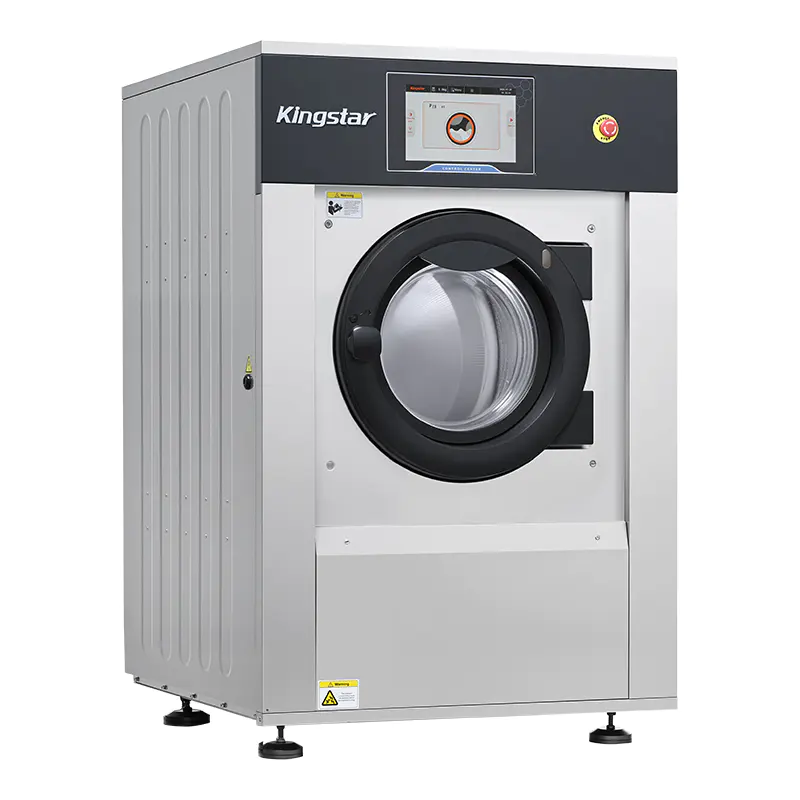
15kg Coin-Operated Hardmount Washer for Campus Laundry RoomsFor school and dormitory settings, this washer pairs a practical 15 kg drum with tamper-resistant payment options and safety features, making it a dependable fit when vendor support covers both environments.View Product →Choosing a double stack dryer comes down to matching the machine to your real throughput, your utility rates, and the physical constraints of the room. Measure the washer output, confirm venting and floor load, compare energy features, and verify support before you buy. A well-specified stack dryer will run for years; a poorly matched one will show up in your utility bill and your customer queue from the first week.
ADD:No.388 Xinggang Road, Chongchuan District, Nantong City, 226000, Jiangsu Province, China.
-
Phone: +86-13917089379
-
Tel:+86-13917089379
-
Fax:+86-0513-85663366
-
E-mail:louislu@kingstarlaundry.com
products