英语
英语 俄语
俄语 西班牙语
西班牙语 德语
德语
Home / News / Industry News / Discoloration Prevention and Cleaning Solutions for Garments with Leather and Fur Trims

Kingstar is your trusted partner for industrial and commercial laundry equipment. We specialized in the R&D and manufacturing of high-end industrial washers, commercial washers and dryers. Meanwhile, we provide global clients with comprehensive planning, layout workflow design, and software-hardware integration services for smart laundry plants.
Industry News
Sep 04,2026
Discoloration Prevention and Cleaning Solutions for Garments with Leather and Fur Trims
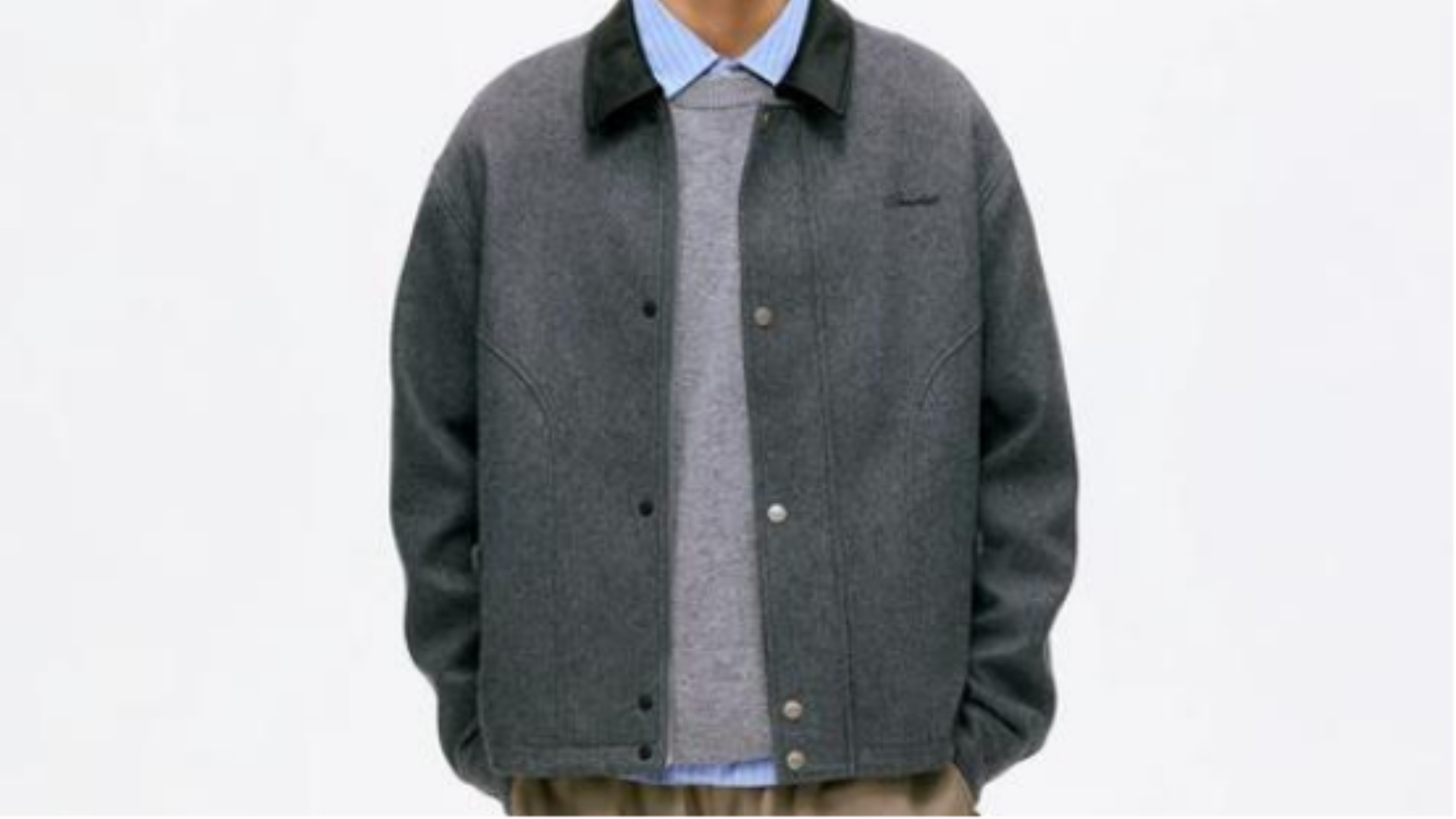
Currently, most garments are paired with leather and fur trims. They can be found at collars, cuffs, front plackets, pocket openings, hat brims, and shoulder and elbow areas. Even small leather zipper pulls and leather buttons can significantly increase cleaning challenges. These trims have different physical and chemical properties and color fastness from common textile fabrics. Thus, common issues after washing include trim color fading, dye transfer, and color unevenness. They are also among the most common garment care problems in laundry shops.
To ensure safe cleaning, the key is to find the root causes of color fading. Laundry operators should identify the trim materials. They can achieve preventive treatment and standardized cleaning.
Root Causes
Leather and fur trims easily cause color fading and dye transfer. The root cause is the limited dyeing process. Their color fastness is much lower than that of common fabrics. Different dyeing materials vary in the probability of color fading.
● Leather trims
- Coated leathers
This type of leather is relatively safe, and it is widely used on the market. It forms a protective pigment coating on the leather surface with dedicated pigments and coatings. The coating contains resin components. They can lock in the color. Pigments are insoluble in water and dry-cleaning solvents. The inner layer of the leather generally has no loose dyes. It has high color fastness. Standardized washing processes do not cause discoloration issues. Coated leathers often include smooth, embossed, and distressed leathers.
- Dyed leathers
This type of leather easily causes color fading. It mainly includes suede, buffed, and aniline leathers. Dyes penetrate deep into the leather structure. But they have poor bonding strength with leather. Both wet and dry cleaning can easily cause discoloration issues. The deeper the leather color is, the more severe the color fading will be. Some special smooth leathers are dyed before coating. But they also have the risk of color fading and dye transfer.
● Fur trims
Natural undyed furs (black, white, camel, and brown) vary in color, with a dark back and light belly. The leather backing is light white and camel without artificial dyes. So, they do not cause color fading or dye transfer.
However, on the market, colored furs (red, yellow, blue, pink, purple, and other colors) and furs (black, gray, and brown) without a natural color gradient are artificially dyed. Limited to dyeing processes, furs have extremely low color fastness. Color fading occurs on almost all colored furs during washing processes. Dyes can transfer onto garment fabrics.
Identification Tips
The first step to prevent color fading and dye transfer is precise material identification before washing. Without professional equipment, materials can be quickly identified through appearance, details, and simple tests.
● Coated leathers
The surface is smooth with a coating. The back side and cut edges are lighter in color. They are different from the front colors. Use cotton swabs with water and dry cleaning solvents to wipe the surface. This does not cause color fading. It is highly safe during washing processes.
● Dyed leathers
They are suede, buffed, and aniline leathers. The back side and cut edges have the same color as the front side or even darker colors. Water drops can quickly penetrate the surface (without protective coatings). Wiping with wet cotton swabs causes color fading. It increases the risk of cleaning damage.
● Fur trims
Colored furs have bright and even colors without a natural color gradient. The leather has the same color as the fur. Washing processes easily cause color fading. Natural undyed furs have a color gradient with light leathers. They are safe for washing. Use wet cotton swabs to gently wipe the surface. Color fading noticeably occurs on colored furs.
Preventive Methods
Discoloration accidents of leather and fur trims can be prevented. But most dye transfer issues cannot be completely restored. Thus, prevention is more important than post-treatment.
● Classified cleaning methods
Do not wash garments with dyed leather and fur trims with water. They should be processed by dry cleaning. Water washing is more likely to cause color fading. Garments with coated leather are suitable for dry cleaning or professional water washing. They have a high safety level.
● Remove detachable trims before cleaning
Detachable trims (leather buckles, straps, fur collars, and embroidery trims) on garments should be removed for separate washing. Do not wash them with fabrics. This avoids color transfer at the source.
● Notice details during water washing processes
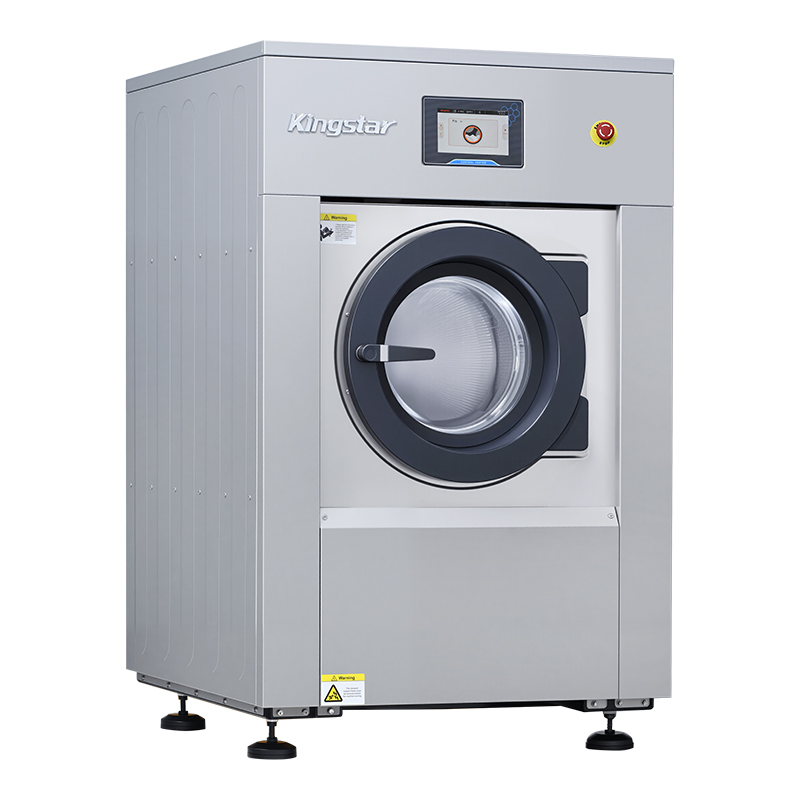
Garments with leather trims should be washed in cold water. Use neutral dedicated detergents. Do not use alkaline laundry powders and soap. Protect them from strong laundry additives, such as oxidizing and reducing agents. For example, the spin speed of a Kingstar wet cleaning machine can be set to 20 RPM. Besides, hand washing should be rapid to avoid long-term soaking and rubbing. After washing, use color-fixing treatment to stabilize color retention.
● Control the equipment environment during dry cleaning processes
Clean dry cleaning machines. Meanwhile, distill and clean the solvent tanks, pipes, and filters. This ensures that the equipment inside is dry without residual moisture. Do not use soap solution or soap-based cleaning oil to pre-treat the trims. This avoids color fading caused by moisture and additives.
● Control washing temperature & mechanical action
Leather and fur mainly contain protein components. High temperatures above 60℃ can cause irreversible color fading. Do not use hot water, high-temperature ironing, or steam treatment during the entire process. During machine washing or dry cleaning processes, reduce drum friction as well as tumbling intensity. This also avoids coating peeling as well as dye transfer.
Post-Cleaning Solutions
If minor color fading and transfer occur after washing, use dedicated leather color fixing agents. Professional dye transfer removers can treat slight stains. Extensive dye transfer cannot be restored. Laundry shops should inform customers of the risks in advance.
At the same time, follow cleaning safety criteria. Politely refuse services for the following four garments to reduce laundry accidents.
Incompatible cleaning requirements between fabrics and trims;
Trims with poor color fastness;
Color contrast between fabrics and trims;
Specially designed garments that are not suitable for standardized washing.
Conclusion
In a word, the key to washing garments with leather and fur trims is identification, classification, prevention, and detail control. Identify materials that may cause color fading. Strictly follow laundry care standards. Therefore, laundry shops can avoid color fading and dye transfer issues. They can achieve excellent garment care results.
Q&A
Q1: Are leathers suitable for dry cleaning?
A1: It depends. Natural leathers can be dry cleaned. Artificial leathers cannot. They are suitable for wet cleaning. No matter what the cleaning method is, pay attention to color fading.
Q2: How can genuine leather garments be priced?
A2: Genuine leather garments have different care methods.
● Basic cleaning and care
● Deep cleaning and full care
● Recoloring and spot color repair
● Damage repair
The pricing is based on the different cleaning and care requirements of leather. Use the prices of local similar stores as a reference. However, leather restoration and recoloring are complex. They should be performed by professional technicians. If laundry shops are not sure how to finish the restoration, do not blindly handle the orders.
Q3: If there are leather trims on shoes that are prone to color fading, how can they be washed?
A3: Manual sectional cleaning.
ADD:No.388 Xinggang Road, Chongchuan District, Nantong City, 226000, Jiangsu Province, China.
-
Phone: +86-13917089379
-
Tel:+86-13917089379
-
Fax:+86-0513-85663366
-
E-mail:louislu@kingstarlaundry.com
products