英语
 俄语
 西班牙语
 德语

Dry Cleaning Misconceptions: Why Laundry Shops Pay the Price
In the laundry industry, dry cleaning is widely discussed. But it often leads to misconceptions. Many customers think that these shops should offer dry cleaning services. The more expensive the garments, the more suitable they are for dry cleaning. Handling garments according to the care labels will not cause any issues. However, some laundry shops incur unexpected dispute costs during garment intake and delivery.
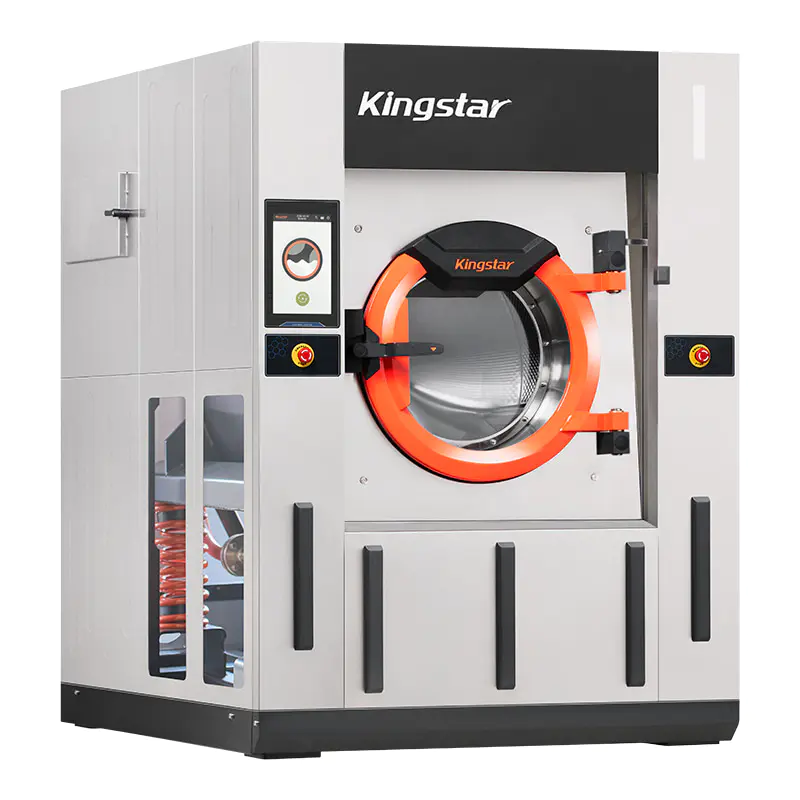
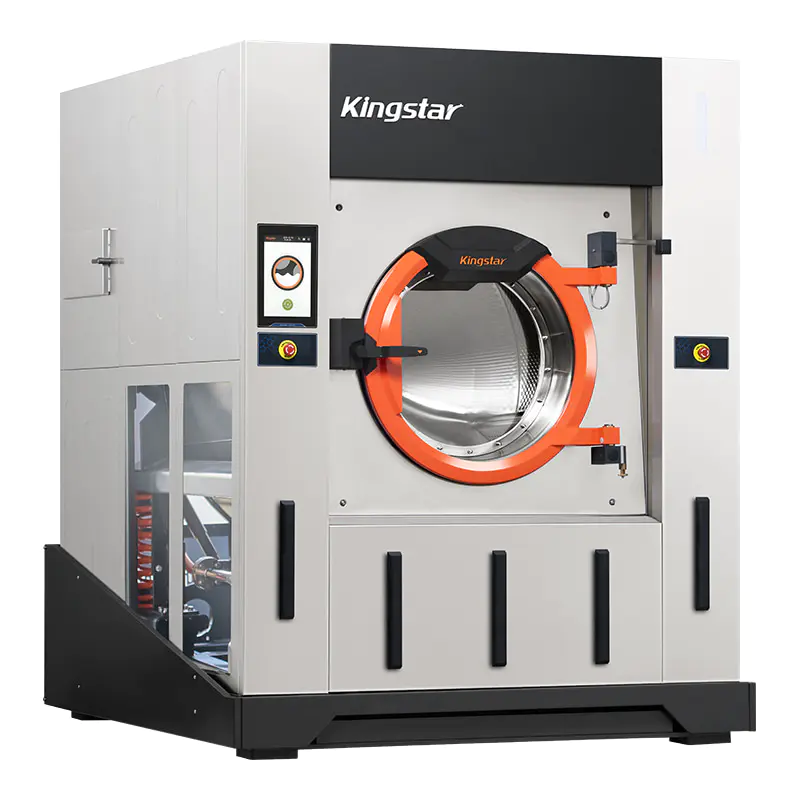
The key to this issue is not customers’ thoughts, but stores’ clear statements and precise identification. Stable and reliable laundry equipment is the foundation for professional laundry and care solutions and for avoiding operating risks. Kingstar is a manufacturer of washers, wet cleaning machines, and dryers. It has observed that most store disputes don’t result from a lack of staff experience. They are closely related to equipment processes.
Causes of Misconceptions
● Dry cleaning is not the only garmentcare method
Many customers think that dry cleaning shops only use dry cleaning. In reality, dry cleaning is just a washing method. It replaces water with organic solvents to achieve cleaning results. It is suitable for garments prone to wrinkling, shrinkage, or changes in texture when coming into contact with water. Wet washing is suitable for water-resistant fabrics and removing water-soluble stains. After collecting garments, stores need to choose an appropriate method, rather than relying on customers’ choices.
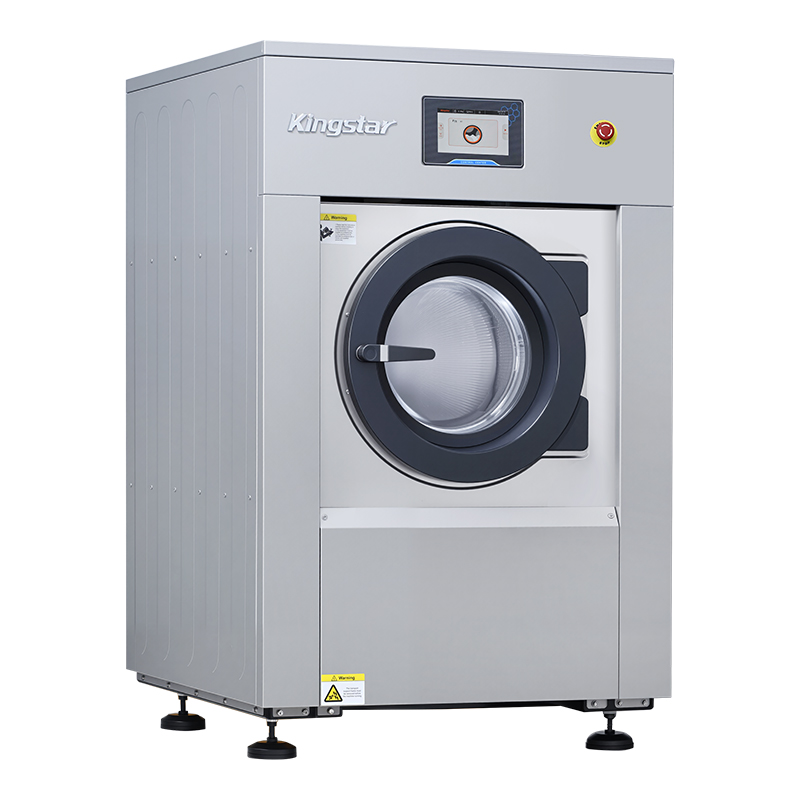
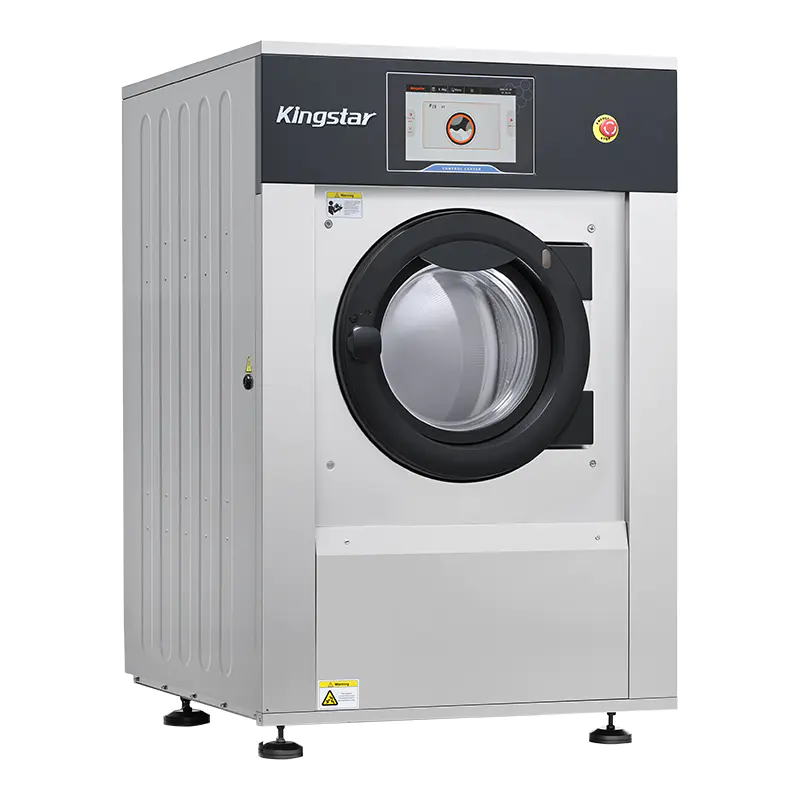
Garments need careful identification. Thus, stores should install complete washers, wet cleaning machines, and dryers. This directly determines the types of garments that they can take on. Kingstar washers and wet cleaning machines are suitable for various fabric types and processes. In the wet cleaning machine, mechanical action, water temperature, and washing time can be adjusted. This helps stores choose proper washing methods based on fabrics.
● Garment prices don’t determine how they should be cleaned
Wool, silk, cotton, linen, and synthetic blends require different cleaning methods. Cashmere coats also differ in their lining, fusible interlinings, decorative trims, and colorfastness. Low-cost garments have the risk of color bleeding due to contrasting color panels. High-value garments are not only suitable for dry cleaning. Cleaning methods depend on many factors (fabric characteristics, garment construction, stain levels, and garment status), rather than the price.
● Care labels provide guidance, not a guarantee against damage
Care labels provide guidance for washing methods. Fabrics are affected by many factors (long-term wearing, sun exposure, pre-treatment at home, and storage). Some garments may lack fabric and accessory information and have unknown decorative trims. Simply following the labels may not be enough, because garments may have aging coatings, brittle decorative elements, and treated stains. Thus, check garments after understanding care labels. If necessary, do a spot test before accepting the garment.
● Some garments may require multi-step processes
Main parts of some garments can be dry cleaned. But localized decorative elements cannot withstand dry-cleaning solvents. Some garments can be water-washed, but stubborn stains need to be pre-treated before washing. Stores cannot always use the same dry cleaning or wet washing. Use proper cleaning sequences based on garments. Consider their potential risks during washing.
Why Misconceptions Turn into Disputes
● Missed questions when collecting garments
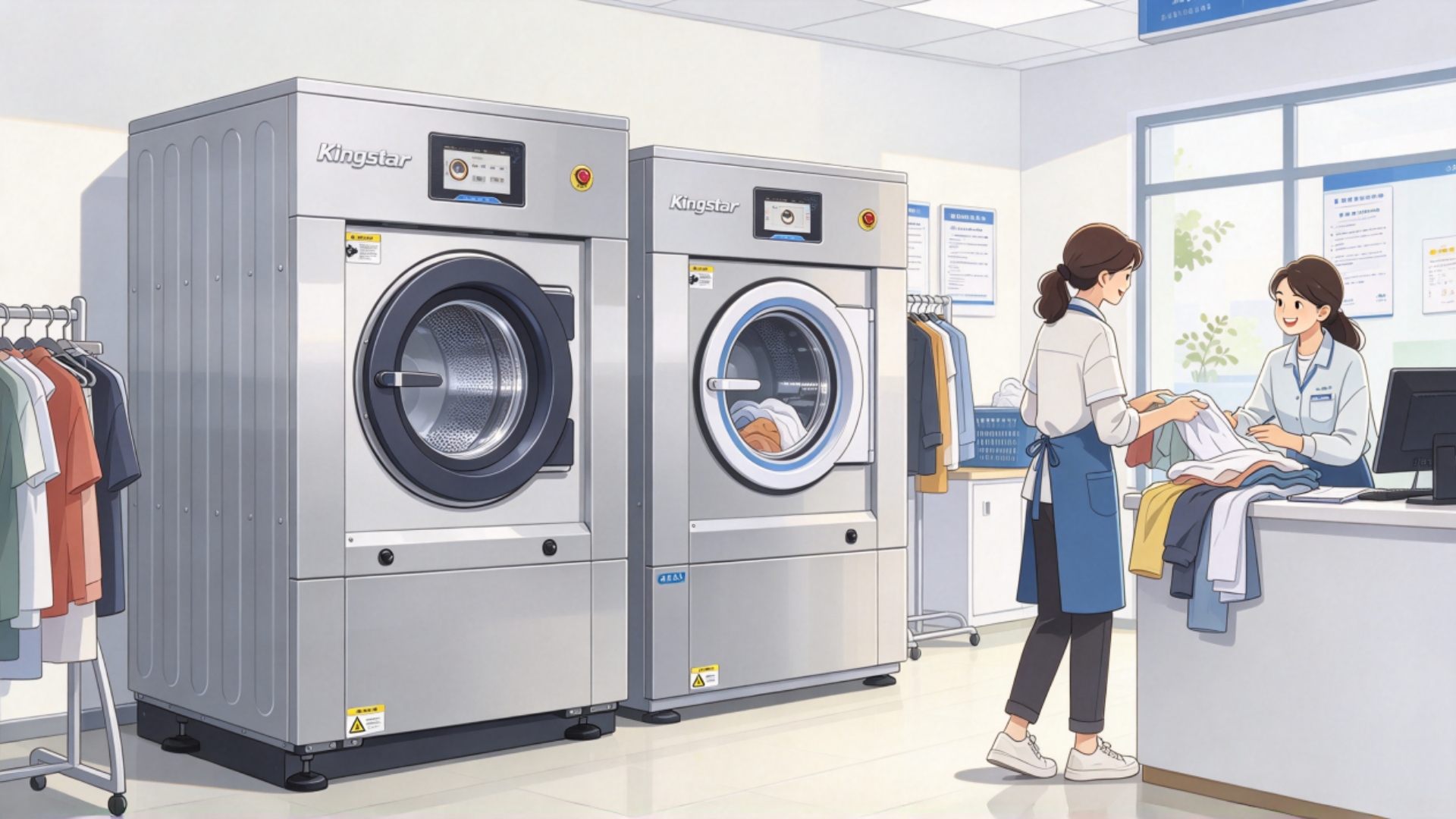
Many disputes don’t occur in the laundry process. They are hidden in garment intake. For example, garments may have worn, whitened collars, or loose threads. Leather panels may have deteriorated. Customers may have removed stains themselves, which causes color differences. If stores don’t notice and inform customers while collecting garments, these issues may become difficult to determine after cleaning. Customers think that garments were still wearable before cleaning. If stores lack records or evidence, disputes between customers and shops easily arise.
● Stores lack professional assessment
Consumers express their demand based on their daily experience. They think that an expensive garment should be dry cleaned. In reality, what they need is a safe and thorough cleaning method without losing the garment’s original appearance, rather than dry cleaning. As a professional service store, a laundry shop shouldn’t use the customer’s verbal request as the technical method. If garments are not suitable for dry cleaning or existing conditions cannot meet the cleaning needs, inform customers or provide alternatives. If necessary, don’t take on the order.
● Blame all problems on stores
Garment cleaning has operating risks. It may also be affected by aging materials and poor colorfastness. Consumers aren’t aware of these possibilities. They think garment damage after cleaning is caused by laundry services. Thus, stores should not shift the blame. They need to inform customers of potential risks, reasons, and solutions in advance. So customers can build trust in laundry shops. They may not blame the issues on stores.
Capabilities to Reduce Dispute Risks
● Accurate assessment
A professional shop should identify fabrics, stains, and potential risks. Remove stains (oil, water-soluble, and protein-based stains) in different sequences. Also, fabrics (silk, wool, and functional fabrics) require different temperatures, mechanical action, and chemical agents. The more accurate the identification, the more appropriate the cleaning methods. However, identification mistakes may cause improper washing methods, even when excellent equipment is used. After identification, use washers or wet cleaning machines. Kingstar laundry equipment has gentle mechanical action and precise temperature control. It can customize multi-level settings. This meets different fabric care requirements. Also, it can reduce fabric damage risks.
● Process coordination
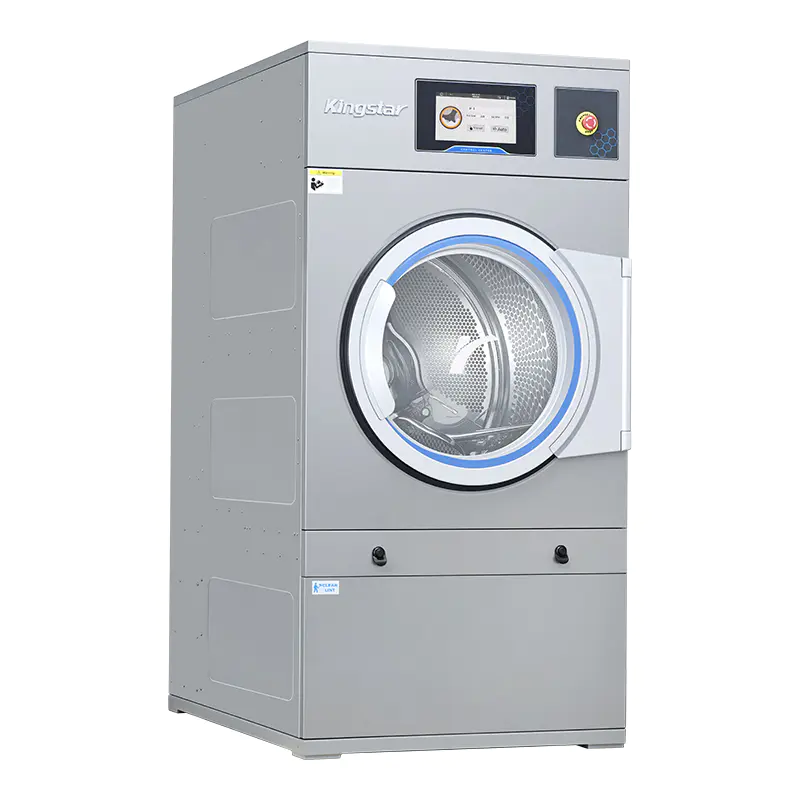
A complete delivery process includes many steps (garment intake, sorting, pre-treatment, washing, drying, ironing, recheck, and delivery). Unmarked key stains may not be treated during processing. Garment issues may be returned to customers without timely recheck. Stores should focus on identification. Thus, downstream workers can know the existing issues and what they should pay attention to. This reduces unplanned mistakes caused by staff turnover or increasing orders. During laundry operations, equipment parameters can be controlled, and operations can be repeated. Different workers in different shifts can maintain consistent laundry performance. Kingstar self-service washers and dryers have standardized washing programs to meet laundromat needs. This reduces process differences caused by manual handling, as well as operational and maintenance pressure.
● Know when toproceed, communicate, and reject
Laundry shops do not need to take on all orders. For garments that have severe color fading or unstable colors, as well as damaged fabrics, they should assess laundry risks. If they cannot handle these issues, reject the order. Also, they can recommend other solutions. Recheck garments and operating processes when disputes happen. Discuss rework, restoration, or other solutions.
Conclusion
Dry cleaning is the start of assessment, rather than the end of services. For laundry shops, the practical way to reduce risks is not to reject all orders, but to build a systematic capability from assessment and operation to communication. With accurate assessments, processes can be implemented with professional washers, wet cleaning machines, and dryers. Equipment is an important basis of operation. Professional assessment and reliable equipment are both critical. Kingstar specializes in commercial laundry equipment. It continues to offer washers, wet cleaning machines, and dryers serving multiple scenarios for laundry shops and laundromats. Kingstar helps stores convert professional fabric assessment into consistent, reliable laundry and care services.
Q&A
Q1: Should expensive garments be dry cleaned?
A1: Not necessarily. Cleaning methods depend on many factors (fabric characteristics, production processes, stain types, and existing garment statuses). Contrasting color panels and decorative elements may also affect the assessment.
Q2: Will there be no problems by following the care labels?
A2: Care labels provide guidance. Fabrics are affected by long-term wear, sun exposure, pre-treatment at home, and storage. Some garments may lack care labels and have unknown decorative trims. Check garments and do a spot test if necessary.
Q3: Can stores handle garments according to customers’ requirements, like dry cleaning?
A3: Customer requests should not be used as the final technical method. Assess whether garments are suitable for this method. If unsuitable, explain the reasons to customers and offer alternatives. Reject the order if necessary.

ADD:No.388 Xinggang Road, Chongchuan District, Nantong City, 226000, Jiangsu Province, China.
-
Fax:+86-0513-85663366
-
E-mail:louislu@kingstarlaundry.com