英语
英语 俄语
俄语 西班牙语
西班牙语 德语
德语
Home / News / Industry News / How Laundry Shops Address Misunderstandings and Promote Sustainable Business

Kingstar is your trusted partner for industrial and commercial laundry equipment. We specialized in the R&D and manufacturing of high-end industrial washers, commercial washers and dryers. Meanwhile, we provide global clients with comprehensive planning, layout workflow design, and software-hardware integration services for smart laundry plants.
Industry News
Jun 11,2026
How Laundry Shops Address Misunderstandings and Promote Sustainable Business
In the laundry industry, business success cannot be separated from customer trust. Customers send garments to laundry shops. They hope to gain professional and safe cleaning services.
However, information lack and consumer misunderstanding often lead to disputes. This disrupts laundry practitioners. These problems not only consume energy, but also may damage the professional reputation of laundry shops. The following are the common misunderstandings. Kingstar will provide systematic solutions from a professional angle. This can help laundry shops establish more transparent and reliable service systems. And it promotes the healthy and sustainable development of business.
Misunderstandings
● All garments need dry cleaning
This is a common misunderstanding. Dry cleaners provide professional wash and care services. A professional laundry service is a comprehensive solution. It includes multiple technologies: dry cleaning, water cleaning (machine washing), professional wet cleaning, and hand cleaning. Cleaning methods depends on fabrics (such as wool, silk, and functional coated fabrics), stains, decorations, and techniques. A professional worker should select proper care methods based on garment tags and practical conditions.
● Professional cleaning must make garments brand-new
Laundry shops aim to restore and maintain garments. Garments show wear and tear (such as fabric pilling and cuff shine) and fabric degradation caused by sweat and oil. Some stubborn stains (such as dyes, old protein-based stains, and some unknown chemicals) cannot be thoroughly removed. Professional laundry can remove most soils and make garments clean and reshaped. But it cannot change the physical and chemical damage to fabrics.
● Scents mean the residual detergents
Modern professional detergents are complex chemical systems. To improve the client experience, many premium chemicals add minor fragrance additives that are friendly to people. The fresh scent from garments after washing is common. It is different from chemical residues caused by improper equipment maintenance and operation (such as insufficient rinsing). Chemical residues often lead to stiff garments, skin allergies, or odors.
● Laundry shops are responsible for all after-washing problems
Some laundry accidents stem from the production of garments. For example, unqualified fabric color fastness causes heavy color fading. The different shrinkage rate of fabrics makes color-block garments deformed. Decoration materials cannot tolerate solvents. Poor fused interlining quality causes bubbling. These are hidden defects. It cannot be discovered when wearing or washing at home. But it is exposed during a professional and thorough cleaning process.
● Finished garments should have good performance
Laundry shops are not responsible for all post-wash problems. The following conservation directly affects garment service life. In a humid and unventilated area, clean wool sweaters suffer from mildew and moth. Long-term pressure causes wrinkles in silk garments. Therefore, a professional service includes introducing scientific daily care knowledge to clients.

Solutions
The key to addressing misunderstandings is to transfer passively handling disputes into actively building a professional and transparent service process. Here are some solutions worth considering.
● Visual risk notification system
Set clear and professional care risk notification signs in the garment collection area. Use icons and simple words to explain fabric features. For example, cotton is prone to shrinking. Pay attention to delicate silks. First washing causes floating color to dark garments. Stress potential risks and laundry suggestions for decorations. This is a chance to show the laundry shop’s professionalism. It helps screen customer expectations and build primary trust.
● Standardized collection & communication system
This is an important step. Establish a standardized checking list. Laundry shops can check garments with customers. Mark the existing stains, color fading, and loose decorations with labels. Take photos or videos to record. For high-value garments, let clients sign to confirm.
● Digital management
Use laundry management systems to code for each garment. Enter check results, laundry method (such as professional wet cleaning-gentle program), and special chemicals into systems. Clients can check garment status through a mini program. This allows them to know the current process. For example, when clients see the “Kingstar professional wet cleaning-wool gentle program (15 rpm, low temperature)”, it improves their trust. This transparency shows your service value.
● The counsellor of customer garment care
When returning garments, attach a “garment maintenance card”. Simply explain the home storage and stain-removal techniques. This can effectively reduce problems caused by improper storage. At the same time, it shifts a business relationship into a long-term and counselling trust. This significantly increases customer retention.
Q&A
Q1: Clients insist on dry cleaning for garments that are not suitable for dry cleaning. How can we handle that?
A1: This is the time to show your professionalism. First, use simple words to explain reasons. For example, dry solvent dissolves this coated fabric and causes hardening. Second, provide professional replacement suggestions, such as using a low-temperature program to protect fabrics. Third, present the risk confirmation document. Tell clients the impact of improper needs and invite them to sign and confirm.
Q2: How to efficiently explain to clients that stubborn stains cannot be removed thoroughly?
A2: When receiving garments, laundry shops should explain cleaning results to clients. For example, stain removers can help minimize stains. However, they have penetrated the fibers. So they cannot be thoroughly removed. It would be best to provide photos before and after cleaning to prove.
Q3: How can commercial laundry equipment help reduce disputes?
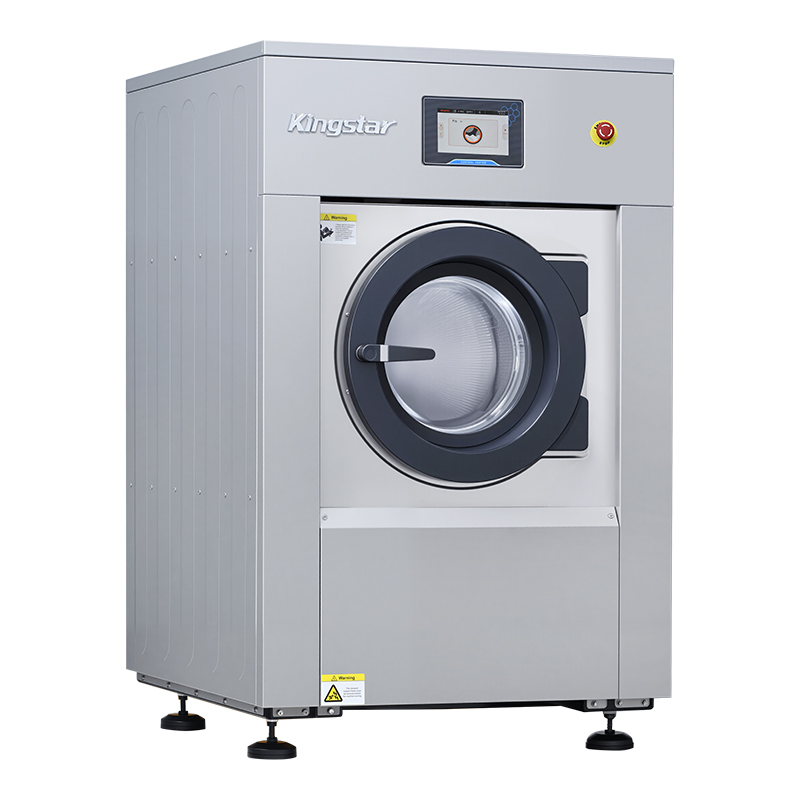
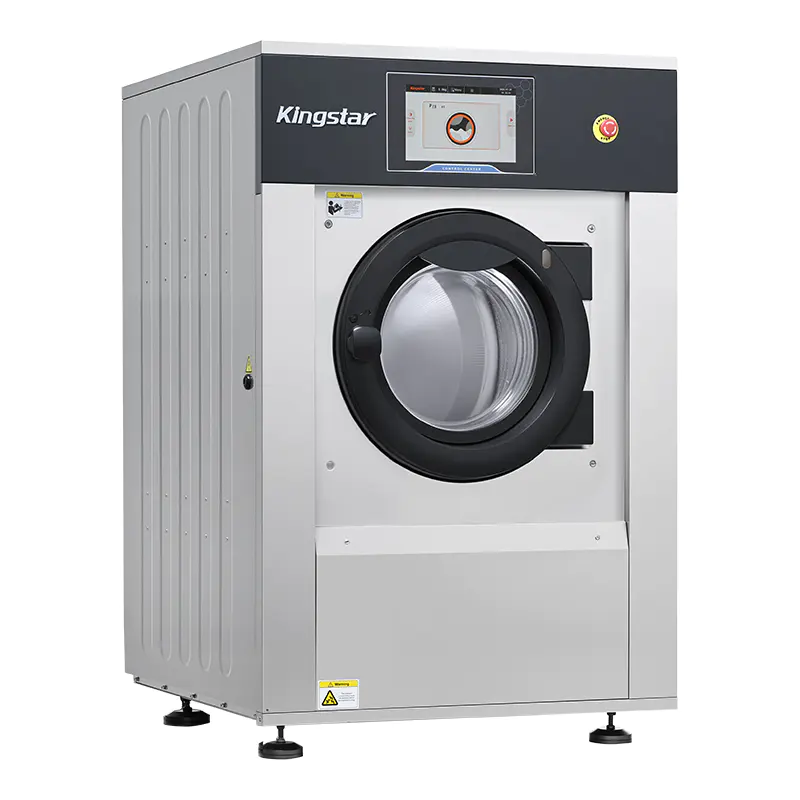
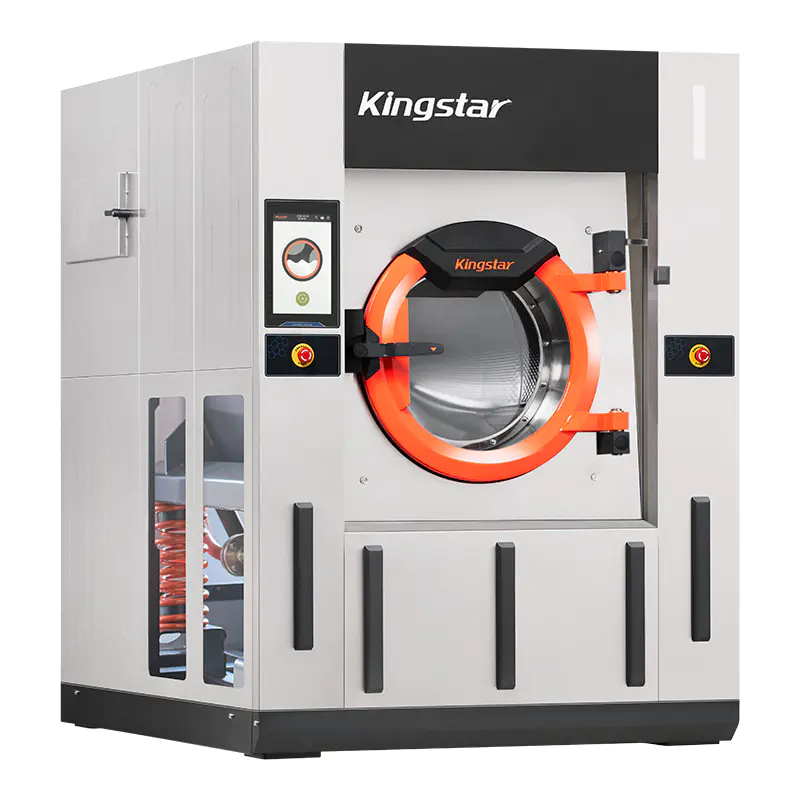
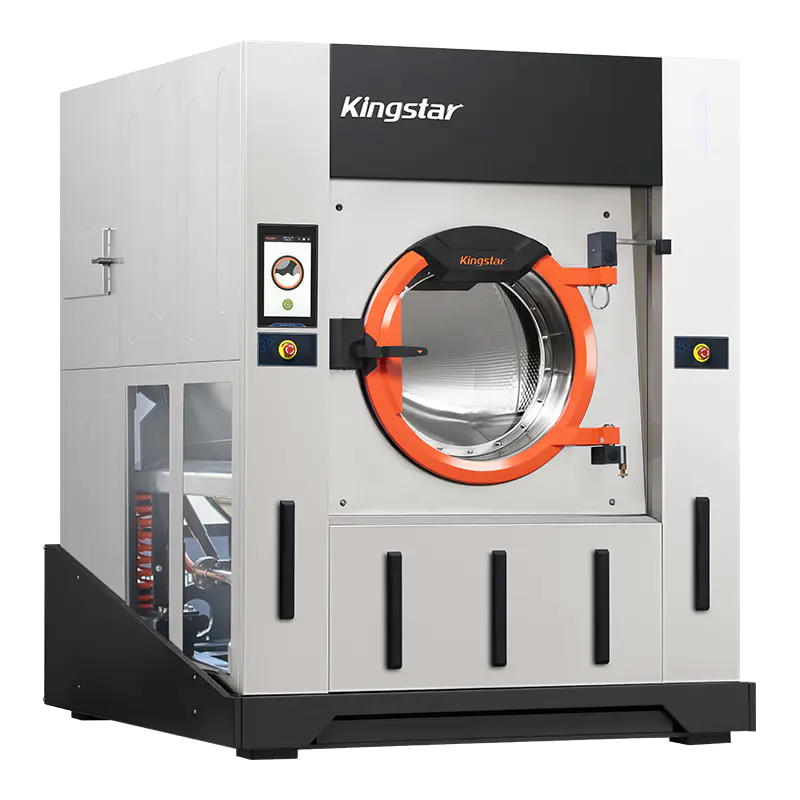
A3: Reliable equipment ensures quality. For example, a temperature-control system can prevent high-temperature damage. Kingstar SHS-2025P wet cleaning machine supports multiple washing programs (for wool, down feather, and outdoor jacket). An efficient and even spin model reduces garment wrinkles and deformation. Thorough rinsing can avoid chemical residues. Introduce the professional features of equipment in stores. For example, the washer supports precise temperature control. It has an ultra-gentle program for delicate fabrics. This can directly improve customer confidence.
ADD:No.388 Xinggang Road, Chongchuan District, Nantong City, 226000, Jiangsu Province, China.
-
Phone: +86-13917089379
-
Tel:+86-13917089379
-
Fax:+86-0513-85663366
-
E-mail:louislu@kingstarlaundry.com
products