英语
英语 俄语
俄语 西班牙语
西班牙语 德语
德语
How Laundry Shops Address the Challenge of Metal Fiber Fabrics
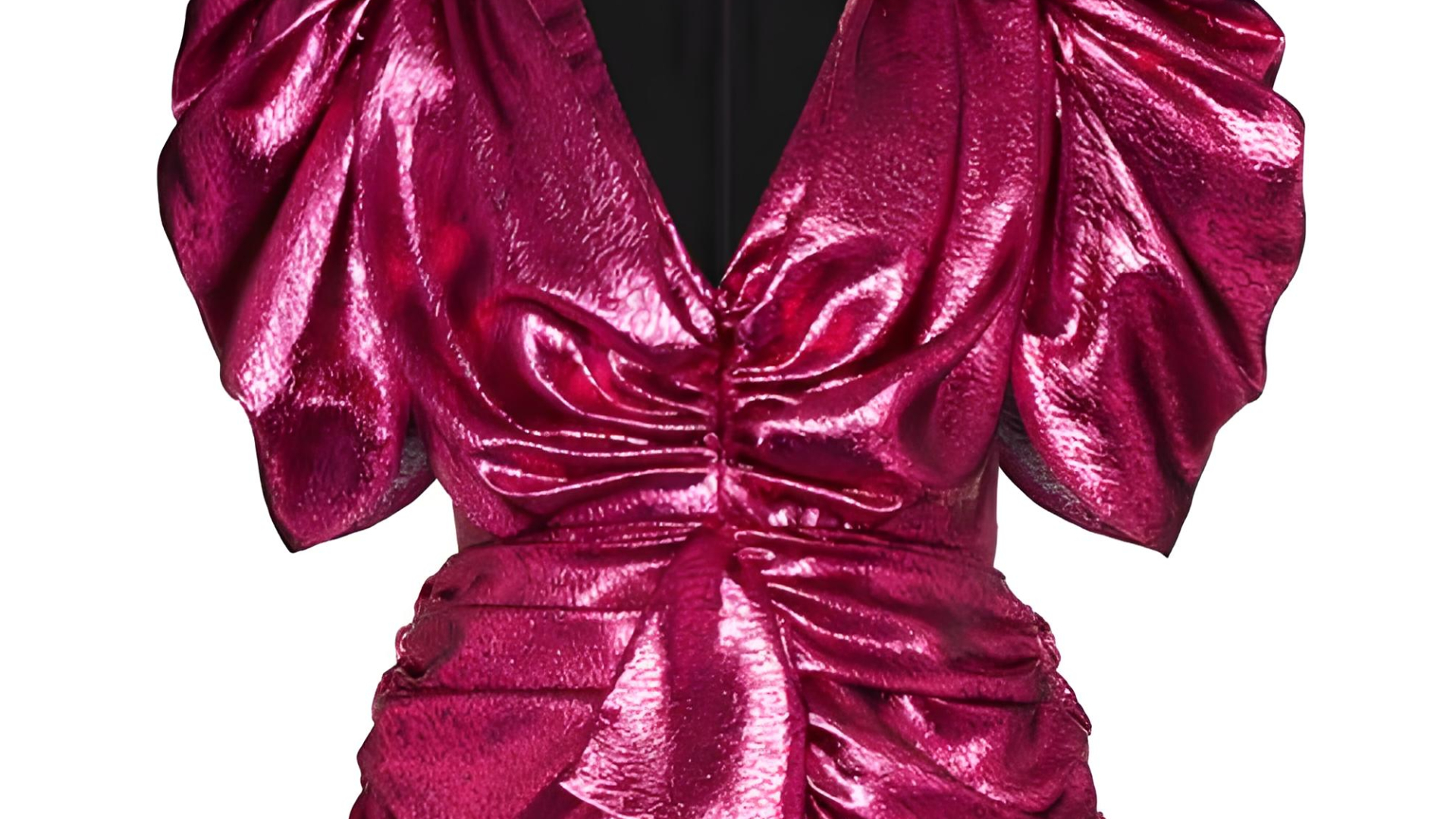
In the professional laundry industry, new challenges arise every day. Nowadays, a specialty fabric has confused many laundry practitioners. After washing, garments always develop hard-to-remove and uniform creases in spite of repeated ironing. This is not caused by technical errors, but by the effect of metal-fiber blended fabrics. This functional fabric looks fashionable. It tests the end-to-end professional capacity of laundry shops, from identification, communication, washing, to care.
What are Metal-Fiber Fabrics
Metal-fiber fabrics are not made of sheet metals. They are made by blending very fine high-tech metallic filaments (such as stainless steel and copper alloy) and traditional fibers (cotton, polyester, nylon, or mulberry silk at a ratio of 3%-8%). These materials make garments unique, while bringing care challenges.
● Shape memory & set-in creases
Metal fibers make fabrics retain specific dimensional contours and creases. During extraction, mechanical actions allow metallic filaments to form new, uniform, and permanent creases. This is the root cause of garments which are hard to press. Ironing works against the physical memory of fabrics.
● Visual attention & physical fragility
This fabric features a flowing metallic gloss and a soft hand feel. However, hair-thin metallic filaments are prone to breakage and snagging due to intensive friction, improper stretching, and high-speed extraction. This may cause permanent damage.
● Chemical & heat sensitivity
Strong acid, alkali, and chlorine bleach may corrode metals and make them lose their gloss. High temperature may accelerate oxidation or damage delicate blended fibers.
Overall Solutions
For laundry shops, the key to handling these garments is risk and expectation management. Technical operations are secondary.
● Identification & communication
Laundry shops should check wash labels. At the same time, identify garment fabrics through their unique gloss and hand feel.
When collecting garments, laundry shops should tell clients about the potential laundry risks. For example, this type of fabric has metal fibers. After washing, it easily develops even physical creases which fail to be thoroughly removed by ironing. It is necessary to attach a case picture. State with bold fonts on intake forms and get the client’s written confirmation.
● Wash & extraction
Prioritize professional wet cleaning or gentle hand washing. If using machine washing, choose the “ultra-gentle” or “wool” program. The key is the overall gentle processing.
Extraction is an important stage to prevent creases. Extraction time should be controlled within 1 minute. The minimum spin speed (such as 400-600 rpm) is recommended. Centrifugal force caused by high speed and long-term extraction is the main cause of crease formation.
After extraction, take out garments promptly. Shake garments and gently stretch them to restore. Hang garments to air-dry in the shade. Tumble drying should be avoided.
● Ironing & finishing
The ironing aims to “improve”, not “remove” creases.
Place a cotton cloth over the garment. Choose medium/low-temperature quick ironing based on the bottom fibers (cotton, wool, nylon polyester).
Use a garment steamer. Pay attention to keep distance. This helps loosen fibers with moisture and heat treatment.
Before operations, it is important to tell clients the limitations of the final performance again.
Kingstar Suggestions
Addressing industry challenges relies on the development of professional equipment. For specialty fabrics like metal fibers, laundry shops should not only focus on strong stain removal but also the precise adjustment of mechanical actions, temperature, and time.
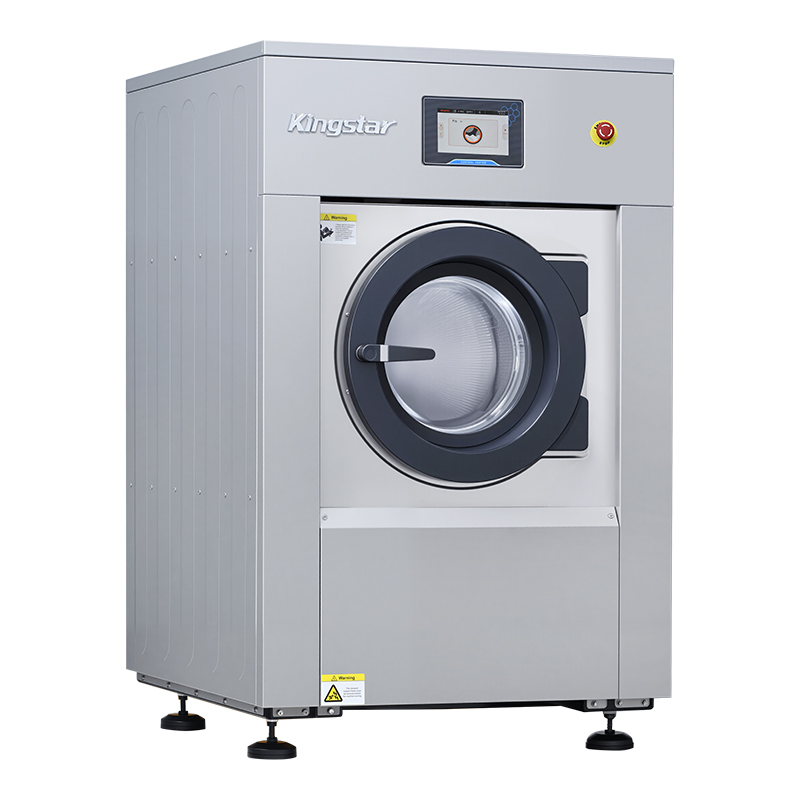
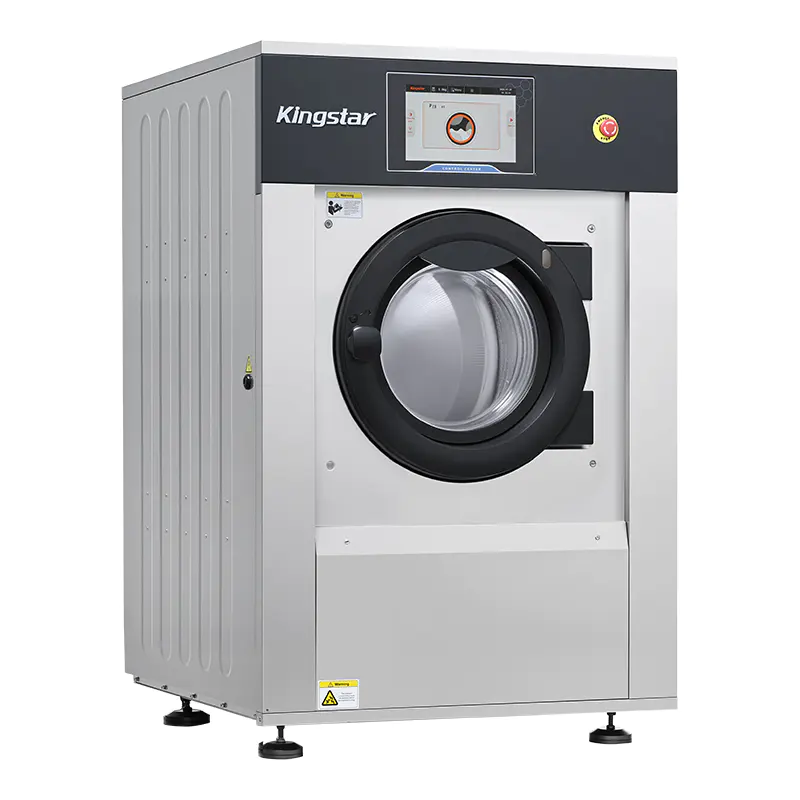
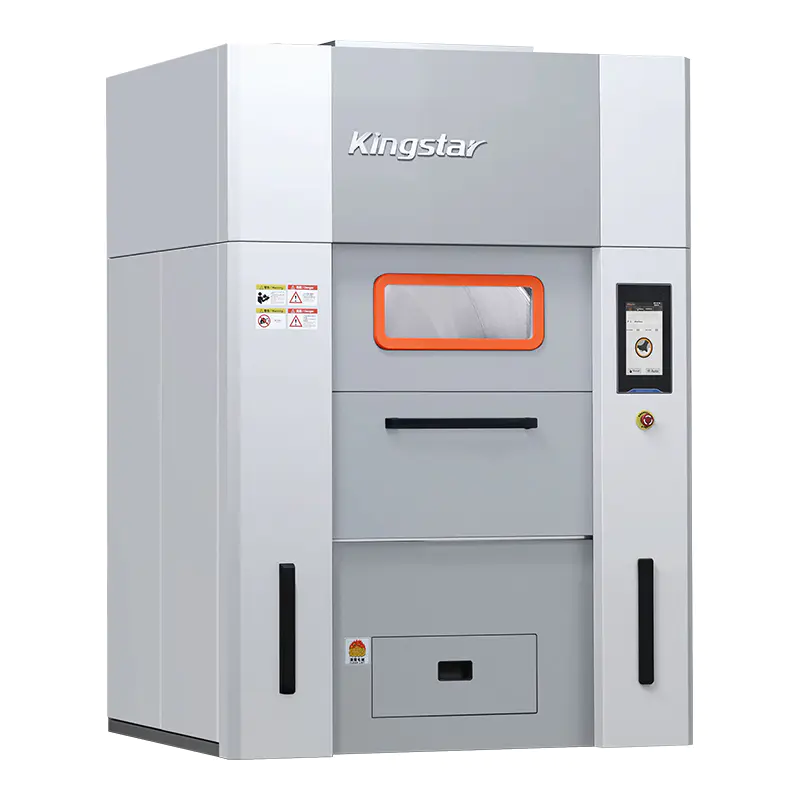
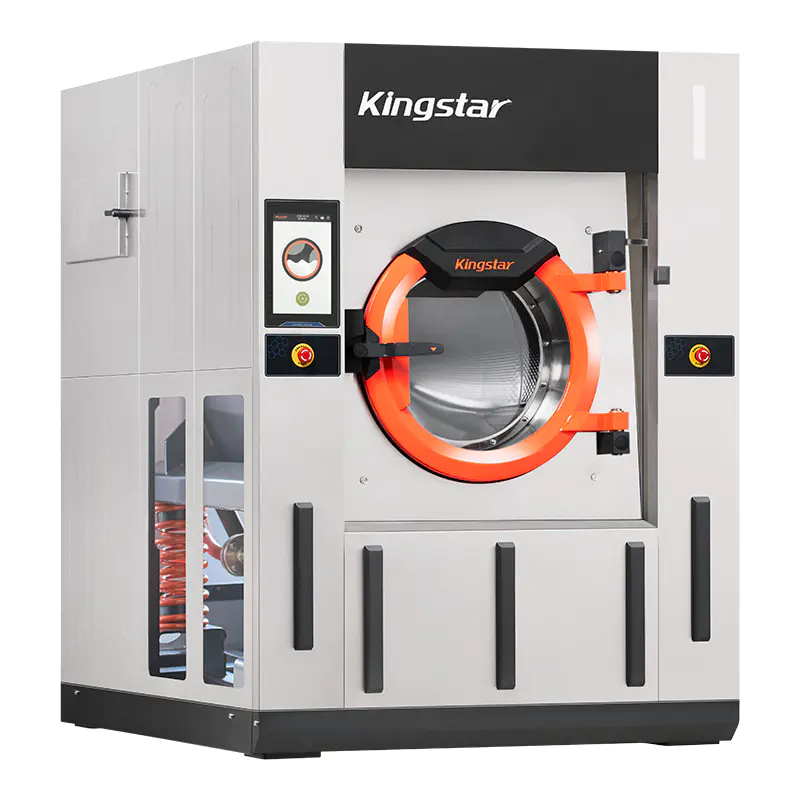
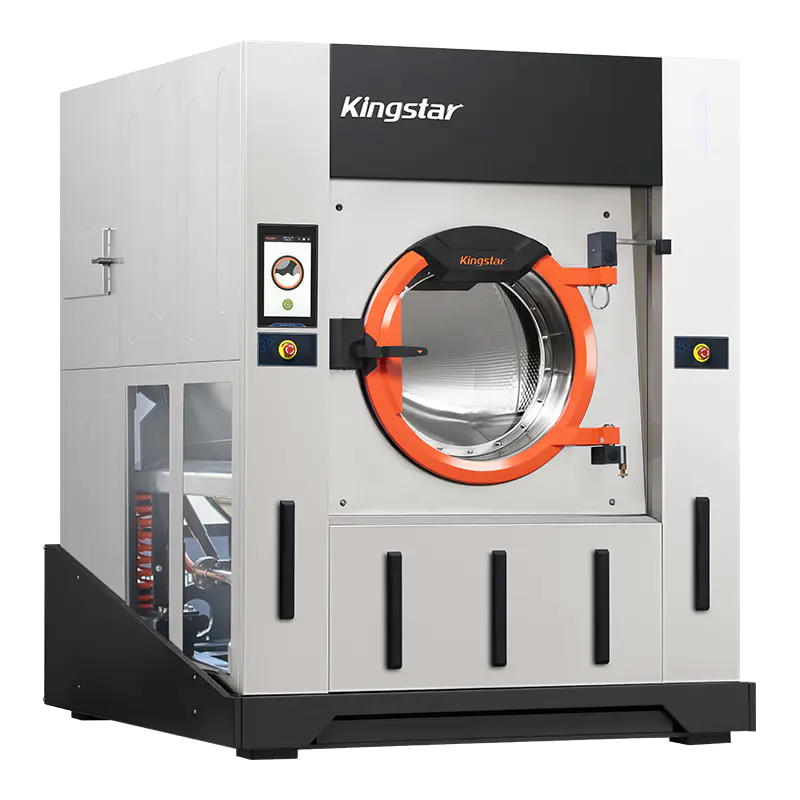
Kingstar professional wet cleaning machines are designed for these delicate care requirements. It transfers care experience (such as gentle action, low temperature and short period, low-speed extraction) for delicate fabrics into standardized programs with consistent performance. For example, the machine supports the minimum washing speed of 15 rpm. It allows operators to customize the wash and soak speed. This prevents severe mechanical friction at the source. It also supports precise low-temperature control and an adjustable extraction cycle with an ultra-short period and low speed. This effectively avoids the main physical elements caused by creases.
This programmable control means laundry shops can transform the high-risk care model. They can shift operator-dependent processes into repeatable and predictable standardized services. This is a technology upgrade as well as a development of the business model and risk management. Therefore, laundry shops will have confidence to accept more high-end and high-value garment care business.
Q&A
Q1: How to quickly explain the causes of metal fiber garments which are hard to press?
A1: Use a metaphor. For example, this fabric has very fine metallic fibers which are like the garment’s skeleton. While washing, these fibers are prone to developing uniform folds and being memorized. Ironing aims to stretch a soft steel wire. It can improve this state, but has difficulty restoring it to its original state. This helps clients understand.
Q2: For these high-maintenance cost and high-risk garments, how can laundry shops price them?
A2: A laundry shop can set a clear fee category for specialty fabric care. The price should be higher than regular laundry. And it should be based on separate handling time costs, chemical and equipment consumption costs, as well as potential risk premium. Transparent quotation is also a process of professionalism and can pass on values to clients.
Q3: Besides metal fibers, what new fabrics should be paid more attention to?
A3: Compound functional fabrics are increasingly used in modern garments, such as garments with durable water repellent (DWR) coating, phase-change material (PCM) temperature-adjustable fabrics, smart temperature control fibers, and complex spliced styles with multiple fabrics (leather and knitted materials). Laundry shops should check wash labels before handling and do a careful spot test. When unsure, it is necessary to communicate with clients about risks.
ADD:No.388 Xinggang Road, Chongchuan District, Nantong City, 226000, Jiangsu Province, China.
-
Phone: +86-13917089379
-
Tel:+86-13917089379
-
Fax:+86-0513-85663366
-
E-mail:louislu@kingstarlaundry.com