英语
英语 俄语
俄语 西班牙语
西班牙语 德语
德语
How to Balance Safety, Cleaning Power, and Cost (for Laundries)
In the global laundry industry, the homemade detergents are a new option that combines cost control and environmental protection advantages. The key to success lies in understanding its underlying logic and striking a balance among safety, efficiency, and cost savings. This article will analyze the core principles, This article will analyze the core principles for practitioners and provide actionable golden combination rules.
Scientific Collaboration Among the Three Major Roles
High-efficiency detergents’ formula depends on the collaboration of three core components. There is no need for complex chemical knowledge.
● Surfactant
It can reduce the surface tension of the water. Oil and dirt on the fibers can be in the water. Natural ingredients such as saponins in soapberry are mild. They can be effective and easily degradable.
● Enzymes
Enzymes such as protease, lipase, and amylase target and break down difficult stains like blood, oil, and starch. They are important for professional cleaning.
● Auxiliary agents
Sodium citrate softens hard water. Baking soda makes the cleaning solution stronger to remove oil. Using them together greatly improves the cleaning effect.
Best mix example: surfactant + auxiliary agent + a little protease for cotton and linen clothes. This achieves strong cleaning, low cost, and very little chemical residue.

Choice of Raw Materials
Choosing the right raw materials can break the misunderstanding that natural equals poor effect.
● Top natural performers
Wild sulfur-free soapnuts clean as well as synthetic products. They also have a fresh, natural scent. Tea seeds (with tea saponin) remove heavy oil and bacteria and are suitable for washing dirty, oily linens. Citric acid adjusts the water pH level. It removes yellow stains and makes white fabrics bright again.
● Safe chemical options
You can carefully add a small amount of non-ionic surfactant for very tough stains, such as industrial oil. We recommend a dosage below 5%. This ingredient is gentle and leaves little residue.
● Important warnings to avoid risks
Ingredients that have phosphorus or optical brighteners should be avoided. Phosphorus pollutes water and is banned in many places. Optical brighteners can easily cause skin allergies.
Many laundry shops have changed to natural formulas like soapnuts and tea seeds. Their customer complaints have dropped clearly. More customers come back to use their services again.
Compliance Management
Homemade detergent must meet the basic quality and environmental standards. This is the basis of risk aversion, long-term operation.
● pH value
You can buy low-cost pH test strips to check your detergent often. Cotton, linen, and synthetic fabrics need a pH of 7 to 9. Wool, silk, and other soft fabrics need a pH of 6 to 7. If the pH is not right, you can use citric acid or baking soda to fix it.
● Environmental protection standard
The detergent must have no phosphorus and not too much heavy metal. You can pay a small fee to test it every six months and use materials that break down easily. Some laundry shops used detergent with the wrong pH levels and damaged wool clothes. They paid money for the damage and also lost their good name.
Kingstar Viewpoint
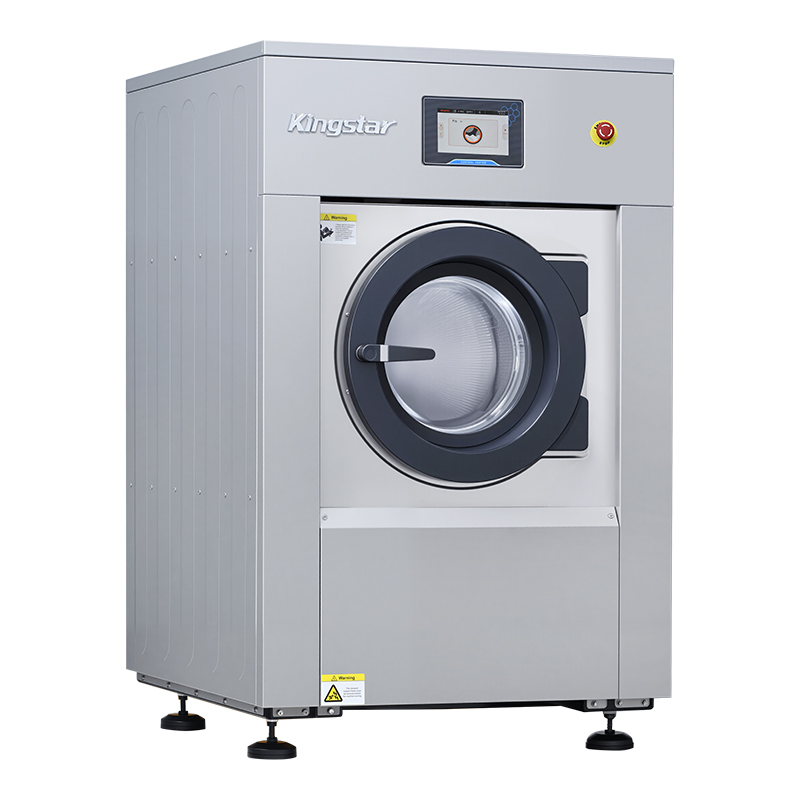
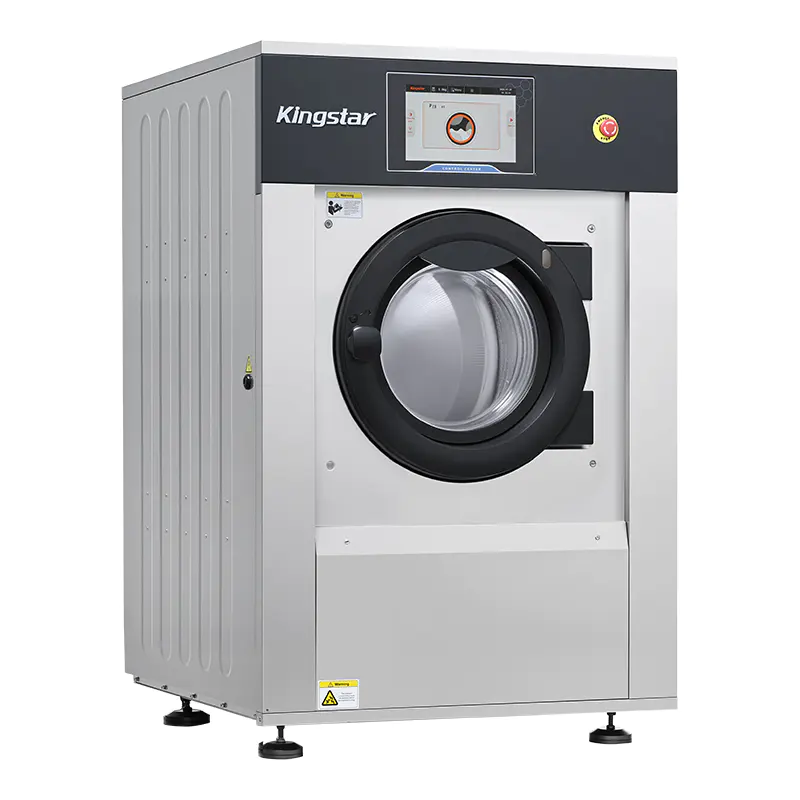
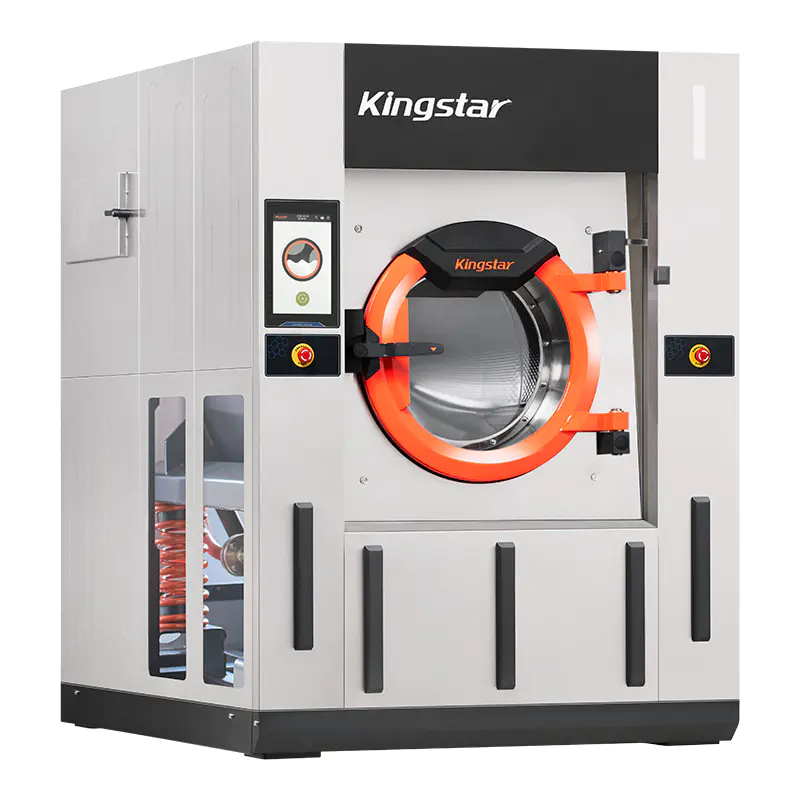
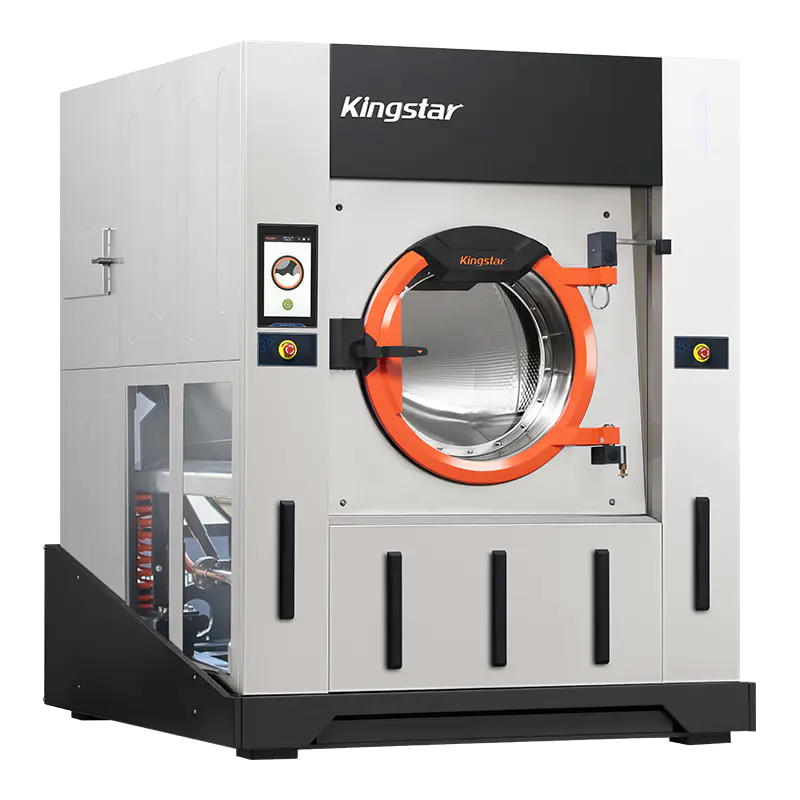
As a professional laundry equipment manufacturer, Kingstar deeply understands that the profound cleanliness after washing is the result of high-quality detergents and professional equipment. Our industrial washing machines and commercial washing machines are designed with full consideration of compatibility with a variety of eco-friendly formulas.
● The precise temperature control system ensures that the enzyme preparation operates at the optimal active temperature
The scientific water flow design enhances the peeling and transportation efficiency of surfactants.
An efficient multi-stage rinse program can minimize detergent residue as much as possible and ensure the cleanliness and softness of the fabric.
Conclusion
Kingstar is committed to being a reliable productivity partner. We can help you achieve a stable, efficient, and energy-saving washing process. Let’s promote the development of laundry services to a more sustainable future together.
Q&A
Q1: Is the initial investment cost of homemade detergent high?
A1: It is not high. In the beginning, the main focus is on the purchase of basic raw materials and simple mixing tools (containers, scales, pH test paper). You can do small-scale trial production. The precise material feeding and water temperature control system of Kingstar equipment helps achieve a more stable effect and reduce waste.
Q2: How to ensure the quality stability of homemade detergents between batches?
A2: A pH test should be done on each batch strictly according to the proportion of weighing and recording process parameters. By taking advantage of the programmable feature of Kingstar washing machines, the verified successful washing processes (temperature, time, and water level) should be fixed as preset programs to ensure consistency.
Q3: What should be noted when operating in regions with strict environmental protection regulations?
A3:
Local scour, phosphorus, heavy metals, and biodegradability are specific laws and regulations.
Safety data sheets (SDS) of all raw materials for inspection.
Regular third-party inspections.
Using Kingstar’s high-efficiency, energy-saving, and low-water-consuming equipment can reduce environmental load from the source of the washing process, complement your eco-friendly detergent solution, and build a green competitive edge.
ADD:No.388 Xinggang Road, Chongchuan District, Nantong City, 226000, Jiangsu Province, China.
-
Phone: +86-13917089379
-
Tel:+86-13917089379
-
Fax:+86-0513-85663366
-
E-mail:louislu@kingstarlaundry.com