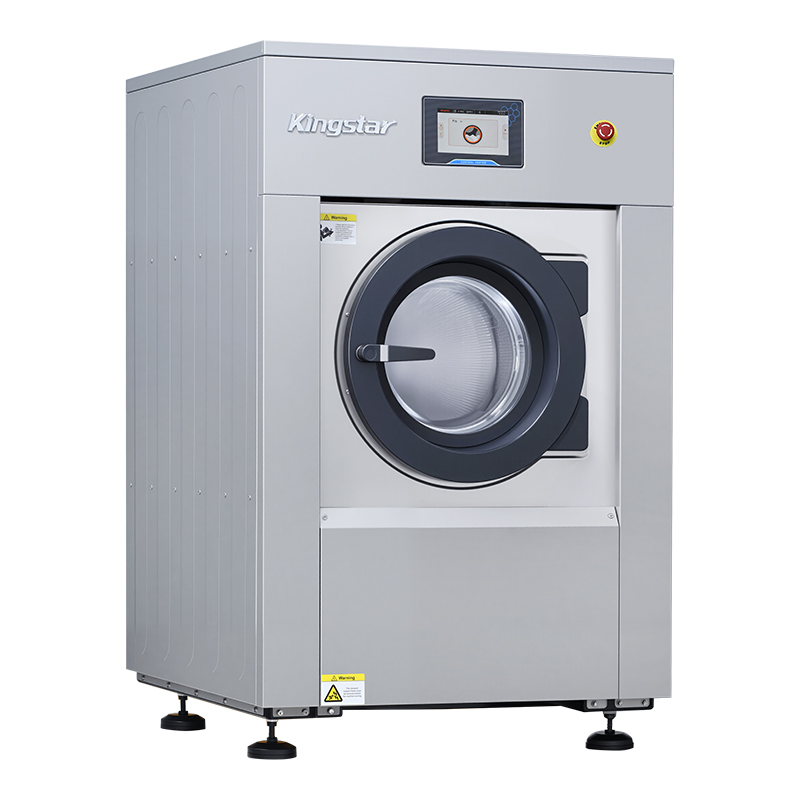
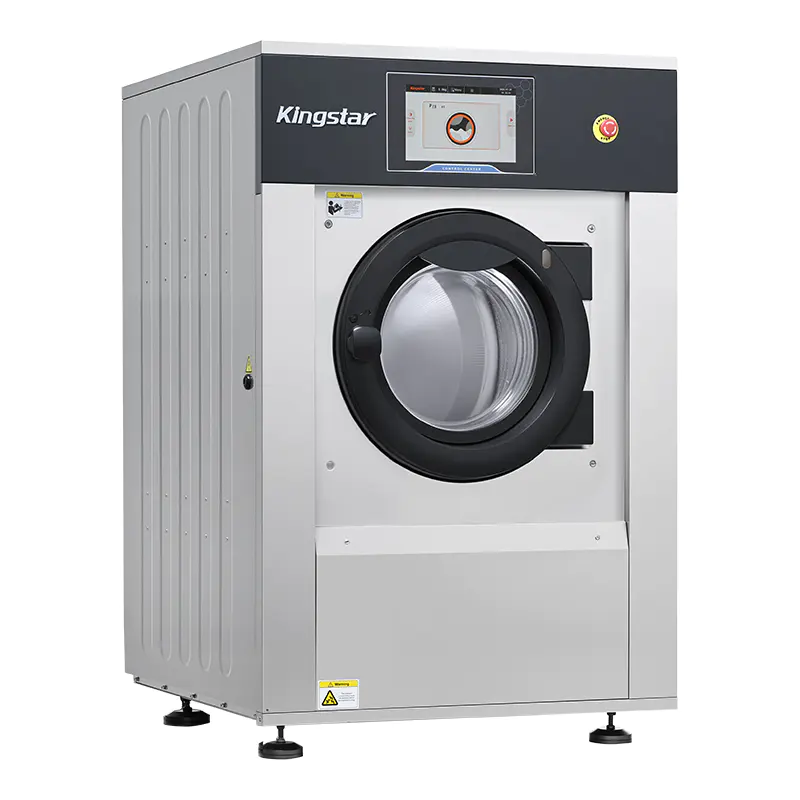
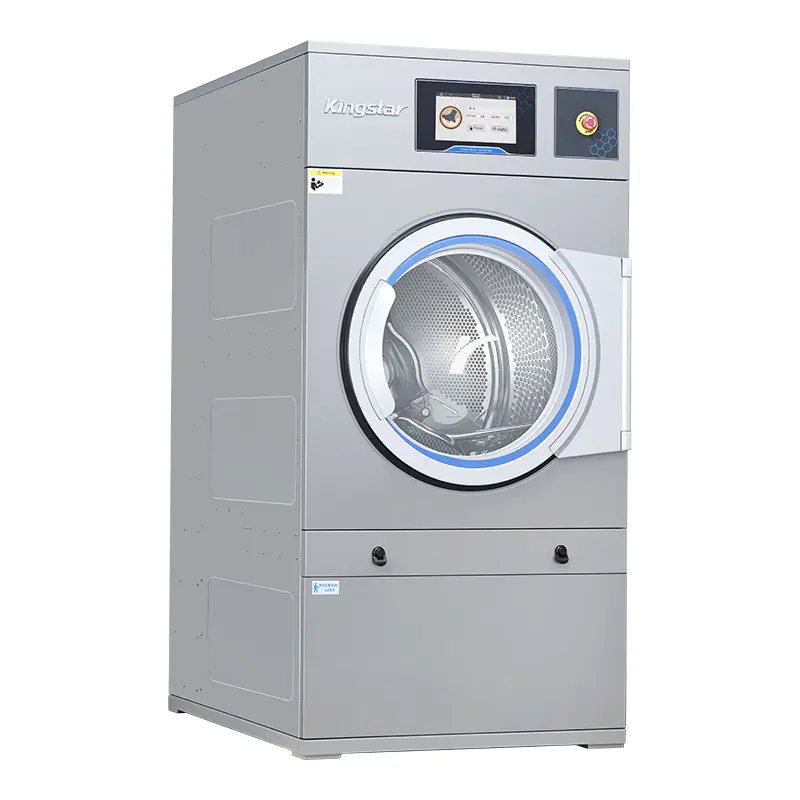
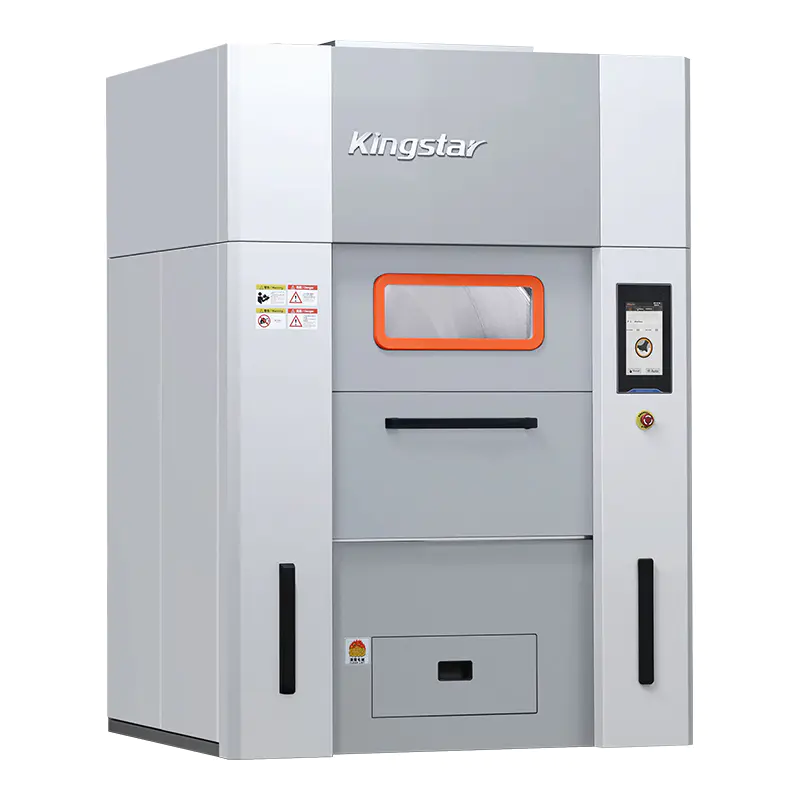
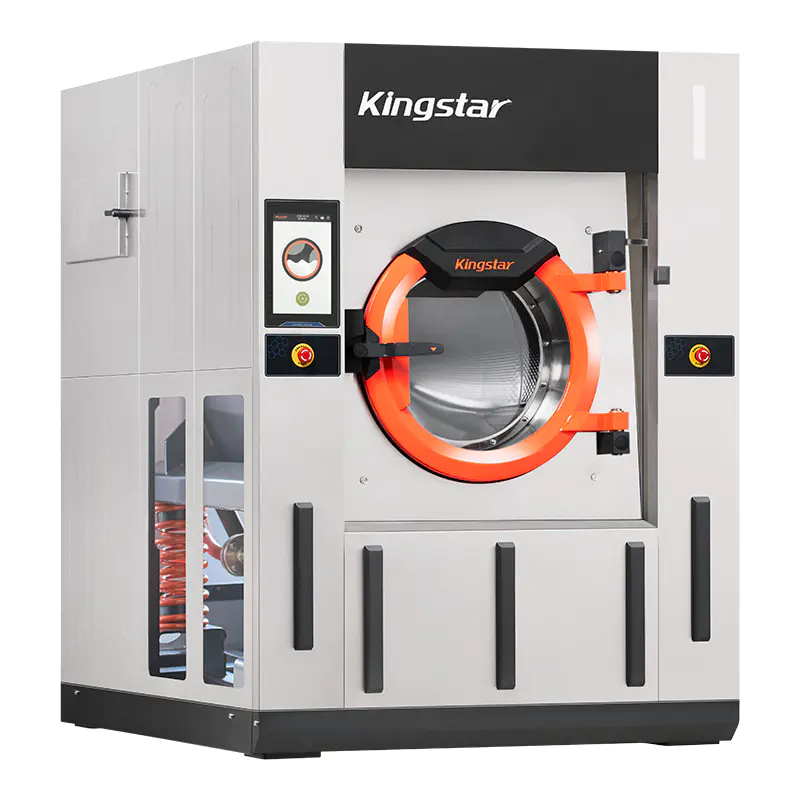
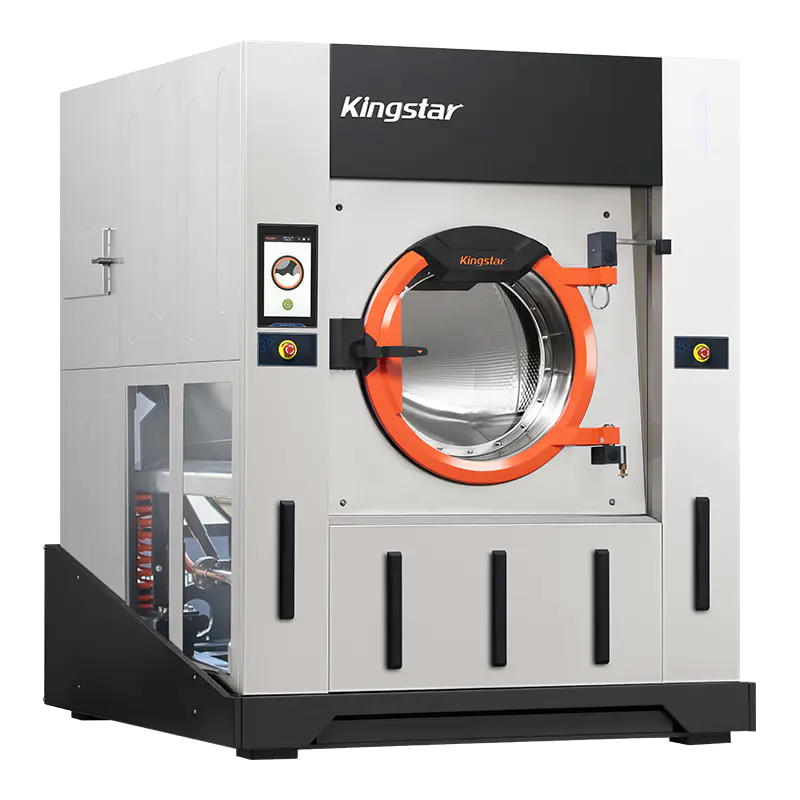
Hotels and hospitals both rely heavily on industrial washing machines, yet the reasons behind their dependence differ in structure, regulation, and operational logic. In hospitality environments, laundry operations are driven by guest turnover, brand perception, and service continuity. Bed linens, towels, tablecloths, and staff uniforms must be cleaned, dried, and returned to service within predictable time windows. The primary concern is not only cleanliness but also consistency in appearance, texture, and comfort. Industrial washing machines enable hotels to process large volumes daily while maintaining uniform results across different fabric types.
Hospitals, by contrast, operate under a fundamentally different set of constraints. Laundry in healthcare settings is tightly linked to infection control and patient safety. Items such as surgical gowns, bedding, and isolation garments are classified as potentially contaminated materials. Industrial washing machines used in hospitals must support validated thermal and chemical disinfection cycles, precise temperature control, and traceable process documentation. The goal is not aesthetic consistency but microbial risk reduction. Household or semi-commercial machines cannot reliably meet these requirements due to limitations in temperature stability, load segregation, and process verification.
These differences explain why industrial washing machines in hospitals are often integrated into controlled laundry zones with clear separation between soiled and clean areas. Machines are designed to support barrier configurations, automated chemical dosing, and programmable cycles tailored to different contamination levels. Without industrial-grade equipment, hospitals would struggle to meet regulatory expectations or manage the volume of textiles required for continuous patient care.
In food processing, pharmaceutical production, and electronics manufacturing, laundry is not a support activity but a direct contributor to product safety and yield. Staff uniforms, cleaning cloths, and reusable protective garments can act as vectors for contamination if not cleaned under controlled conditions. Industrial washing machines are essential because they offer repeatable, validated processes that align with hygiene management systems such as HACCP, GMP, and cleanroom protocols.
Food processing facilities require consistent removal of organic residues, oils, and microorganisms from textiles. Industrial washing machines allow operators to control water temperature, mechanical action, and detergent concentration with precision. This ensures that residues are removed without damaging fabrics or leaving chemical traces that could contaminate food products. The scale of operation also matters, as facilities often need to process hundreds of uniforms per shift to maintain hygiene standards across multiple production lines.
Pharmaceutical and electronics manufacturing impose additional constraints. In these environments, particulate control and cross-contamination prevention are critical. Industrial washing machines can be paired with specialized drying and finishing equipment to minimize fiber shedding and static buildup. Process consistency ensures that garments entering cleanrooms meet defined cleanliness thresholds. Without industrial washing machines capable of supporting these controlled processes, maintaining production stability would be difficult.
Centralized laundry plants serve multiple clients or facilities and operate under a different economic and operational model compared to on-site laundry rooms. Their primary performance indicator is throughput per unit time rather than the outcome of a single wash cycle. Industrial washing machines in these plants are selected based on load capacity, cycle repeatability, and integration with automated material handling systems.
In centralized operations, laundry moves through a continuous flow that includes sorting, washing, extraction, drying, finishing, and distribution. The washing stage must align with upstream and downstream processes to avoid bottlenecks. Industrial washing machines are designed to support this flow by offering predictable cycle times, rapid loading and unloading, and compatibility with conveyors and batch washers.
While cleaning quality remains important, it is standardized rather than optimized for individual loads. Process parameters are tuned to deliver acceptable results across a wide range of textiles, allowing the plant to maximize output. This approach would not be feasible with household machines, which lack the durability, control interfaces, and mechanical design required for continuous industrial operation.
Beyond individual hospitals, many healthcare networks rely on shared industrial laundry facilities that serve multiple institutions. These facilities process linens from hospitals, clinics, nursing homes, and emergency services. Industrial washing machines are critical in this context because they support load tracking, process documentation, and compliance reporting across a complex service network.
Public services such as firefighting, law enforcement, and emergency response also depend on industrial laundry systems. Protective clothing used in these fields requires specialized cleaning to remove contaminants without degrading protective properties. Industrial washing machines can accommodate customized cycles and mechanical action levels that preserve fabric integrity while meeting cleanliness requirements.
Industrial manufacturing environments often involve heavy use of workwear, absorbent materials, and protective garments. Oil, grease, metal particles, and chemical residues accumulate rapidly, making frequent and thorough cleaning essential. Industrial washing machines allow manufacturers to manage this textile turnover without excessive replacement costs.
In maintenance-intensive industries such as transportation, energy, and heavy equipment servicing, laundry operations are closely linked to safety and productivity. Clean uniforms improve worker comfort and reduce the risk of secondary contamination in sensitive areas. Industrial washing machines provide the capacity and durability needed to support these continuous cleaning cycles.
New application scenarios are gradually expanding the functional definition of industrial washing machines. Educational institutions, research facilities, and training centers increasingly use industrial laundry equipment to teach process management and equipment maintenance. In these settings, machines serve both operational and instructional roles.
Low-cost automation environments and shared service facilities are also adopting industrial washing machines as part of broader operational systems. Integration with digital monitoring platforms allows operators to track performance metrics, resource usage, and maintenance needs. These capabilities reflect a shift from standalone machines to interconnected operational assets.
| Industry | Primary Dependency Reason | Operational Impact Without Industrial Machines |
| Hospitals | Infection control and regulatory compliance | Increased contamination risk and service disruption |
| Hotels | Service continuity and volume processing | Delayed room turnover and inconsistent quality |
| Food Processing | Hygiene and cross-contamination prevention | Product safety risks and regulatory penalties |
| Pharmaceuticals | Controlled cleanliness and documentation | Production instability and compliance issues |
| Central Laundry Plants | Throughput and process integration | Operational bottlenecks and reduced capacity |
Equipment manufacturers play a supporting role by providing machines that align with the operational realities of these industries. Experience in material selection, mechanical design, and control system development contributes to machine reliability and adaptability. Companies with long-term involvement in commercial laundry manufacturing, such as Kingstar, apply accumulated process knowledge to address diverse operational needs without overcomplicating system design.
Rather than focusing solely on individual machine specifications, manufacturers increasingly consider how equipment fits into broader workflows. This includes compatibility with automation systems, ease of maintenance, and access to replacement components. These factors influence whether an industrial washing machine can sustain long-term operation in demanding environments.
Across healthcare, food production, pharmaceuticals, centralized laundry services, and high-intensity manufacturing, industrial washing machines function as infrastructure rather than optional equipment. Their absence would require significant changes to operational models, labor allocation, and risk management strategies. In many cases, alternative solutions would introduce higher costs, lower consistency, or increased regulatory exposure.
The dependence on industrial washing machines in these sectors reflects the broader industrial need for controlled, repeatable, and scalable processes. As industries continue to evolve, the role of industrial laundry equipment adapts accordingly, supporting both established operations and emerging application scenarios without relying on consumer-grade alternatives.
ADD:No.388 Xinggang Road, Chongchuan District, Nantong City, 226000, Jiangsu Province, China.
Phone: +86-13917089379
Tel:+86-13917089379
Fax:+86-0513-85663366
E-mail:[email protected]
Cookies give you a personalized experience,Сookie files help us to enhance your experience using our website, simplify navigation, keep our website safe and assist in our marketing efforts. By clicking "Accept", you agree to the storing of cookies on your device for these purposes. Click "Adjust" to adjust your cookie preferences.For more information, review our Cookies Policy.