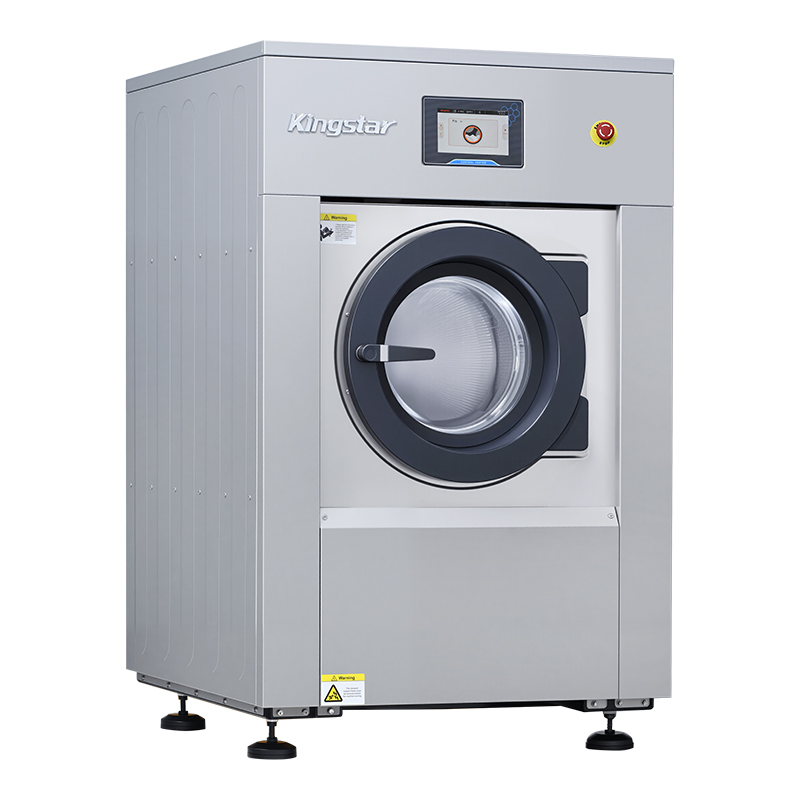
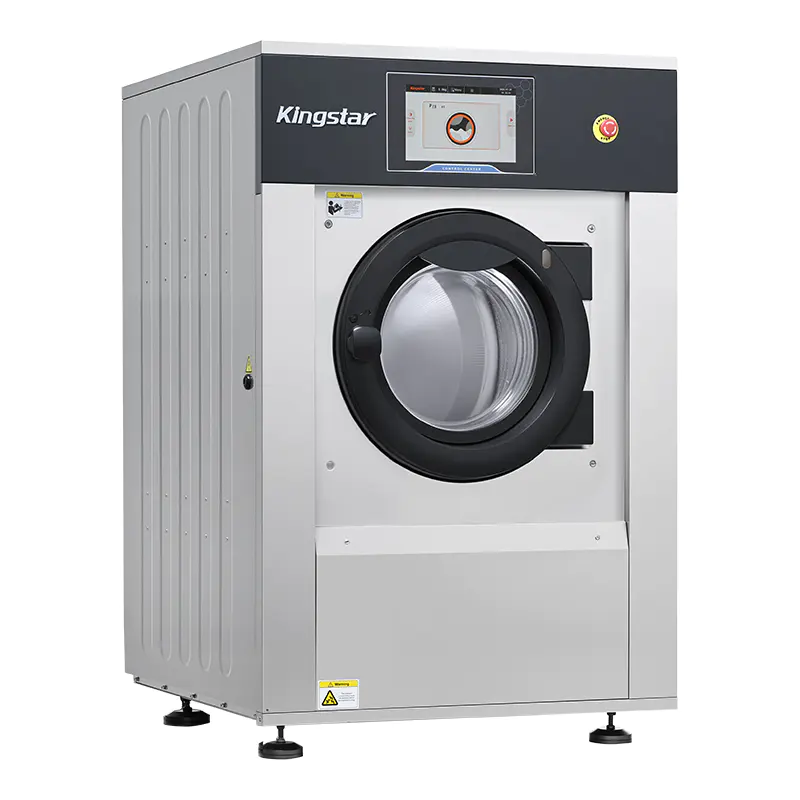
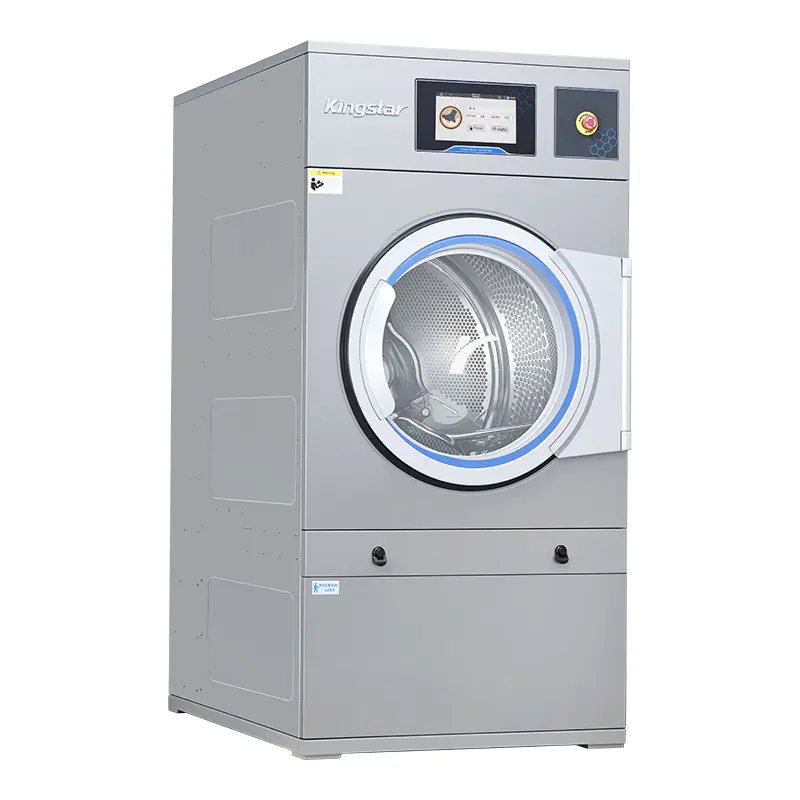
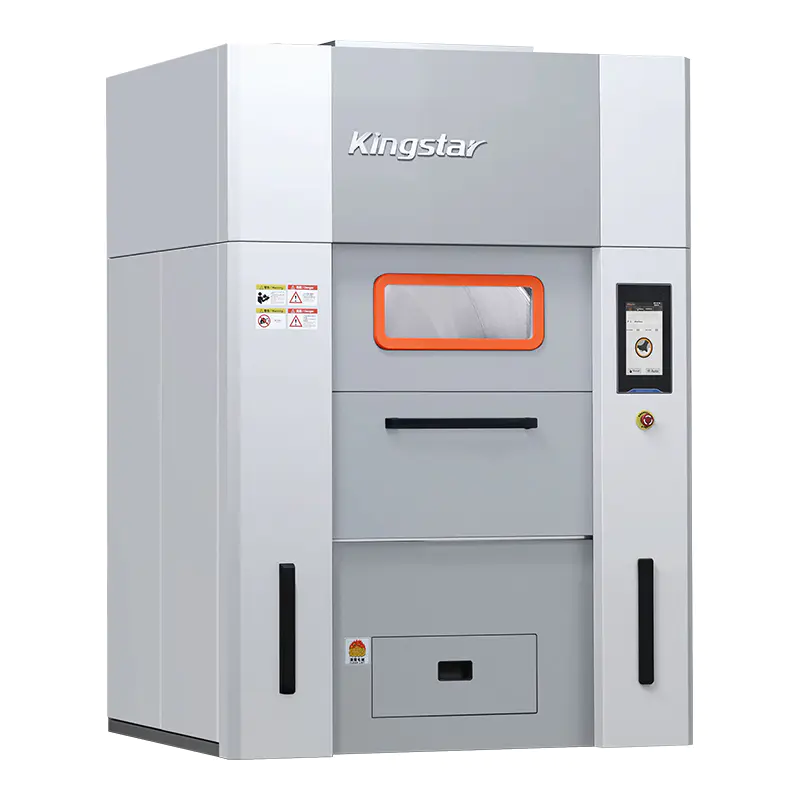
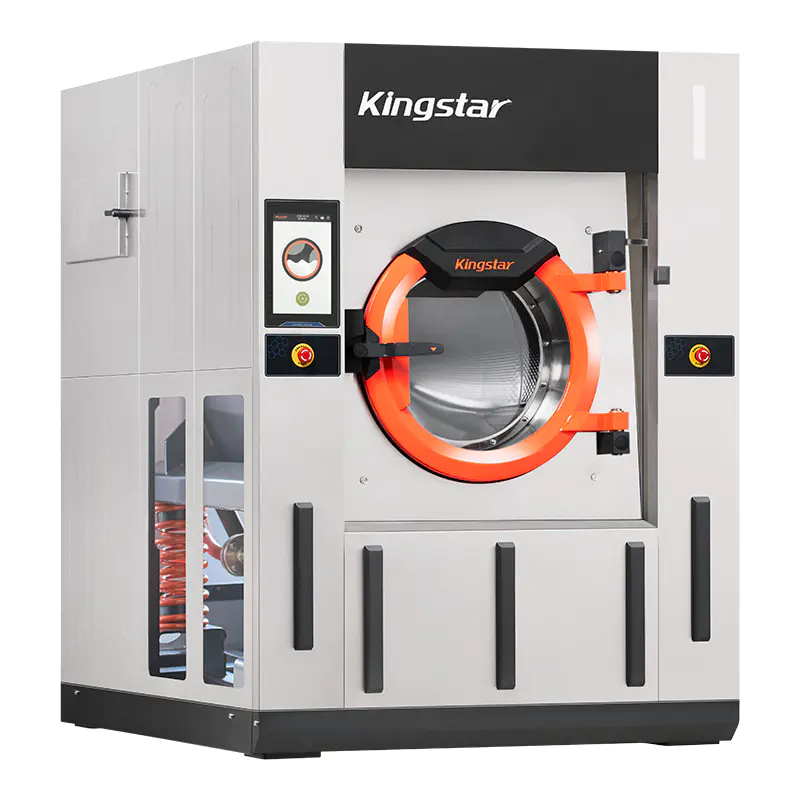
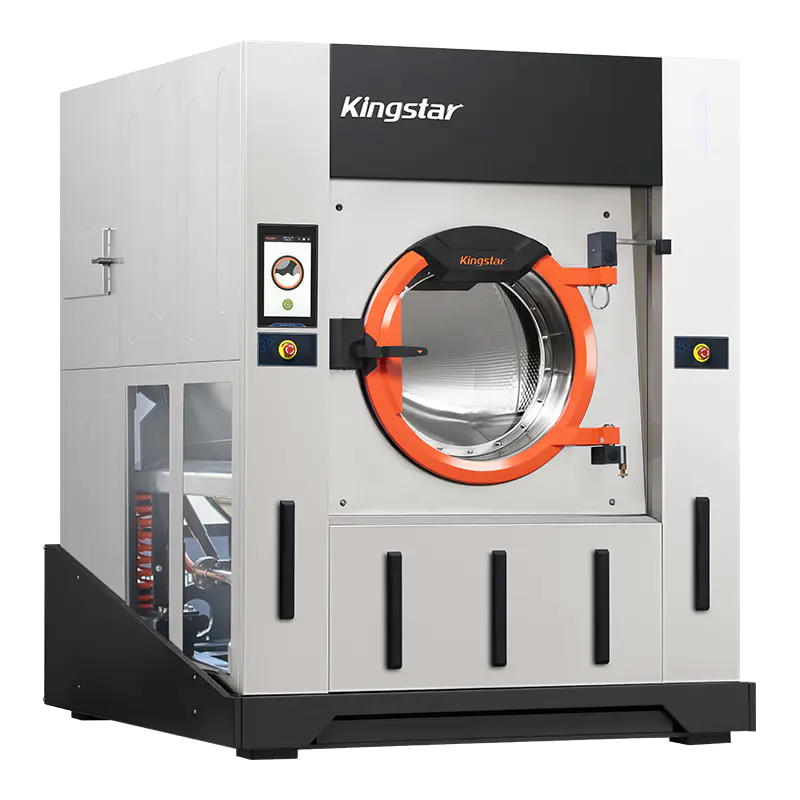
Industrial washing machines provide significant efficiency improvements in commercial and industrial laundry operations. Unlike traditional home washing machines, industrial units are engineered for high-capacity and continuous operation. They can handle multiple loads in a single cycle, reducing the time required to process large volumes of laundry. The mechanical design, including stronger motors, advanced drum configurations, and optimized water circulation, allows faster washing, spinning, and drying processes.
These machines are also designed to maintain consistent washing quality across large batches. Automated control systems regulate water temperature, detergent dosing, and cycle duration, minimizing human error and ensuring uniform cleaning. In commercial environments such as hotels, laundromats, and fitness centers, these efficiencies translate directly into increased throughput, reduced downtime, and more predictable laundry schedules.
By adopting industrial washing machines, businesses can process higher volumes of laundry without proportionally increasing labor or space requirements. Machines are often integrated with conveyor systems, sorting units, and automated folding or packaging stations, creating end-to-end efficiency in the workflow. This level of automation is unattainable with traditional household washers and relies on the robust engineering of industrial models.
Operational cost management is a critical factor for commercial and industrial laundry operations. Industrial washing machines contribute to cost savings in several ways. First, advanced water recycling and optimized water flow systems reduce the volume of water required per cycle. Machines are often equipped with sensors that adjust water intake based on load size and fabric type, preventing waste and lowering utility bills.
Second, energy efficiency is enhanced through optimized heating systems and high-efficiency motors. Industrial washers use less electricity per kilogram of laundry compared to multiple small domestic machines performing the same total load. Heat recovery systems can further improve energy utilization by capturing waste heat from previous cycles to preheat incoming water.
Third, labor costs are reduced due to automation and load handling capabilities. Industrial machines can process hundreds of kilograms of laundry in a single cycle, minimizing the need for manual intervention. This not only decreases staffing requirements but also reduces the physical strain on employees, leading to safer working conditions and more consistent output.
In addition, maintenance routines are streamlined. Industrial machines are built for durability, with components such as reinforced drums, heavy-duty bearings, and advanced control panels designed for continuous operation. Predictable maintenance intervals reduce unexpected downtime and repair costs, further contributing to cost efficiency.
In sectors such as healthcare, food processing, and hospitality, hygiene and safety standards are non-negotiable. Hospitals, clinics, and laboratories require strict protocols to ensure sterilization and minimize contamination risks. Industrial washing machines are engineered to meet these standards, with precise temperature control, chemical dosing, and validated washing cycles that comply with local and international regulations.
For example, in hospital laundry, industrial washers can reach temperatures sufficient to eliminate bacteria and viruses from linens and garments. Automated documentation systems track cycles, temperature profiles, and detergent usage, providing a verifiable record for quality assurance and regulatory compliance.
Food processing facilities have similar requirements, where textiles, uniforms, and cleaning cloths must be sanitized regularly. Industrial machines allow operators to maintain consistent hygiene standards without relying on manual adjustments, ensuring both compliance and efficiency.
The design of industrial washers also accounts for operator safety. Enclosures, emergency stop mechanisms, and automated load balancing reduce the risk of accidents. Ergonomic loading and unloading mechanisms minimize strain injuries, and automated chemical dosing limits direct human contact with potentially hazardous substances.
Industrial washing machines offer multiple advantages over traditional home washers or manual laundry processes. Capacity is the first and most visible difference; industrial units can handle several times the volume of laundry that a household machine can, allowing businesses to process more in less time. This is especially relevant in hotels, hospitals, and commercial laundries where daily loads can reach hundreds of kilograms.
Speed and consistency are other key benefits. Industrial washers operate with higher RPMs for spinning and advanced drum agitation designs that enhance cleaning performance while reducing drying time. Automated cycles reduce human variability and ensure repeatable results across all loads.
Durability is a significant advantage. Industrial machines are built with heavy-duty motors, reinforced steel frames, and corrosion-resistant components to withstand continuous operation. In contrast, household machines are designed for intermittent use and may require frequent replacement in high-demand environments.
Energy and water efficiency are also optimized in industrial designs. Sensors, controlled water injection, heat recovery systems, and programmable cycles reduce resource consumption compared to manually operated or domestic washers. While the upfront cost is higher, the long-term operational savings justify the investment in professional settings.
Industrial machines also integrate easily into larger workflow systems, enabling batch processing, automatic sorting, and mechanized material handling. This integration is not feasible with standard domestic machines and represents a crucial factor in industrial and commercial efficiency.
Kingstar has established itself as a leading manufacturer in the commercial laundry industry through careful selection of materials and continuous technological updates. Over 25 years, the company has cultivated relationships with reliable material suppliers and incorporated advancements in motor efficiency, drum coatings, and control systems. These efforts ensure that the machines deliver consistent performance in demanding commercial environments.
Material considerations include high-grade stainless steel drums, reinforced bearings, and corrosion-resistant coatings. These choices extend service life, reduce maintenance requirements, and improve hygiene standards. Motor technology emphasizes efficiency and load handling, with precise control over spin speeds and temperature profiles. Combined, these material and design decisions enhance the overall value proposition of Kingstar industrial washers.
Industrial washing machines have a measurable impact on overall business operations. By automating large portions of the laundry process, organizations can optimize labor allocation, reduce downtime, and streamline inventory management. Uniform washing cycles prevent textile damage and maintain fabric quality, which is particularly important for hotels, healthcare facilities, and food service operations.
The machines also allow for predictable scheduling and workflow integration. For example, laundry loads can be timed to coincide with shift changes, peak business periods, or operational breaks, ensuring a steady supply of clean textiles without interrupting other operational functions. This level of predictability contributes to higher overall operational efficiency and customer satisfaction.
Sustainability is an increasing concern in industrial operations. Modern industrial washing machines are designed with environmental impact in mind. Reduced water usage, energy-efficient motors, and optimized chemical dosing contribute to lower environmental footprints. Heat recovery systems and smart scheduling further reduce energy consumption, helping facilities meet regulatory and corporate sustainability goals.
Wastewater management is another area where industrial machines outperform domestic washers. Industrial units can connect to filtration, recycling, or heat exchange systems, minimizing the release of untreated effluents and supporting compliance with environmental regulations.
While the upfront investment for industrial washing machines is higher than that for domestic units, the long-term benefits justify the expenditure. Key cost-benefit factors include reduced labor costs, lower water and energy consumption, higher throughput, and minimized downtime. Additionally, the extended lifespan of industrial machines reduces the frequency and cost of replacements.
A comparative table illustrates these advantages:
| Aspect | Industrial Washing Machine | Traditional Household/Manual Washer |
| Capacity per Cycle | 50–500+ kg | 5–10 kg |
| Cycle Duration | Optimized 20–60 min with automation | 30–90 min, manual adjustments required |
| Water Efficiency | Automated dosing, recycling options | Manual filling, higher consumption |
| Energy Efficiency | High-efficiency motors, heat recovery | Standard motors, limited energy recovery |
| Maintenance | Scheduled preventive maintenance, durable components | Frequent repairs or replacement in high-use scenarios |
| Hygiene Compliance | Meets healthcare, food safety, and regulatory standards | Limited compliance capabilities |
| Integration | Supports automation and workflow integration | Standalone operation only |
| Labor Intensity | Low, mostly monitoring | High, manual handling required |
Emerging markets present opportunities for industrial washing machine adoption. Hotels, hospitals, and commercial laundries in developing regions are increasingly seeking efficiency improvements and operational cost reductions. Kingstar’s expertise in reliable and high-capacity machines positions it to address these needs through both standard and customized solutions.
In addition, educational institutions and industrial training programs are incorporating industrial washing equipment to teach operational best practices and machinery management. These applications further expand the market while introducing a new generation of professionals familiar with industrial laundry technology.
Industrial washing machines contribute to operational efficiency through higher throughput, reduced labor intensity, and optimized resource usage. The design considerations, including advanced materials, durable components, and automated control systems, allow businesses to maintain hygiene standards and meet regulatory requirements. Brands like Kingstar integrate technological improvements over decades, enabling machines to handle large loads reliably while minimizing energy and water consumption.
In commercial and industrial environments, the ability to process large volumes of laundry consistently supports smooth workflow and scheduling. Automated cycles, precise temperature control, and chemical dosing reduce variability in output quality. Operators can focus on monitoring rather than manual handling, freeing labor for other tasks and lowering operational risks.
The combination of robust design, automation, and adaptability to different operational environments positions industrial washing machines as a practical solution in sectors such as healthcare, hospitality, food processing, and low-cost automation facilities. Machines can be integrated into larger production or service systems, linking laundry processes with sorting, packaging, and delivery workflows. This integration enhances operational reliability and efficiency while aligning with ongoing technological and regulatory requirements.
ADD:No.388 Xinggang Road, Chongchuan District, Nantong City, 226000, Jiangsu Province, China.
Phone: +86-13917089379
Tel:+86-13917089379
Fax:+86-0513-85663366
E-mail:[email protected]
Cookies give you a personalized experience,Сookie files help us to enhance your experience using our website, simplify navigation, keep our website safe and assist in our marketing efforts. By clicking "Accept", you agree to the storing of cookies on your device for these purposes. Click "Adjust" to adjust your cookie preferences.For more information, review our Cookies Policy.