英语
英语 俄语
俄语 西班牙语
西班牙语 德语
德语
Practical Guide for Laundries: Tackling Stain Rings
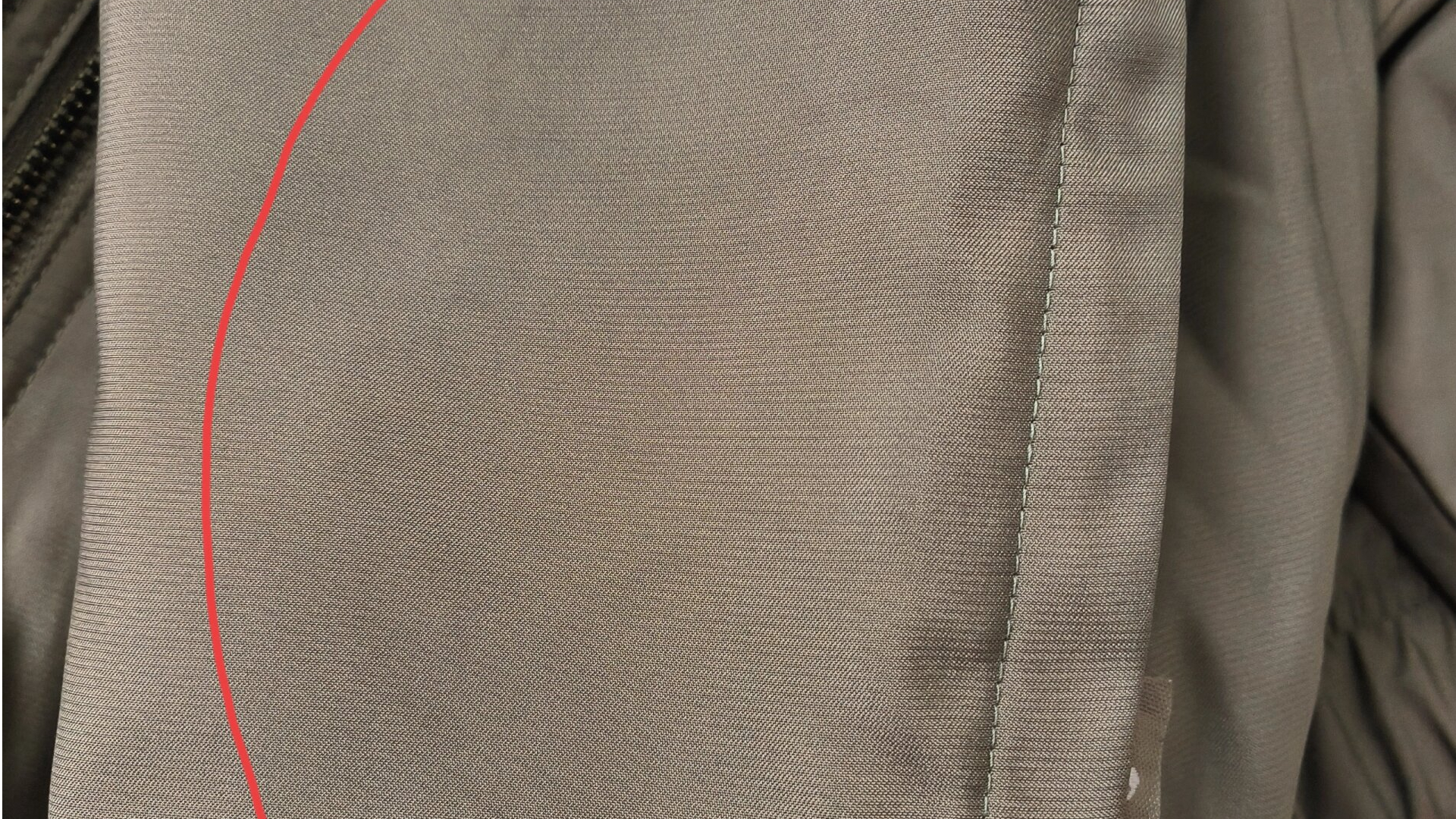
In professional laundries, the most frustrating scene of stain removal work is that after tough removal of a stubborn stain, an even more noticeable circular mark appears on the clothes. It is a stain ring.
Understanding the formation of stain rings and systematic prevention and treatment is the task of professional care.
Cause Analysis of Stain Rings
A stain ring is actually a ring-shaped residue. It is formed by the uneven deposition of dissolved or carried substances when a liquid evaporates on a fabric. Its formation follows these key principles.
● Capillary Migration of Liquids
When liquid touches fabric with many pores, it spreads out through capillary action. Stains and impurities move along with the liquid. Evaporation begins at the edges of wet areas, and dissolved particles move to the wet boundary. They accumulate and leave a mark.
● Accidental Dissolution of Fabric Finishes
Many fabrics get chemical treatments before they’re sold, like sizing or resin finishing. Some of these treatments dissolve in water. When a wet stain remover or a spilled drink touches the fabric, it dissolves these finishes. Then the liquid spreads out, dries, and leaves a mark.
● Fabric Structure
- Lined or quilted fabrics
The outer layer dries fast, but the inner filling/lining dries slowly. Rings occur where wet meets dry.
- Matte knits
The surface easily shows an uneven look.
● Slow Effects of Chemical Residues
If stain removers or detergents aren’t removed completely, residual chemicals can slowly spread. They react with fibers and dyes, and create color rings/yellow rings later on.
Systematic Solutions
When facing stain rings, people should follow the principle of prevention first and then precise treatment.
● Core Prevention
- Control the wet area
When spot cleaning, a clean, absorbent white towel should always be put under the fabric. It is a barrier to soak up liquid.
- Direction
People should use stain removers from the edge of the stains to the center so that stains won’t spread into clean areas.
- Rinse
Staff should use a steam gun or a professional water gun to fully rinse.
● Classic Removal Techniques
If rings have already formed, people can use these methods based on the type.
- Lightly re-wet the area to break the sharp dry line and make moisture even across the fabric. This is the main way to fix common water rings.
Hold a steam gun 7 to 10 cm away and quickly pass dry steam over the ring edge to make it slightly damp → Wipe from the damp area toward the dry fabric with a clean towel to blend the moisture right away→ Do small sections one at a time.
- Vacuum Drying
It is suitable for fabric that is still very wet after cleaning, which can easily form new rings.
Lay the damp area flat on the screen of the spotting table → Turn on the cool air from the spotting gun and the vacuum suction under the screen at the same time → dry the spot quickly and evenly.
- Chemical Leveling Agents
Leveling agents lower the surface tension of water and break it into tiny droplets. It can be sprayed around the stain before cleaning to help prevent rings.
● Treatment of Special Stain Rings
- Dull rings from dissolved water-soluble sizing
They are common on rayon, silk, and some matte knits.
- Solution
Hold a steam gun 20 to 30 cm away → use very fine mist to lightly dampen the whole area evenly → sizing spread out again → dry quickly and completely right away.
● Broken resin finishes
- Solution
Dab a cotton swab in amyl acetate → gently brush the ring to dissolve damaged resin residue → dry-clean the whole garment immediately.
● Hidden rings from fabric structure
They are common on quilted items like down jackets and padded coats. Rings form when oil, dirt, or moisture from the inner filling seeps back to the surface while drying.
- Best solution
Professional wet cleaning works much better than dry cleaning. It dissolves and removes water-soluble salts, oils, and dirt from the filling more effectively. We recommend a detergent with non-ionic surfactants, which cleans oil well and rinses out easily.
Kingstar Equipment
The source of many stubborn ring marks is improper control of the washing, rinsing, and drying process. The design idea of the Kingstar washing and drying system is to use precise and programmable control to help laundry shops avoid such problems.
● Washing
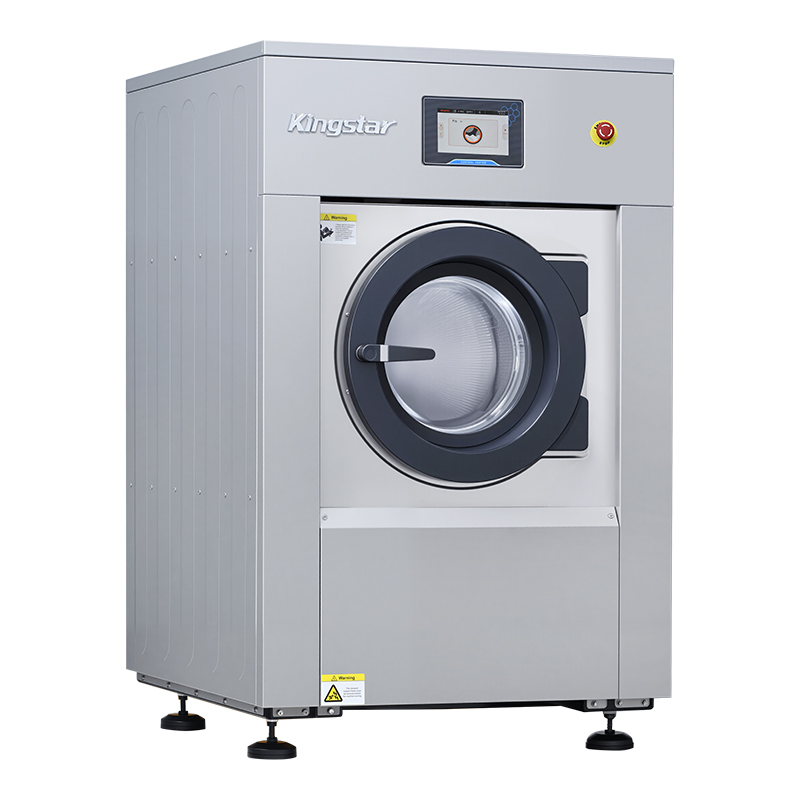
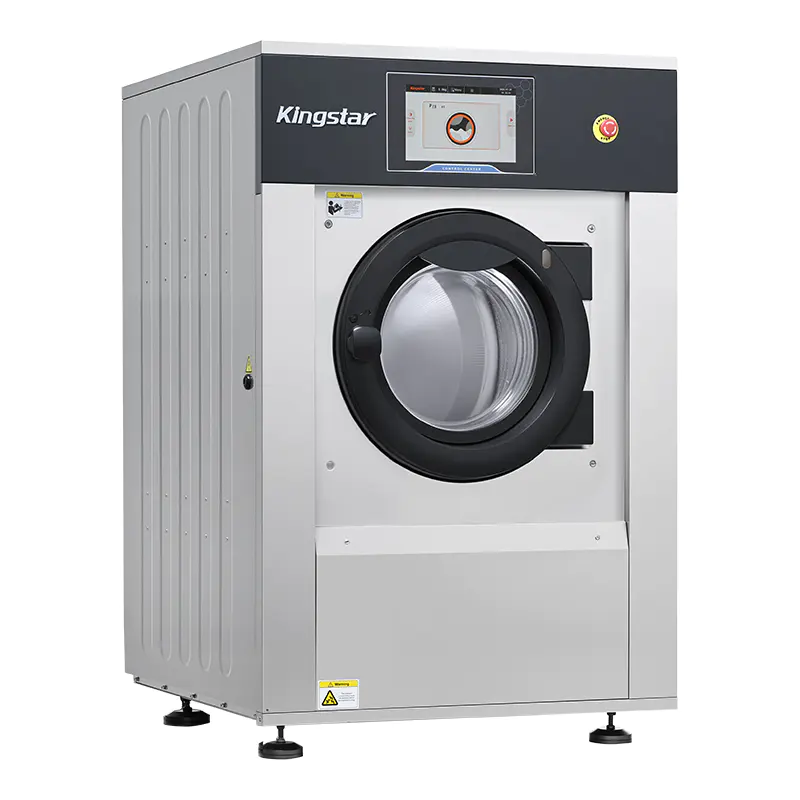
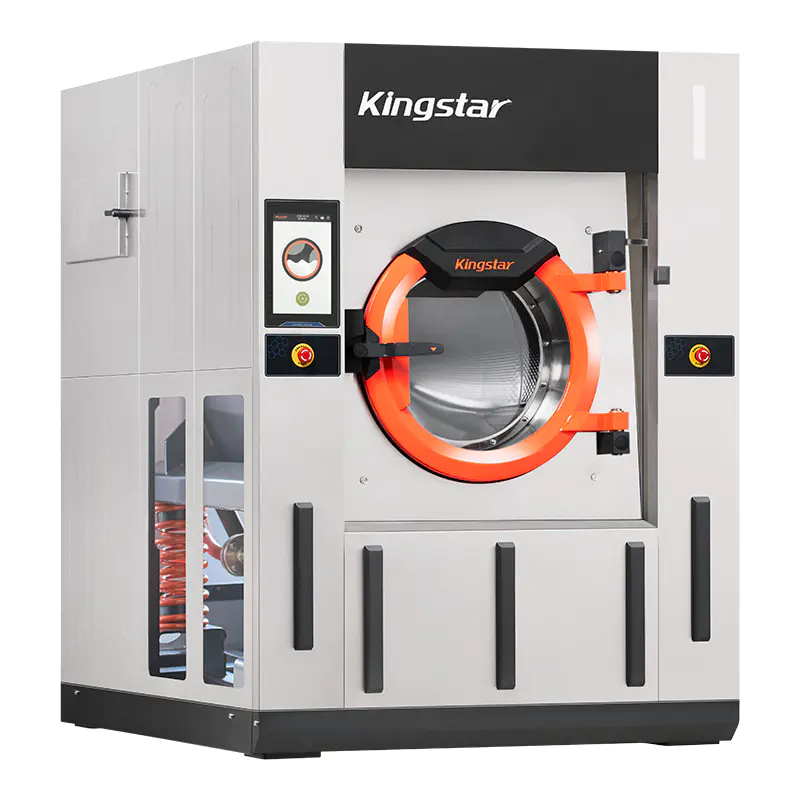
One of the major reasons for stain rings is the residues of detergents or stain removers. Kingstar wet cleaning machine SHS-2025P can achieve fast, high-water-level, and multiple, complete rinsing with its high-efficiency water flow design, precise water level control, and sufficient water inlet pressure. All chemical residues can be completely removed, so there is no possibility of formation. Its programmable gentle washing programs can provide extremely gentle washing actions to delicate fabrics to avoid physical damage.
● Drying
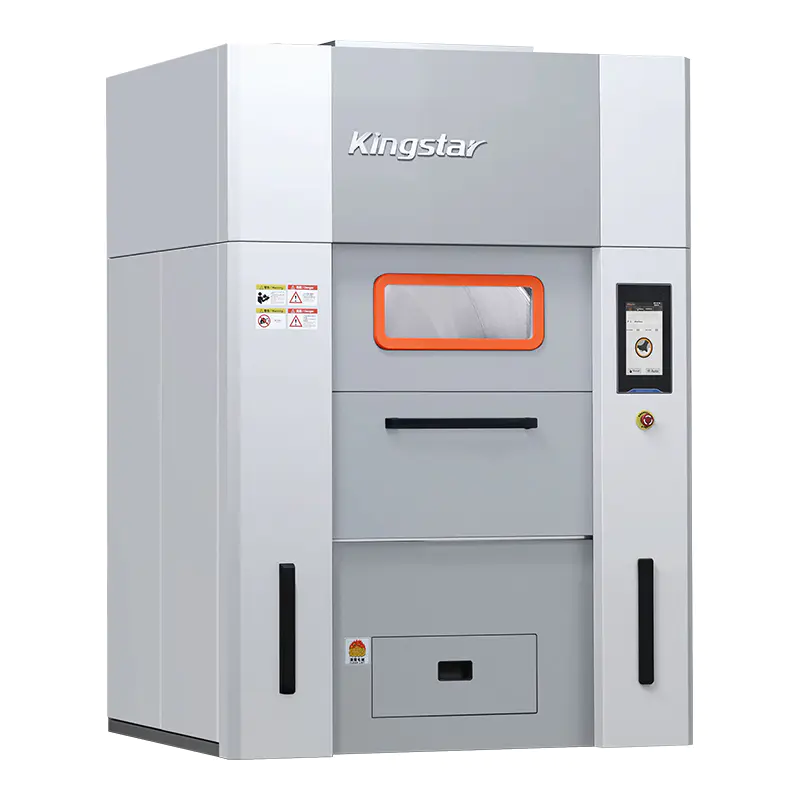
Drying is a high-risk step in the formation of stain rings. Uneven heating, too high temperatures, or insufficient tumbling can all lead to rapid local drying, so the internal moisture with impurities migrates out to form ring marks.
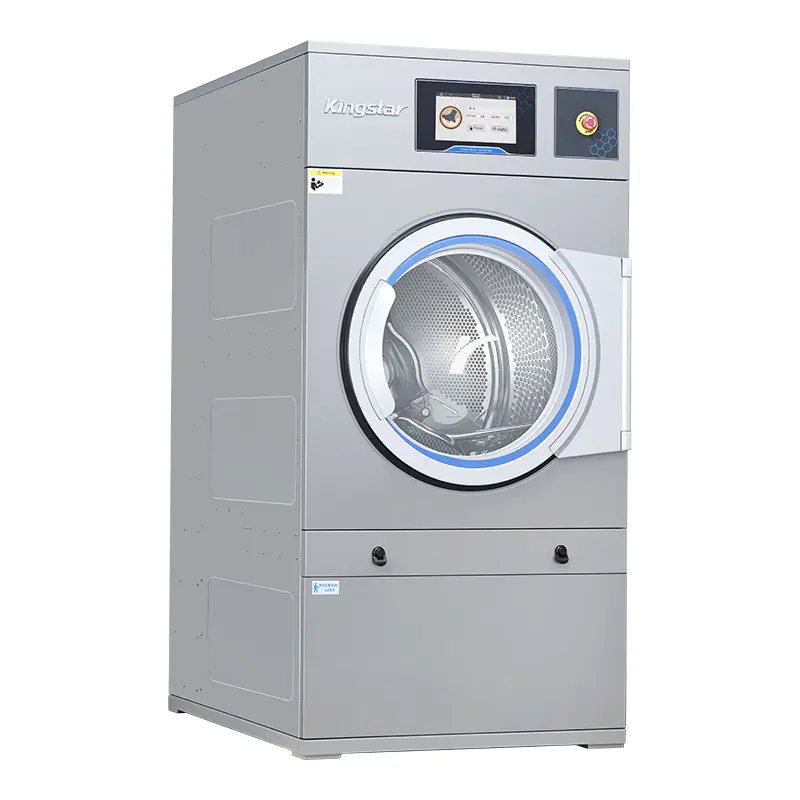
● Kingstar dryer SDR-2025 has a precise temperature sensor, humidity sensor, and advanced hot air circulation system to ensure that the temperature in the inner drum is stable and even, and avoid localized overheating. This is very important for treating clothes like down jackets, lined outerwear that easily have stain rings.
● Optimized drum design and spinning speed make the clothes tumble in the dryer thoroughly and gently. Also, heating is even. Some models have humidity sensors to stop drying in time when the clothes are dry enough.
Conclusion
The treatment of stain rings comprehensively tests a laundry shop’s depth of understanding and precision of control over fabric science, chemical principles, and process flows. It is not a troublesome accident anymore. It is a predictable, preventable, and solvable problem with a systematic knowledge system and standardized process.
Q&A
Q1: Why is there sometimes a more obvious stain ring that appears on the clothes after removing stains?
A1: It usually happens when liquid on the fabric dries up. As the water evaporates, it carries something toward the edges and leaves them there.
Q2: What key steps prevent ring marks when spot cleaning? What are the key steps to prevent the formation of stain rings when removing stains locally?
A2: The main idea is to control liquid spread and remove all residues completely.
- A clean white towel should be put under the fabric.
- Stain remover should be applied from the edge of the stain to the center.
- People should use a steam/water gun for complete washing away of chemicals.
- People should spray the leveling agent around the stain.
Q3: How do professional washing and drying machines help prevent stain rings?
A3:
Washing: Machines like Kingstar wet cleaning machines use strong water flow, precise water levels, and multiple rinses to fully remove chemical residues so there are no rings later.
Drying: Professional dryers have temperature+humidity sensors, even hot air, gentle tumbling, and automatically stop functioning.
ADD:No.388 Xinggang Road, Chongchuan District, Nantong City, 226000, Jiangsu Province, China.
-
Phone: +86-13917089379
-
Tel:+86-13917089379
-
Fax:+86-0513-85663366
-
E-mail:louislu@kingstarlaundry.com