英语
英语 俄语
俄语 西班牙语
西班牙语 德语
德语
Home / News / Industry News / Laundry Shop Guide: Professional Washing and Care for Different Fabric T-shirts

Kingstar is your trusted partner for industrial and commercial laundry equipment. We specialized in the R&D and manufacturing of high-end industrial washers, commercial washers and dryers. Meanwhile, we provide global clients with comprehensive planning, layout workflow design, and software-hardware integration services for smart laundry plants.
Industry News
Aug 27,2026
Laundry Shop Guide: Professional Washing and Care for Different Fabric T-shirts
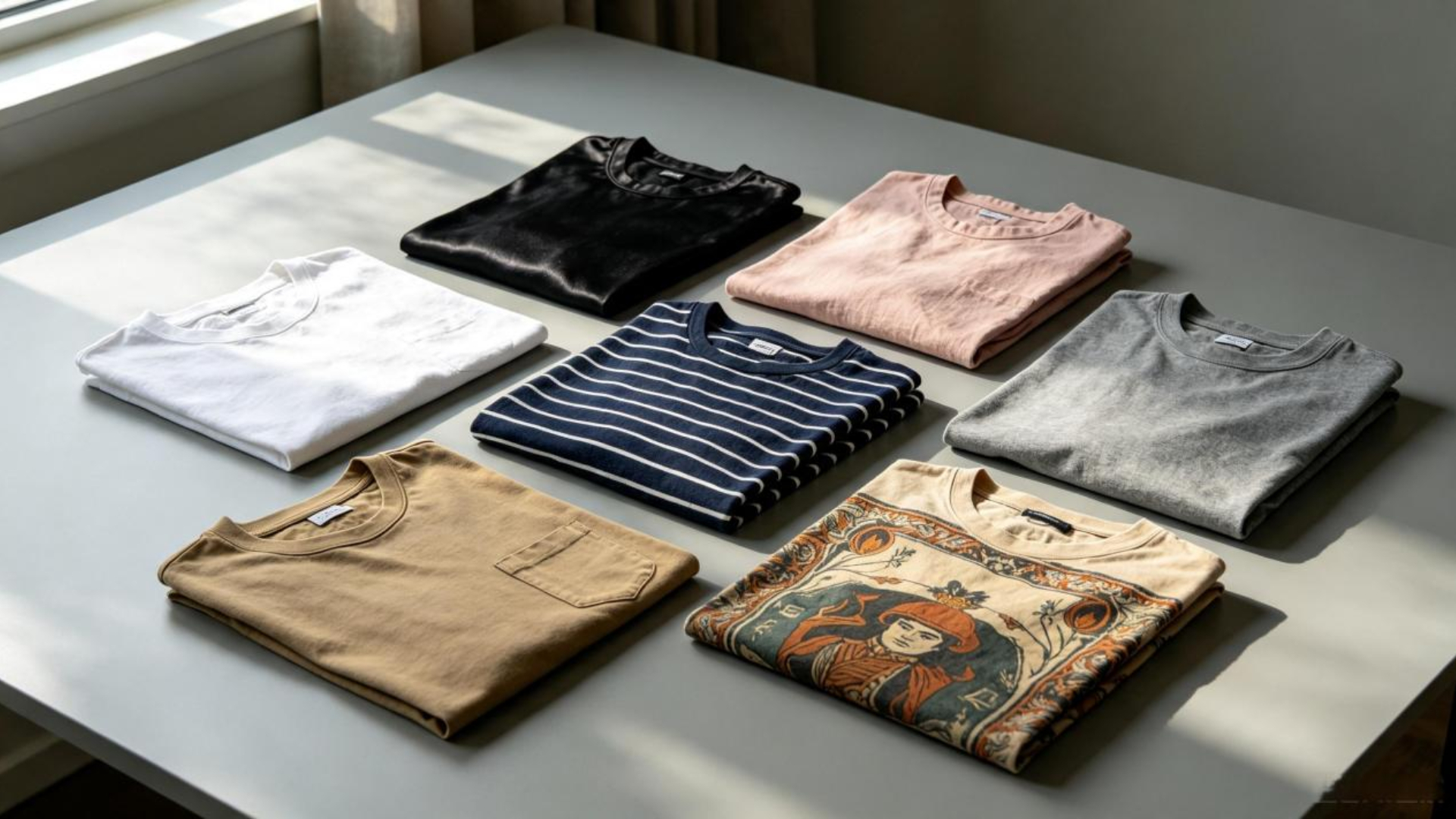
Summer T-shirts are one of the most frequent laundry items in laundry shops. They are made from different fabrics (such as cotton, mercerized cotton, stretch blend fabric, printed fabrics, and lightweight modal fabrics). Improper washing parameters and processes can easily cause customer complaints (garment deformation, wrinkling, print peeling, pilling, and snagging). T-shirt fabric characteristics should match standardized washing processes. This is key to improving laundry care quality and reducing after-sales disputes.
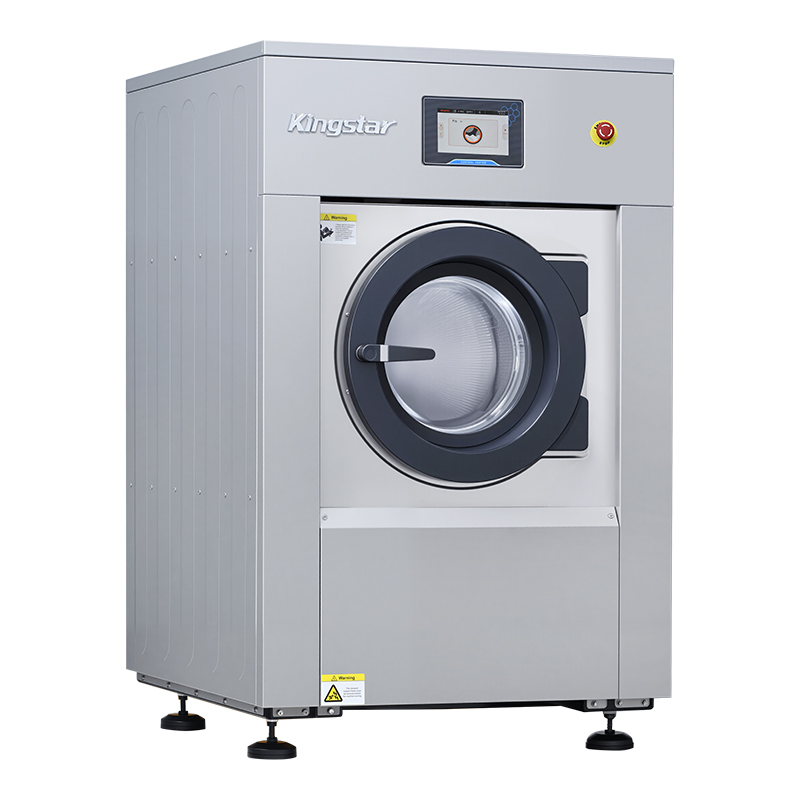
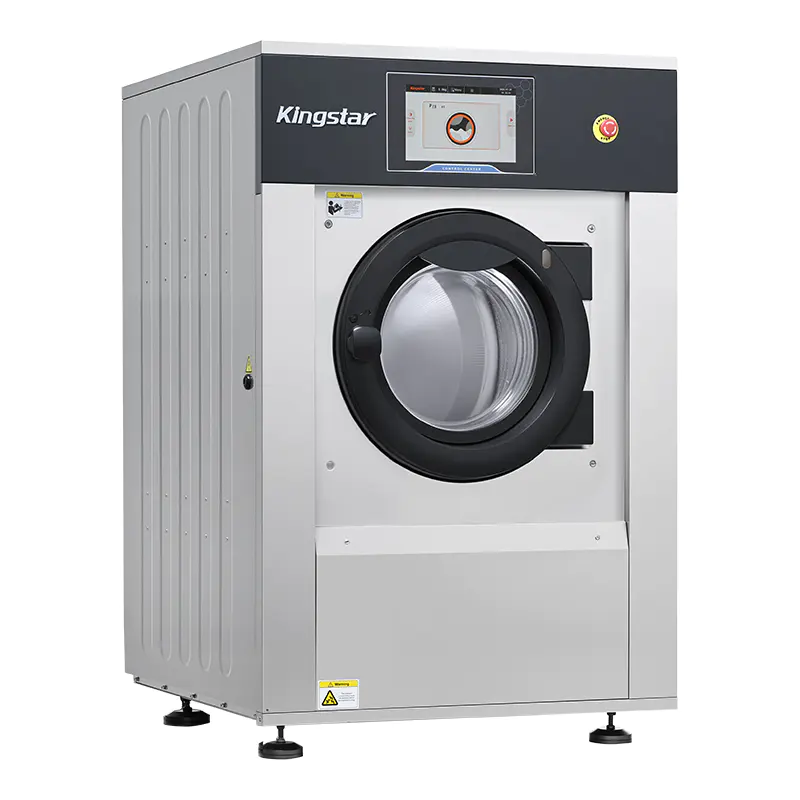
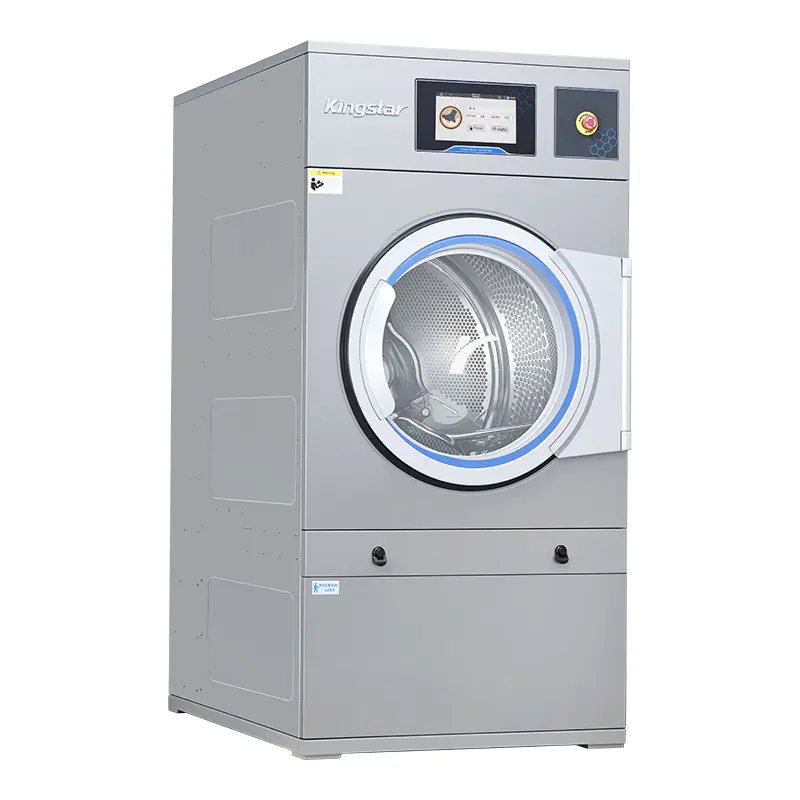
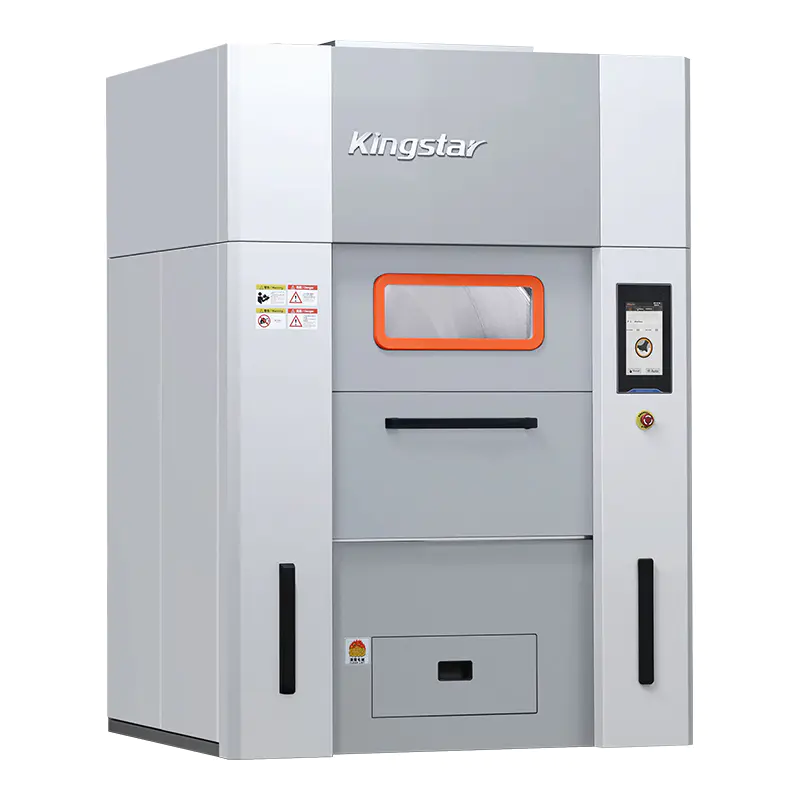
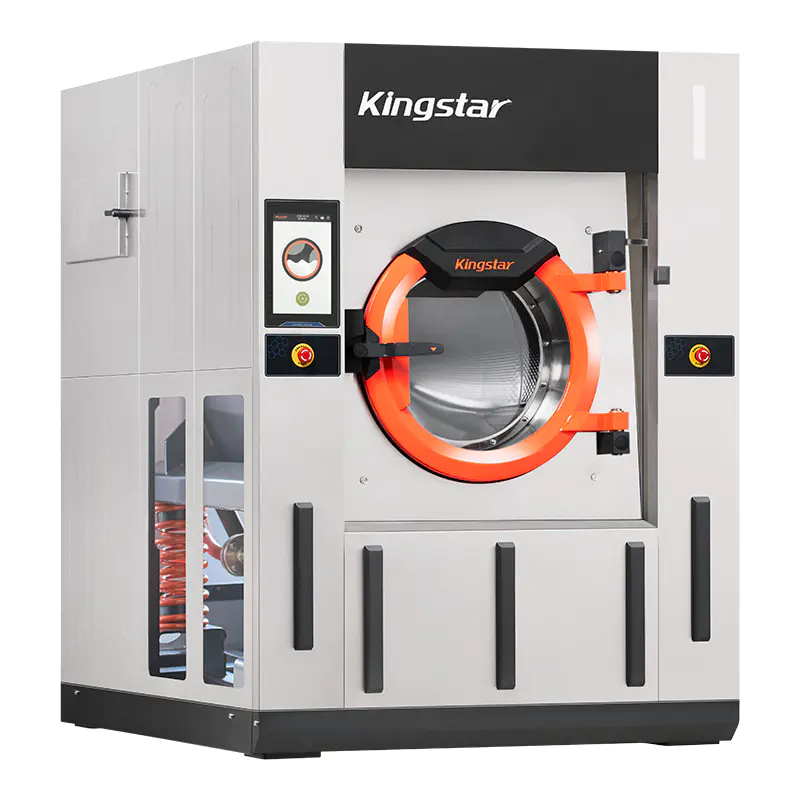
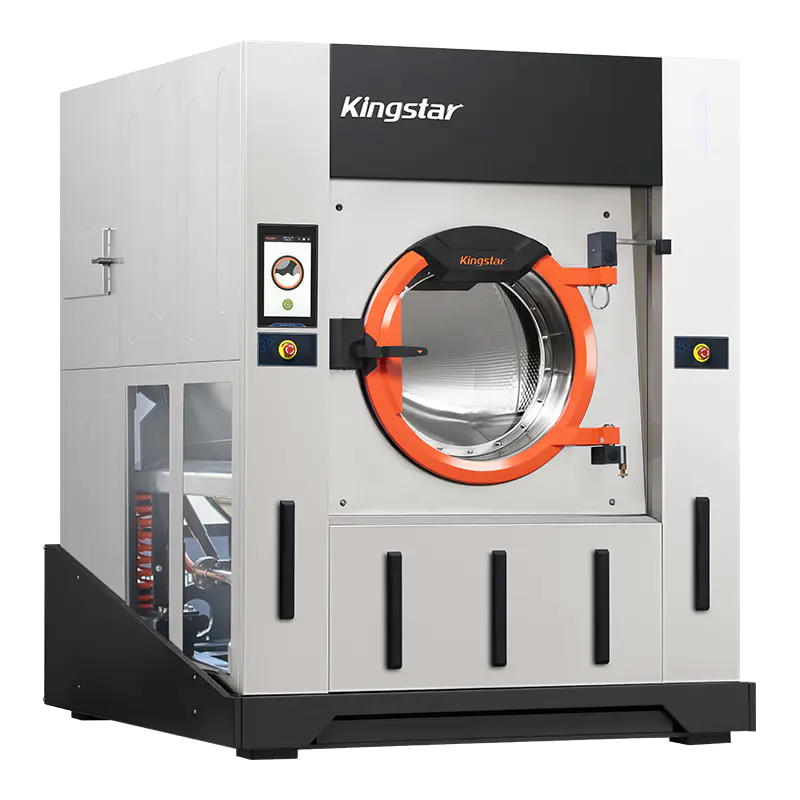
As a manufacturer of commercial and industrial laundry equipment, Kingstar has been deeply rooted in providing equipment solutions for laundry shops and laundromats. Washers, wet cleaning machines, and dryers feature multiple customized programs. Therefore, laundry shops can transform complex fabric laundry knowledge into stable and replicable workflows. They can balance washing efficiency and garment care results.
Regular Cotton T-shirts
On the market, most casual T-shirts are made from regular cotton fabrics. They are breathable and skin-friendly. But they have weak shape retention. Cotton is prone to wrinkling after washing. Collars and cuffs become loose and deformed after multiple washing and stretching. Regular cotton is washable. But it is not suitable for prolonged high-temperature soaking. During bulk processing, laundry shops should control washing time and spin speed. This can reduce fabric deformation caused by mechanical stress.
Mercerized Cotton T-shirts
This type of fabric undergoes singeing processes and mercerization treatment. Its fabric luster is similar to silk. It has a soft and smooth hand feel. It is as breathable as cotton. Mercerized cotton features elasticity and drape. It is often used for medium- and high-end T-shirts. Mercerized cotton has dense fiber structures. It has better wrinkle resistance than regular cotton. However, mercerized cotton should be protected from excessive mechanical friction. This helps avoid loss of luster.
Double Mercerized Cotton T-shirts
This is a high-end fabric that is made through double singeing and mercerization processes. Yarns and unfinished fabrics undergo two mercerization treatments. This fabric has a clear texture. It is smooth, and it also has a better luster. It is mainly used for premium garments. Double mercerized cotton has high production costs. It has strict requirements for washing processes. Rough washing may damage the fabric’s surface luster, which causes reduced fabric texture.
Printed T-shirts
This can easily cause customer complaints. It cannot be dry cleaned. Dry cleaning solvents can dissolve printed coating layers. Meanwhile, do not forcibly rub, stretch, or twist the printed areas during the washing stage. After drying, do not directly iron printed areas at high temperatures. This can easily cause print peeling. It is suggested to wash inside out. Choose a gentle cycle to reduce drum mechanical action. Kingstar wet cleaning machines allow operators to customize gentle wash cycles. This not only reduces mechanical action but also protects the integrity of the prints.
High-Stretch T-shirts
They are made from blends of cotton, spandex, and nylon. They feature core-spun yarn and rib knit construction. When exposed to bleach agents, high temperatures, and strong light, stretch fibers accelerate aging and lose elasticity. Laundry shops should not perform bleaching and high-temperature ironing. Prevent stretch fabrics from being exposed to sunlight. Core-spun yarn fabrics are covered with a lot of fuzz. A short, gentle wash cycle can reduce pilling rates. Low-temperature drying can prevent stretch fibers from being damaged by high temperature.
Lightweight T-shirts
Lightweight fabrics have loose yarn structures with poor elasticity. They are more likely to experience snagging, tearing, and deformation. Laundry shops do not wash them with thick coats and jeans. They should be washed separately. Gently hand wash them first to avoid vigorous brushing. The wash temperature should not be too high, and the washing time should be reduced. Laundromats can preset a lightweight fabric program. It automatically matches water temperature, washing time, and spin speed. This avoids human operation errors.
Jacquard & Viscose-based T-shirts
There are floating threads on the reverse side of the jacquard fabrics. They are easily snagged by zippers and rough fabrics. So, do not wash them with garments with zippers or thick clothes. Washing them inside out is not recommended.
Viscose-based fabrics (such as modal) have low wet strength. When exposed to water, pilling and fibrillation easily occur. They cannot be subjected to aggressive washing. They are suitable for gentle machine washing or wet cleaning.
Kingstar wet cleaning machines are designed for delicate fabrics. They replace solvent-based dry cleaning. They can process delicate T-shirts made from modal and jacquard fabrics. They balance cleaning performance with fabric protection.
Conclusion
Laundry shops often receive T-shirts in large order volumes and diverse categories. Operators’ experience cannot ensure garment care performance for each order. They should use professional washers and dryers that are programmable. These machines can customize water temperature, washing time, spin speed, and drying temperature for different fabrics. Operators only need to choose programs according to fabrics. This can improve processing efficiency. Meanwhile, it reduces garment damage and customer complaints. Therefore, laundry shops can improve their competitiveness in the market.
Q&A
Q1: How can laundry shops reduce collar deformation of cotton T-shirts?
A1: Control the spin speed. Low or medium spin speeds reduce mechanical stress. Special cotton programs minimize excessive stretching. Low-temperature drying prevents shrinkage and loosening.
Q2: Can Kingstar wet cleaning machines be used for printed T-shirts?
A2: Yes. Choose a gentle wet cleaning program. Do not perform bleaching. Do not iron the printed areas at high temperatures. Washing inside out can effectively protect prints, which is safer than dry cleaning.
Q3: Why does machine washing cause pilling in modal T-shirts?
A3: Modal fabrics’ wet strength is low. This easily causes fabric pilling when exposed to vigorous agitation, high temperature, and friction. So, they should be separated from other fabrics. Choose a gentle cycle to reduce drum mechanical action.
ADD:No.388 Xinggang Road, Chongchuan District, Nantong City, 226000, Jiangsu Province, China.
-
Phone: +86-13917089379
-
Tel:+86-13917089379
-
Fax:+86-0513-85663366
-
E-mail:louislu@kingstarlaundry.com
products