英语
英语 俄语
俄语 西班牙语
西班牙语 德语
德语
Laundry Shops Guide: Four Cleaning Methods for Suede Leather Garments
In high-end garment care, suede leather is soft, naturally colored, and uniquely textured. This allows it to become the preferred material for making luxury garments, footwear, and leather goods.
However, the cleaning of these uncoated leather products has always been a high-risk service for the laundry industry. The lack of a protective coating leads to stains penetrating and fiber damage. Leather fibers are sensitive to the outer environment. Issues like fiber hardening, darkening and glazing, dye migration and deformation, and nap loss may become irreversible. The repair difficulty in suede leather garments far exceeds that of smooth leather garments. It may even make garments unusable.
Customer demand for high-end garment care is increasingly growing. Suede leather garment care has become a key service to help laundry shops stand out from other competitors. But many laundry operators still face core challenges: controlling cleaning processes, preventing care risks, and delivering premium results.
This article will introduce the main challenges, cleaning methods, and key operational points related to suede leather care.
Three Challenges
● Special materials
Suede leather has no coating. Its structure has strong adsorption. Dust, oil, and water stains are prone to penetrating into fibers. A regular cleaning method cannot thoroughly remove them. And it easily causes stains to spread, forming color migration and marks.
● Sensitive fibers
Leather fibers have low resistance to temperature, mechanical actions, and chemicals. High temperature leads to fiber shrinkage and hardening. Large mechanical action makes nap loss and leather deformation. Strong alkaline or high-concentration detergents damage the oil balance of leather, causing drying and hardening.
● Poor washing performance
Traditional cleaning methods depend on operator experience. Hand cleaning cannot control the cleaning force and detergent dosage. Dry cleaning easily brings oily gloss and darkened color caused by residual detergents. Common laundry equipment has fixed parameters. It cannot meet the care demands for flexible suede leather. This causes different washing results.
As a high-end garment care category, the service fee is 200~800 RMB per suede leather garment. The gross profit margin is over 85%. This is an important profit growth point for common laundry businesses. Due to its high-risk and high-barrier features, many laundry shops miss this chance.
Four Methods
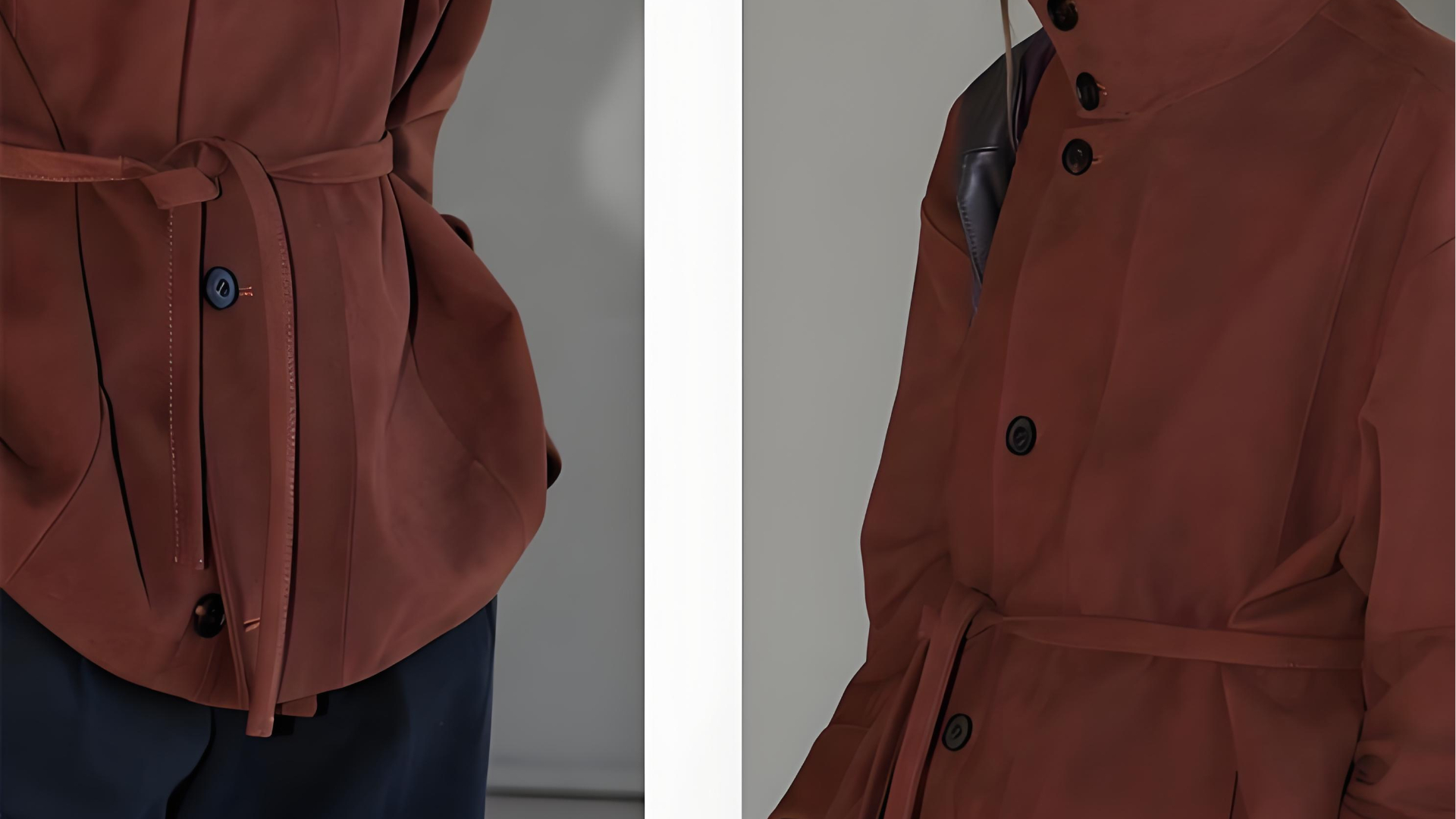
There are four mainstream cleaning methods: dry cleaning, wet cleaning, hand cleaning, and fast water cleaning. Laundry shops can choose based on the garment soiling levels and fabric types.
● Dry cleaning
It is suitable for luxury suede leathers with good color fastness. Multi-solvent, hydrocarbon, and perchloroethylene are often used for dry cleaning.
Pretreat heavily soiled areas before cleaning. Then allow chemicals to dwell for 5~8 minutes. Use equipment with a solvent cooling function. Add perchloroethylene leather conditioner and control the washing temperature at 15℃-18℃. After standardized cleaning, thoroughly dry garments to avoid residual marks.
It is a safe choice for many suede leathers. Follow the standardized leather care process and use matching detergents. Set parameters based on the garment soiling levels. Control the washing temperature at 15℃-20℃ and choose neutral leather cleaners. After gentle washing, use wet shaping to ensure the original style and touch of garments.
● Hand cleaning
It is suitable for slightly soiled and high-end suede leathers. Use room-temperature water with PH-neutral or mildly acidic cleaning agents. Pretreat heavily soiled areas before cleaning. Then allow chemicals to dwell for 5~10 minutes. After soaking, wash and rinse garments. Then neutralize them with a 5% acid solution and mild fatliquoring agent. Remove excess moisture and let them air dry. Finally, iron the suede garments for shaping and maintenance.
● Fast water cleaning
It is suitable for medium-soiled and friction-resistant suede leathers. Pre-treat collars and cuffs. Add low-concentration leather detergents and gently brush soiled areas. Rinse for 3~4 times. Use fatliquoring treatment with a 1%-2% agent. Neutralize garments in a mild acid with a PH of 4.8. Wrap them with towels to spin dry for 3-5 minutes. After wet forming, air dry garments until they reach a 80%-90% dryness. Then dry them at a low temperature for 10 minutes. If necessary, use a restoration agent to handle color-fading.
Key Operational Points
● Equipment selection
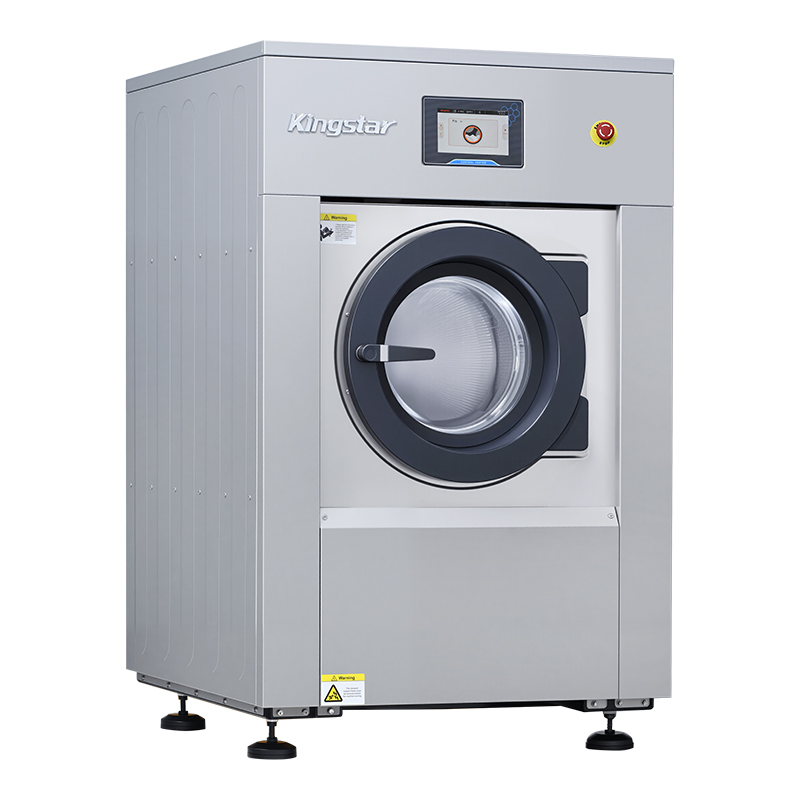
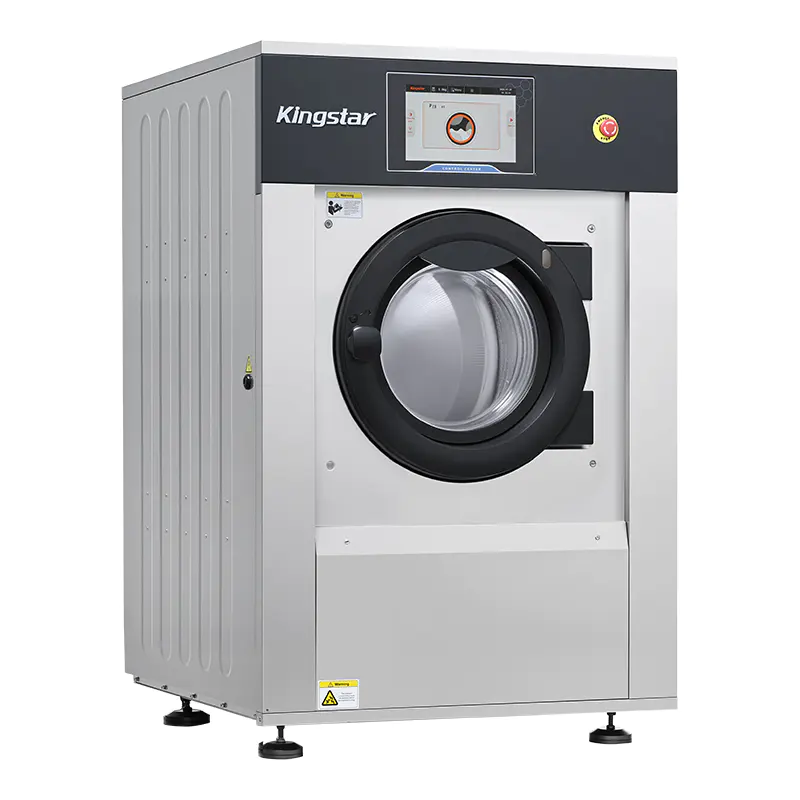
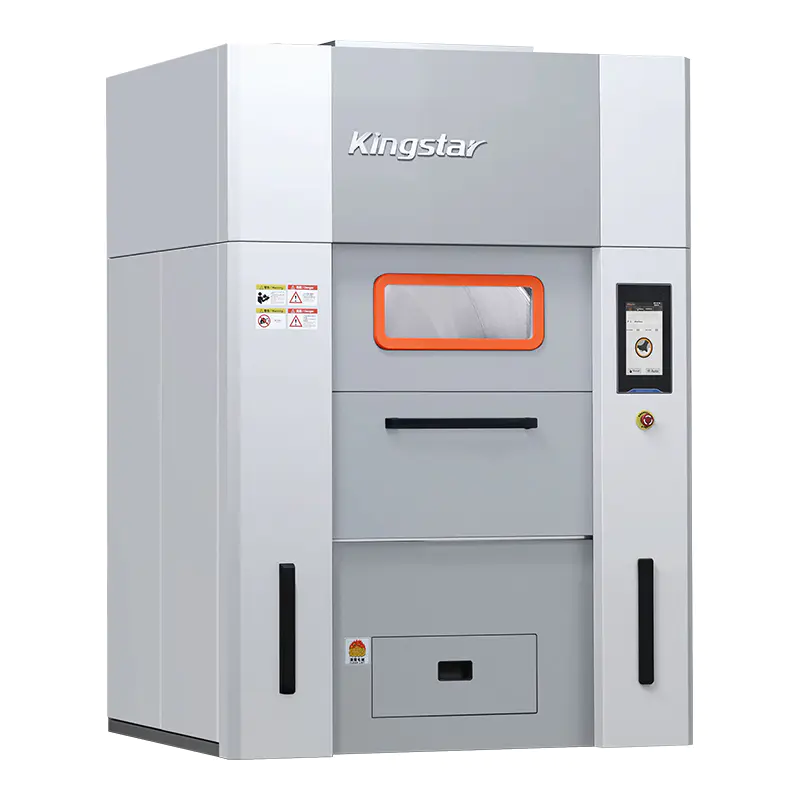
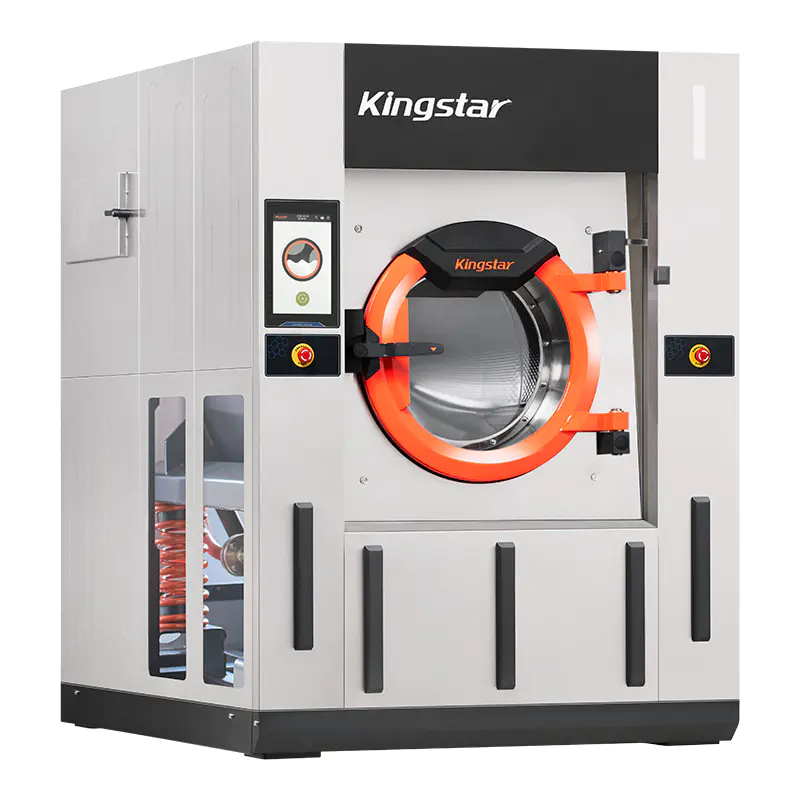
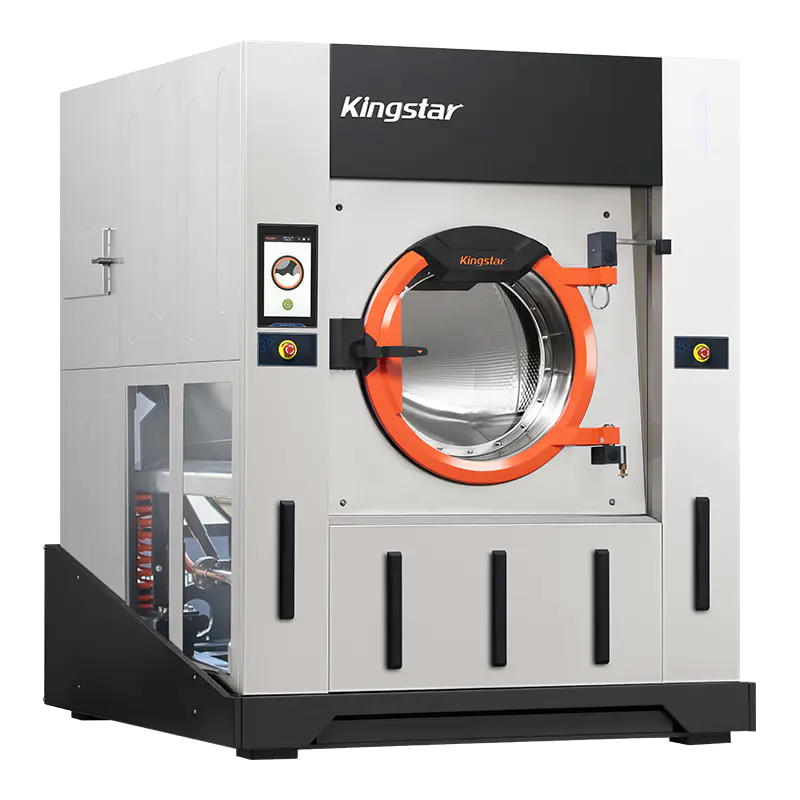
Choose professional wet cleaning machines. For example, a Kingstar SHS-2025P wet cleaning machine features a gentle model (15 rpm). It allows to set main wash speed, temperature, and water level. While making garments clean, it prevents nap loss and fiber damage. With low-temperature drying functions, it further improves cleaning safety.
● Process control
Carefully check the damaged and oxidized areas before cleaning. Laundry shops should tell customers about potential care risks. During cleaning process, control detergent concentration and water temperature. Prevent soaking garments in a high water level. Use low-speed or separate spin drying to reduce matted suede naps. After drying, shape garments promptly. If necessary, maintain the suede naps.
Q&A
Q1: How to prevent slightly faded suede leather garments from uneven colors when cleaning?
A1: Select an anti-color-transfer agent and a color restoration agent. At the same time, choose proper detergents and washing time. Use a gentle washing method to avoid forcefully brushing. After cleaning, let garments dry naturally to reduce excessive exposure to sunshine.
Q2: How to deal with the matted suede naps after cleaning?
A2: After air drying, use a soft brush to gently comb along the nap direction. If necessary, use low-temperature airflow to lift naps. Use little spraying leather care agent to handle heavy matting. Then comb naps to help restore their texture.
Q3: A regular laundry plans to start a suede leather care business. What equipment is required?
A3: Neutral leather cleaners, anti-color-transfer agent, leather fatliquoring agent, mild acid neutralization agent, color restoration agent, soft brush, clean towels, and form finisher. Laundry shops can also use professional laundry equipment. It often supports low-speed operation and adjustable parameters.
ADD:No.388 Xinggang Road, Chongchuan District, Nantong City, 226000, Jiangsu Province, China.
-
Phone: +86-13917089379
-
Tel:+86-13917089379
-
Fax:+86-0513-85663366
-
E-mail:louislu@kingstarlaundry.com