英语
英语 俄语
俄语 西班牙语
西班牙语 德语
德语
Home / News / Industry News / Phosphate-Free Laundering Challenge: Why Laundry Shops Struggle with Maintaining Whiteness

Kingstar is your trusted partner for industrial and commercial laundry equipment. We specialized in the R&D and manufacturing of high-end industrial washers, commercial washers and dryers. Meanwhile, we provide global clients with comprehensive planning, layout workflow design, and software-hardware integration services for smart laundry plants.
Industry News
Jun 24,2026
Phosphate-Free Laundering Challenge: Why Laundry Shops Struggle with Maintaining Whiteness
In the professional laundry industry, laundry shops face a common challenge. It continues to damage the profit and reputation of stores. The cleaned white or light-colored cotton hoodies and T-shirts often turn graying. They may also develop grayish patches that are difficult to explain. This phenomenon between fading and contamination triggers customer complaints. It also causes higher rewash rates. It has become an operational pain point for many laundry shop operators.
Root Causes
The root cause of this issue is systematic. It mainly results from two key transformations.
● Missing chemical components
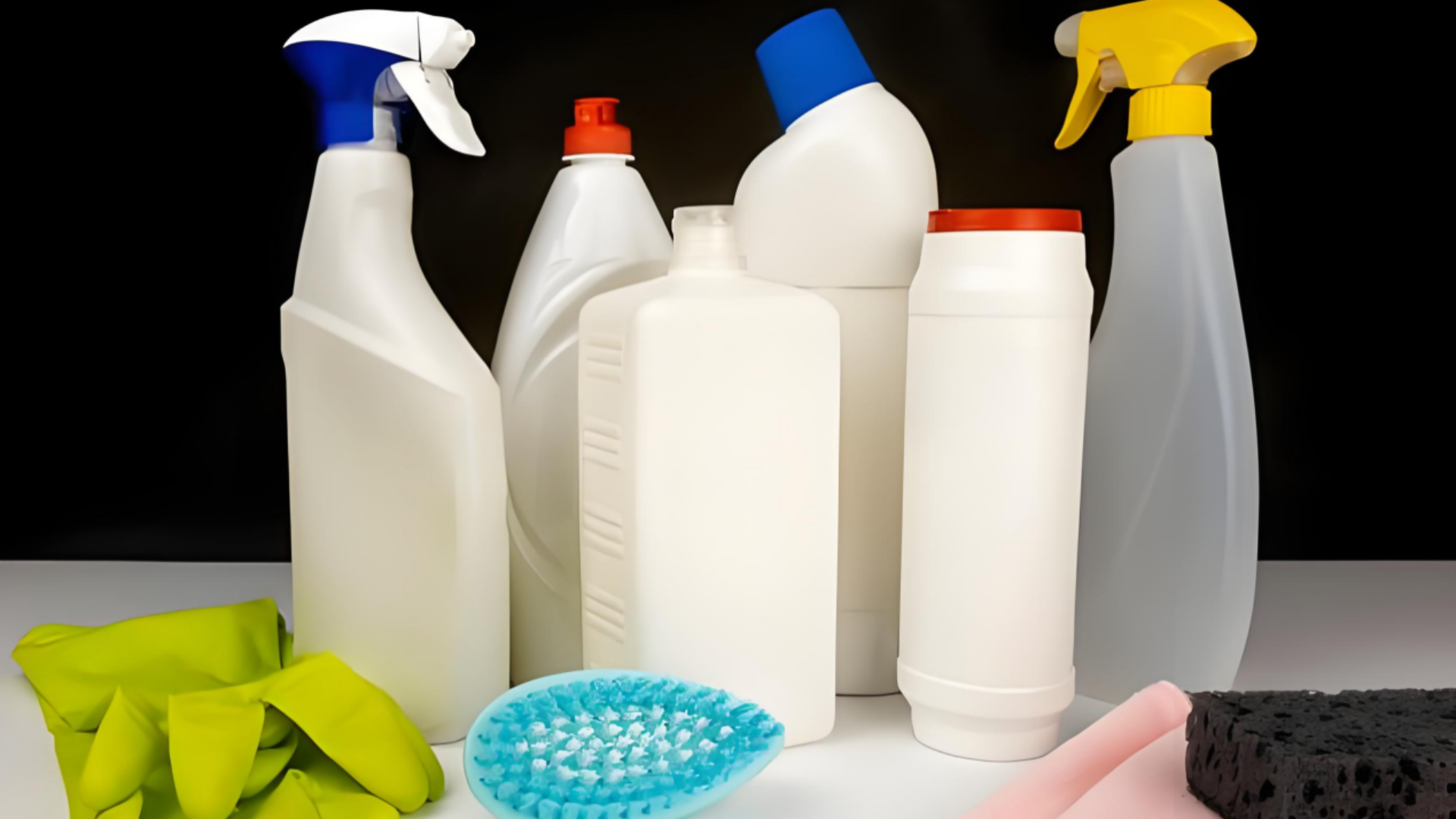
Sodium tripolyphosphate (STPP) is the core component of traditional laundry powder. It plays a dual role. STPP can soften water. It can also suspend the soil in wash liquor to prevent it from re-adhering to garments. With the implementation of global eco-friendly phosphate ban regulations, this functional component has declined dramatically in the early phosphate-free formulations. Many modern detergents are capable of removing stains. However, they lack a strong anti-soil re-deposition capacity. This leads to pigments, grease, and particles re-adhering to fabrics in the laundry process. This is the chemical cause of garment graying.
● Underrated operation misunderstanding
Even using advanced detergents, a general operation misunderstanding directly makes this issue worse: insufficient water level. Fabrics like cotton and linen have strong water absorbency. In a low water level, limited water fails to effectively dilute many stains from bulk garments. This leads to a higher wash liquor concentration. In the high-concentration soiled wash liquor, tumbling garment fibers act like sponges. They continue to reabsorb soiled wash liquor, especially at high-friction parts (cuff and hem). This causes grayish-black cloud-like patches that are difficult to remove. This is the so-called “soil re-deposition”.
Comprehensive Solutions
To thoroughly address this issue, laundry shops must establish a comprehensive, precise control system, from chemical selection to laundry process.
● Select industrial-level detergents
Laundry operators should avoid using cheap laundry products that only meet household needs. Instead, they should select professional industrial detergents with premium anti-soil re-deposition capacity. Their formulations contain sufficient polymer dispersant (such as polyacrylate) and efficient organic chelating agents. They simulate the suspension function of old phosphate detergents. During the laundry process, they form a barrier against soil re-deposition.
● Load according to water level
This is a decisive and easy-to-operate step. Water levels must be sufficient. For white/gray cotton, linen, hoodies, and towels, increase the main wash water level by 1-2 levels. Sufficient water dilutes soil concentration and eliminates re-deposition. Meanwhile, strictly follow the rated capacity of the equipment. This allows garments to tumble and lift properly in the inner drum. And it improves stain removal performance. A standardized laundry process requires precise water level control and loading capacity.
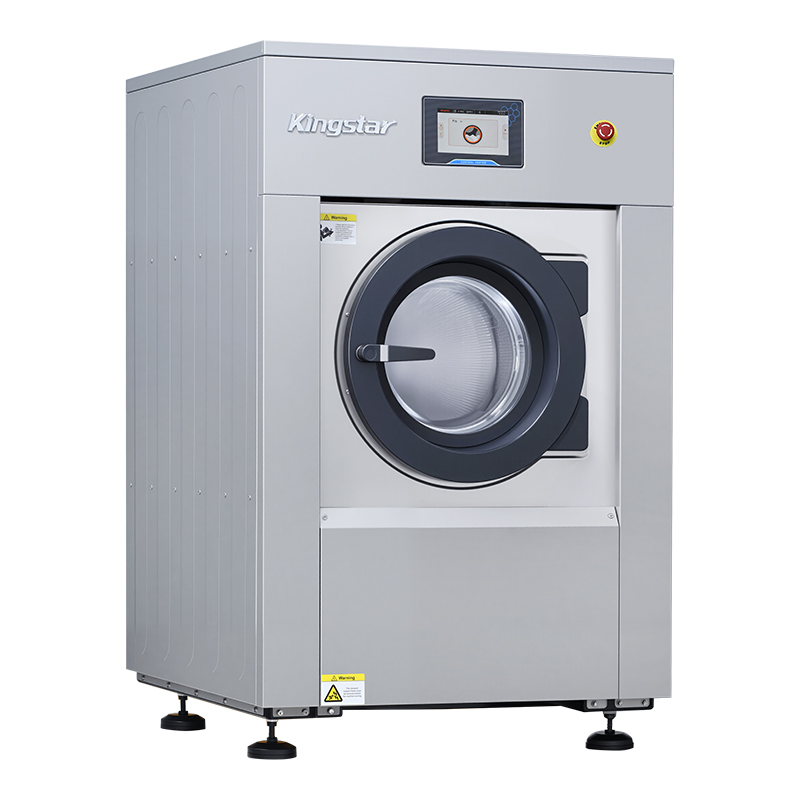
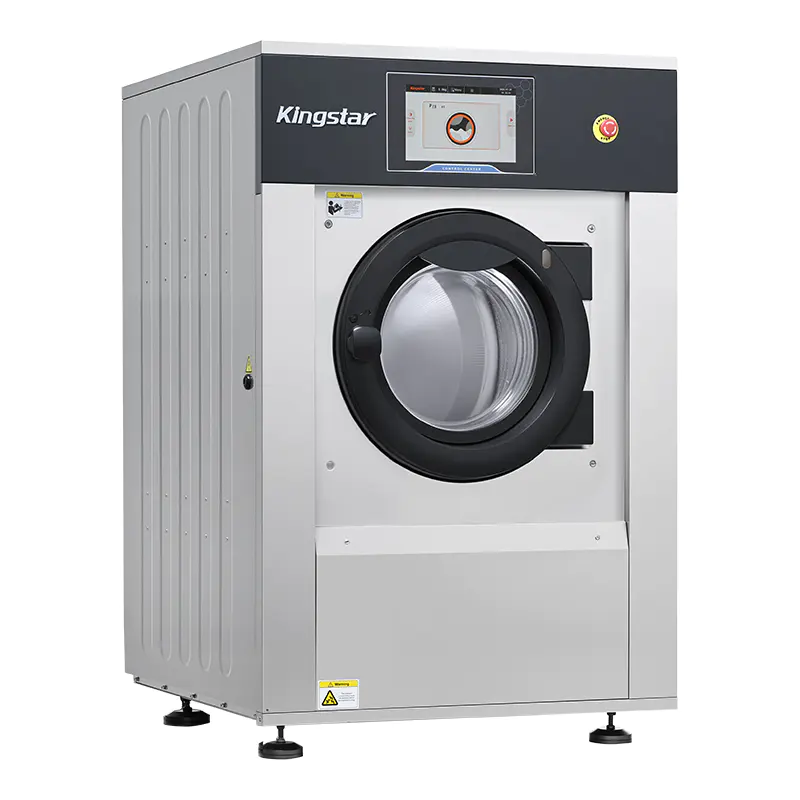
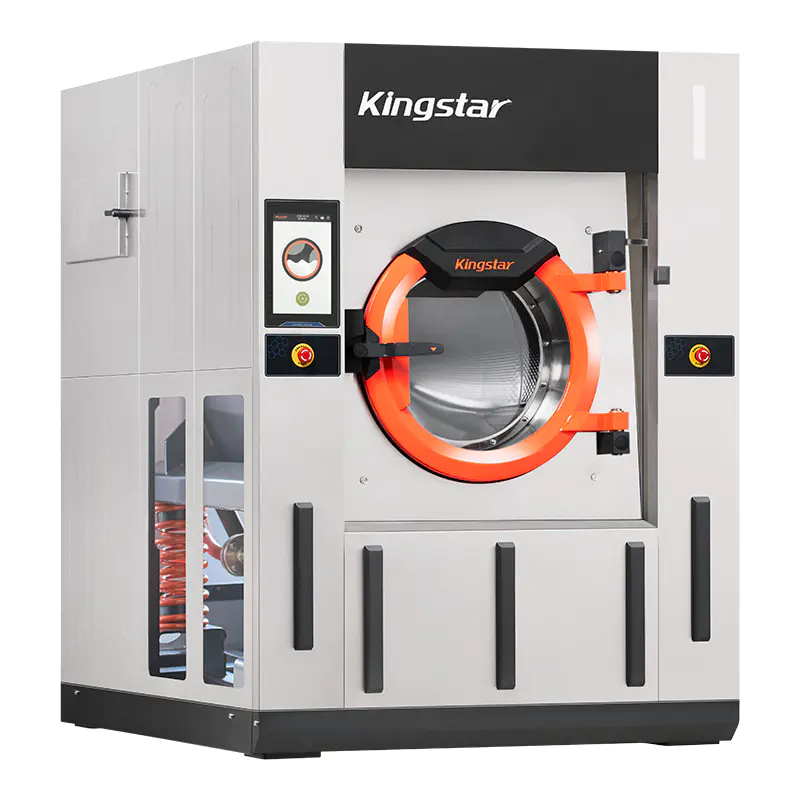
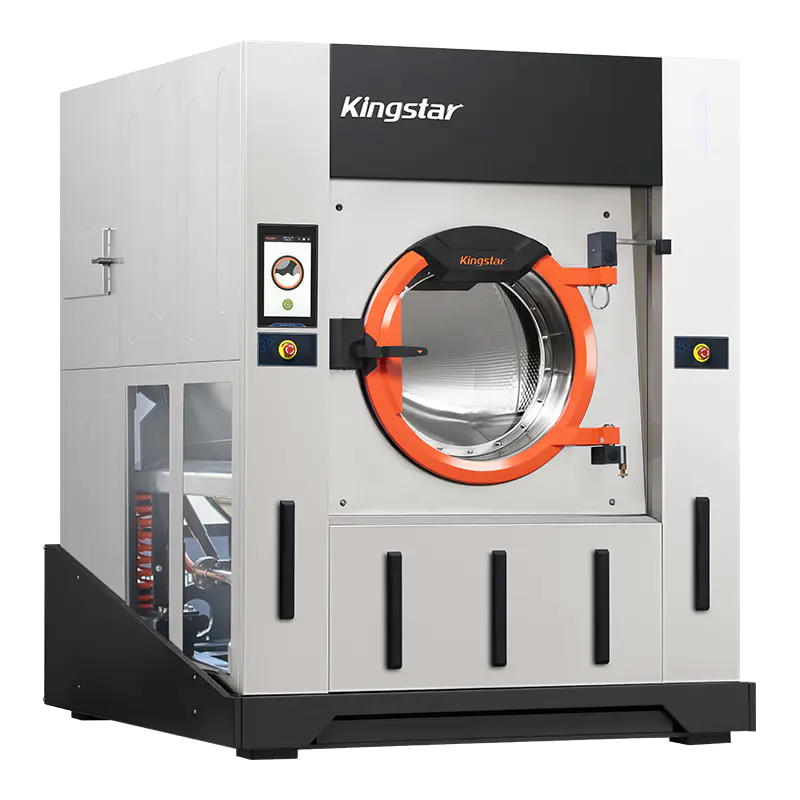
Kingstar washer is equipped with an advanced water level sensor and a precise control system. It ensures that each laundry process reaches the set water level regardless of the batch size. It also prevents quality variation caused by different water levels. This key step, “high-water-level washing”, converts experience into consistent, standardized operation.
Q&A
Q1: How to quickly judge whether the current water level is enough to wash cotton and linen garments?
A1: Observe the drum action during the main wash cycle. Garments should be driven by water flow. They continue to efficiently lift and tumble. And wash liquor completely soaks garments. So the water level is proper. However, garments slide or accumulate at the bottom of the drum. They cannot lift up and down. The water level is not enough. It should be adjusted promptly.
Q2: Higher water level increases operational costs. How to weigh pros and cons?
A2: Laundry shops should consider total costs. An insufficient water level causes rewash. It further leads to water, electricity, labor, and time cost waste. They are higher than the water consumption of a successful wash. It may even cause a loss of customer trust and potential compensation. A first-pass cleaning can efficiently control the costs. Precise water level control capacity is a key to improving quality and efficiency.
Q3: Are all fabrics suitable for high-level water washing?
A3: No. Water level relies on different fabrics.
● High water-absorbency fabrics (cotton, linen, towels, and thick hoodies)
Use a medium/high water level to ensure complete dilution.
● Low water-absorbency or delicate fabrics (synthetic fibers, down coats, and refined fabrics)
Use a low/medium water level to reach proper mechanical action. Kingstar washers have many preset programs. Operators can adjust water levels and cycles for different fabrics. This strengthens professional and refined laundry management.
ADD:No.388 Xinggang Road, Chongchuan District, Nantong City, 226000, Jiangsu Province, China.
-
Phone: +86-13917089379
-
Tel:+86-13917089379
-
Fax:+86-0513-85663366
-
E-mail:louislu@kingstarlaundry.com
products