英语
英语 俄语
俄语 西班牙语
西班牙语 德语
德语
Home / News / Industry News / Specifications and Operating Procedures for Garment Sorting Before Dry Cleaning in Dry Cleaning Shops

Kingstar is your trusted partner for industrial and commercial laundry equipment. We specialized in the R&D and manufacturing of high-end industrial washers, commercial washers and dryers. Meanwhile, we provide global clients with comprehensive planning, layout workflow design, and software-hardware integration services for smart laundry plants.
Industry News
Mar 30,2026
Specifications and Operating Procedures for Garment Sorting Before Dry Cleaning in Dry Cleaning Shops
Dry cleaning shops handle a large number of various clothes daily. Reasonable classification is an indispensable key step before dry cleaning. Scientific classification enables batch washing with industrial washing machines, ensures the safety of laundry as much as possible, and effectively removes various types of dirt. Also, it improves the overall washing efficiency, reduces the accident rate, and guarantees the washing quality. As a result, dry cleaning staff must be proficient in the classification methods of clothes before dry cleaning and strictly follow the norms.
Classified by Material
This is the most basic and important classification method. Common materials are cotton, linen, silk, wool, chemical fibers, and various blended fabrics. They must be classified separately to set the corresponding washing program, temperature, time, and mechanical force during dry cleaning because their heat resistance, solvent resistance, anti-wrinkle property, strength, and other properties vary greatly. This avoids problems such as shrinkage, deformation, hardening, pilling, and damage caused by mixed washing.
● Main Purposes
First: prevent washing accidents and protect the structure and appearance of clothes
Second: ensure the cleaning effect of dry cleaning
Third: rationally arrange the machine washing batches to improve work efficiency, reduce energy consumption, and costs
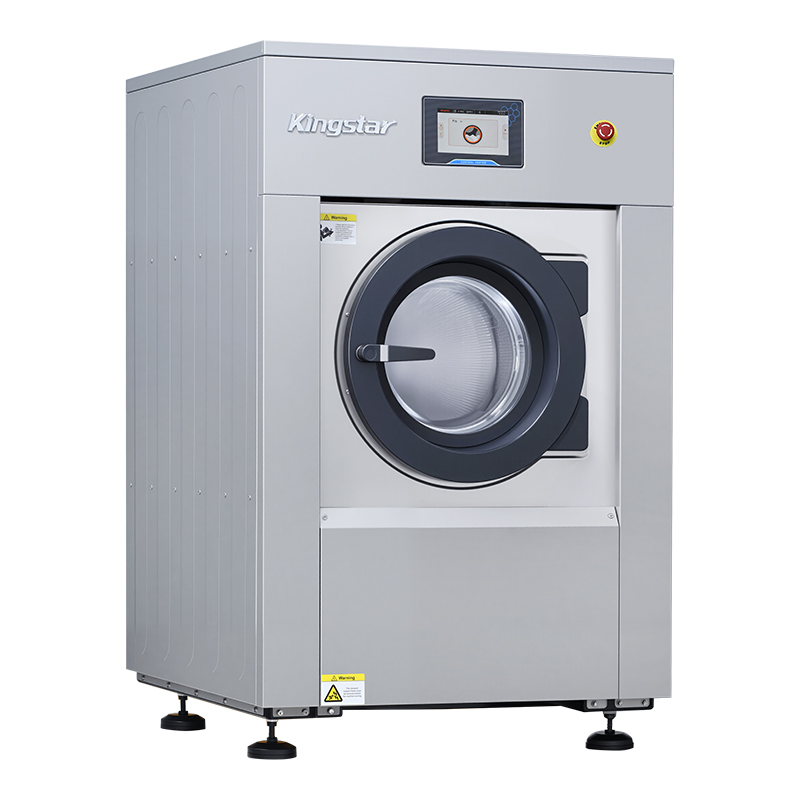
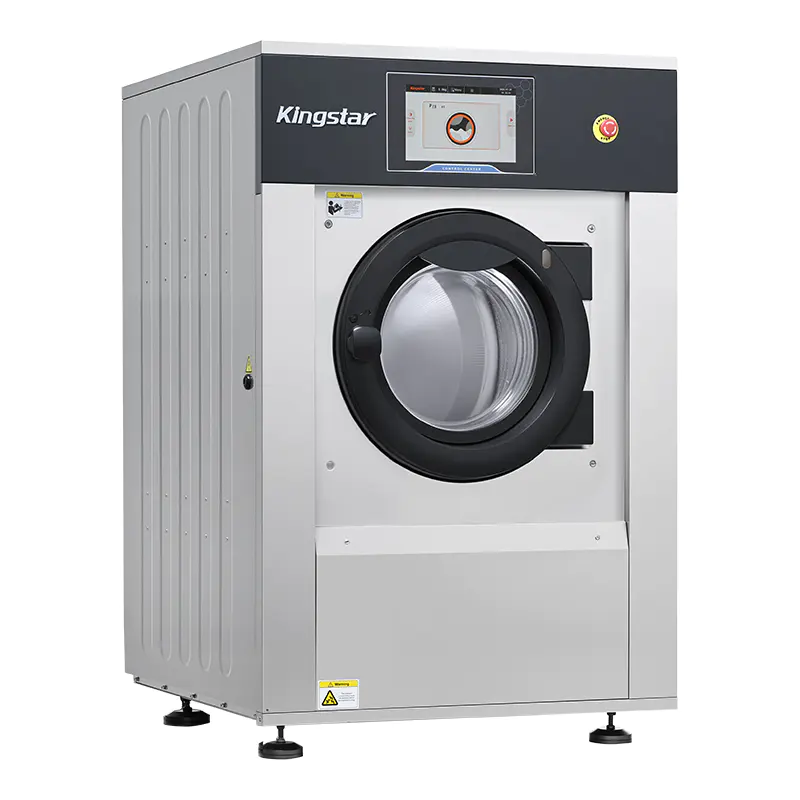
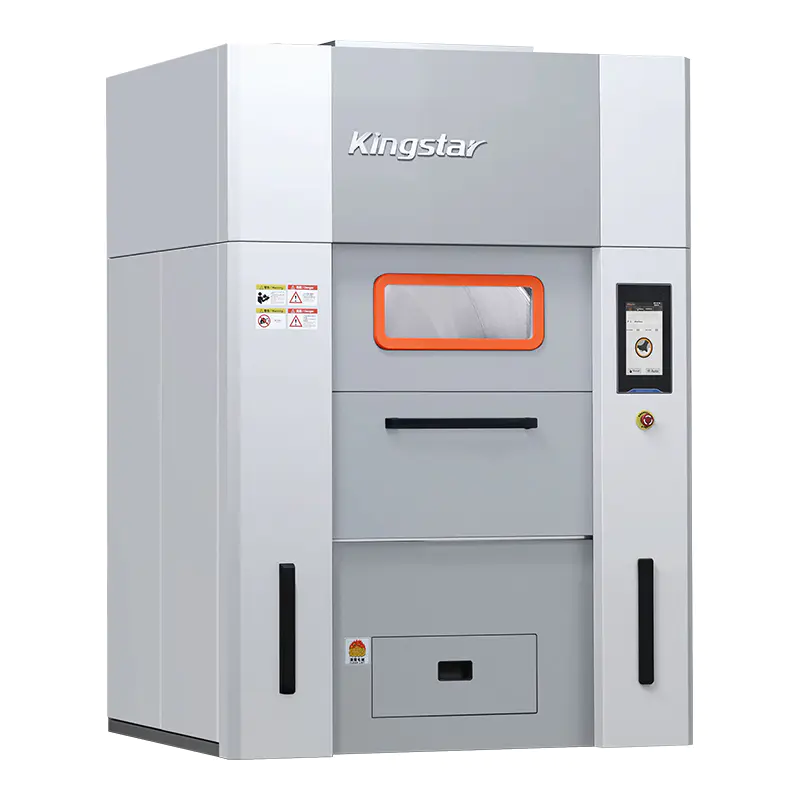
● The Kingstar wet cleaning machine SHS-2025P can be set with corresponding washing programs according to different materials to provide appropriate mechanical force for various fabrics. This protects the fabrics and improves the cleaning power.
Classified by Color
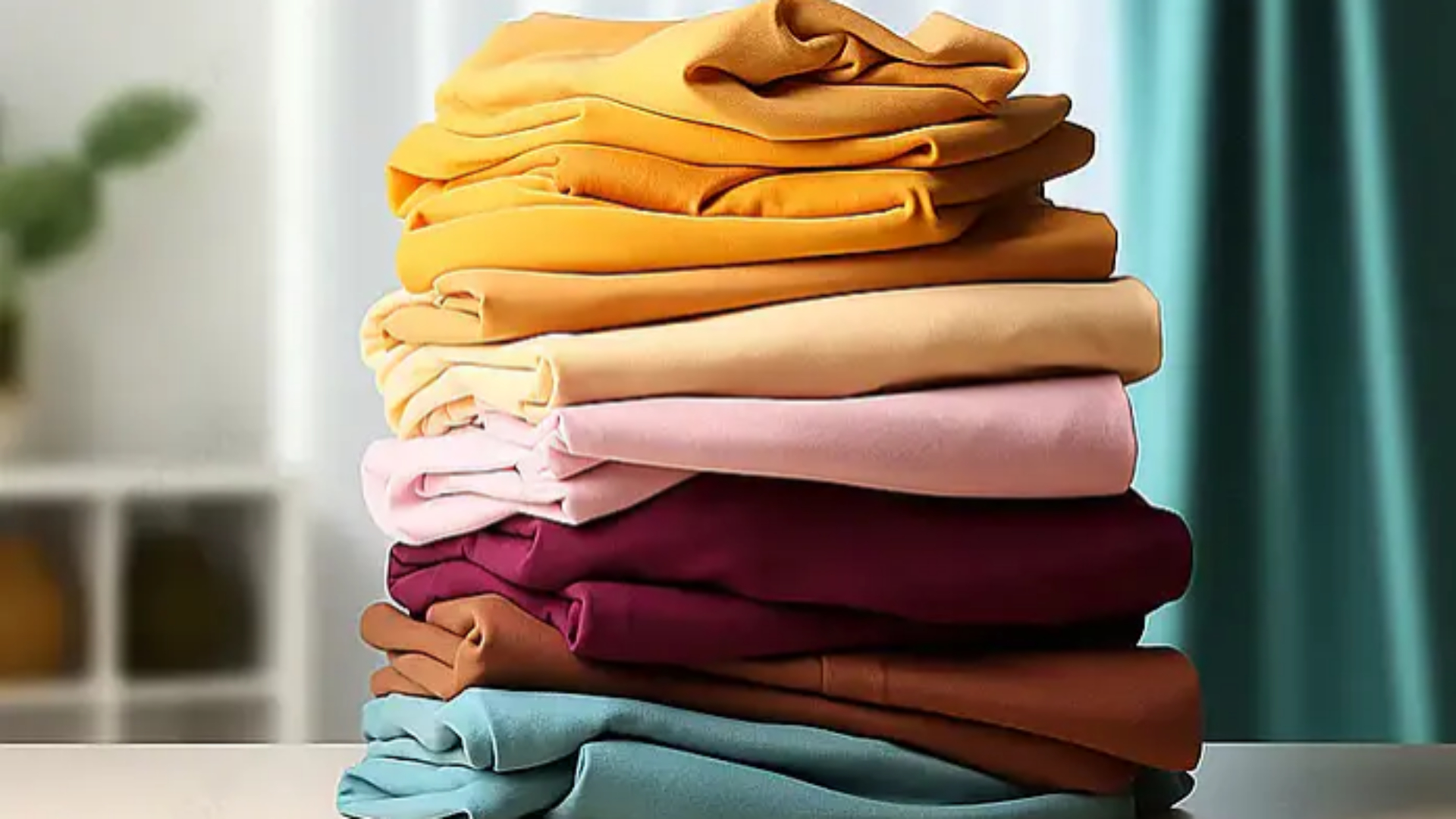
Regardless of the size of the store, classifying by color is a basic operation that must be done. Light and dark clothes should never be washed together because dark-colored clothes easily have color fading, color mixing, and color matching, which can directly contaminate light-colored clothes and cause difficult-to-repair color difference accidents.
Clothes have too many colors, so it is not practical to classify each piece one by one. In actual operation, they are usually divided by color saturation.
● Category
It is recommended to divide them into four major categories: white, light color, medium color, and dark color.
When the number of machines is tight and time is limited, it can be simplified into two major categories. One is white, light, and medium light colors. The other is medium dark and dark.
● Precaution
Clothes with red, purple, green, black, and other colors are more likely to have color bleeding and color transfer. In principle, they should be classified separately or only washed with clothes of the same color family or dark colors to avoid the risk of color mixing.
When washing dark-colored clothes in the Kingstar wet cleaning machine SHS-2025P, it is important to use low-temperature washing to avoid color fading and color bleeding caused by high temperatures.
Classified by Thickness and Structure
Clothes with significant differences in thickness should not be washed together. Thick fabrics can withstand normal mechanical action and extraction strength. Light, thin, cut-out, and embroidered fabrics are relatively fragile. Mixed washing may cause damage such as scratches, snags, wrinkles, and deformation.
In practical operations, thick clothes (coats, outerwear, workwear...)should be separate from lightweight items (shirts, dresses, silk scarves, suit linings...) during processing.
Classified by Washing Conditions
To further ensure the safety and effectiveness of washing, in addition to material, color, and thickness, it is also necessary to do precise classification based on conditions such as the mechanical force the clothes can withstand, dehydration force, washing time, drying temperature, and humidity.
● Mechanical forces
The thick and tightly structured fabric can withstand normal mechanical stirring.
Light, thin, loose, and fragile fabrics need a gentle mode.
Mixed washing can cause wrinkles, scratches, and wear on light fabrics, so they must be washed in separate batches.
● Centrifugal extraction resistance
Different fabrics have different tolerance levels to centrifugal extraction intensity. Special fabrics such as acetate fiber with rigid surface treatment only need the dry-cleaning solvent to be drained, without high-speed extraction, and can go directly into drying.
If thick and thin clothes are washed together, extending the extraction time to accommodate thick fabrics will cause severe shrinkage and wrinkling in thin clothes. This will affect subsequent ironing and may even damage the fiber structure.
● Washing time
- Clothes with fine fibers and light fabrics
The washing time should not be too long to avoid mechanical damage to the structure over a long period of time.
- Heavy and heavily soiled clothes
A properly longer washing time can help decontaminate.
Setting the time accordingly can balance efficiency and safety.
● Humidity
Improper humidity control may cause problems such as shrinkage, deformation, color bleeding, wrinkling, and incomplete removal of water-soluble dirt. Classified washing can specifically control humidity and ensure the stable size and clean appearance of clothes.
Conclusion
Sorting clothes before washing is the first step in the standardized operation of dry cleaning shops. The classification approach can be summarized as follows: classify by material as the base, prevent color bleeding by color, prevent damage by thickness, and ensure quality by conditions. The finer the classification, the more conducive it is to improving the washing efficiency. The Kingstar wet cleaning machines SHS-2025P can store 79 sets of washing programs. Detailed classification can make washing safer and easier, and effectively reduce the rate of hand washing. It is an important foundation for ensuring the efficiency of laundries and improving their reputation.
Q&A
Q1: Can oil stains on clothes be removed?
A1: Yes. You can apply professional dry cleaning solvents by spot, or use targeted stain removers to remove most cooking oils, hot pot oil, and chili oil stains. Then, you can wash them with the corresponding program in a Kingstar industrial washing machine, and these stains can basically be removed.
Q2: Can down jackets be dry-cleaned?
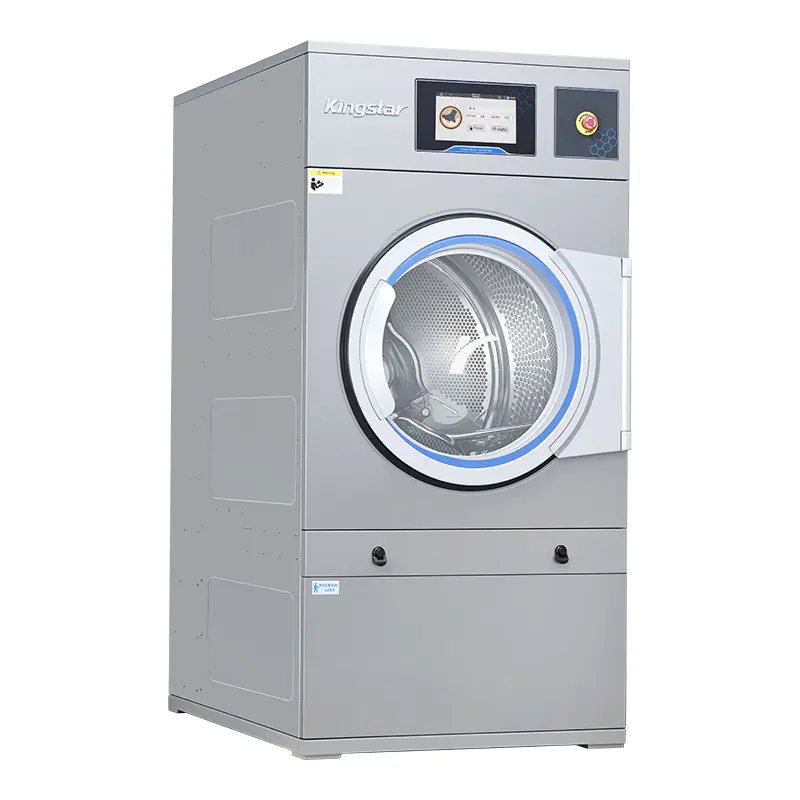
A2: Generally, it is not recommended because it can easily damage the fluffiness of down. We would rather recommend using a Kingstar wet cleaning machine and a Kingstar dryer with intelligent dryness and humidity control, which is safer.
Q3: Can leather coats be dry-cleaned?
A3: Leather jackets cannot be dry-cleaned in a regular way. They need professional leather care: cleaning, color touch-up, polishing, and maintenance.
ADD:No.388 Xinggang Road, Chongchuan District, Nantong City, 226000, Jiangsu Province, China.
-
Phone: +86-13917089379
-
Tel:+86-13917089379
-
Fax:+86-0513-85663366
-
E-mail:louislu@kingstarlaundry.com
products