英语
 俄语
 西班牙语
 德语
Home / News / Industry News / The Key to Laundromat Profitability: Site Selection and Store Valuation

Kingstar is your trusted partner for industrial and commercial laundry equipment. We specialized in the R&D and manufacturing of high-end industrial washers, commercial washers and dryers. Meanwhile, we provide global clients with comprehensive planning, layout workflow design, and software-hardware integration services for smart laundry plants.
Industry News
Oct 22,2026
The Key to Laundromat Profitability: Site Selection and Store Valuation
In the self-service laundry market, with the same investment, some stores remain profitable, while others operate at a loss. Today, the industry competition has shifted from equipment investment to site selection and store valuation. Many leading chain brands are in the Japanese self-service laundry market. They develop different site selection solutions. Also, they create a replicable method of store valuation and investment. This offers valuable insights for global laundromat investors.
Different Site Selection Strategies
● WASH HOUSE
This listed company uses centralized management by headquarters. It develops operational management into standardized products with remote customer service, inspection, and maintenance networks. This reduces a single store operator’s daily burden.
● Blue Sky Laundry
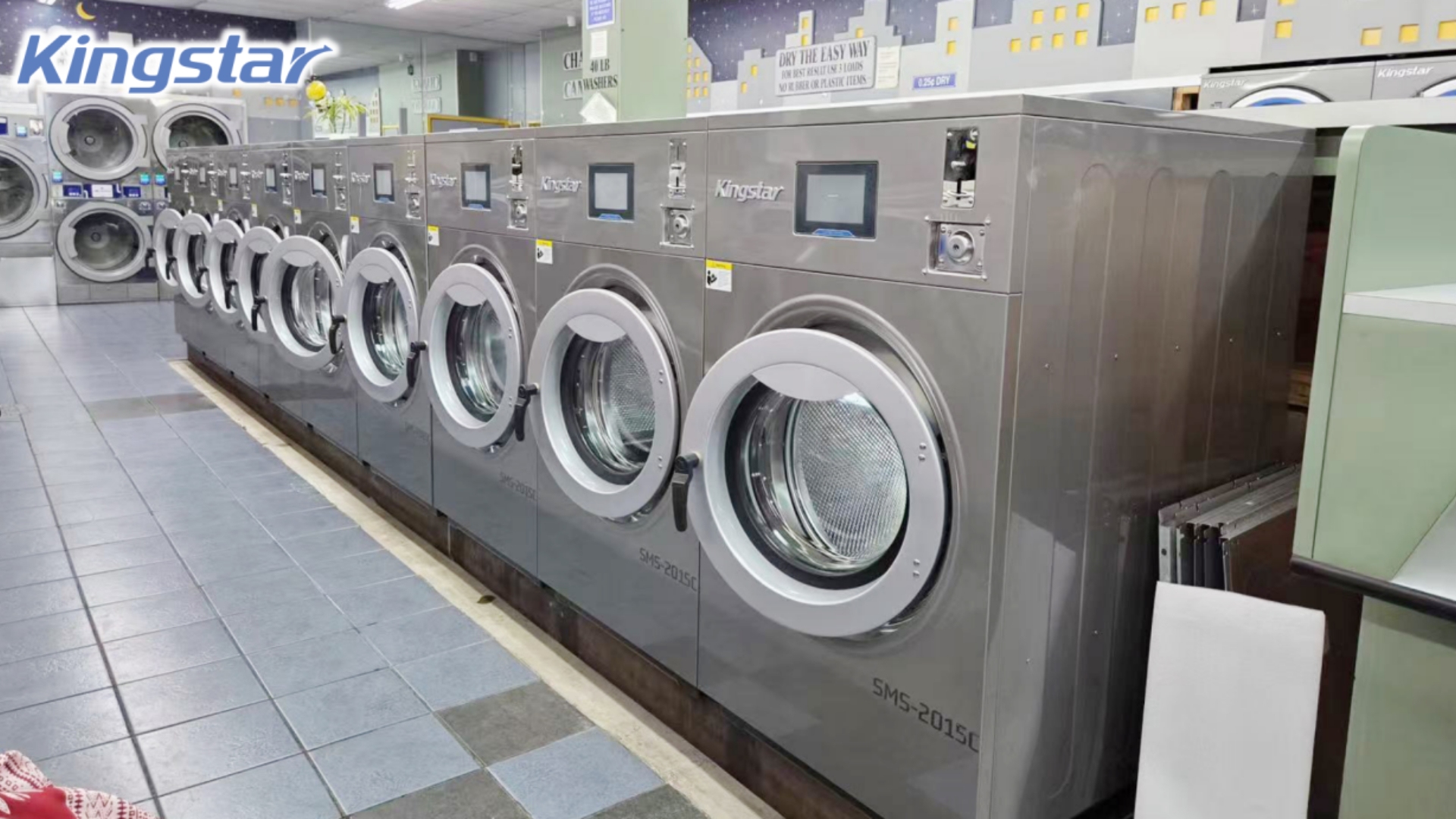
Its core strategy is to link commercial facilities. Stores are located in supermarket parking lots. Customers do their laundry while shopping. They do not need to spend additional time on laundry. The mall also provides a steady flow of customers.
● Baluko Laundry Place
It focuses on the space experience. It develops laundry programs and down quilt cleaning projects. It creates a more comfortable consumption scenario for family customers.
● Mamma Ciao
It simplifies franchise costs. It does not charge brand usage fees, but provides equipment and remote operational support.
● Pierrot
It cooperates with property owners. This helps turn idle commercial spaces into laundromats.
These chain brands reflect that laundromat site selection does not only rely on the total population of an area, but also on customer movement paths. For example, whether stores are located along the road residents take home, whether there is a main road that is difficult to cross, and whether parking spaces are enough. These directly affect customer conversion. For large laundromats for families who drive, they should focus on handling large textiles, vehicle entry/exit lanes, and parking convenience. Small stores can ensure customers come by foot and bike. Besides, many stores have enough customers. But their flow paths are improper. This causes low foot traffic.
Store Valuation
This is key to investment strategy. Many investors are used to using a simple payback period formula (listing price/disclosed annual profit) to estimate the period. However, this calculation is prone to inaccuracy when acquiring laundromats. The profits disclosed by sellers often include three major risks. They do not account for owners’ unpaid labor, reserve funds for equipment upgrades, and treat short-term peak-season revenue as regular revenue.
Investors can first calculate the sustainable free cash flow, then determine the maximum purchase price. The total acquisition investment contains not only transfer fees, but transaction fees, necessary repairs when closing, lease deposits, and operating cash buffers. Although deposits can be refundable, they can tie up funds for a long time.
When getting the profits disclosed by sellers, readjust the valuation strategy. If the profits do not include owner’s labor fees, add labor costs. Reserve equipment upgrade expenses according to their aging periods. Remove one-time gains and revenues from short-term promotions. If the project includes the acquisition of land and buildings, assess property and laundry business value separately. If stores have leases nearing expiration and aging equipment, do not only consider the static payback period. Calculate the annual cash flow. Also, consider the demolition and restoration costs upon lease expiration.
For example, a store’s listing price is 6 million yen ($38,000). After verification, the cash revenue before depreciation is 1.65 million yen ($10,400), excluding the owner’s labor fees. The transaction costs, maintenance fees, and deposits are 2 million yen ($12,600). Thus, the total investment reaches 8 million yen ($50,500). Annual labor costs are 360,000 yen ($2,270). 600,000 yen ($3,790) is reserved for equipment upgrades. Thus, the distributable cash is 690,000 yen ($4,350). Before financing, the cash yield is around 8.6%. The original payback is 3.6 years. After accounting for these costs, the period extends to 11.6 years. This reduces investment attraction.
Inspection Before Acquisition
● Revenue inspection
Review the monthly operating data for 24 to 36 months. Cross-check machine operation records, electronic payment, bank transaction statements, and utility bills. Find short-term revenue fluctuations caused by promotions, price increases, temporary closures, and laundry drop-off services. Do not treat monthly peak-season revenue as annual revenue.
● Equipment inspection
Record each machine’s brand, model, serial number, year of production, breakdown history, and spare parts supply. Invite independent repair engineers to inspect on site. Pay attention to partial equipment upgrades. Some stores only replace key equipment. Other dryers and washers remain outdated models.
● Contract inspection
Confirm transfer lease rights, rent adjustment terms, parking usage rights, and responsibilities for site restoration. Check for equipment finance leases or liens. Besides, review franchise agreements, maintenance systems, and handover plans for prepaid card liability. Investors may plan to add laundry drop-off as well as garment pickup and delivery services. They should comply with local regulations. In Japan, customers use self-service equipment, and select laundry drop-off services belong to different regulatory categories. Laundry drop-off services are subject to the Laundry Business Act. This should be registered with the local public health center.
Store Investment Strategy
● Existing stores
Acquiring existing stores means understanding the actual operating records. But the risk is addressing residual issues.
● New stores
Investors can meet the requirements of equipment configuration and business area at the beginning. This can reduce the risk of old equipment and leases. However, revenue estimation relies on market surveys with greater uncertainty. Investors should remove optimistic projections without data support, rather than rejecting new or old store models.
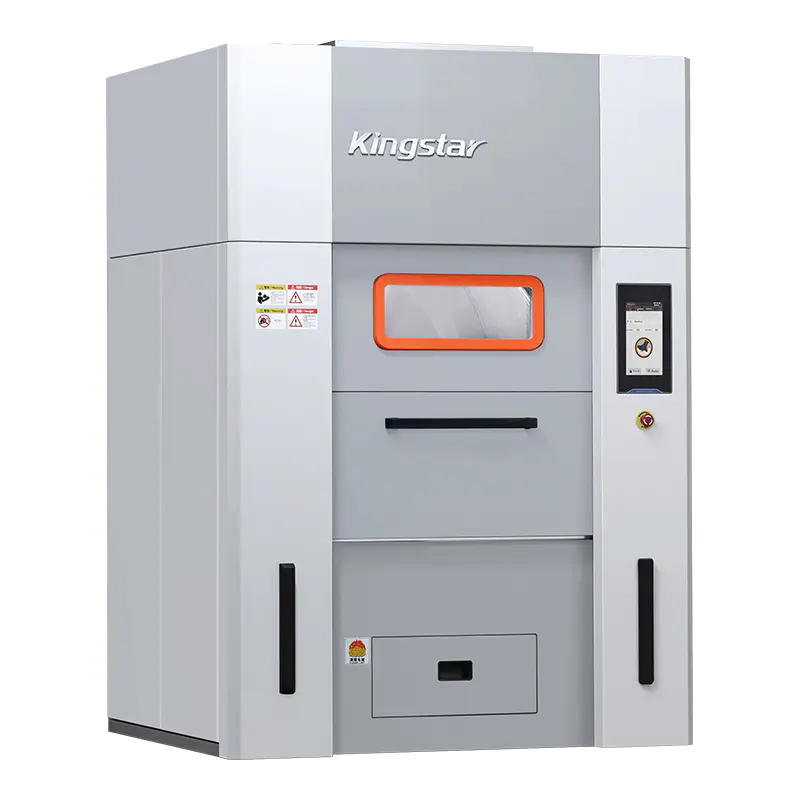
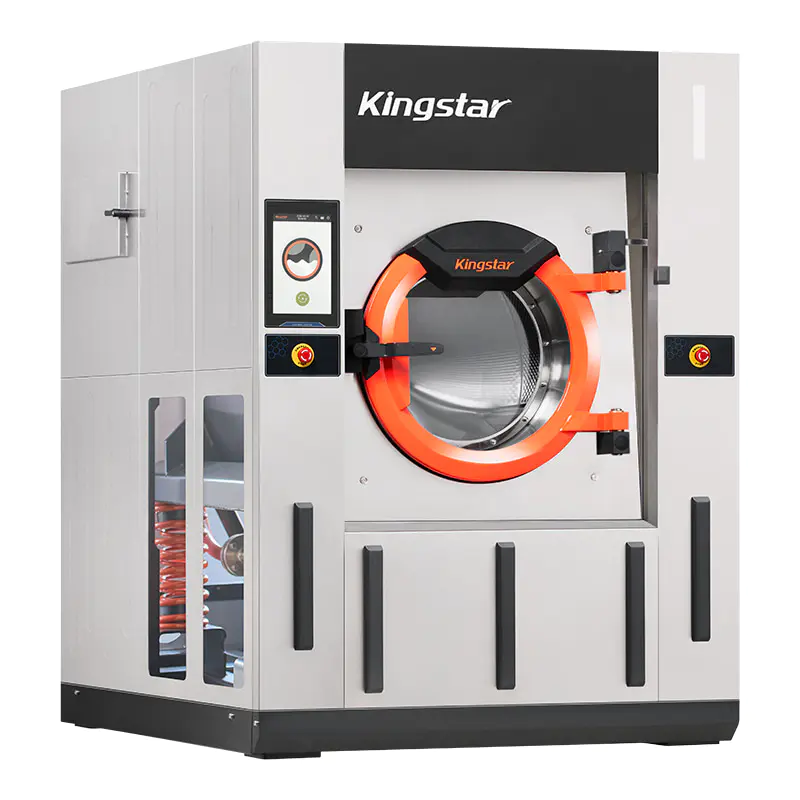
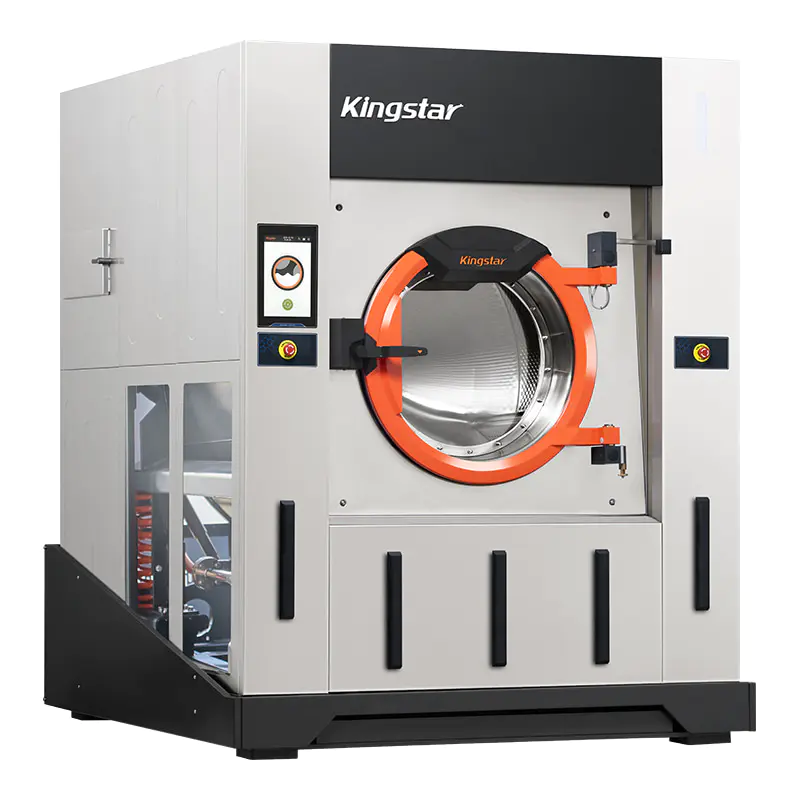
Kingstar focuses on the R&D and manufacturing of commercial laundry equipment. It provides complete, standardized washing and drying solutions for global laundromats and commercial laundry shops. They can cover regular commercial laundry and wet cleaning for delicate fabrics. This can meet the site selection requirements of community-based stores and mall-based laundromats. With stable and reliable equipment, Kingstar helps store operators implement standardized operations. Therefore, stores can improve their long-term, stable cash flow.
Conclusion
For self-service laundry investment, location affects the maximum customer traffic. Valuation determines the safety margin. If the valuation is far away from the actual requirements of business areas, equipment lifecycle costs, and lease liability, this can cause hidden risks to investors. Only by combining site selection, asset inspection, and cash flow calculation can investors make rational strategies.
Q&A
Q1: What are the most important factors of laundromat site selection?
A1: It is not the large population, but accessibility along the road. Main road blockage, parking convenience, grocery shopping route, and accessibility by foot and bike affect the actual conversion rate.
Q2: Why is the simple payback period calculation inaccurate?
A2: Labor costs, equipment upgrades, lease risks, and off/peak-season fluctuations are overlooked. Thus, this may increase store investment.
Q3: What should be inspected before acquiring a laundry shop?
A3: Revenue records, year of equipment production, breakdown history, spare parts inspection, lease liability, and contract risks.
ADD:No.388 Xinggang Road, Chongchuan District, Nantong City, 226000, Jiangsu Province, China.
-
Phone: +86-13917089379
-
Tel:+86-13917089379
-
Fax:+86-0513-85663366
-
E-mail:louislu@kingstarlaundry.com
products