英语
英语 俄语
俄语 西班牙语
西班牙语 德语
德语
Home / News / Industry News / The Key to Laundry Shop Profitability: Standardization Drives Long-Term Success, Not Scale

Kingstar is your trusted partner for industrial and commercial laundry equipment. We specialized in the R&D and manufacturing of high-end industrial washers, commercial washers and dryers. Meanwhile, we provide global clients with comprehensive planning, layout workflow design, and software-hardware integration services for smart laundry plants.
Industry News
Aug 21,2026
The Key to Laundry Shop Profitability: Standardization Drives Long-Term Success, Not Scale
Many laundry entrepreneurs and practitioners have a misconception. The larger the store scale and the more equipment it has, the better the business will be. In the current laundry care market, business success does not rely on store area and equipment quantity. The key is a standardized operation system that can be implemented throughout the entire process. It determines long-term profitability and customer retention. Nowadays, the competition in the laundry industry has become severe. Standardization has shifted from a competitive advantage to a basic requirement for market survival.
Laundry Shop Types
At present, laundry shops can be divided into two types.
● Independently operated small shops
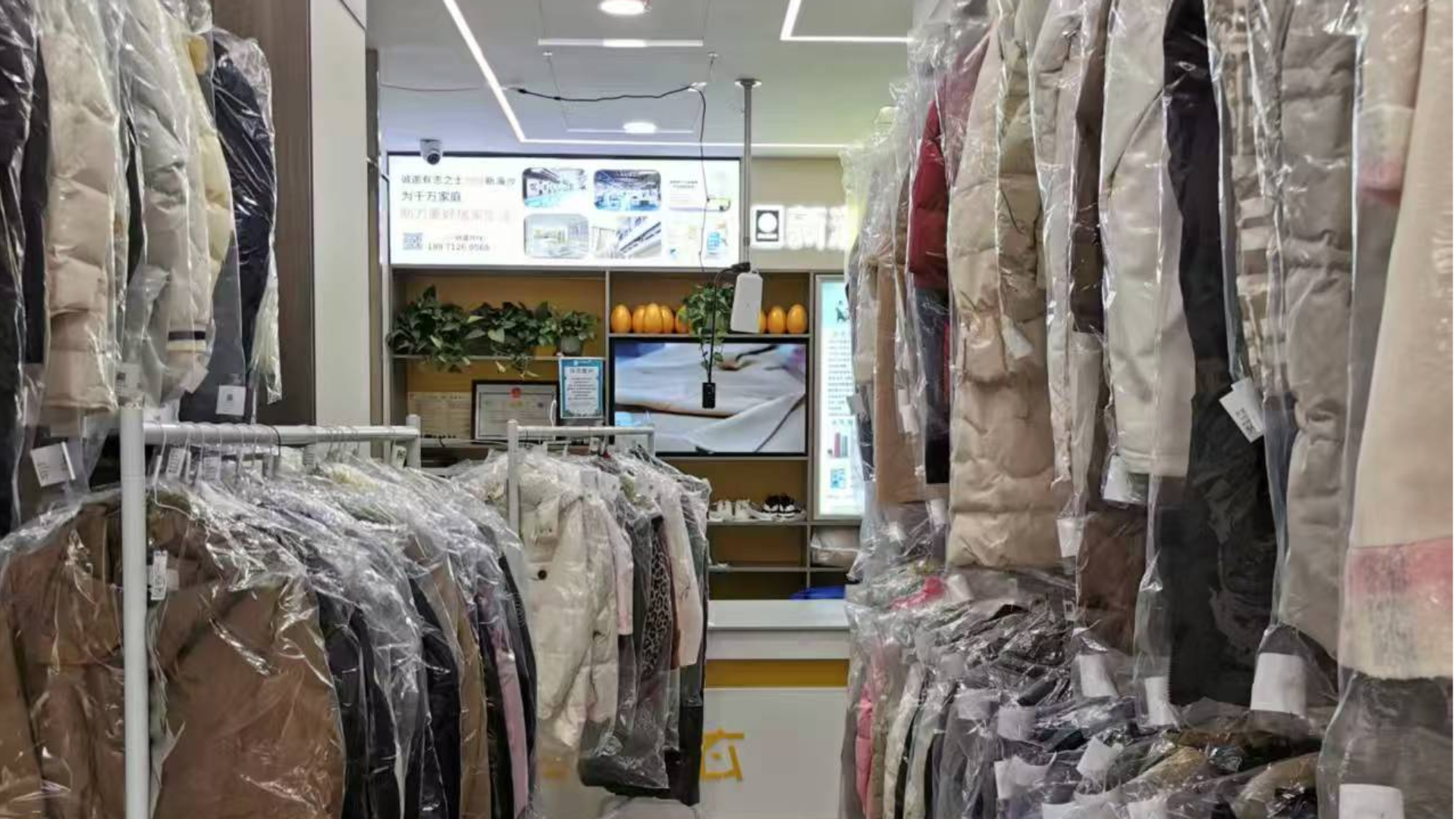
This type of community shop only has two or three old washing machines. The laundry operation fully relies on the owner’s experience. Fabric identification, stain removal, and detergent dosage have no fixed standards. They are based on subjective judgement and experience. If laundry mistakes occur, such as garment shrinkage, stiffening, pilling, and color fading, the store faces high compensation claims. Uncleaned garments require repeated rework. The store always gets trapped in a cycle of losses.
● Mature standardized chain stores
The store develops a closed-loop process from garment collection to delivery. Each step has fixed standards, including garment inspection, fabric sorting, classified washing, ironing quality control, and unified packaging. Customers have stable laundry care experiences. Repeat purchase and customer retention rates always remain high.
The two laundry shop types may not vary in their scale. However, they have obvious differences in business revenue and customer reputation. The root cause is not the space size, but whether they have standardized operating systems.
Business Challenges
Workshop-style shops are always caught in a business dilemma. This is mainly caused by a lack of standards.
First, laundry operations fully rely on practitioners’ personal experience. This model has a low tolerance for errors. Laundry owners take on many roles, including washing, stain removal, and front desk duties. Garment care usually relies on personal experience. During peak seasons, laundry errors easily occur. This not only reduces working efficiency but also affects customer experience.
Second, service processes have no unified rules. Customer complaints frequently occur. Professional stores fully check garments for existing damage, stains, and color fading. They will make detailed notes on service tickets. Most independently operated stores directly collect garments without inspection in advance. When picking up garments, customers find that garments are damaged. Stores also do not know whether they are existing damages or caused by the laundry process. Unclear responsibility easily leads to disputes.
Third, laundry quality is unstable. Customer trust gradually declines. A store delivers inconsistent laundry results between different batches. Garments are clean and wrinkle-free this time. But next time, stain residues and ironing wrinkles remain on garments. Due to inconsistent quality, customers dare not send high-end garments to the store. This makes it difficult to develop a stable customer base.
Fourth, disordered profit models make revenue difficult to predict. Workshop-style shops have no standardized pricing. The charges are determined by oral commitment. Pricing is different for new and regular customers. Discounts are random during peak and off seasons. Shops also lack standardized membership prepaid and loyalty points systems. The revenue fluctuates greatly. There is a lack of stable expectations for long-term operations.
Standardized Systems
Establishing standardized systems is the only way to avoid this vicious cycle. Four-dimensional systems help stores achieve stable profit margins and sustainable growth.
● Standardized process
It is the foundation of laundry quality. The key is to deliver consistent performance through fixed laundry processes. A laundry shop can establish an end-to-end procedure, including garment sorting, colorfastness testing, classified washing, rinsing, drying, finishing, ironing, and quality inspection and packing. Every stage should meet the operating standards.
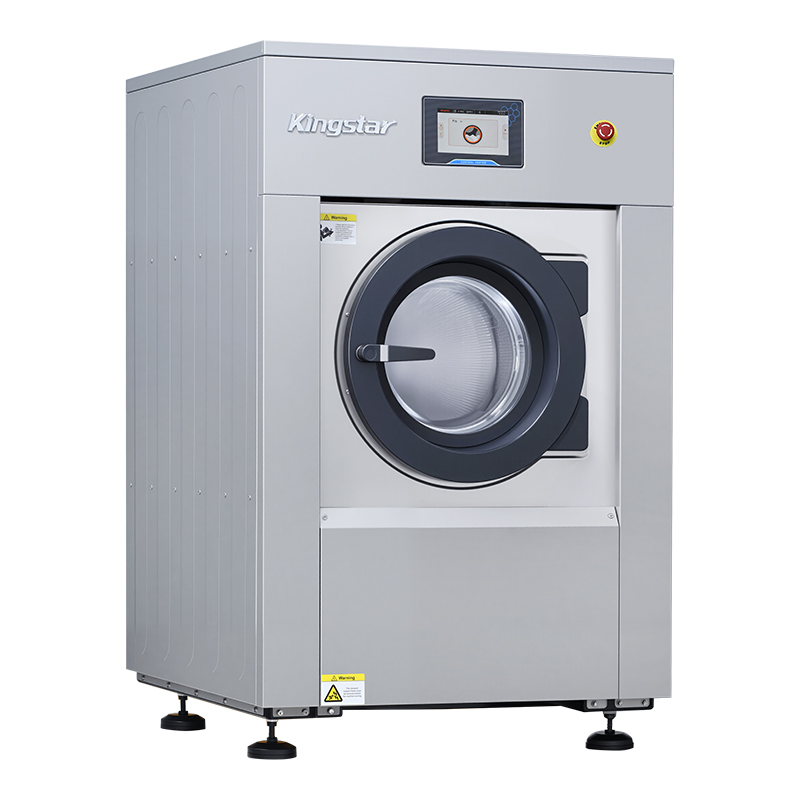
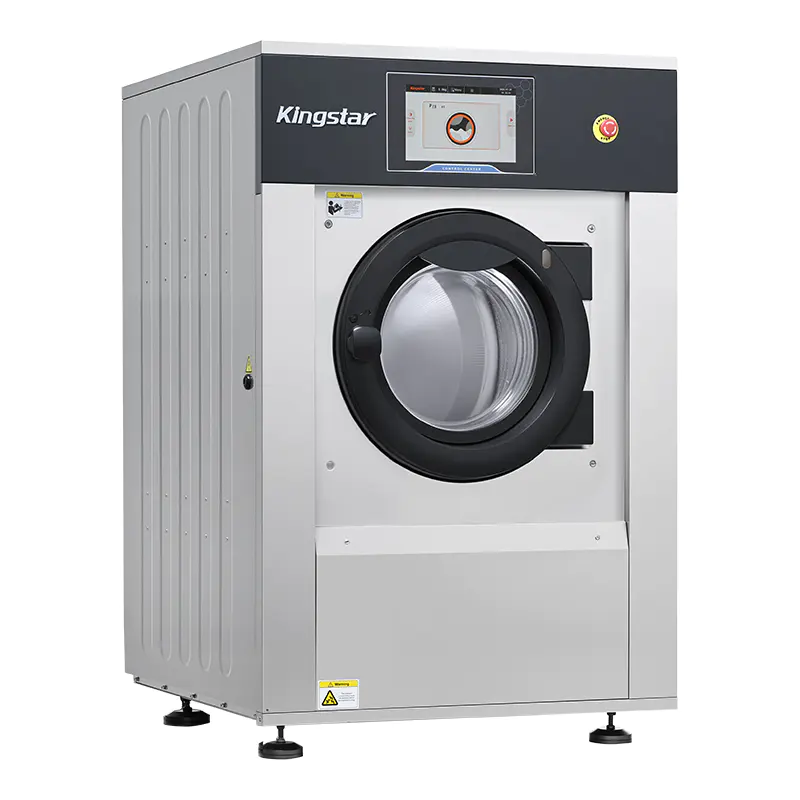
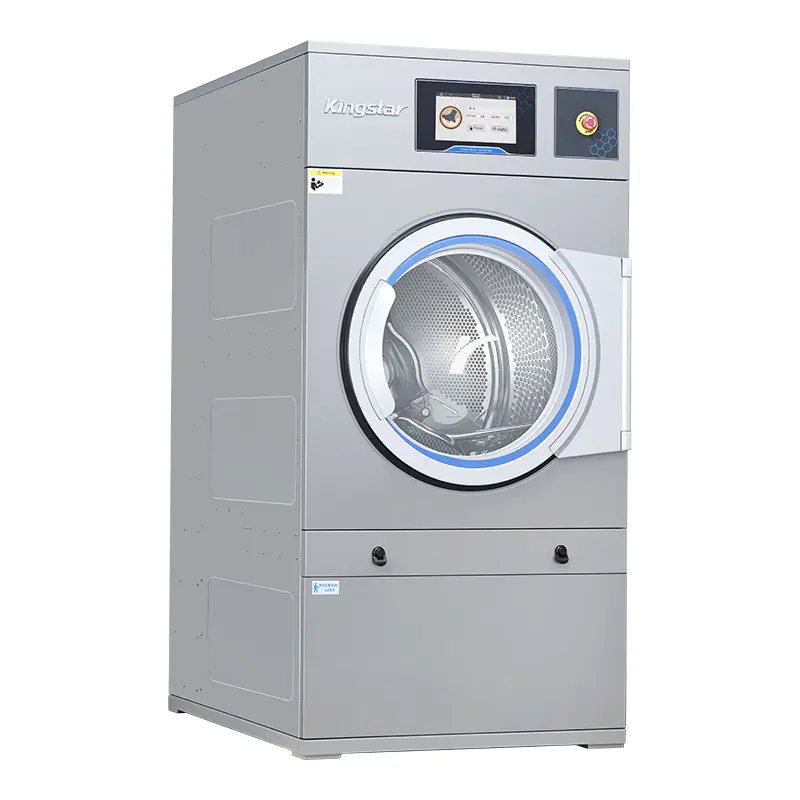
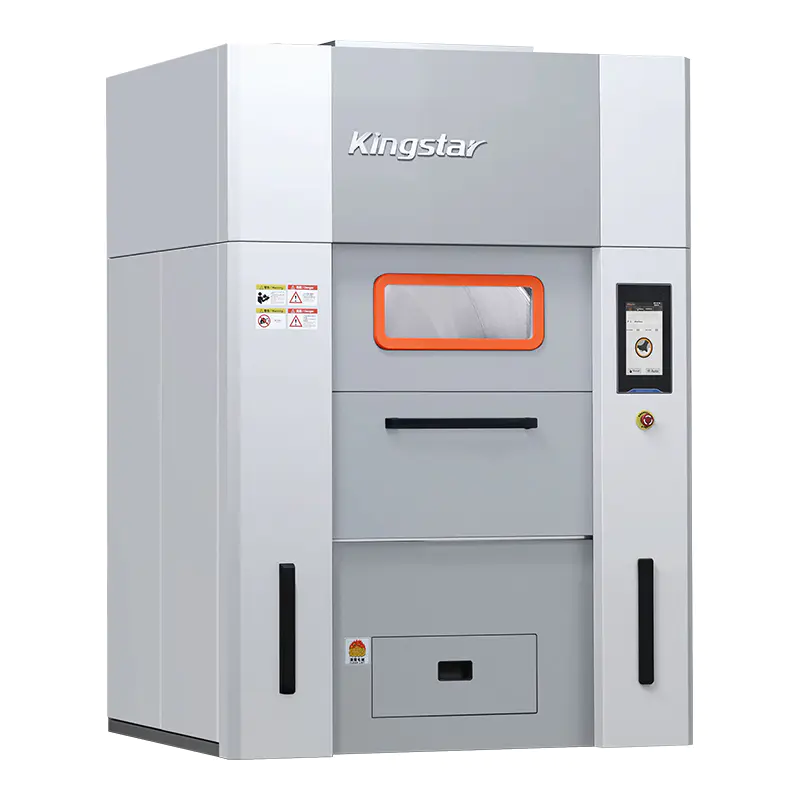
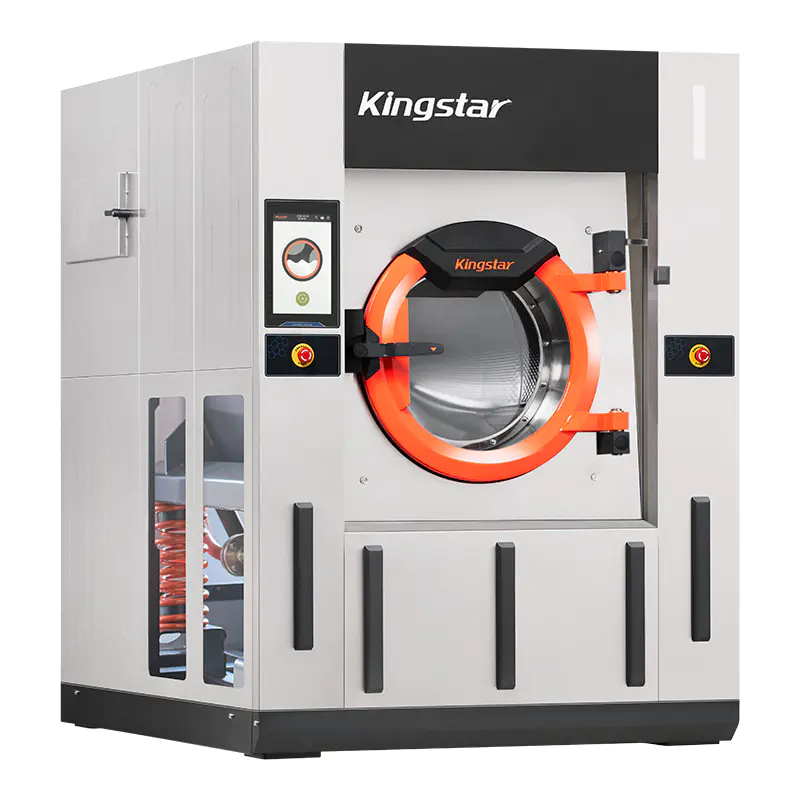
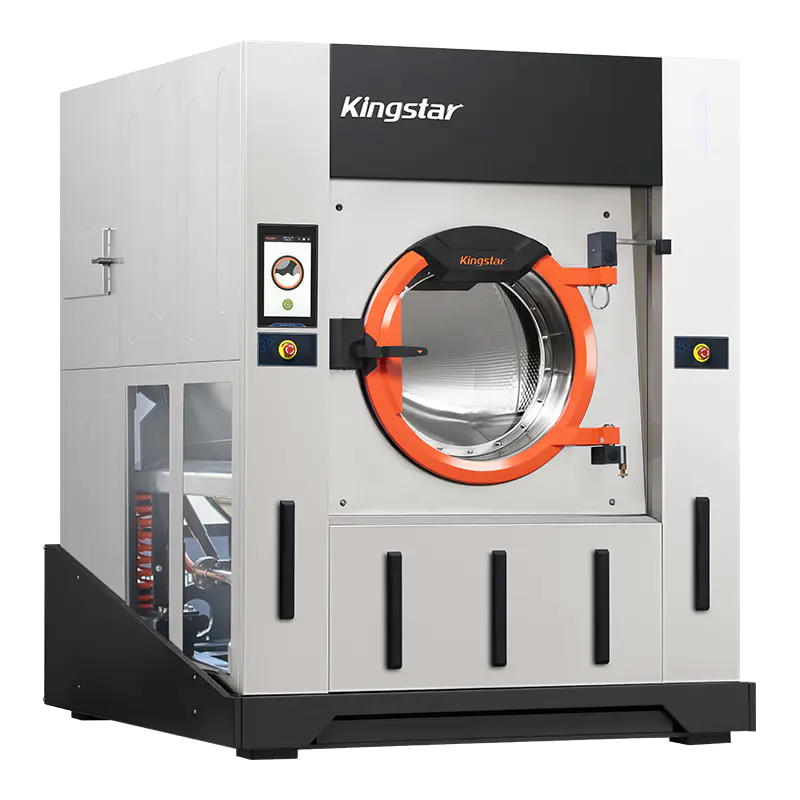
When collecting garments, identify fabric and stain types. Then select wet washing or dry cleaning. During laundry processes, set proper water temperature, time, and mechanical action. For example, a Kingstar washer can store up to 79 washing programs as well as 99 drying programs. It meets standardized requirements. This reduces manual handling. Therefore, laundry quality becomes more stable. Before packing, check garment labels. Meanwhile, complete a quality inspection. Refined processes ensure stable quality. Different operators can handle the process. Therefore, stable quality wins customer trust. This drives repeated purchases.
● Standardized service
It creates unified consumer experiences. It also lays a solid foundation for store reputation. Standardized services cover customer touchpoints (from garment inspection communication standards, defect marking methods, and packaging materials to membership application, point redemption, and after-sales service processes). All services have unified standards, including customer reception, laundry communication, and garment pickup and delivery. They help customers create professional and reliable store recognition. Unlike workshop-style shops, this type of store rapidly wins customer trust.
● Standardized operation
It significantly reduces management barriers and reliance on experience. Traditional handwritten ledgers and simple forms are replaced with professional POS, membership, and data management systems. They support real-time inspection (member growth, project revenue, and material inventory). Operational strategies are based on real data. New workers can use the standardized operation manuals to finish all daily tasks (ordering, inventory checking, shift scheduling, and account checking). Without years of laundry experience, entrepreneurs can maintain stable operations by strictly following standardized processes.
● Standardized pricing
This directly addresses customer pain points, which helps eliminate price disputes. Stores should provide overall and transparent pricing. Different garments have clear laundry fees. There is no room for private bargaining. Standardized pricing makes customers feel confident, which reduces price disputes. It is also convenient for stores to calculate material and labor costs as well as predict single-store profits. Business plans become clearer and more controllable.
Conclusion
Currently, customer laundry demands and awareness continue to improve. They no longer simply choose the small stores nearby. On the contrary, the public actively identifies a store’s professional image. They tend to trust laundry shops that deliver consistent laundry performance and transparent pricing.
For laundry entrepreneurs and managers, standardization can reduce long-term business risks. The future of laundry relies on professional processes. Standardized brands make every customer feel confident and worry-free. They avoid blindly expanding their scale. On the contrary, they focus on building standardized systems. With replicable experiences, they will grow stably.
Q&A
Q1: Which model should a laundry entrepreneur choose, a franchise or an independent store?
A1: If there is no laundry experience, choose a franchise. Otherwise, open an independent laundry shop. Choose smart equipment. Put more effort into management and customer demands.
Q2: Should a new laundry shop choose wet cleaning machines or traditional washers?
A2: A Kingstar wet cleaning machine can store up to 79 automatic programs. They cover various garment types. The machine can also connect to a chemical dispensing system. Preset washing programs work like an experienced operator.
Q3: The daily laundry volume of a shop is around 70-80 garments. Which Kingstar wet cleaning machine should be chosen?
A3: A Kingstar 25 kg wet cleaning machine.
ADD:No.388 Xinggang Road, Chongchuan District, Nantong City, 226000, Jiangsu Province, China.
-
Phone: +86-13917089379
-
Tel:+86-13917089379
-
Fax:+86-0513-85663366
-
E-mail:louislu@kingstarlaundry.com
products