英语
英语 俄语
俄语 西班牙语
西班牙语 德语
德语
Home / News / Industry News / Two Key Operational Challenges of Traditional Laundry Shops and Solutions for Transformation

Kingstar is your trusted partner for industrial and commercial laundry equipment. We specialized in the R&D and manufacturing of high-end industrial washers, commercial washers and dryers. Meanwhile, we provide global clients with comprehensive planning, layout workflow design, and software-hardware integration services for smart laundry plants.
Industry News
Sep 03,2026
Two Key Operational Challenges of Traditional Laundry Shops and Solutions for Transformation
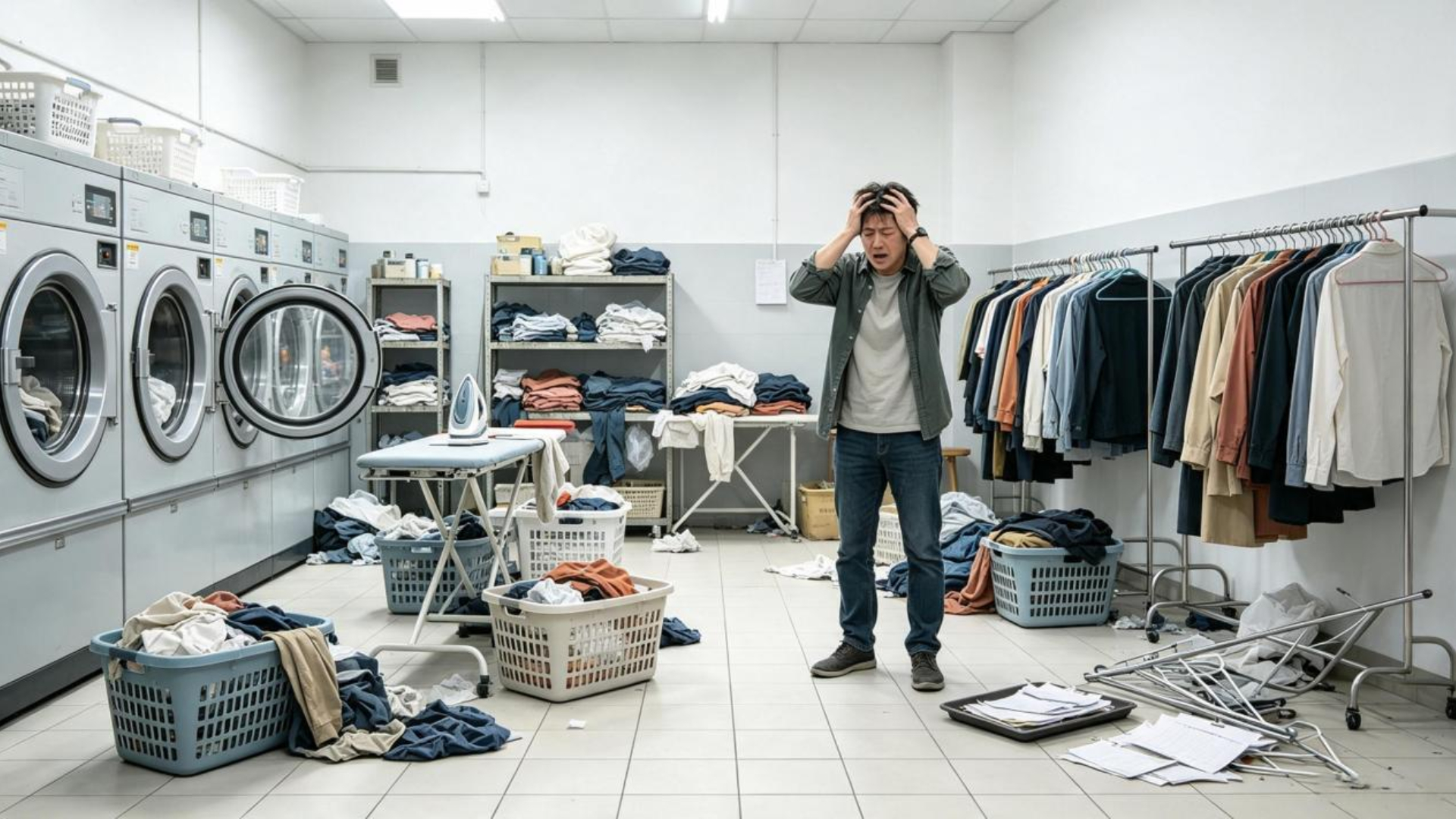
The global laundry industry is rapidly transforming. Traditional community laundry shops used single-service business models. But they cannot keep pace with market growth. In the past, stores made profits relying on garment cleaning and wet cleaning services. Now, they face many business difficulties. Two key challenges, seasonal revenue imbalance and the impact of online laundry platforms, have become bottlenecks that limit the development of traditional laundry shops.
To break through profitability challenges, more and more laundry shops move beyond traditional service boundaries. They continue to expand service offerings, optimize business models, as well as upgrade laundry equipment. They gradually transform from single laundry stores to multi-functional community lifestyle service hubs. The successful transformation in the Chinese laundry industry provides a replicable business model for global laundry operators.
Two Key Operational Challenges
The decline of traditional offline laundry shops is caused by the mismatch between business models and market demands and industry conditions. Laundry shops face two unavoidable industry challenges. They are also common pain points for small and medium laundry shops worldwide.
● Seasonal revenue imbalance
The revenue of the garment care industry highly depends on seasons. In winter, the demand for garment care (such as down, cashmere, and wool coats) sharply surges. Stores receive a large number of orders. Their capacity reaches full utilization. In summer, lightweight garments can be washed at home. The order volume of stores drops significantly. Due to fluctuations between peak and off seasons, traditional laundry shops only have 3-4 months of profit-generating period throughout the year. They only maintain basic operations for the rest of the time. More importantly, regardless of peak and off seasons, the store rent, equipment depreciation, and labor costs remain the same. During off-seasons, idling equipment and labor waste significantly squeeze profit margins.
● Impact from online laundry platforms
With the digital development of the laundry industry, online laundry platforms quickly attract community customers with their low-price packages and pickup and delivery services. Consumers place orders online with one click without visiting the store. Garments can be picked up and delivered to them, which is time-saving.
On the contrary, traditional shops passively wait for walk-in customers. Customer traffic continues to decline. Due to price wars, many small and medium traditional shops face challenges, including sharply declining order volume and meager profits. Some stores even withdraw from the market.
Multidimensional Business Solutions
To meet the challenges, the domestic laundry industry is undergoing a comprehensive transformation. It is upgrading in three areas: service categories, customer groups, and business models. With professional smart washing machines, laundry shops break free from operational limitations and achieve stable profitability.
● Service categories
Laundry shops transform from laundry care to comprehensive item care. Modern laundry shops are not limited to basic care services anymore. They offer diverse services (shoe care, leather restoration, luxury item care, curtain and sofa cover cleaning, home appliance cleaning, and household cleaning). These services fill seasonal revenue gaps. They also increase year-round equipment utilization. This reduces the impact of seasonal fluctuations.
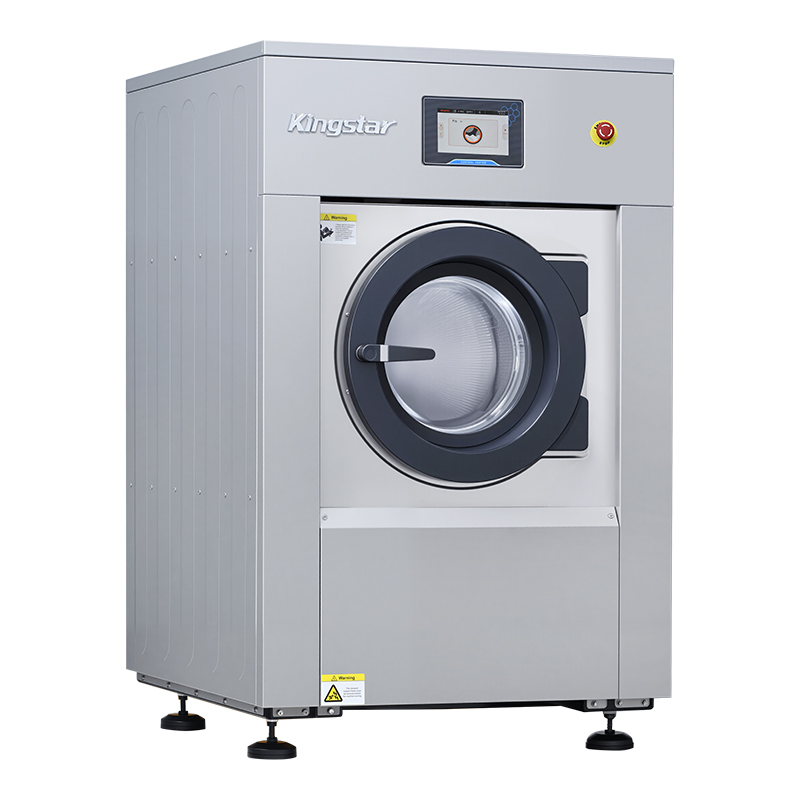
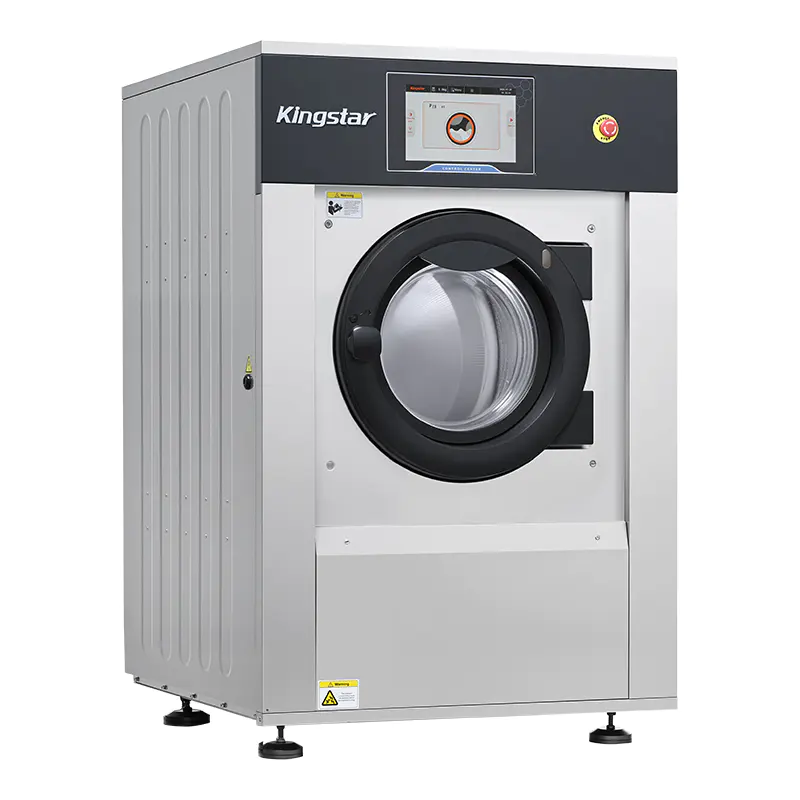
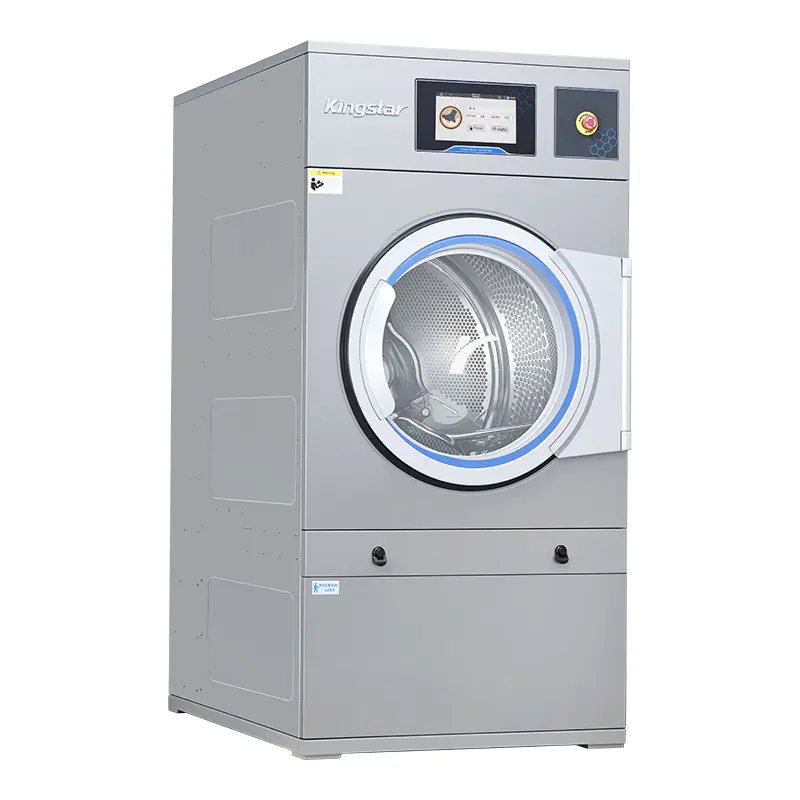
At the same time, the domestic luxury consumption market creates huge opportunities. Premium fabric and luxury care become the key to stores’ profitability. This significantly increases average order value and profit margins. Laundry shops can also create their professional care image. For the laundry requirements of high-end delicate fabrics, Kingstar has customized wet cleaning machines and commercial dryers. They are designed for delicate fabrics, such as wool, silk, down, and leather, to achieve gentle cleaning and fabric protection. Thus, laundry shops can receive high-end laundry orders, which helps them build competitive advantages.
● Customer groups
Laundry shops can achieve full-scenario service coverage, rather than focusing on a single community. Traditional laundry shops only focus on community families. The limited customer base causes slower growth. Nowadays, leading stores expand their service ranges. They provide affordable group packages for young student customers. Besides, they attract targeted customers through campus communities and school-enterprise partnerships. They build long-term relationships with Gen Z consumers. Meanwhile, laundry shops expand B2B markets. They handle bulk cleaning orders for corporate uniforms, property management linen, and campus textiles. This develops a dual revenue model “B2C customers + B2B bulk orders”. It significantly reduces seasonal fluctuations.
Kingstar washers and dryers can handle continuous processing of bulk textiles. They have high stability and washing efficiency. So, they can meet the B2B bulk laundry requirements. This increases stores’ productivity and revenue.
● Operating modes
Laundry shops convert from passive waiting to active digital services. New laundry shops establish online-to-offline operating systems. They expand customer acquisition channels through mainstream platforms such as Meituan and Dianping. With dedicated mini programs, laundry shops can provide full-process digital services, including online ordering, order tracking, and after-sales feedback. Meanwhile, they abandon passive store-based operation models. They offer seasonal value-added services. They also provide customized services, such as seasonal garment cleaning, waterproof shoe care during rainy seasons, and mold prevention and moisture removal during humid seasons. Modern stores actively identify customer needs. They strengthen customer loyalty.
Conclusion
The current transformation practice in the Chinese laundry industry proves that traditional stores should not compete on prices, but focus on model innovation, service expansion, and equipment upgrades. Diverse services break the seasonal limitations. Dual-operation models expand customer bases. Professional equipment improves service quality. Their combination thoroughly reshapes the profitability model.
At present, this transformation model has been adopted by many cities in China. It has become a standardized solution for long-term profitability in small and medium laundry shops and laundromats. It also sets an example for the transformation of the global laundry industry. Kingstar has been deeply involved in commercial and industrial laundry equipment. It provides standardized and smart equipment solutions. This not only helps laundry shops worldwide break business limitations but also helps them achieve efficient and stable operations.
Q&A
Q1: What is the biggest challenge that traditional laundry shops face?
A1: Seasonal revenue imbalance and the impact of online laundry platforms. During off-seasons, equipment and labor incur high idling costs. Online platforms attract many customers through door-to-door services. Thus, stores have unstable profitability and great competitive pressure.
Q2: What are the key advantages of diverse laundry services?
A2: Laundry shops can expand their services (household cleaning, luxury care, and housekeeping). This increases the utilization of equipment and labor. It also fills seasonal revenue gaps. Meanwhile, these services increase average order value. They help laundry shops build competitive advantages.
Q3: What is key to achieving long-term stable profitability?
A3: Laundry shops make profits from B2C and B2B businesses. They gain more customers through digital channels. With professional washing machines, they ensure service quality. They build close relationships with customers through diverse, targeted, and premium services. Thus, they achieve long-term operations.


ADD:No.388 Xinggang Road, Chongchuan District, Nantong City, 226000, Jiangsu Province, China.
-
Phone: +86-13917089379
-
Tel:+86-13917089379
-
Fax:+86-0513-85663366
-
E-mail:louislu@kingstarlaundry.com
products