英语
英语 俄语
俄语 西班牙语
西班牙语 德语
德语
Home / News / Industry News / Washing and Treatment Methods for Mold-Stained Clothes in Laundry Shops

Kingstar is your trusted partner for industrial and commercial laundry equipment. We specialized in the R&D and manufacturing of high-end industrial washers, commercial washers and dryers. Meanwhile, we provide global clients with comprehensive planning, layout workflow design, and software-hardware integration services for smart laundry plants.
Industry News
Jan 20,2026
Washing and Treatment Methods for Mold-Stained Clothes in Laundry Shops
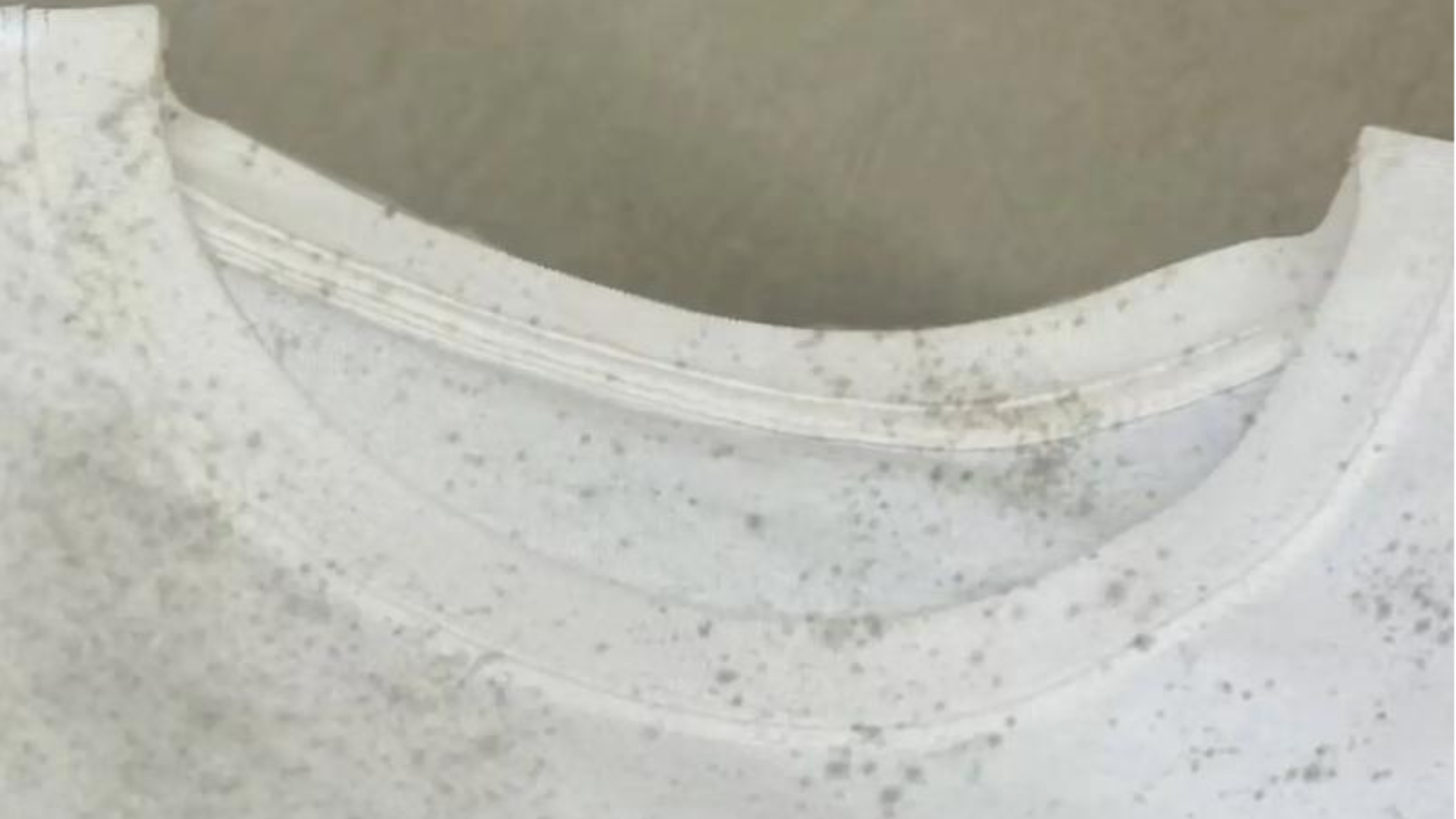
When collecting seasonal clothes, the laundry shops may find that some clothes have already gone moldy. Some severely moldy clothes may not be cleaned thoroughly or even pose a risk of damage. The staff at the front desk should carefully make judgments according to the materials and the degree of mold and inform the customers in advance. It is better to take pictures of the clothes during the collection as a basis for comparison before and after processing.
Severely Moldy Clothes
If the following types of clothes have severe mold spots, the front desk staff of the laundry shops need to explain the situation to the customer or politely decline.
● Artificial leather
When artificial leather gets moldy, the surface coating starts to peel or lose color. These items are tricky to clean because the mold may not come out completely, and the material could get damaged during the process.
● Coated fabrics
Mold on coated fabrics can corrode the coating and cause it to peel in spots. Even after cleaning, some stains may stay, and the waterproof effect may be lost. Laundry shops should let customers know this in advance.
● Cotton and linen fabrics
Cotton and linen get moldy very easily if they are damp or stored badly. Severe mold can weaken the fibers and make them brittle. After washing, some stains may remain, and the fabric could tear during cleaning. Laundry shops should communicate about this with customers carefully.
● Silk, wool, and other protein fibers
Protein fibers get moldy easily and can also be damaged by insects. Laundry shops should check them carefully in the light for hidden insect holes. Moldy silk or wool may develop small holes after cleaning, so laundry shops should warn customers about this beforehand.
● Polyester and other synthetic fabrics
Polyester itself does not get moldy easily, but if items are stored without being properly cleaned, mold can still grow from food, sweat, or skin cells. Severe mold stains can stick strongly to the fibers and may be very hard to remove. Staff should explain to customers that a complete removal may not be possible to avoid problems later.
Slight Moldy Clothes
If the mold spots are slight, the following methods can be used as pre-treatment, and then comprehensive washing should be done.
● Sun drying and alcohol treatment
Hang the clothes in soft sunlight for one to two hours with the inside facing out → use a soft brush to gently remove any mold → use a towel dipped in alcohol → wipe the moldy spots.
This step helps remove most of the mold and makes the next cleaning easier.
● Strong soap solution soak
This method is suitable for cotton, linen, and synthetic fabrics that do not fade easily. Cut some soap into thin pieces → dissolve it in hot water → the water cools down to about 40°C → put the clothes in the solution → gently rub them/let them soak for 30 minutes or more → soak → dry them in the sun → repeat the process a few times → the mold becomes lighter → rinse them well with clean water.
● Alcohol-soap solution and hydrogen peroxide
This method is for white cotton, linen, or polyester.
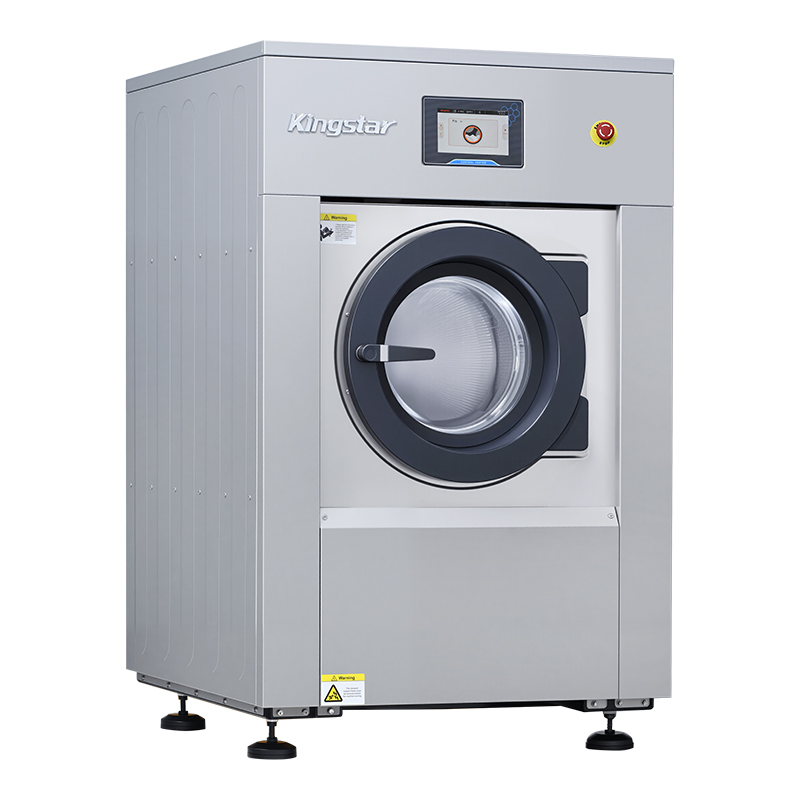
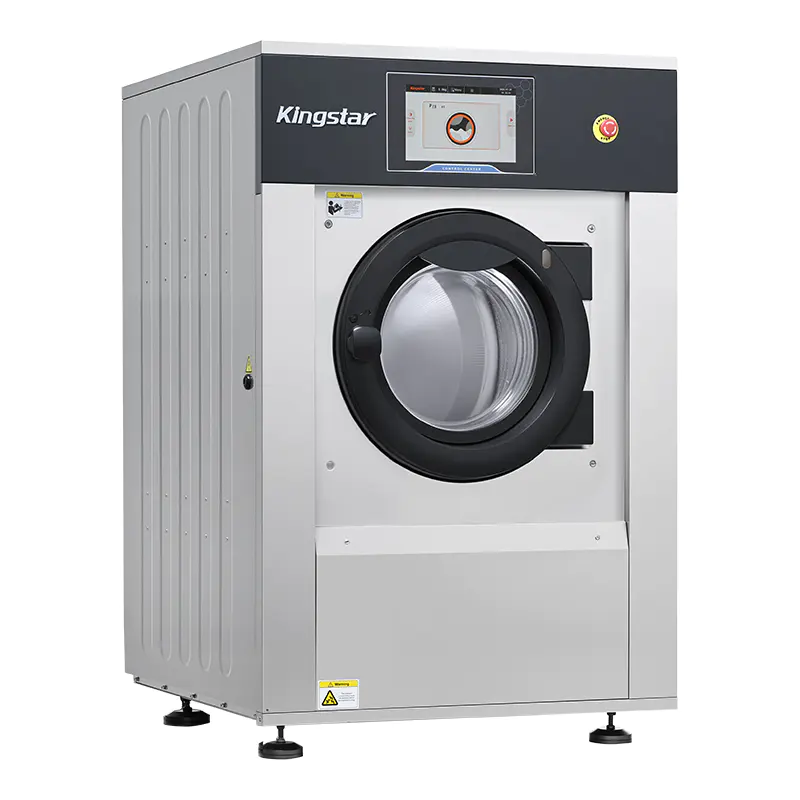
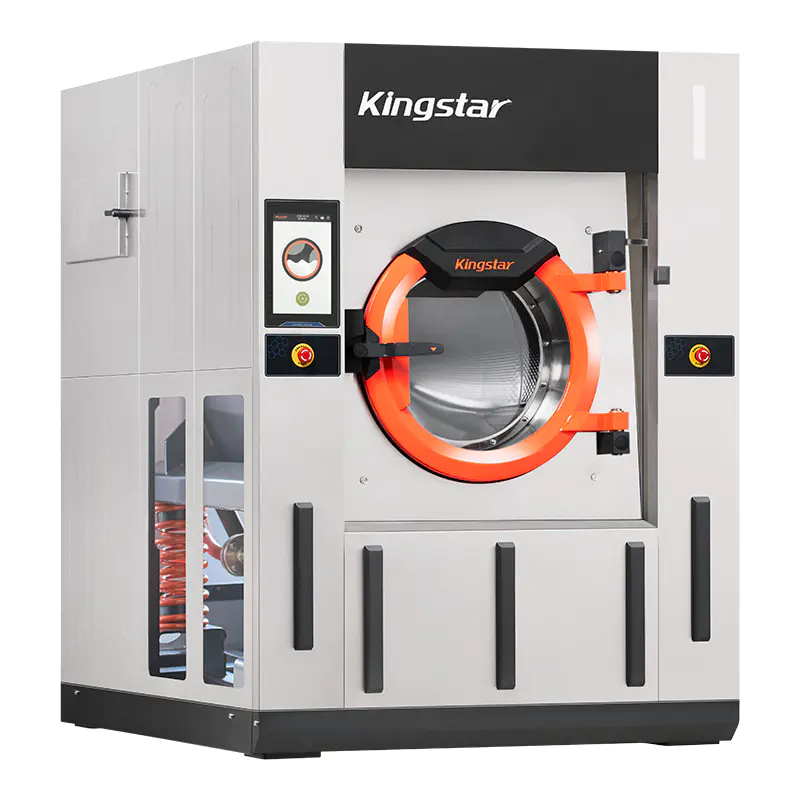
Wipe the mold with a 2% soap-alcohol solution → use a 3% to 5% hydrogen peroxide solution to gently wipe the stains → soak the item with older mold for one hour → wash. If soaking is needed, laundry shops can use the soaking program on the Kingstar wet cleaning machine SHS-2025P. The machine’s soaking and automatic turning actions help the detergent get deep into the moldy areas.
● Ammonia or turpentine treatment
This method works well for mold that comes from oil or sweat, which often appears on collars, cuffs, or underarms.
Use a 5% ammonia solution or turpentine to gently wipe the moldy spots → wash the clothes normally.
● Special treatment for mold on silk
If a silk item has light mold, staff can wash it with a citric acid solution and then rinse it with cold water.
● Treatment for linen fabrics
Linen clothes can be cleaned with a calcium chloride solution.
How to Clean and Prevent Mold on Seasonal Clothes
● Careful Inspection
Before washing, the condition of the stains on clothes should be carefully checked, especially those on collars, cuffs, underarms, the front placket, and other easily contaminated areas. The stain removal should be targeted and complete to avoid mold during the storage process caused by residual stains. When treating white cotton or linen textiles, staff can add a targeted mold-removal product during the sterilization or bleaching links. When treating colored clothes, staff can use mild enzyme-based stain removers to avoid damaging colors and fibers.
● Prevent mold after washing
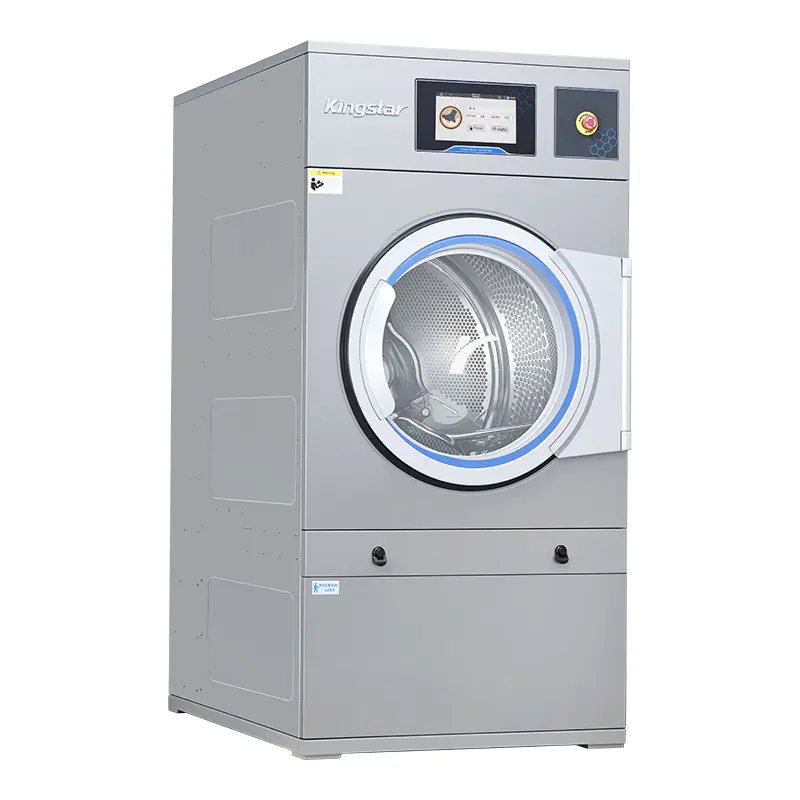
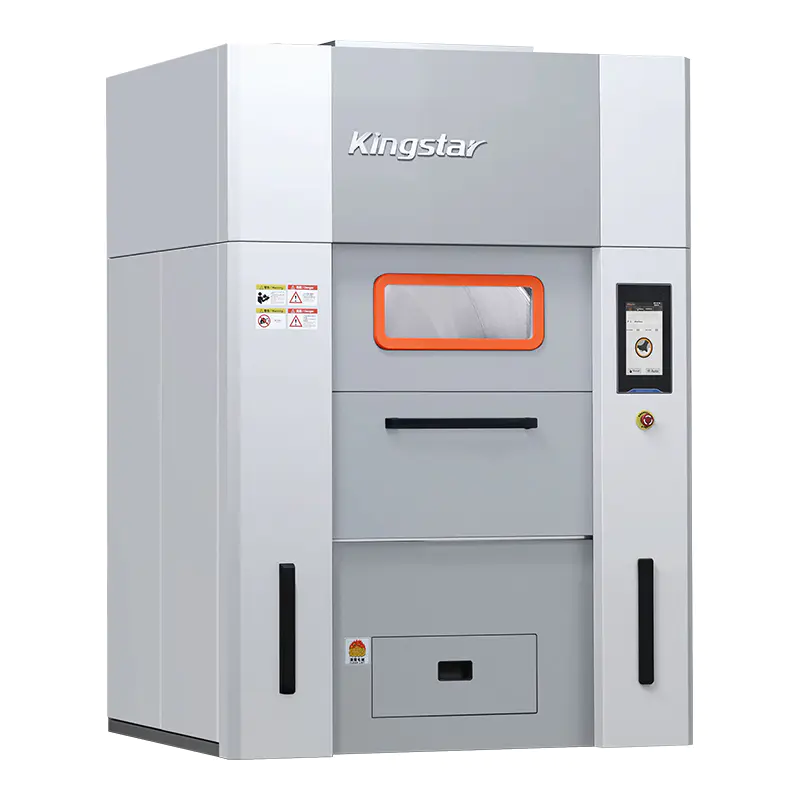
After washing, staff can soak or spray the clothes with a clothing safe antibacterial agent and make sure the clothes are completely dry before hanging or packing them. The Kingstar dryer SDR-2025 has a humidity control system that can keep the final moisture level below 3%. This helps reduce the chance of mold during seasonal storage.
● Tips for customers
Customers should put moisture absorbers or anti-mold tablets in their closets. They should also keep the closet well-ventilated regularly and avoid packing clothes too tightly for a long time. When the weather is good, they can air the clothes in the sun to further prevent dampness and mold.
Conclusion
By the above determining standards, cleaning methods, and anti-mold suggestions, laundry shops can treat the mold issue more professionally and improve customers’ awareness of clothes storage to reduce the occurrence of molds. If there are some conditions that are difficult to determine, it is suggested to fully communicate with the customers first and then determine whether to clean them or not.
ADD:No.388 Xinggang Road, Chongchuan District, Nantong City, 226000, Jiangsu Province, China.
-
Phone: +86-13917089379
-
Tel:+86-13917089379
-
Fax:+86-0513-85663366
-
E-mail:louislu@kingstarlaundry.com
products