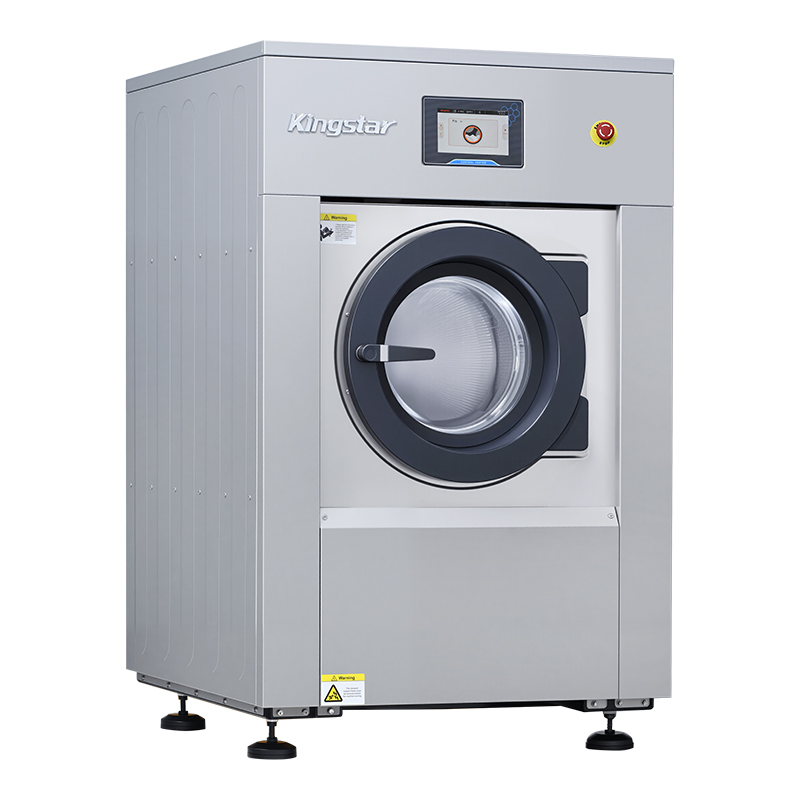
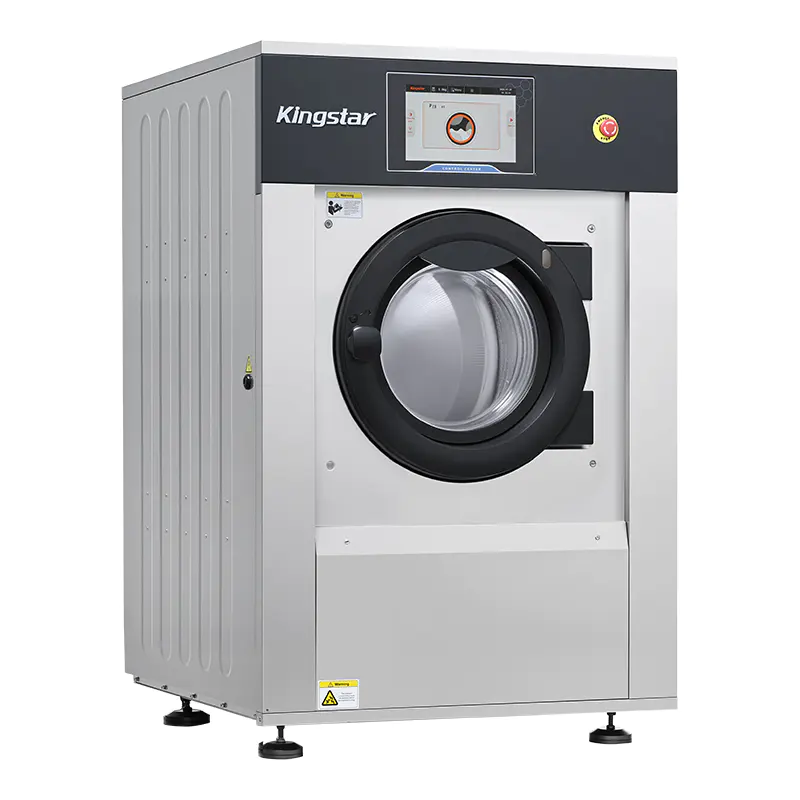
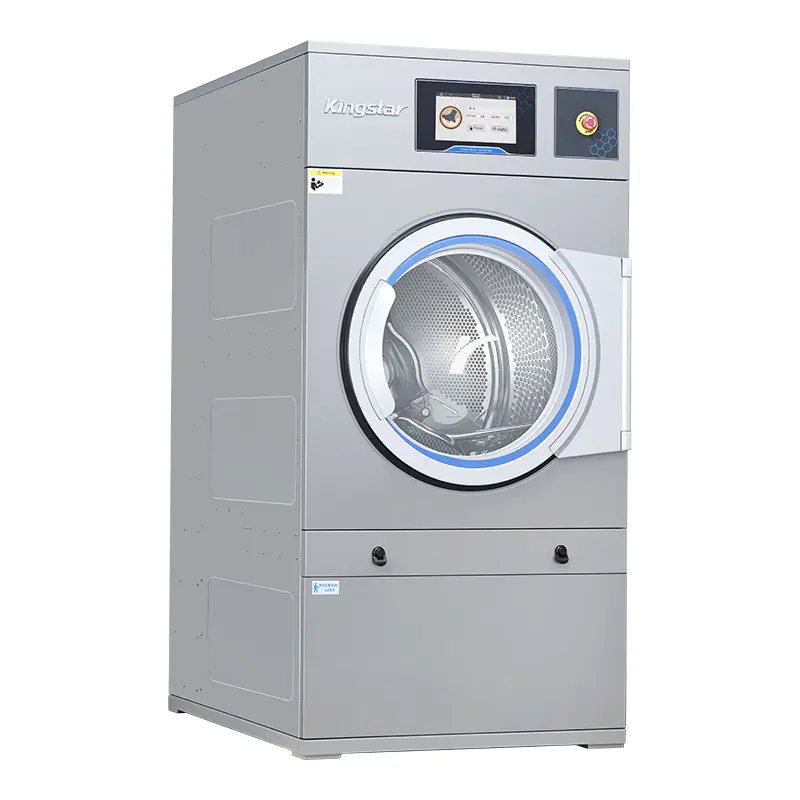
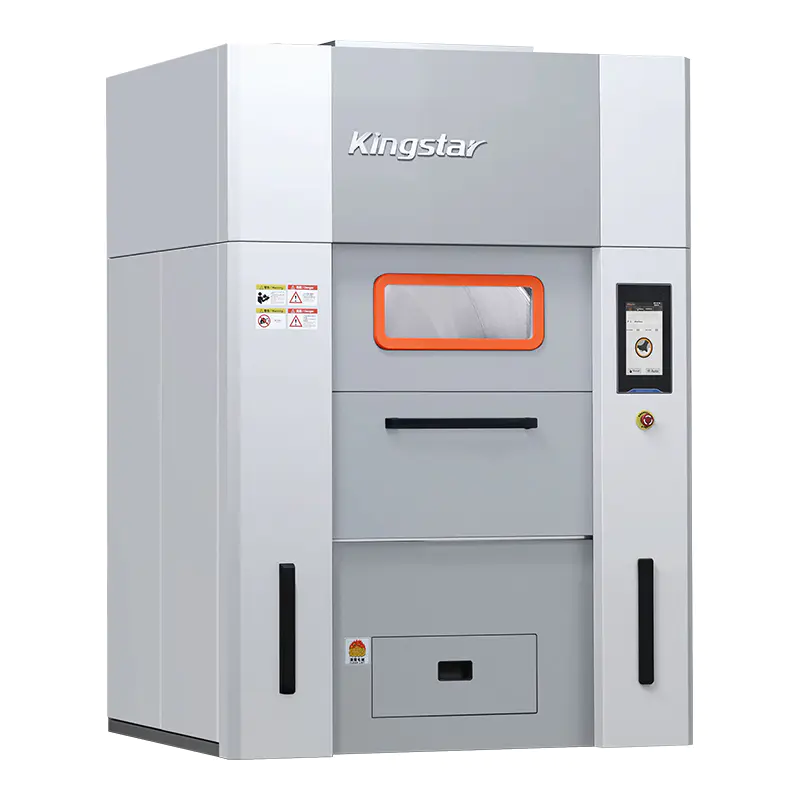
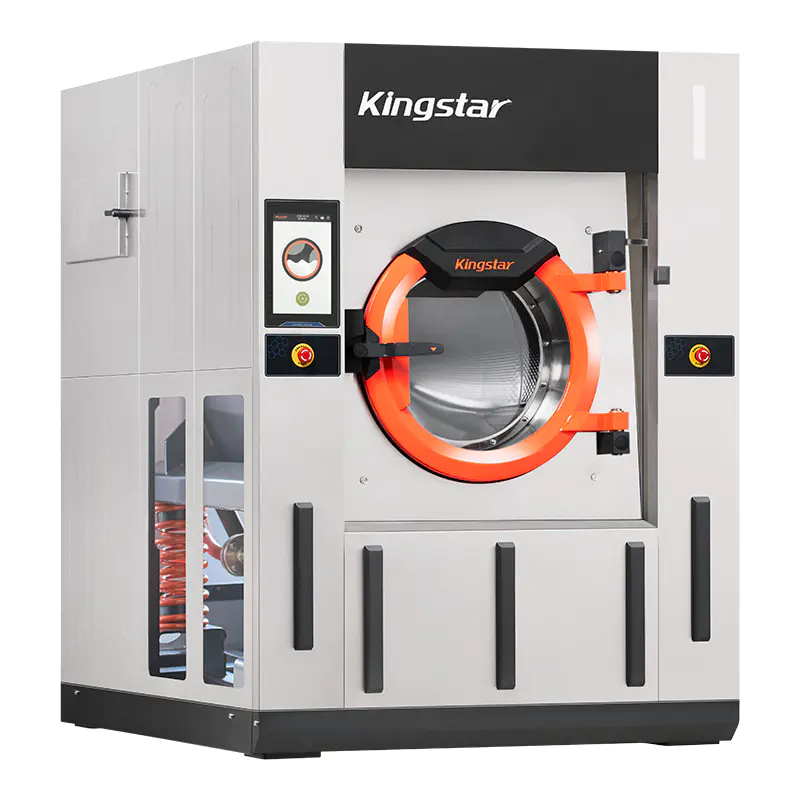
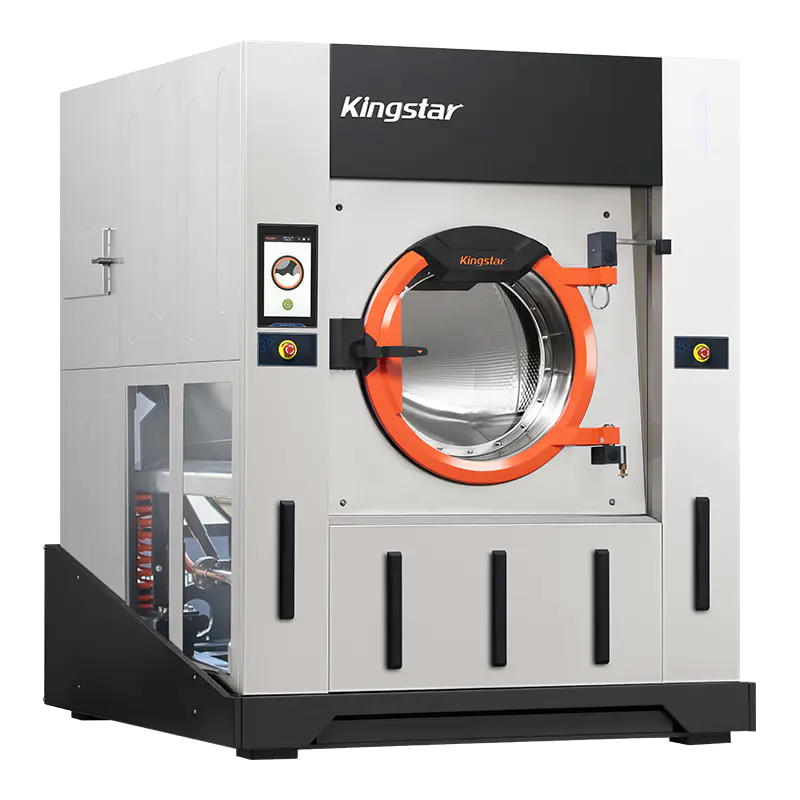
Barrier washers are specialized laundry machines designed with a physical separation between the clean and dirty sides of the process. Their purpose is to prevent cross-contamination, particularly in industries and facilities where hygiene and sanitation are critical. The design ensures that soiled laundry enters from one side, while clean laundry exits from the opposite side, maintaining a controlled workflow. Selecting the right barrier washer requires careful evaluation of operational needs, compliance requirements, and technical specifications to ensure efficiency and safety.
One of the primary factors in selecting a barrier washer is capacity. Different facilities handle varying volumes of laundry, and the machine must be able to process the workload without delays. For hospitals or hotels, high-capacity models may be necessary to handle continuous and large-scale loads. Smaller facilities, such as clinics or laboratories, may require medium or low-capacity machines that are more space efficient. Assessing the average daily laundry volume is essential to determine the right balance between machine size, energy consumption, and output.
Barrier washers are typically installed into partition walls that separate the dirty and clean zones. The available space within the facility plays a crucial role in selecting the appropriate machine size and configuration. The structural strength of the wall, access points for loading and unloading, and the overall layout of the laundry area must be evaluated before installation. Some barrier washers come in compact designs suitable for smaller facilities, while others require more extensive installation. Proper planning of the installation site ensures smooth workflow and compliance with hygiene protocols.
Barrier washers are commonly used in environments where strict hygiene control is mandatory, such as healthcare, pharmaceutical, food processing, and biotechnology sectors. When selecting a machine, compliance with relevant international or national hygiene standards is a key factor. Standards such as ISO, EN, or local health and safety regulations guide the design and functionality of barrier washers. Ensuring that the selected washer meets these requirements minimizes the risk of contamination and supports regulatory compliance for the facility.
Operational efficiency is another important aspect of selecting a barrier washer. Machines that consume excessive water and energy increase operational costs and environmental impact. Many modern barrier washers are designed with features that optimize water reuse, reduce detergent consumption, and minimize energy requirements. Selecting a model with advanced efficiency features not only reduces expenses but also supports sustainable practices. Evaluating the machine’s efficiency ratings and comparing them with industry benchmarks helps in making informed decisions.
Barrier washers today often come equipped with programmable control systems that allow customization of wash cycles according to the type of fabric and contamination level. Automated features such as load sensors, cycle optimization, and fault detection can greatly improve productivity. Facilities with limited staff may particularly benefit from automation, as it reduces manual intervention and ensures consistent washing quality. The usability of the control interface should also be considered, as intuitive controls simplify staff training and reduce the risk of operational errors.
The construction material of a barrier washer affects its durability, longevity, and maintenance requirements. Stainless steel is commonly used due to its resistance to corrosion, chemicals, and high temperatures. High-quality seals, reinforced drums, and durable door mechanisms further enhance machine reliability. Facilities must consider the intensity of their laundry operations when evaluating machine construction. A well-built washer withstands repeated cycles and ensures continuous operation without frequent breakdowns.
Since barrier washers operate in environments where hygiene is critical, safety features must be considered. These include interlocking doors to prevent simultaneous opening on both sides, emergency stop mechanisms, and monitoring systems for cycle integrity. Proper sealing and locking systems ensure that the separation between clean and dirty zones is never compromised. The safety of operating personnel is equally important, making it necessary to evaluate whether the washer includes adequate protection against accidental misuse.
Barrier washers are complex machines that require regular maintenance. Ease of maintenance and availability of spare parts should be evaluated before selecting a machine. Some models are designed with accessible components that simplify routine checks and servicing. The reputation and service network of the manufacturer also play a significant role, as timely maintenance reduces downtime. Considering the total cost of ownership, which includes both purchase price and long-term service expenses, is crucial for sustainable operations.
The cost of a barrier washer involves more than just the initial purchase price. Installation costs, energy and water consumption, maintenance, and spare parts contribute to the overall expenses. Facilities must evaluate whether the investment aligns with their budget while meeting operational requirements. Sometimes a higher initial investment in an energy-efficient and durable machine results in lower long-term costs. A cost-benefit analysis helps in making balanced decisions that support both financial and operational goals.
The following table provides an overview of common factors to compare when evaluating different barrier washer models.
| Factor | Consideration | Impact on Operations |
|---|---|---|
| Capacity | Low, Medium, High | Determines workload handling and efficiency |
| Energy Efficiency | High, Moderate, Low | Influences operational cost and sustainability |
| Compliance | ISO, EN, Local Standards | Ensures regulatory adherence and hygiene safety |
| Automation | Basic to Advanced | Improves productivity and reduces manual errors |
| Construction Material | Stainless Steel, Coated Steel | Affects durability and resistance to wear |
Different industries have specific needs when it comes to barrier washers. Hospitals and healthcare facilities require machines that can handle biohazard-contaminated laundry, often with higher temperature cycles and disinfectant compatibility. Food processing facilities prioritize machines that ensure no contamination from one cycle to another. Research laboratories may require barrier washers that integrate with waste management systems. Evaluating these application-specific requirements ensures that the machine not only functions properly but also aligns with industry-specific hygiene and operational standards.
The table below compares some typical application sectors and the features they prioritize in barrier washers.
| Sector | Key Requirement | Preferred Features |
|---|---|---|
| Healthcare | Prevention of cross-contamination | High temperature cycles, strong disinfection compatibility |
| Food Industry | Strict hygiene maintenance | Sealed separation, easy-to-clean surfaces |
| Hospitality | Efficient high-volume processing | Large capacity, energy-efficient systems |
| Pharmaceutical | Controlled sterile environments | Advanced sealing, automated cycle verification |
| Laboratory | Handling contaminated garments | Compact design, compatibility with disposal protocols |
Selecting the right barrier washer involves analyzing multiple factors such as capacity, compliance, efficiency, safety, and application-specific requirements. Each facility has unique needs, and choosing a machine that balances performance with cost-effectiveness ensures long-term reliability. The right choice contributes not only to operational efficiency but also to the safety of staff and the integrity of processes. Careful evaluation and comparison of available models, supported by a clear understanding of facility needs, form the basis of effective decision-making in barrier washer selection.
ADD:No.388 Xinggang Road, Chongchuan District, Nantong City, 226000, Jiangsu Province, China.
Phone: +86-13917089379
Tel:+86-13917089379
Fax:+86-0513-85663366
E-mail:[email protected]
Cookies give you a personalized experience,Сookie files help us to enhance your experience using our website, simplify navigation, keep our website safe and assist in our marketing efforts. By clicking "Accept", you agree to the storing of cookies on your device for these purposes. Click "Adjust" to adjust your cookie preferences.For more information, review our Cookies Policy.